

Artificial Intelligence
Proton Launches Lumo Desktop For Windows, Mac And Linux With Privacy-First AI Agents
Updated on Wed, Nov 18, 2026
Share
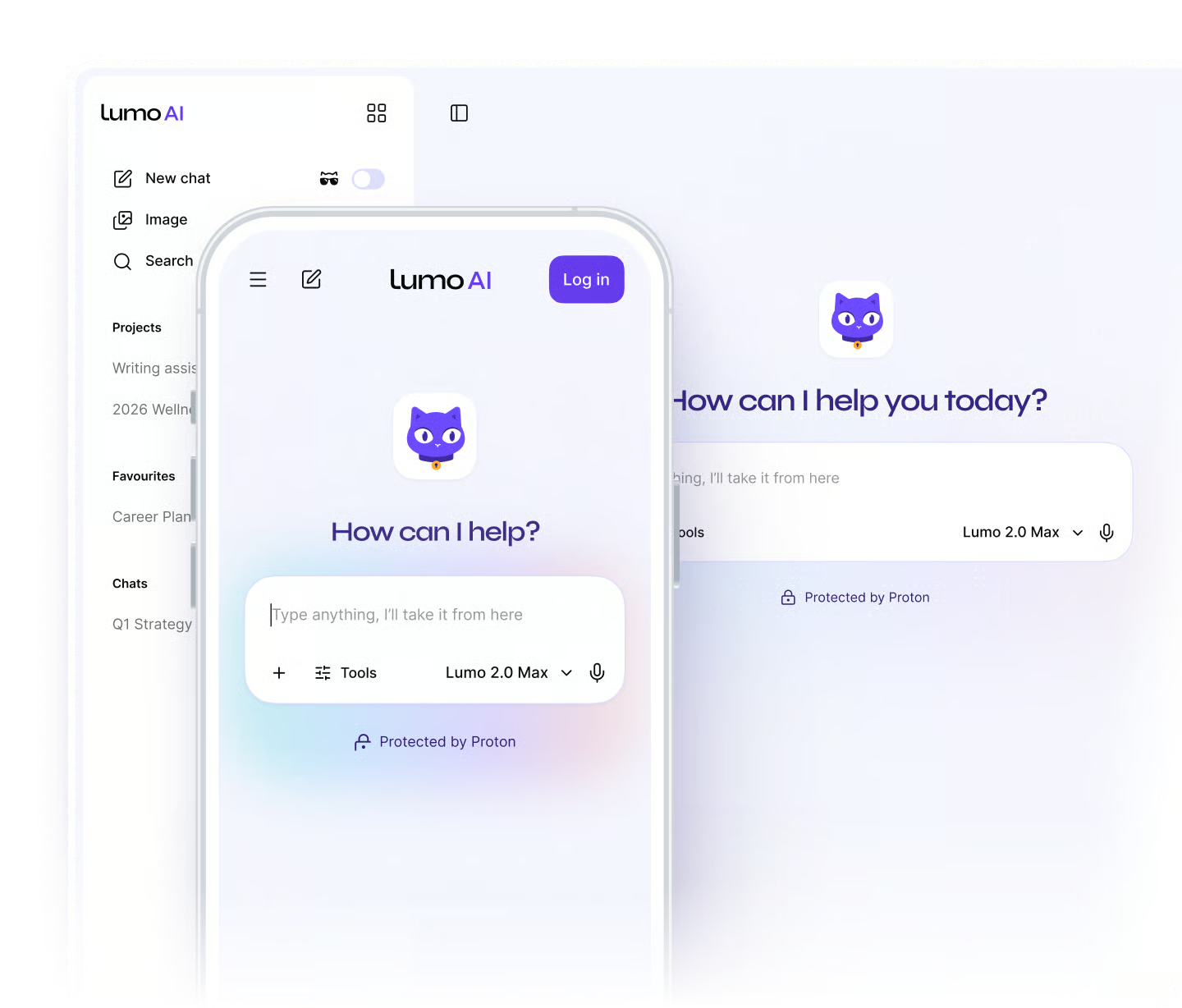
As AI assistants increasingly demand access to personal files and applications, Proton is taking a different approach. The privacy-focused technology company has launched Lumo Desktop for Windows, macOS, and Linux, bringing AI-powered automation to personal computers while giving users greater control over what the assistant can access and execute.
The launch positions Lumo as a privacy-conscious alternative to ChatGPT and Claude, particularly for users concerned about sharing sensitive information with AI agents.
TL;DR
- Proton has launched Lumo Desktop for Windows, macOS, and Linux, expanding its privacy-focused AI assistant.
- The application can work with local files, connected services, and automated tasks through configurable permissions.
- Proton says user conversations and connected data are not used for AI training or personalized advertising.
- The desktop app also introduces reusable Skills and scheduled tasks.
Proton Lumo Desktop Brings AI Automation To Windows, Mac And Linux
According to reports, Proton has expanded its Lumo AI assistant beyond its existing experience with a dedicated desktop application capable of interacting with local computer resources and connected services.
Unlike conventional chatbots that primarily respond to prompts, Lumo Desktop can perform actions using tools that access files, applications, and external information.
The application supports connectors for local file systems, shell execution, and retrieving browser content. Users can also connect Proton Mail and third-party services such as Dropbox, Jira, and Confluence.
Additionally, Lumo supports local and remote Model Context Protocol (MCP) servers, allowing its AI agents to interact with external data sources.
These capabilities bring Lumo into the growing market for AI assistants that can execute tasks rather than simply generate responses.
However, allowing AI agents to interact with computer systems also introduces concerns about unauthorized actions and access to sensitive information.
Proton Lumo Gives Users Control Over AI Agent Permissions And Data Privacy
Proton's answer is a permission-based system that lets users decide exactly how much freedom each connected tool receives.
Users can configure individual connectors to perform certain actions automatically, request approval before proceeding, or block specific operations altogether.
They can also disable tools directly from the conversation's Tools menu.
This approach addresses an important concern surrounding autonomous AI assistants: the possibility of giving software extensive access without sufficient oversight.
Privacy extends beyond controlling the assistant's actions.
Proton says Lumo conversations and information obtained from connected applications and files are never used to train AI models or deliver personalized advertisements.
The company also uses encryption intended to ensure that only users can access their chat histories, while maintaining that it does not retain server-side logs.
Limited stored information is protected under Swiss privacy law and hosted on European infrastructure, which Proton says places it outside the scope of the US CLOUD Act.
These privacy assurances arrive as AI providers face increasing scrutiny over how personal information is handled, a concern also reflected in TechDogs' coverage of ChatGPT conversation reviews.
Proton Lumo Adds Scheduled AI Tasks And Reusable Skills
Beyond privacy controls, Lumo Desktop introduces functionality intended to make AI-assisted workflows more convenient.
Users can configure scheduled tasks with individual permission settings, determining which actions can run independently and which require explicit approval.
The application also supports Skills, a feature that allows users to save instructions, templates, and reference files for reuse across conversations.
Proton's earlier Custom Lumos functionality will migrate to the new Skills format.
Meanwhile, Proton is expanding its supporting infrastructure, with its first NVIDIA B300 computing cluster built using Open Compute Project standards becoming operational in Switzerland.
The investment supports Proton's broader efforts to provide AI services through infrastructure aligned with its privacy-focused approach.
Topics For More Insights
Proton Lumo Desktop Challenges ChatGPT And Claude On AI Privacy
With Lumo Desktop, Proton is entering a competitive space already occupied by established AI assistants from OpenAI, Anthropic, and other technology companies.
Its differentiating approach centers on combining desktop automation with configurable permissions, encrypted conversations, and restrictions on how user information is handled.
The launch also reflects a broader shift toward AI assistants that work directly with applications and files, making user oversight increasingly important.
For Proton, the challenge will be demonstrating that privacy-focused AI automation can deliver the convenience users expect without requiring them to surrender control over their personal information.
First published on Wed, Nov 18, 2026

Enjoyed what you read? Great news – there’s a lot more to explore!
Dive into our content repository of the latest tech news, a diverse range of articles spanning introductory guides, product reviews, trends and more, along with engaging interviews, up-to-date AI blogs and hilarious tech memes!
Also explore our collection of branded insights via informative white papers, enlightening case studies, in-depth reports, educational videos and exciting events and webinars from leading global brands.
Head to the TechDogs homepage to Know Your World of technology today!
Disclaimer - Reference to any specific product, software or entity does not constitute an endorsement or recommendation by TechDogs nor should any data or content published be relied upon. The views expressed by TechDogs' members and guests are their own and their appearance on our site does not imply an endorsement of them or any entity they represent. Views and opinions expressed by TechDogs' Authors are those of the Authors and do not necessarily reflect the view of TechDogs or any of its officials. While we aim to provide valuable and helpful information, some content on TechDogs' site may not have been thoroughly reviewed for every detail or aspect. We encourage users to verify any information independently where necessary.
Loading comments...