

Artificial Intelligence
Best AI Personal Agents In 2026 Muse, Copilot, ChatGPT And Claude Compared
Share
TL;DR
-
Muse is built for personal errands, shopping, bookings, and long-running goals.
-
Copilot Autopilot focuses on persistent Microsoft 365 work but remains in private preview.
-
ChatGPT Work handles broad multi-step projects across apps, files, websites, and finished deliverables.
-
Claude Cowork is strongest for research, documents, and connected knowledge workflows.
-
Pricing starts free for Muse and Claude, while ChatGPT Plus and Claude Pro cost $20 monthly.
-
Permission controls, approval steps, and connected-account access matter as much as raw model capability.
Introduction
AI personal agents are moving beyond conversation into action. The important question in 2026 is no longer which chatbot writes the nicest answer. It is which system can safely take a goal, use tools, work across apps, and return with something finished. Muse, Microsoft Copilot, ChatGPT, and Claude now approach that job differently.
Muse is built around personal errands and long-running goals. Copilot Autopilot is designed around persistent work inside Microsoft 365. ChatGPT Work focuses on complex projects across apps, files, and the web. Claude Cowork emphasizes delegated knowledge work across documents, browsers, and connected tools. That makes the best choice depend on what you want to hand off.
How We Compared the Best AI Personal Agents
The best AI personal agent should do more than answer questions. We compared each product on autonomy, connected tools, background execution, approval controls, availability, and price. We also considered whether the product is designed mainly for personal life, workplace coordination, or knowledge work.
The comparison uses current official product information as of September 29, 2026, because the category is changing quickly. Autonomy measures how far an agent can progress without a fresh prompt. Integrations cover the apps, files, websites, and services it can reach. Pricing reflects the lowest relevant US consumer plan where a public price exists.
AI Personal Agents Compared at a Glance
The comparison looks different once availability and operating style are placed side by side. Muse is already positioned as a consumer agent, while Copilot Autopilot remains in private preview. ChatGPT Work and Claude Cowork are broadly available agentic work surfaces, but they focus more on projects and knowledge work than personal errands in daily real-world use.
| Agent | Best fit | Background work | Main access | US price / availability |
| Meta Muse | Personal errands and goals | Yes | Web and connected apps | Free with limits; paid upgrade available |
| Microsoft Copilot Autopilot | Microsoft 365 coordination | Yes | Teams, Outlook, OneDrive, SharePoint | Private preview; Microsoft 365 Premium $19.99/month |
| ChatGPT Work | Broad projects and deliverables | Yes | Apps, files, web, desktop tools | Plus $20/month; paid plans supported |
| Claude Cowork | Research and document work | Long-running delegated tasks | Browser, files, connectors, Microsoft 365 | Free tier; Pro $20/month |
Meta Muse
Meta Muse is the clearest personal-agent product in this group. Meta launched it in the United States on September 8, 2026, with mobile, web, WhatsApp, and Mac access. Muse runs inside a dedicated secure virtual machine, can browse the web, connect to apps, and keep working after the user closes the app.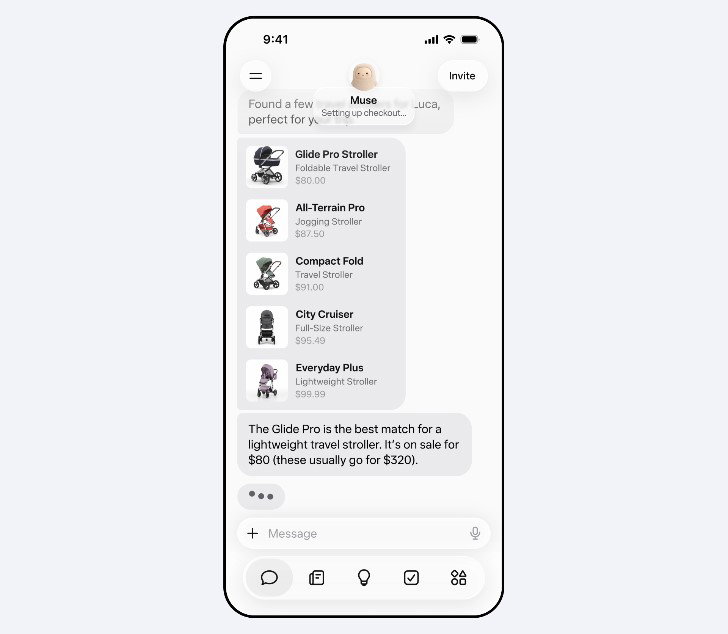
Where Muse Stands Out
Muse stands out for everyday action. Meta says it can send emails, book travel, monitor prices, shop, fill forms, and work toward longer-term goals. It can also remember preferences and suggest next steps. Sensitive actions, including sending an email or making a purchase, can require approval, and users can review an audit trail.
What to Watch
The trade-off is maturity. Muse is new, US-only at launch, and its paid subscription price is not publicly listed. Meta offers free usage with limits and says heavier users can upgrade. For personal errands, shopping, and proactive goal management, Muse currently has the most consumer-first design.
Microsoft Copilot
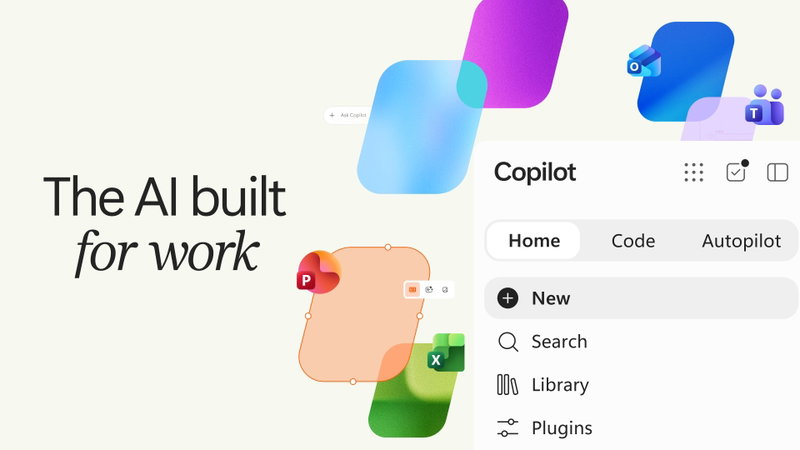
Microsoft Copilot Autopilot is built for persistent work rather than everyday consumer errands. Microsoft describes Autopilot as a cloud-hosted agent with its own identity, memory, computer, and workspace. It can keep projects moving in the background across Teams, Outlook, documents, and other Microsoft 365 services.
Where Copilot Stands Out
That makes Copilot especially compelling for people whose work already lives in Microsoft 365. Autopilot can follow threads, run recurring work, coordinate follow-ups, and resume projects days later. Microsoft also applies organizational permissions, audit, and governance controls around what the agent can access.
What to Watch
Availability is the catch. Autopilot is still in private preview as of September 29, 2026, so it is not a generally available consumer feature. Microsoft 365 Premium costs $19.99 per month and includes limited agentic AI features, while Pro costs $99.99 with higher usage. Buyers should not assume either plan guarantees Autopilot access during preview.
ChatGPT
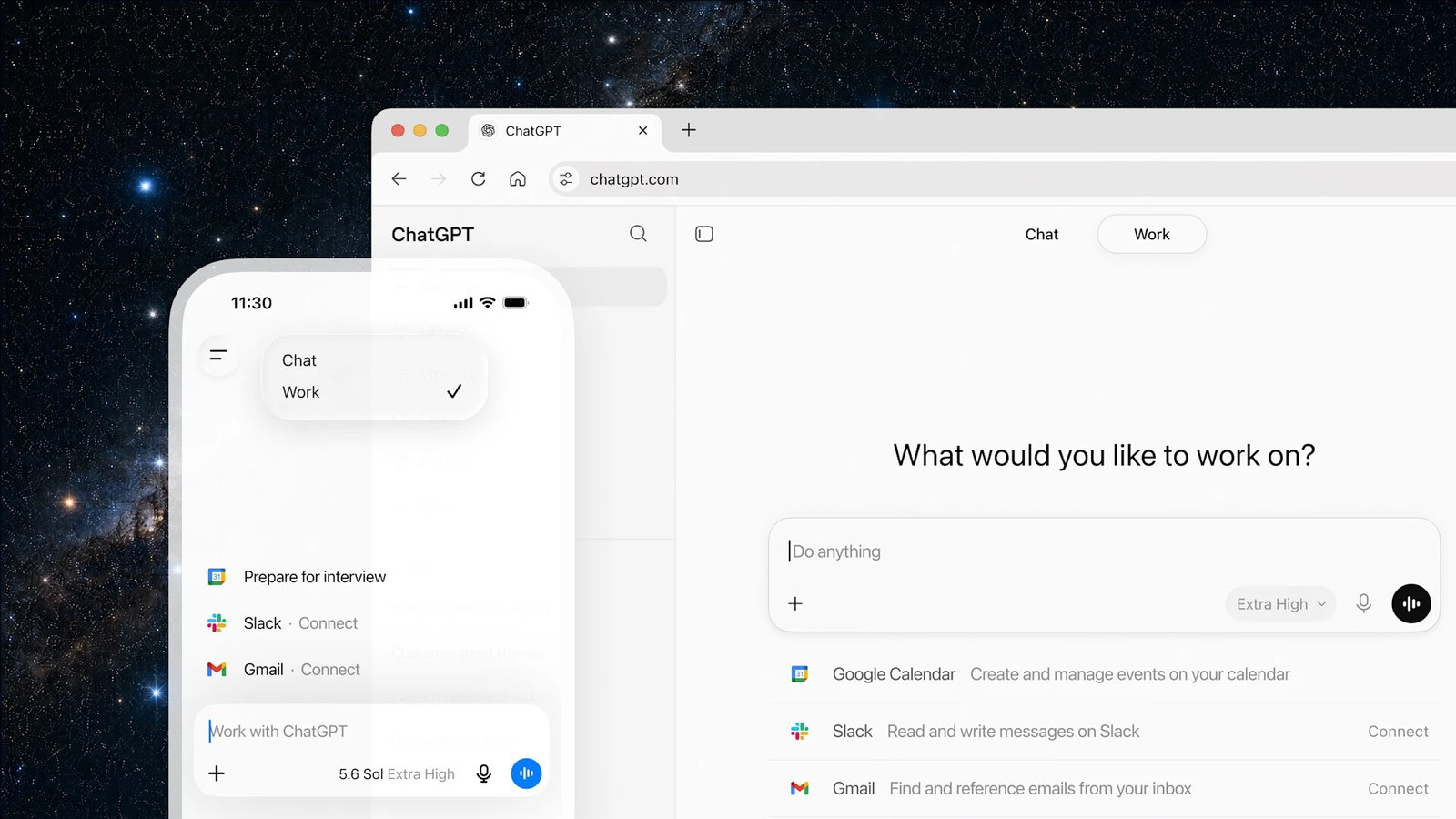
ChatGPT Work is the broadest general-purpose project agent in this comparison. OpenAI introduced Work for longer, multi-step tasks that can research, analyze information, use connected apps and files, browse the web, and create finished documents, spreadsheets, presentations, reports, and other deliverables.
Where ChatGPT Stands Out
Work is strongest when the outcome matters more than the path. A user can hand over a research brief, market analysis, document build, or multi-app project, then review progress and approve important actions. Scheduled Tasks can also run once, recur, or monitor for changes. Cloud browser support lets Work interact with supported signed-in websites.
What to Watch
ChatGPT Plus costs $20 per month, and Work is available on paid plans on web and mobile, with broader desktop capabilities depending on plan and permissions. ChatGPT is less explicitly centered on personal errands than Muse, but it is more flexible across research, creation, analysis, and finished work.
Claude
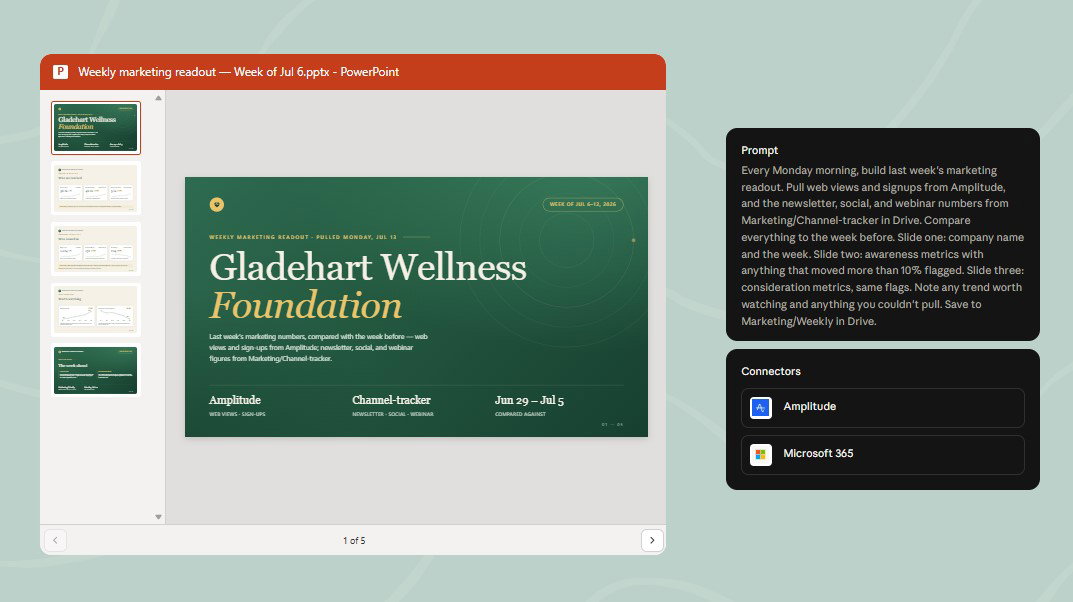
Claude Cowork is strongest when the task is document-heavy, research-heavy, or spread across several knowledge tools. Anthropic describes Cowork as a mode for delegating real, multi-step work rather than handling one prompt at a time. It can gather context from a browser, documents, folders, and connected services.
Where Claude Stands Out
Cowork can work with tools such as Drive, email, Slack, and Microsoft 365 through connectors and desktop integrations. Anthropic also supports project instructions, skills, and plugins that teach Claude how a team prefers work to be done. That makes Cowork well suited to analysts, writers, researchers, and professionals handling large sets of files.
What to Watch
Claude has a Free tier, while Pro costs $20 per month. Max plans cost $100 or $200 per month for heavier use. Compared with Muse, Claude is less oriented toward shopping or personal-life errands. Its advantage is sustained knowledge work where context, documents, and reasoning matter most.
Muse vs Copilot vs ChatGPT vs Claude: Best Fits
The four products are not interchangeable. Muse is the strongest fit for personal errands and proactive life administration. ChatGPT Work is the most versatile option for broad projects and finished deliverables. Claude Cowork fits deep document and research workflows. Copilot Autopilot is the strongest Microsoft-centric option, but preview access limits it today.
The practical dividing line is where your context lives. Meta is building around personal services, Microsoft around organizational identity, OpenAI around general project execution, and Anthropic around delegated knowledge work.
What Should You Check Before Trusting a Personal AI Agent?
Personal AI agents become more useful as they gain more access, which also raises the cost of mistakes. Before connecting email, calendars, cloud drives, shopping accounts, or payment services, check exactly what the agent can read, change, send, and purchase.
Keep permission scope as narrow as the task allows. Sensitive actions should require confirmation unless the user deliberately chooses otherwise. Audit history matters because people need to see what happened after a long-running task. Review connected accounts regularly when an agent no longer needs access.
Prompt injection is another risk for agents that browse the web or read external content. Strong safeguards help, but human review still matters when actions are expensive, private, or difficult to reverse.
The Bottom Line
AI personal agents in 2026 are separating into distinct roles. Muse is the best fit for everyday personal tasks, ChatGPT Work offers the broadest project flexibility, Claude Cowork is particularly strong for document-centered knowledge work, and Copilot Autopilot is promising for Microsoft-heavy workflows once access expands.
Choose based on the work you want delegated, the accounts you are willing to connect, and the controls you need before an agent acts.
Frequently Asked Questions
What Is an AI Personal Agent?
An AI personal agent can do more than answer questions. It can use tools, browse websites, connect to apps, complete multi-step tasks, and sometimes continue working after you leave. The important difference from a standard chatbot is action. A personal agent can move work forward on your behalf, subject to the permissions and approval controls you give it.
Is Meta Muse Better Than ChatGPT?
Muse and ChatGPT Work are built for different jobs. Muse is more directly focused on personal errands, shopping, bookings, and proactive goal management. ChatGPT Work is broader for research, analysis, files, websites, and finished deliverables. The better choice depends on whether you want help with daily life administration or complex project execution across many work types.
What Is the Difference Between ChatGPT Work and Claude Cowork?
ChatGPT Work emphasizes broad project execution across apps, files, the web, and finished artifacts such as documents, spreadsheets, and presentations. Claude Cowork emphasizes delegated knowledge work across documents, folders, browsers, and connected services. Both can handle multi-step tasks, but their surrounding ecosystems, connectors, model behavior, and workflow design differ today.
Can AI Agents Access Email and Calendars?
Yes, some AI agents can access email and calendars after you connect the relevant account and grant permission. Muse, Copilot, ChatGPT, and Claude all support forms of connected-app access, though the exact services and controls differ. Users should review what an agent can read, edit, send, or schedule before granting broad permissions.
Are Personal AI Agents Safe to Use?
Personal AI agents can be useful, but they introduce more risk than a chatbot that only produces text. Connected agents may send messages, change files, make purchases, or act on external instructions. Use narrow permissions, require approval for sensitive actions, review audit history, and avoid giving unnecessary account access when a task can be completed with less authority.
Can AI Agents Make Purchases or Book Travel?
Some can. Meta says Muse can book travel, shop online, fill forms, and make purchases after user approval. Other agents focus more heavily on workplace or knowledge tasks, though browser tools can support transactions on compatible services. Availability varies by product, plan, region, and website, so users should confirm current support before relying on an agent for a purchase.
Tue, Sep 29, 2026

Liked what you read? That’s only the tip of the tech iceberg!
Explore our vast collection of tech articles including introductory guides, product reviews, trends and more, stay up to date with the latest news, relish thought-provoking interviews and the hottest AI blogs, and tickle your funny bone with hilarious tech memes!
Plus, get access to branded insights from industry-leading global brands through informative white papers, engaging case studies, in-depth reports, enlightening videos and exciting events and webinars.
Dive into TechDogs' treasure trove today and Know Your World of technology like never before!
Disclaimer - Reference to any specific product, software or entity does not constitute an endorsement or recommendation by TechDogs nor should any data or content published be relied upon. The views expressed by TechDogs' members and guests are their own and their appearance on our site does not imply an endorsement of them or any entity they represent. Views and opinions expressed by TechDogs' Authors are those of the Authors and do not necessarily reflect the view of TechDogs or any of its officials. While we aim to provide valuable and helpful information, some content on TechDogs' site may not have been thoroughly reviewed for every detail or aspect. We encourage users to verify any information independently where necessary.
Loading comments...