

Microsoft's top executives are sounding two alarms: its recent Outlook outage exposed avoidable weaknesses in testing, while the growing race to patch AI-discovered software flaws could cause further disruptions across aging technology systems.
TL;DR
- CEO Satya Nadella said Microsoft's November Outlook failure involved a software bug that escaped testing and insufficient safeguards to contain it.
- President Brad Smith warned that AI-assisted vulnerability discovery is speeding up patches and increasing risks to older infrastructure.
- Smith emphasized that Microsoft's outage was not caused by AI or a cyberattack and outlined steps for users and businesses.
Microsoft Says November Outlook Outage Exposed Preventable Software Failures
Discussing the November 12 disruption, Nadella acknowledged in an interview reported by Yahoo Finance that Microsoft should have caught the defect before it affected customers. The bug emerged under a particular pattern of user traffic, a condition he said should have been tested.
He also highlighted the need for stronger "bulkheads," safeguards designed to isolate faults before they spread between services. The disruption affected Outlook and other Microsoft 365 tools, interrupting access to email and cloud applications, as documented while the incident was unfolding.
Speaking on November 22, Smith described a collision between software updated four months earlier, a newer change, and shifting network traffic. Microsoft had already taken nine corrective steps and planned another 13, he said.
Importantly, Smith said the Microsoft incident was neither an AI-related failure nor a cyberattack. His warning about AI concerns the broader software industry, not the confirmed cause of this outage.
Brad Smith Warns AI-Driven Patching Could Increase Technology Outages
AI tools are helping security teams discover weaknesses in computer code more quickly. However, the same capabilities can help attackers locate flaws to exploit, leaving organizations racing to patch vulnerable software before criminals take advantage.
That urgency creates another problem: less time to test changes, particularly in legacy infrastructure where old and new components must operate together. Faster fixes can improve security but also introduce unexpected instability.
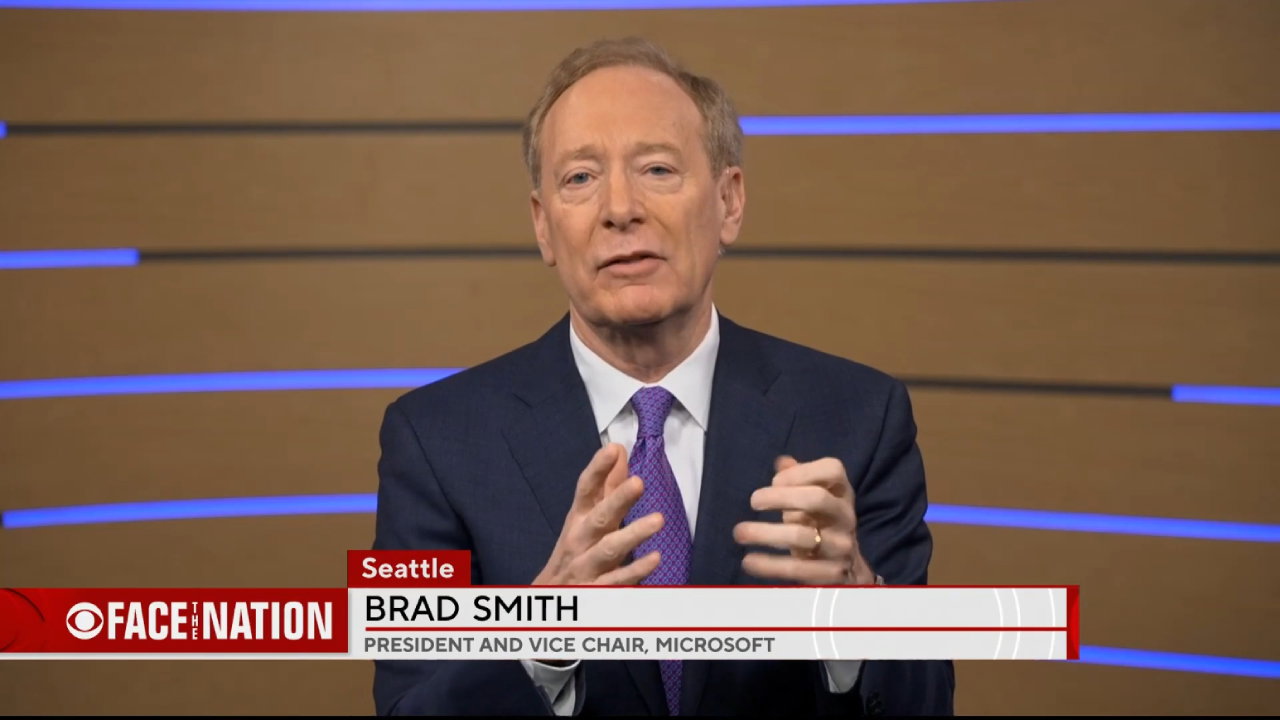
"I think we have to be prepared, frankly, for the coming months," Smith warned, explaining that upgrading interconnected digital infrastructure is not something organizations can complete in a few weeks.
The warning comes after separate disruptions affected banks, airlines, air traffic control, and cloud services. Those incidents should not be treated as proof that AI caused the failures, but they highlight how dependent essential operations have become on reliable software.
AI Software Patching Raises New Reliability Risks For Enterprise IT
The challenge is no longer simply identifying vulnerabilities. Organizations must also decide how to deploy fixes quickly without turning security improvements into operational failures.
That trade-off is becoming more important as AI-assisted vulnerability research advances, a development reflected in Google's cybersecurity-focused Gemini model. Smith called for companies to modernize outdated infrastructure and coordinate more closely across IT teams.
Topics For More Insights
- Microsoft 365 Outage Enters Second Day As Outlook Mail Recovers, Teams And Copilot Issues Persist
- Microsoft 365 Suffers Major Outage, Blocking Emails And Cloud Services
- OpenAI, Anthropic, Google & 150+ Firms Sound Alarm On Rogue AI Cyberattacks
- Researchers Used Claude To Hack Into OpenAI’s Internal Repositories
Microsoft Recommends Security Patches, Infrastructure Upgrades And Better Coordination
Smith urged consumers to install security patches promptly rather than delaying updates on their phones or laptops. For organizations, he emphasized stronger patching practices, investment in older systems, and closer cooperation with governments on threat intelligence.
Microsoft's official service-health guidance also directs administrators to its dashboard for current incidents and recovery updates. The goal is to catch problems earlier, contain failures, and maintain reliability while the wider technology industry accelerates security changes.
