

Financial Management Solutions
India Delays 0.4% UPI Merchant Fee After Retailer Backlash, New Rollout Date Unclear
Updated on Wed, Oct 14, 2026
Share
Just weeks after announcing that merchants would have to pay to accept certain Unified Payments Interface (UPI) transactions, India has delayed the controversial move following strong opposition from retailers and fuel station operators.
The National Payments Corporation of India (NPCI) has postponed the October 15 rollout of a 0.4% fee, offering businesses temporary relief during the festive shopping season.
TL;DR
- NPCI has postponed its proposed 0.4% UPI merchant fee on eligible transactions exceeding ₹2,000.
- The October 15 implementation has been pushed beyond Diwali following objections from retailers and petrol pump operators.
- Small merchants and lower-value payments would remain exempt under the proposal.
- NPCI has not announced a revised implementation date.
India Postpones 0.4% UPI Merchant Fee After Retailer Opposition
India's plan to start charging businesses for accepting certain UPI payments has hit a roadblock, and the timing couldn't be more significant.
According to the latest report, NPCI has postponed the implementation of its proposed 0.4% merchant fee, originally scheduled to take effect on October 15, 2026.
The decision comes after retailers and petrol pump operators expressed concerns about the additional expense, with some warning that they could stop accepting UPI payments if the charges were introduced.
NPCI cited the festive shopping season while announcing the postponement. The rollout is now expected after Diwali, although no specific date has been confirmed.
Interestingly, the development reverses the immediate timeline of a policy that was supposed to change India's digital payments landscape.
In September, TechDogs reported on India's plans to end six years of zero merchant discount rates (MDR) for eligible UPI transactions.
Now, businesses have received additional time before the proposed charges take effect, but the underlying policy remains on the table.
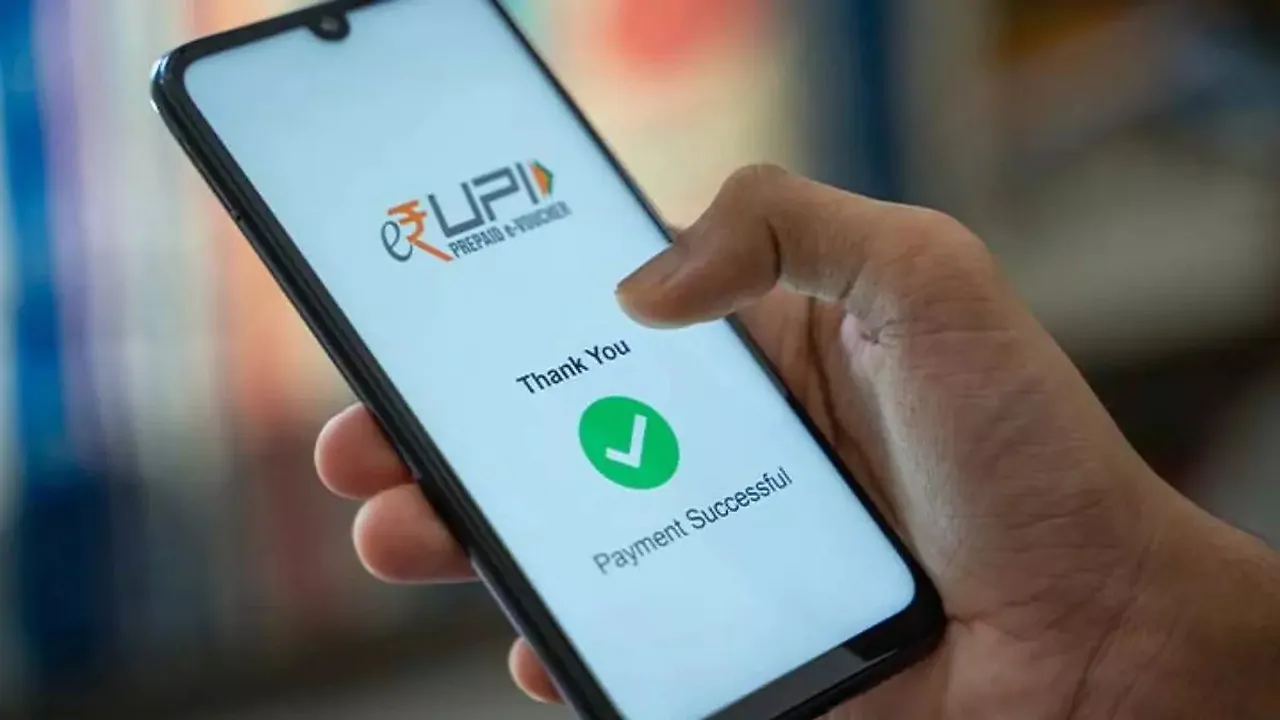
NPCI's Proposed UPI Fee Exempts Small Merchants And Payments Below ₹2,000
The proposed fee would apply to eligible merchant transactions exceeding ₹2,000, with a 0.4% charge designed to generate revenue for the companies supporting India's digital payments infrastructure.
However, NPCI included several exemptions to limit its impact.
Payments of ₹2,000 or less would remain outside the proposed fee structure. Small merchants receiving less than ₹100,000 per month through UPI would also be exempt.
For larger transactions, the fee would be capped at ₹300.
The proposed charges follow the government's January 2020 decision to eliminate merchant fees to encourage digital payments over cash transactions.
That zero-fee approach helped UPI become central to everyday transactions through applications such as Google Pay, PhonePe, and Paytm.
The planned fee structure also matters for other payment providers exploring India's market. TechDogs previously covered Apple's reported plans to introduce Apple Pay in India with Axis Bank, highlighting the changing economics of the country's digital payments ecosystem.
UPI Processes 24.07 Billion Transactions As Payment Infrastructure Costs Rise
The proposed charges aren't simply about generating additional revenue.
According to NPCI's transaction statistics, UPI processed 24.07 billion transactions worth ₹29.37 trillion (approximately $305 billion) in September 2026.
That enormous transaction volume comes with significant operating expenses.
Citing industry estimates, NPCI previously placed UPI's annual operating costs at approximately ₹200 billion (around $2.1 billion), covering infrastructure, server capacity, cybersecurity, fraud prevention, and technical support.
Banks and payment companies have argued that growing transaction volumes make recovering these expenses increasingly important.
NPCI intended to distribute revenue collected through the proposed fees among participating financial institutions and payment service providers.
The challenge is balancing those costs against the affordability that helped UPI gain widespread adoption.
Topics For More Insights
India's UPI Merchant Fee Rollout Remains Uncertain After Diwali Delay
While merchants have temporarily avoided the proposed charges, questions remain about when NPCI will implement the revised payment structure.
India has also been expanding UPI internationally, with the network available in markets including Singapore, the United Arab Emirates, and France.
TechDogs previously covered NPCI's UPI One World wallet initiative, another example of its efforts to broaden digital payment access.
For now, NPCI's postponement offers retailers breathing room during a major shopping period, while leaving payment providers waiting for a potentially important revenue stream.
Whether the delay leads to adjustments in the proposed fee structure remains unclear.
First published on Wed, Oct 14, 2026

Enjoyed what you read? Great news – there’s a lot more to explore!
Dive into our content repository of the latest tech news, a diverse range of articles spanning introductory guides, product reviews, trends and more, along with engaging interviews, up-to-date AI blogs and hilarious tech memes!
Also explore our collection of branded insights via informative white papers, enlightening case studies, in-depth reports, educational videos and exciting events and webinars from leading global brands.
Head to the TechDogs homepage to Know Your World of technology today!
Disclaimer - Reference to any specific product, software or entity does not constitute an endorsement or recommendation by TechDogs nor should any data or content published be relied upon. The views expressed by TechDogs' members and guests are their own and their appearance on our site does not imply an endorsement of them or any entity they represent. Views and opinions expressed by TechDogs' Authors are those of the Authors and do not necessarily reflect the view of TechDogs or any of its officials. While we aim to provide valuable and helpful information, some content on TechDogs' site may not have been thoroughly reviewed for every detail or aspect. We encourage users to verify any information independently where necessary.
Loading comments...