
Artificial Intelligence
Former Meta AI Director Rohit Patel Launches Ndoc To Rival Microsoft Office And Google Workspace
Updated on Wed, Oct 28, 2026
Share
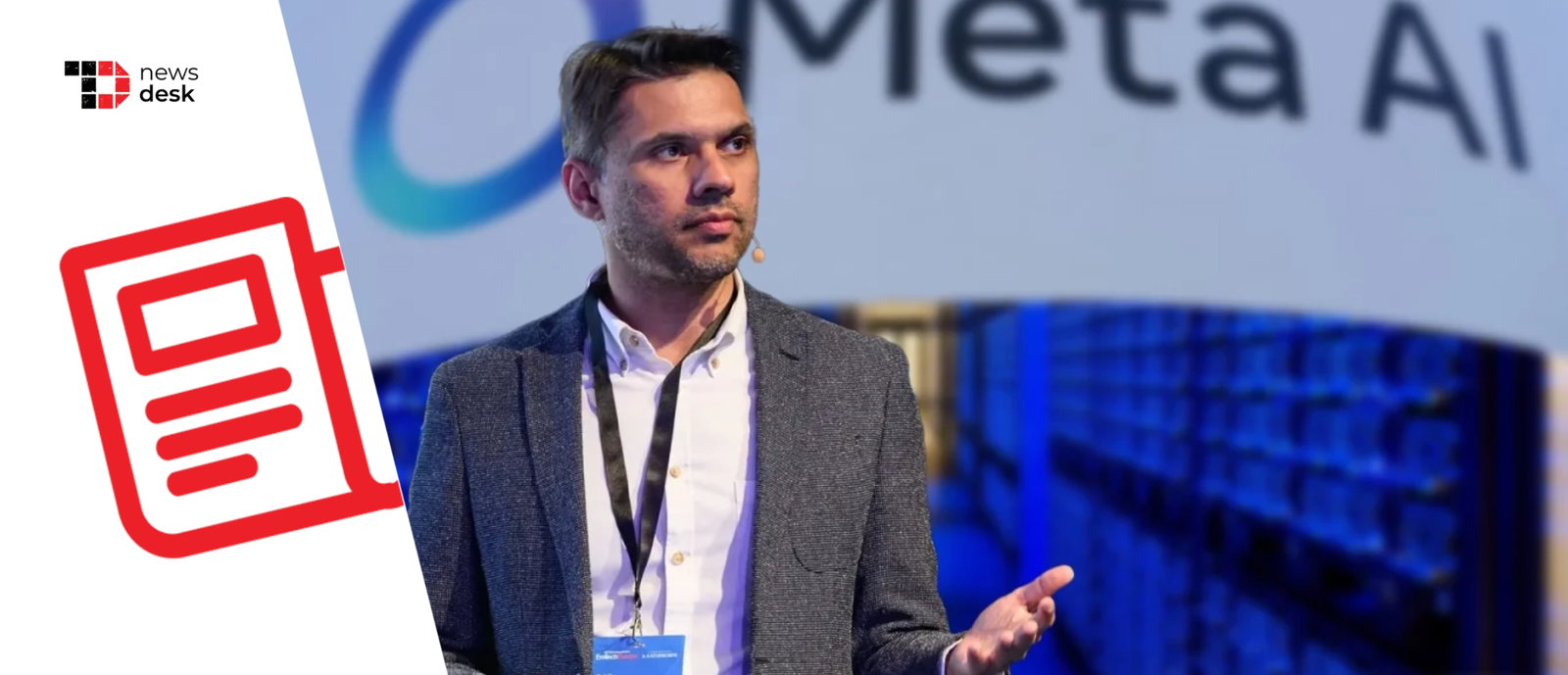
After spending nearly eight years developing artificial intelligence (AI) systems at Meta, former Meta Superintelligence Labs director Rohit Patel has left the company to launch Ndoc, an AI-native productivity platform that aims to challenge Microsoft Office and Google Workspace.
Unlike conventional productivity software that adds AI capabilities to existing applications, Ndoc brings documents, presentations, data analysis, and coding into a unified workspace. The startup is currently testing the platform with a limited number of users, with a broader launch planned for 2027.
TL;DR
- Former Meta AI director Rohit Patel has launched Ndoc, an AI-native alternative to Microsoft Office and Google Workspace.
- Ndoc combines presentations, analytical reports, datasets, and Python code in one workspace, allowing users to inspect AI-generated results.
- The three-person startup is running an enterprise pilot and limited alpha, with a beta expected in the coming weeks and a wider launch planned for 2027.
What Is Ndoc And How Does It Work?
According to TechCrunch, Patel founded Ndoc to address the fragmented nature of modern workplace productivity tools.
Today, professionals often switch between Microsoft Excel, Word, PowerPoint, Google Workspace, data visualization platforms, and AI chatbots to complete a single project.
Patel believes AI should help eliminate these disconnected workflows instead of simply adding new capabilities to existing applications.
Ndoc attempts to address this challenge by combining three components within one workspace.
The platform's Stage tab displays presentations, dashboards, simulations, slide decks, and small applications. Narrative provides the analysis behind the results, including explanations, numbered citations, and generated figures.
Meanwhile, the Model tab contains the underlying datasets and Python scripts used to produce those results.
As Moneycontrol reported, the platform also includes an AI assistant capable of explaining calculations, formulas, and the underlying code, allowing users to examine how AI-generated outputs were created.
This approach reflects Patel's previous work at Meta, where he focused on reinforcement learning and evaluating the reliability of AI systems.
Speaking to TechCrunch, Patel explained how users could ask Ndoc's AI assistant to identify and explain specific formulas within a script, even without programming knowledge.
"There's nothing hidden behind the curtain here," Patel told TechCrunch.
The platform also allows users to upload datasets, request analyses, and generate explanations based on the findings. Users can provide additional context, such as the intended audience and preferred tone, while Ndoc maintains contextual memory across individuals, documents, teams, and organizations.
Ndoc Plans An Open-Source File Format To Reduce Software Dependence
One of Ndoc's distinguishing features is its proposed approach to document portability.
As highlighted by The AI Insider, Patel plans to open-source a file format designed to let users access and share their work without remaining dependent on Ndoc's platform.
Documents can be exported as a single .ndoc.html file that opens in a standard web browser.
Patel also intends to make the format available to other developers, potentially allowing third-party applications to create compatible experiences.
This could provide an alternative to conventional workflows in which documents, presentations, analytical models, and supporting data are maintained across separate proprietary applications.
However, the format's broader usefulness will depend on developer adoption, compatibility, and how effectively it supports existing enterprise workflows.
Ndoc also includes connectors intended to help users import data from applications they already use, reducing the need to rebuild their work from scratch.
Why Is Rohit Patel Challenging Microsoft And Google?
Patel's decision to launch Ndoc comes amid growing competition to integrate AI into enterprise productivity software.
Microsoft and Google already have established workplace ecosystems, while AI developers are introducing tools that help users work across documents, spreadsheets, and business applications.
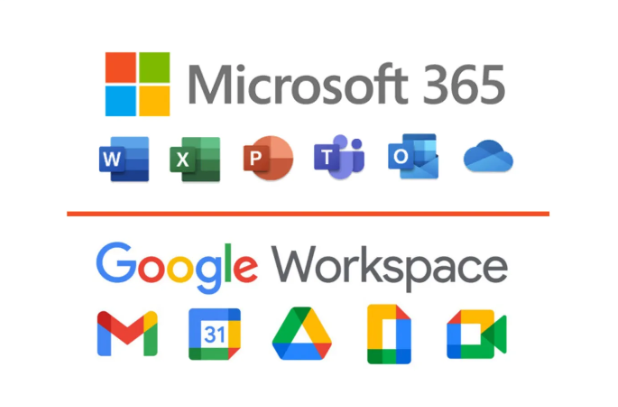
Patel believes the industry is focusing too heavily on incorporating AI into existing productivity tools rather than reconsidering how workplace software should function.
According to TechCrunch, he argues that applications should be designed around AI capabilities from the beginning instead of treating AI as an additional feature.
The report also notes that Ndoc uses a combination of fine-tuned open-source AI models. Patel claims this approach reduces operating costs compared with products that rely on more expensive frontier AI models.
However, the company has not publicly demonstrated a comprehensive cost or performance comparison against Microsoft Office, Google Workspace, or competing AI productivity platforms.
Ndoc's ambitions are also significant considering its size.
The startup currently operates with a team of three people and has not raised external funding, according to TechCrunch.
Patel said he wants evidence that customers value the product before pursuing investment.
"I didn't want to take money until I had some proof that people love the product," Patel told TechCrunch.
When Will Ndoc Be Available?
According to TechCrunch and Moneycontrol, Ndoc is currently conducting an enterprise pilot while opening an alpha version to a limited number of users through a waitlist.
The platform is free to sign up for, although customers are expected to pay based on usage and AI tokens.
Patel expects to introduce a beta version in the coming weeks, followed by a wider launch in 2027. An exact public release date and detailed commercial pricing have not been announced.
While Ndoc's unified interface, inspectable AI-generated code, and portable file format offer a different approach to enterprise productivity, the startup faces considerable challenges.
Topics for more insights:
Microsoft Office and Google Workspace already support established organizational workflows, collaboration practices, and integrations across businesses.
Convincing companies to move away from these ecosystems could be more difficult than demonstrating Ndoc's technical capabilities.
For now, Ndoc remains an early-stage contender rather than an established replacement for traditional productivity software.
Its upcoming beta release and enterprise pilot results will provide a clearer indication of whether Patel's AI-native approach can gain traction among businesses.
First published on Wed, Oct 28, 2026

Enjoyed what you've read so far? Great news - there's more to explore!
Stay up to date with the latest news, a vast collection of tech articles including introductory guides, product reviews, trends and more, thought-provoking interviews, hottest AI blogs and entertaining tech memes.
Plus, get access to branded insights such as informative white papers, intriguing case studies, in-depth reports, enlightening videos and exciting events and webinars from industry-leading global brands.
Dive into TechDogs' treasure trove today and Know Your World of technology!
Disclaimer - Reference to any specific product, software or entity does not constitute an endorsement or recommendation by TechDogs nor should any data or content published be relied upon. The views expressed by TechDogs' members and guests are their own and their appearance on our site does not imply an endorsement of them or any entity they represent. Views and opinions expressed by TechDogs' Authors are those of the Authors and do not necessarily reflect the view of TechDogs or any of its officials. While we aim to provide valuable and helpful information, some content on TechDogs' site may not have been thoroughly reviewed for every detail or aspect. We encourage users to verify any information independently where necessary.
Loading comments...