

Bumble entered the stock market in 2021 with a valuation of approximately $14 billion.
Five years later, the dating app company has agreed to a $1.3 billion acquisition by Ithaca Holdings, as declining paying users and growing frustration with swipe-based dating challenge its future.
The deal could give Bumble an opportunity to rebuild its business away from public-market pressure. Here's what happened.
TL;DR
- Bumble has agreed to a $1.3 billion acquisition by Ithaca Holdings that would take the company private.
- Ithaca is offering $6.05 per share, representing a 122.4% premium to Bumble's June 24 closing price.
- Bumble's paying users fell 16.4% in Q2 2026, as the company explores AI matchmaking and alternatives to swiping.
Bumble's $1.3 Billion Ithaca Acquisition Could End Its Public-Market Chapter
The proposed acquisition was announced on October 13, following years of pressure on Bumble to revive growth. The $6.05-per-share offer represents a substantial premium over the company's stock price on June 24, a day before reports emerged that Bumble was exploring a sale.
Investors responded enthusiastically. Bumble shares jumped 56% to $5.95 in early Tuesday trading, following a 50% surge on Monday amid speculation about the transaction.
The agreement follows a review of strategic alternatives by an independent committee of Bumble's board. Founder Whitney Wolfe Herd did not participate in the committee's discussions or vote on the deal.
Meanwhile, Blackstone, which owns approximately 14% of Bumble, and Wolfe Herd have provided the required shareholder approval.
However, the acquisition has not yet been completed.
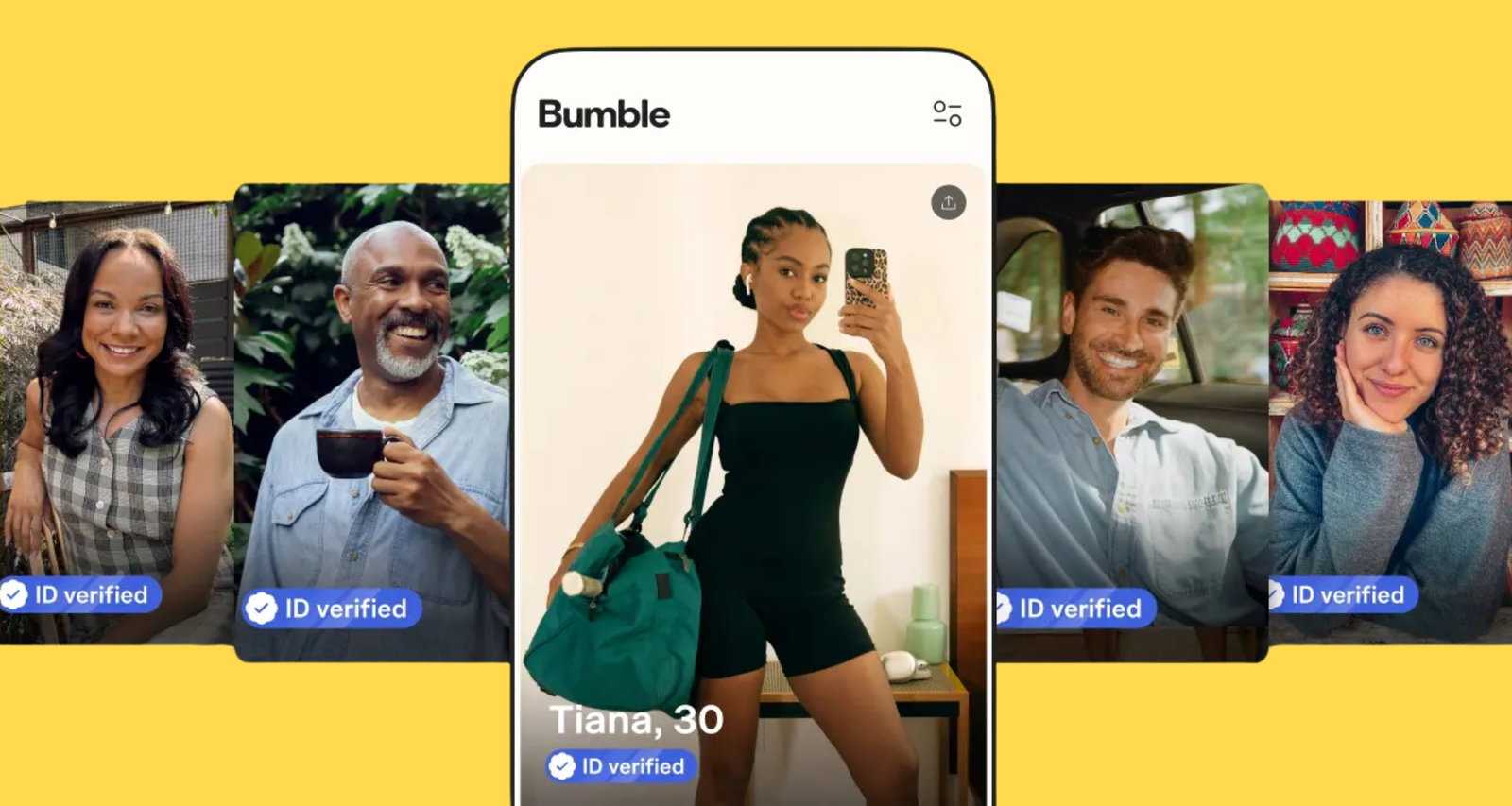
Bumble's Declining Paying Users And Revenue Put Its Dating App Business Under Pressure
Bumble's financial performance helps explain the timing of the buyout.
The company reported second-quarter 2026 revenue of $211 million, down 15.2% year over year. Its paying-user base also declined 16.4%, leaving approximately 3.2 million subscribers.
By October 12, Bumble's market capitalization had fallen to approximately $582 million, a remarkable decline from its $14 billion valuation when it went public in 2021.
The challenges aren't limited to Bumble.
Match Group, which owns Tinder and Hinge, is also navigating declining engagement as younger users increasingly question the value of endless swiping. However, Hinge has performed comparatively better by appealing to people seeking more intentional, relationship-focused connections.
Bumble Turns To AI Matchmaking And Offline Dating To Revive Growth
Bumble has already tried several approaches to reverse its declining engagement, including pricing adjustments, longer reply windows, and changes to its signature women-first messaging approach.
Whitney Wolfe Herd, who returned as CEO in March 2025, has also pushed toward AI-powered matchmaking and more meaningful connections beyond traditional dating profiles.
The company's strategy includes experimenting with AI-based match recommendations and encouraging offline interactions, including through Plans, an app announced in July that focuses on bringing people together through real-world activities.
Bumble is also developing a new interaction experience that could eventually replace conventional swiping.
However, these initiatives have yet to reverse the company's declining paying-user numbers, leaving its next leadership team with a significant challenge.
Topics For More Insights
- Hinge Founder Raises $18 Million For Overtone, A Dating App Focused On Quality Over Swipes
- Tinder Trials Real-Time Dating, IRL Events & Virtual Speed Dating
- AI Companion Apps See 2x More Usage Than Dating Apps With 705M Hours Logged!
- Meta Brings WhatsApp Translations And Facebook Dating Swipe-Free Features
Ithaca's New Leadership Faces Bumble's Dating App Turnaround Challenge
Following the takeover, Ithaca Holdings co-founders Ravi Gupta and John Hegeman are expected to become Bumble's co-CEOs. Wolfe Herd intends to remain actively involved, working alongside the incoming leadership and Bumble's existing team.
Wolfe Herd said Ithaca "shares our vision, believes in our women-first mission, and is committed to investing in Bumble’s future."
Private ownership could give Bumble greater flexibility to experiment without the scrutiny of quarterly public-market results.
Still, with users moving away from conventional swipe-based dating, the biggest question is whether new ownership and AI-powered matchmaking can make Bumble appealing enough to revive paid subscriptions.

