
Australia is moving to strengthen its world-first under-16 social media restrictions, giving the eSafety Commissioner more power to demand evidence from tech platforms and doubling potential penalties for companies that fail to keep children off age-restricted services.
TL;DR
- Australia plans to double maximum penalties for breaches from A$49.5 million to A$99 million.
- The eSafety Commissioner will get stronger information-gathering powers, including from third-party age assurance and app-store providers.
- Facebook, Instagram, Snapchat, TikTok, and YouTube are already under investigation for potential non-compliance.
Australia’s under-16 social media ban is getting sharper teeth.
The Albanese Government has proposed new legislation that would expand the eSafety Commissioner’s power to investigate whether major social media platforms are doing enough to stop Australians under 16 from creating or holding accounts. The move follows months of concern that children are still finding ways onto platforms covered by the law.
The proposed changes would allow eSafety to compel social media companies to provide evidence of what they have done to prevent underage users from accessing their services. The regulator would also be able to demand information and documents from third parties, including age assurance providers and app-store operators, to test or validate claims made by platforms.
The government also plans to double the maximum penalty for systematic breaches of the social media minimum age law from A$49.5 million to A$99 million. It said the higher penalty would bring the regime closer to penalties available under Australia’s competition and consumer law framework.
The under-16 restrictions came into effect on December 10, 2025, making Australia one of the most closely watched markets for child online safety regulation. eSafety says age-restricted platforms are not allowed to let Australians under 16 create or hold accounts, while young people and parents do not face penalties if an under-16 user is found on a platform.
Topics For More Insights
According to the government, more than 5 million under-16 accounts have been removed, deactivated, or restricted since the ban began. However, officials say enforcement needs to go further, especially as eSafety is actively investigating potential non-compliance across Facebook, Instagram, Snapchat, TikTok, and YouTube.
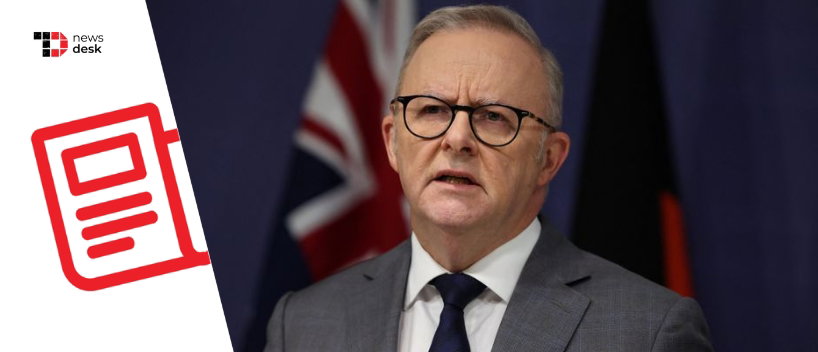
“Australia is leading the world in our efforts to keep kids and young people safe online,” said Prime Minister Anthony Albanese. “I’m heartened by the shift in conversation and the global momentum we’ve seen since introducing the social media minimum age, but it’s clear big tech are not doing enough to comply with the law, there are still too many children on social media.”
Minister for Communications Anika Wells said she was not satisfied with the platforms’ response six months into the regime.
“Based on the regular updates I receive from the eSafety Commissioner, it is clear to me that social media platforms are adopting tricks straight out of the big tech playbook and doing the bare minimum to get by,” Wells said.
In a separate doorstop interview, Wells said the government would seek parliamentary support for the next tranche of changes and described the new approach as a “two-pronged” response, combining higher fines with stronger enforcement powers.
The government is also framing the issue as part of a broader cultural shift. Wells compared the adjustment period to earlier public safety reforms and said the first years of the policy could look “untidy” as children who already had accounts are moved off platforms.
The changes still need parliamentary approval before becoming law. If passed, they could make Australia’s online safety regime a tougher test case for global regulators, especially as other countries consider similar restrictions on children’s access to social media.
