

Audio and Visual Technology
Amazon Adds AI Recaps As WhatsApp Tests Multi-Account And Spotify Buys WhoSampled
Updated on Fri, Nov 21, 2025
Share
Amazon, WhatsApp, and Spotify each announced product updates that highlight how major consumer platforms are expanding their use of AI, improving user convenience, and deepening content discovery.
While the updates serve different purposes, they all signal how entertainment and communication apps are moving toward more integrated, AI-assisted experiences.
Here are the key developments.
Amazon Prime Video Introduces AI-Generated Video Recaps For Select Shows
Amazon’s Prime Video is rolling out a new feature called AI-generated Video Recaps, designed to help viewers quickly catch up on previous seasons before starting a new one.
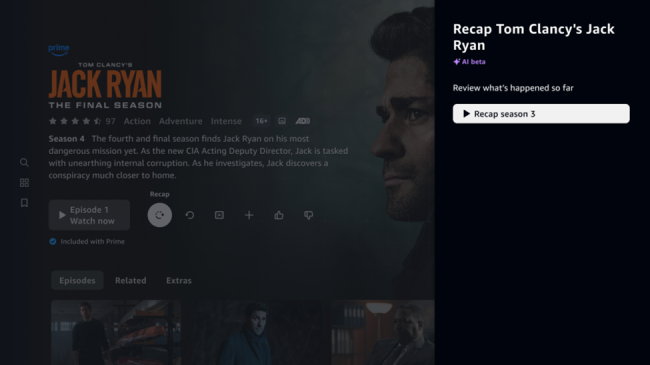
The update begins rolling out in beta this week for select Prime Originals, including Fallout, Tom Clancy’s Jack Ryan, and Upload.
According to Amazon, the feature uses generative AI to produce “theatrical-quality” recaps, includes synchronized narration, dialogue, and music, and summarizes full seasons in a short, easy-to-watch format.
Prime Video previously experimented with AI-powered summaries, but this marks a shift from text to full video generation.
Last year, the streaming service launched X-Ray Recaps, which focused on text-based episode summaries. These were built with guardrails to avoid spoilers. The new video recaps take that concept further, using a generative model that assembles footage, narration, and soundtrack cues automatically.
This shift also brings Prime Video closer to what competitors are doing. YouTube TV uses AI in its Key Plays feature to highlight major sports moments during a live game, a tool that helped it earn its first Technical Emmy Award.
Meanwhile, Netflix has experimented with generative AI on the production side. It used AI to generate a building-collapse scene in The Eternaut and applied AI-assisted de-aging effects in Happy Gilmore 2. Other shows have used AI for early-stage visual development.
These tools have sparked debate across the entertainment industry as artists and production teams question how AI models are trained and where automation may replace human roles. Others argue that AI may relieve teams of repetitive or time-consuming tasks and support larger creative output.
At the same time, outside the entertainment world, another widely used app is testing a change that users have been asking for over a decade.
WhatsApp Tests Support For Using Two Accounts On The Same Device
WhatsApp is testing a long-requested feature: the ability to use two accounts within the same app. The capability has appeared in the latest TestFlight beta for iOS.
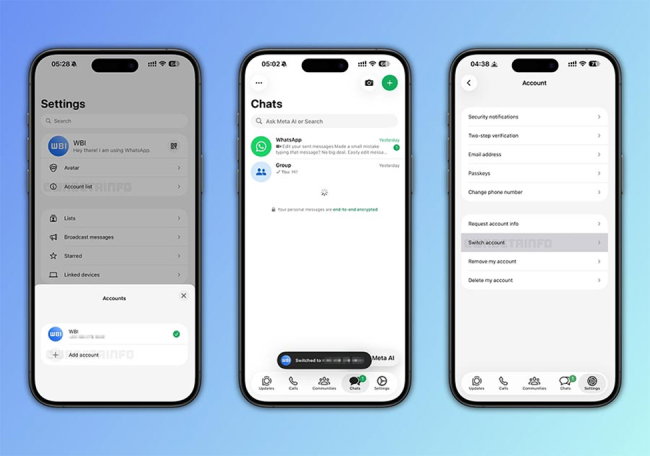
Early testers will see a new “Account List” option in the settings menu or a shortcut next to the QR code icon. Users can add a second account directly inside WhatsApp, switch between accounts without logging out, and use two profiles, typically personal and business, on one installation.
If rolled out widely, the update would streamline communication for users who currently rely on separate phones or WhatsApp Business.
Previously, WhatsApp only allowed one account per device, unless users installed the standalone WhatsApp Business app. The new system removes the need for workarounds and aligns WhatsApp with messaging apps that already support multi-account switching.
However, WhatsApp’s beta features do not always reach the public version. This one has been requested for years, so expectations are high, but Meta has not confirmed a release timeline.
Meanwhile, on the audio side of the industry, Spotify announced a move aimed at expanding how listeners explore the music behind their favorite tracks.
Spotify Acquires WhoSampled To Expand Music Metadata And Discovery Tools
Spotify has acquired WhoSampled, a community-run database known for cataloging samples, remixes, covers, and song relationships. The acquisition includes both the team and the full dataset, though financial terms were not disclosed.
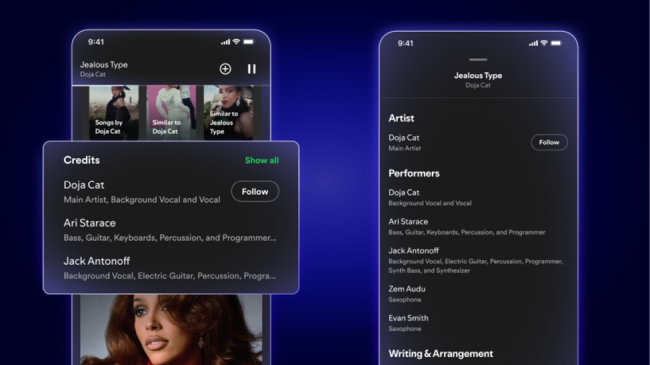
WhoSampled, founded in 2008, has built a database of over 1.2 million songs with nearly 622,000 samples and tens of thousands of covers and remixes.
Spotify said the data will support its new SongDNA feature, designed to give listeners deeper context behind the music they stream.
While WhoSampled will join Spotify’s ecosystem, the platform says it will remain available as a standalone service.
In its announcement, the WhoSampled team wrote: “Through our recent discussions with Spotify, it became clear that we share a strong belief in the power of musical context… Spotify has shown a genuine commitment to our mission.”
The acquisition offers several updates for WhoSampled users with faster moderation for new submissions, removal of display ads, free mobile app availability, and continued operation of the WhoSampled website.
Spotify and WhoSampled had previously collaborated in 2016 that allowed users to explore their Spotify playlists inside the WhoSampled app. The new acquisition deepens the relationship and gives Spotify more control over one of the internet’s largest repositories of music-sample data.
So, what do you think?
Do AI-driven video recaps, multi-account messaging, and deeper music metadata improve the overall user experience?
Do you think these changes could raise new questions about how much automation should shape entertainment and communication?
Share your thoughts in the comments below!
First published on Fri, Nov 21, 2025

Enjoyed what you've read so far? Great news - there's more to explore!
Stay up to date with the latest news, a vast collection of tech articles including introductory guides, product reviews, trends and more, thought-provoking interviews, hottest AI blogs and entertaining tech memes.
Plus, get access to branded insights such as informative white papers, intriguing case studies, in-depth reports, enlightening videos and exciting events and webinars from industry-leading global brands.
Dive into TechDogs' treasure trove today and Know Your World of technology!
Disclaimer - Reference to any specific product, software or entity does not constitute an endorsement or recommendation by TechDogs nor should any data or content published be relied upon. The views expressed by TechDogs' members and guests are their own and their appearance on our site does not imply an endorsement of them or any entity they represent. Views and opinions expressed by TechDogs' Authors are those of the Authors and do not necessarily reflect the view of TechDogs or any of its officials. While we aim to provide valuable and helpful information, some content on TechDogs' site may not have been thoroughly reviewed for every detail or aspect. We encourage users to verify any information independently where necessary.
Loading comments...