Marketing Solutions
How To Blend Performance Marketing With Brand Building
Share
Overview
Do you remember the first time you tasted Coca-Cola? Whether it was during a school break or at a roadside motel, chances are the moment stuck with you—not because of the fizz, but because of the feeling.
You see, that’s the power of a brand. It lingers long after the last sip. That's precisely what Coca-Cola does: crafting a memorable brand campaign for its audience.
Coca-Cola's 2011 “Share a Coke” campaign replaced its logo with people's first names and invited them to find or gift bottles to friends, family, and even strangers. This made their brand feel more personal and, more importantly, this campaign reignited love for the beverage across generations!

Now, here’s what happened at the backend: this campaign wasn’t just about emotions. It was fueled by data-driven targeting, social media activation, and in-store performance strategies that boosted sales after years of stagnation. Coca-Cola didn’t choose between brand building and performance marketing—they blended both!
In today’s hyper-competitive digital marketing world, your competitors are running campaigns that aim for audeience appeal, while others are optimizing campaigns for ROI. However, the real winners are building emotional relevance and driving measurable results.
In this article we discuss all you need to know about how to combine these two powerful approaches to create marketing campaigns that deliver both short-term results and long-term brand loyalty.
Although, what does performance marketing and brand building mean? Let's start by understadning these terms!
What Is Performance Marketing And Brand Building?
Performance Marketing
Performance marketing is a digital marketing approach where businesses pay marketing companies or platforms only when specific, measurable actions are achieved, such as clicks, leads, or sales. The goal is to directly connect marketing efforts to real results and track return on investment (ROI).
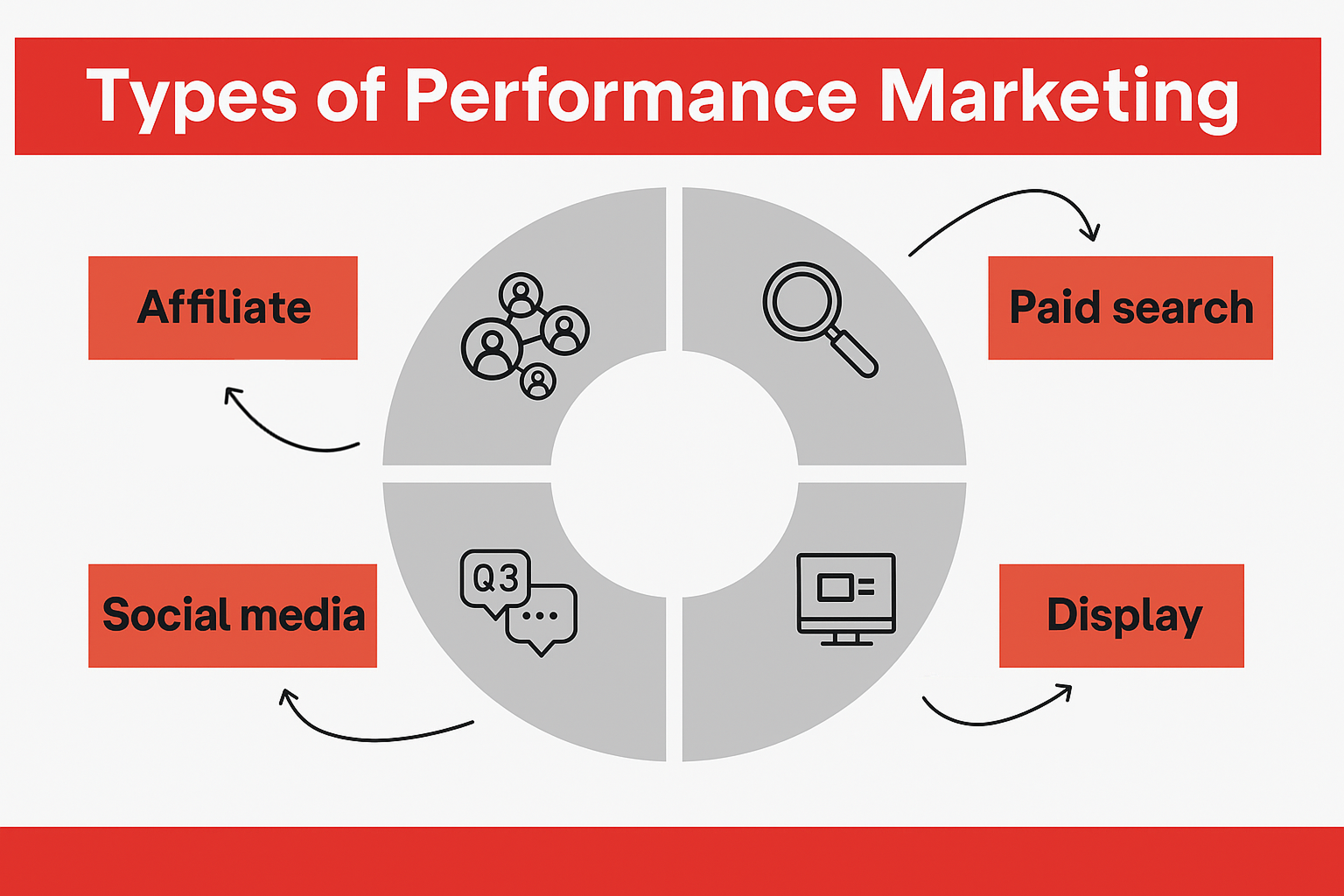
The channels include paid search ads, social media campaigns, and even affiliate marketing. Performance marketing makes campaign metrics quite measurable, making performance marketing strategies more effective at the conversion stage of the marketing funnel.
Brand Building
Brand building means consistently marketing a business to build and improve its reputation, reach and presence in the market. The process helps make emotional connections and leaves a lasting impact.
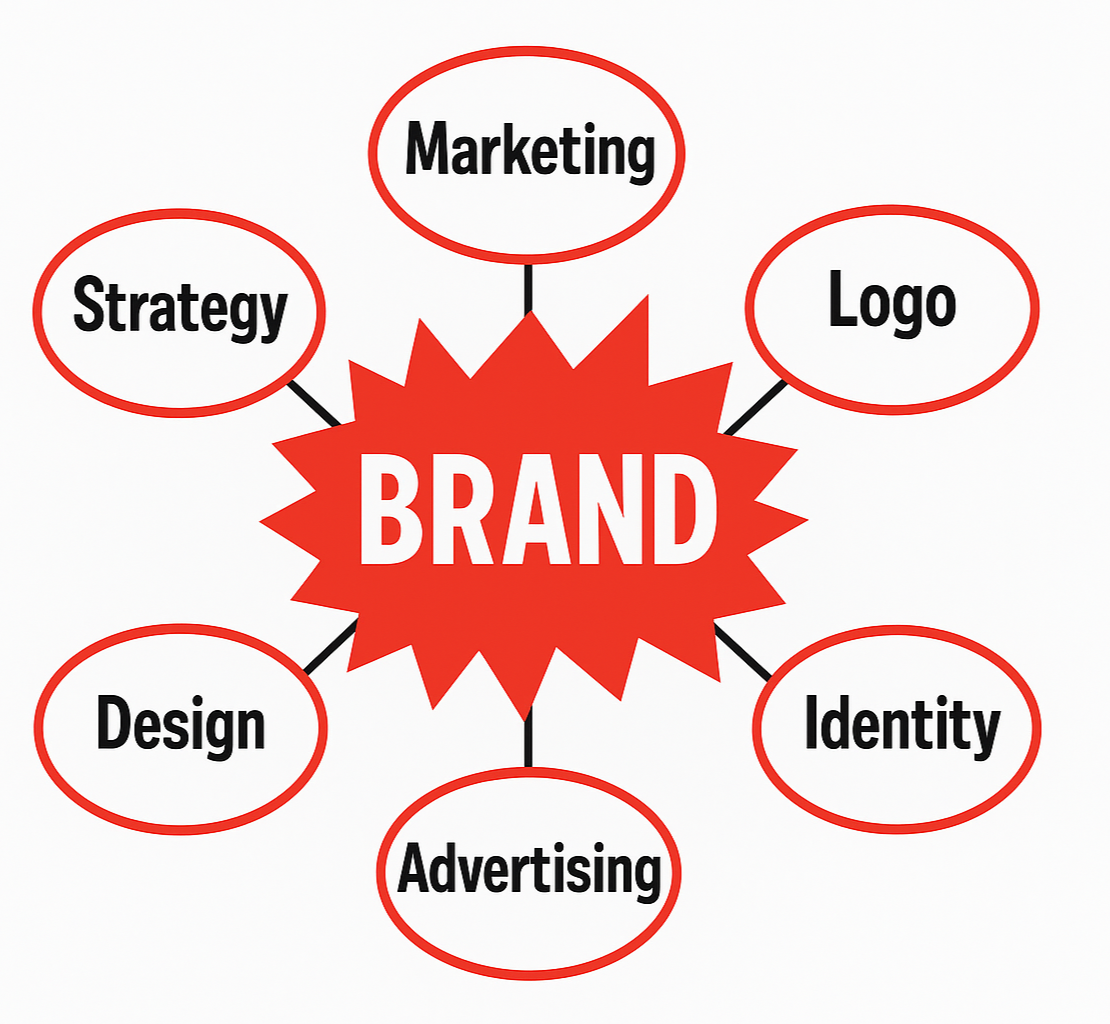
It's a long-term plan that depends on the company being able to predict the needs of its core audience and using uniform language and tone. This approach is at the very top of the conversion funnel because it's mostly about generating "awareness."
Performance marketing gives you short-term wins, and building a brand builds long-term trust. Yet, if you only do one or the other, your growth will likely be uneven. In a market with loads of competition and dwindling attention, combining the two is critical!
So, let's look at why putting the two together makes the marketing engine stronger.
Why Integrate Performance Marketing With Brand Building?
So, why should anyone bother mixing performance marketing with brand building?
Well, it's like asking why peanut butter and jelly go well together—they seem to go against each other individually, but somehow together, they create something awesome.
Here's what we mean:
-
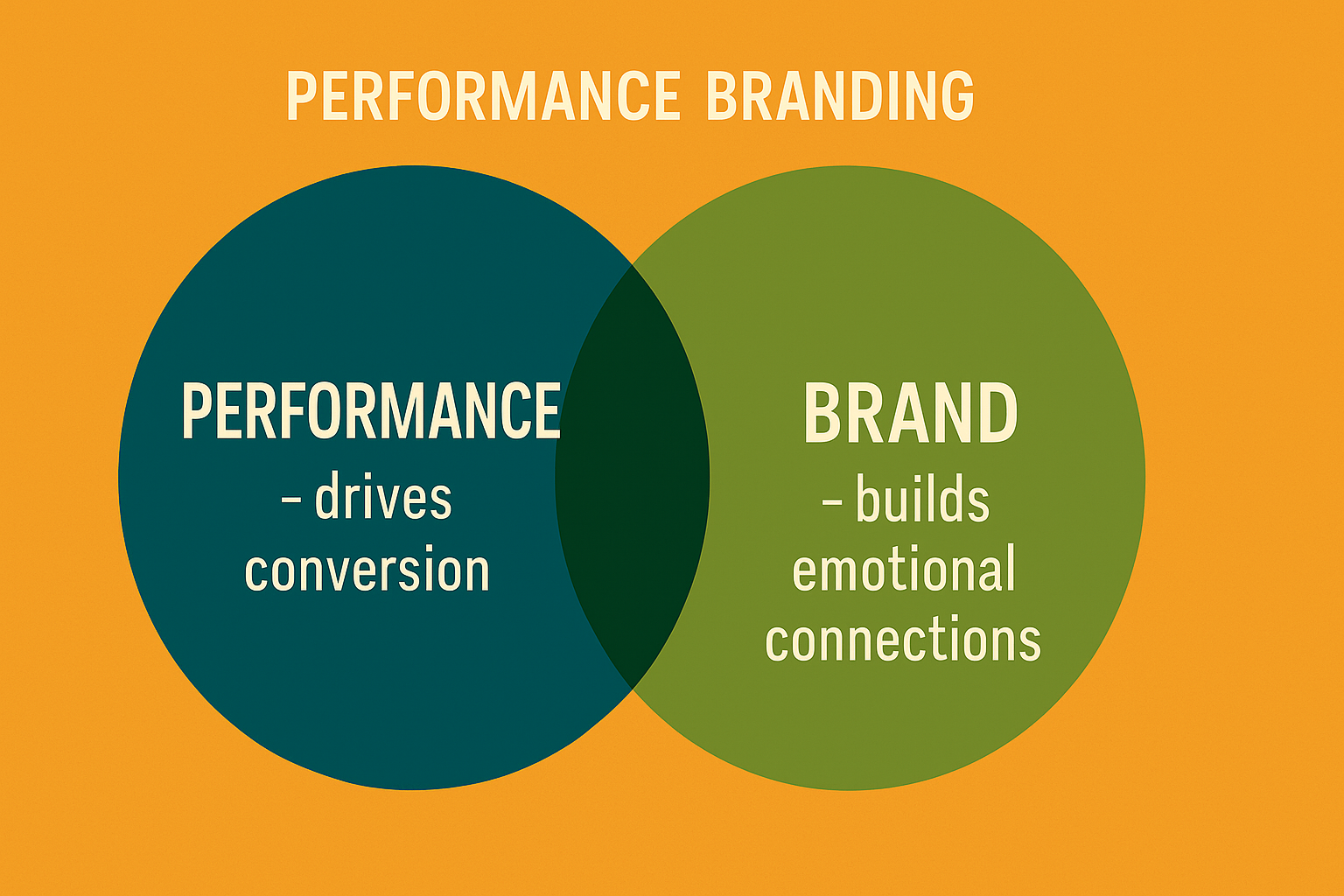
Performance marketing is the gas pedal, getting quick wins.
-
Brand building is the navigation system, guiding you toward lasting success.
So, when they work together, it's like having a GPS that also gives you a speed boost. Not only are you moving quickly, you're also going in the right way. This combination works well together, giving you quick benefits and long-lasting brand loyalty.
This combined process also enhances the customer journey, with performance marketing getting people to your website (the first stop) while brand building makes them want to stay, explore, and eventually move in (become loyal customers).
Studies show that brands that integrate performance and marketing see a better return. According to a report by The Multiplier Effect, companies that integrate brand building with performance marketing see an average ROI lift of up to 90%, compared to performance-only strategies. Not only that, they see higher customer retention rates, too!
It's not just a fad to combine performance and brand marketing. It's about coming up with a plan that brings in short-term profits and builds brand value over time to ensure your marketing works better, not just faster.
How, then, do you make this happen? Let's look at some ways to combine these two forces!
Strategies For Blending Performance And Brand Marketing
Alright, so how do you mix performance and brand marketing? Let's break down some strategies:
1. Stick To Unified Messaging
Think of your brand as a person. Would that person say one thing on their dating profile and another on their first date? Probably not. So, they have to be consistent. Make sure that your messages are the same everywhere. This helps people remember your company and keeps them from getting confused.
2. Have A Content Marketing Strategy
Strategic content marketing is your secret weapon. Develop content that does double duty. It should tell your brand's story while also driving performance goals. Think blog posts that are both informative and optimized for search, or social media campaigns that are engaging and include a clear call to action.
3. Showcase Your Creativity, But Make It Data-Driven
Don't just throw spaghetti at the wall and see what sticks. Use data to inform your creative strategies and analytics to learn what resonates with your target audience, so you can create campaigns that are both creative and effective. McKinsey's 2025 research reveals that companies combining data and creativity achieve 10% annual revenue growth, twice the 5% growth by other companies. So, are you using data to its full potential?
4. Develop Your Cross-Functional Teams
Get your branding and performance marketing teams talking to each other! To make efforts more cohesive, get people to work together, with the combined group crafting campaigns that are both successful and on-brand. Like putting together the Avengers, each one brings their special skills to the team, making a marketing force with superpowers.
Now, let's talk about money: specifically how to divide your cash between brand and performance marketing. Dive in!
Budget Allocation For Branding And Performance Marketing
So, are you trying to figure out how to split your marketing budget and see if it's working? Let's break it down now.
1. Implement An Optimal Investment Mix
So, how much should you spend on brand building versus performance marketing? It's an age-old question!
Some marketers swear by the 60/40 rule (60% brand, 40% performance), while others flip it. In the end, it depends on what you're trying to achieve. A brand-new business trying to get its name out there won't follow the same playbook as an established player looking to solidify its position, right?
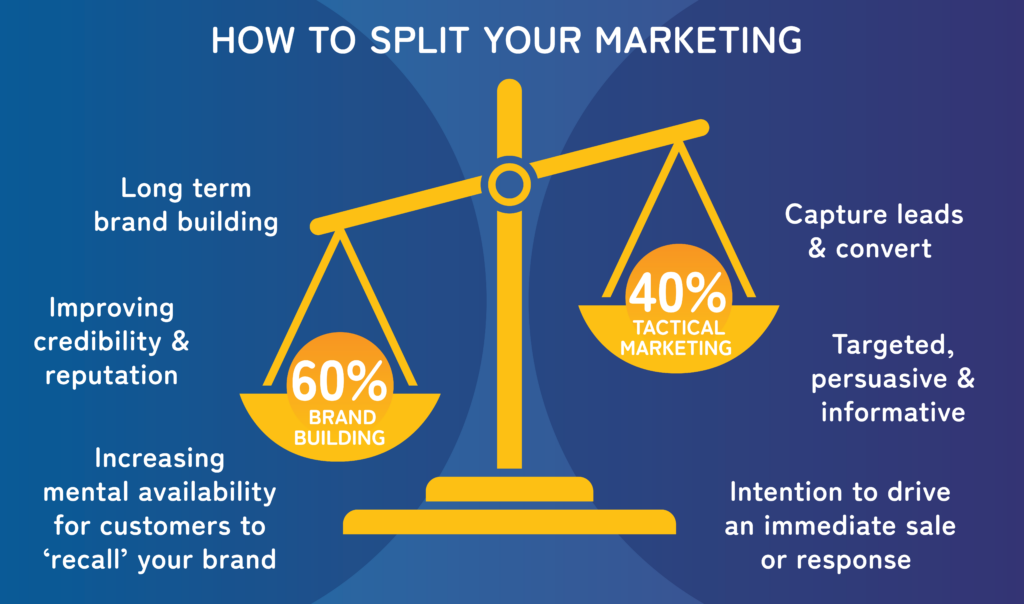
If you're just starting, you might lean towrdss performance marketing to get quick wins, but as you grow, you'll want to shift more towards brand building to create lasting loyalty. Ultimately, it's all about finding the right balance!
2. Analyze Key Metrics
Okay, so you've got your budget split. Now, how do you know if it's actually working? Well, you need to track the right metrics, and here's how:
-
Brand Metrics: Fuzzy, feel-good metrics that tell you how people perceive your brand, including:
-
Awareness: Are people actually finding out about you?
-
Sentiment: What are people saying? Are they happy or grumpy?
-
Loyalty: Are people sticking around? Or are they jumping ship to your competitors?
-
-
Performance Metrics: These are hard numbers that show you how well your campaigns are performing, including:
-
CTR (Click-Through Rate): Are people clicking on your ads?
-
Conversion Rates: Are those clicks turning into sales?
-
CPA (Cost Per Acquisition): How much are you paying to get each new customer?
-
Fun Fact: HubSpot's 2024 State of Marketing Report shows that 41% of marketers measure the success of their content marketing strategies through sales. Additionally, web traffic is among the top two most common measurements of success for content marketing strategies.
3. Leverage Attribution Models
This is where things get a little tricky. How do you give credit where credit is due? Did that sale happen because of your awesome digital advertising campaign, or because of that clever brand-building video released last month?
Attribution models help you figure this out, but be warned, there are various models out there. The key is to find one that gives credit to both your brand-building efforts and your performance tactics. Don't just focus on clicks but consider the customer journey.
It's like figuring out who deserves the assist in a basketball game. Was it the guy who made the final pass, or the guy who made the incredible steal that started the whole play?
So, you've got your budget, metrics, and attribution model. Now what? Well, it's time to start testing, tweaking, and optimizing. Marketing isn't a set-it-and-forget-it activity, but a constant process of learning and adapting!
After all, even the best-laid plans sometimes need a little course correction, right?
Real-World Examples Of Blending Performance And Brand Marketing
Blending performance and brand marketing is a game-changer. Brands that understand this see real results but how does it happen? Here are a few quick case study overviews.
Case Study 1: Airbnb
In 2020, Airbnb reduced its performance marketing spend by $541 million compared to 2019, shifting focus towards brand storytelling and organic strategies. This strategic pivot was prompted by the realization that 95% of their online traffic remained consistent with the previous year. CEO Brian Chesky called this as “a big lesson” and a defining moment for Airbnb’s new marketing strategy.
Key Outcomes:

-
Over 90% of Q4 2020 traffic was direct or unpaid.
-
Enhanced control over brand narrative and perception.
-
Sustained direct bookings and increased brand equity
One big lesson from Airbnb's caase? Don’t silo your marketing efforts. When they cut performance marketing spend by half, they didn’t see a drop in traffic, because their brand was strong enough to sustain interest.
CEO Brian Chesky later said that relying heavily on paid acquisition had become a “drug” and that investing in brand storytelling helped them build a more resilient, organic growth engine. Performance marketing, on its own, had diminishing returns but paired with brand love it became far more effective and less expensive over time.
Case Study 2: NordVPN
NordVPN expanded its marketing strategy by incorporating YouTube ads, traditionally considered brand-focused, into their search-centric approach. In a 30-day campaign, they achieved over 13,000 conversions, with the cost per acquisition (CPA) being 5–7 times lower than their target CPA for search and display campaigns.
Key Outcomes:
-
Significant lift in ad recall, consideration, and brand awareness.
-
Boosted branded search traffic.
-
Integration of video advertising into their core marketing strategy.
One big lesson from NordVPN was that brand channels can supercharge marketing performance.YouTube—a brand-focused platform—combined with its search-heavy strategy boosted awareness, driving 13,000 conversions in 30 days at a significantly lower CPA.
The takeaway? Brand media doesn’t just create buzz—it creates momentum. When brand and performance work together, you don’t just get attention, you get action.
Integrating performance and brand marketing isn't about choosing one over the other. It's about creating a strategy where the two work together to amplify each other's strengths. Think consistent messaging, audience understanding, and adaptability!
So, are you ready to blend your marketing efforts and see what happens? It might just be the best thing you do for your brand.
Wrapping It Up!
Well, mixing performance marketing with brand building is essential in the modern marketing landscape. Like a great sandwich needs the right balance of ingredients—too much mayo, and you’re drowning while too little and it’s dry as a bone—so does marketing.
Putting the two strategies together makes a great marketing mix that will not only boost sales today but also help people remember your brand tomorrow. Whether you're a new company trying to make a name for yourself or an old brand trying to keep old audiences interested, remember that the key is to find the right balance between short-term gains and long-term loyalty.
Frequently Asked Questions
What Is Brand Performance Marketing?
Brand performance marketing combines brand-building efforts with performance-driven tactics, aiming to create emotional brand equity while driving measurable actions like clicks or sales. This integrated approach ensures both long-term loyalty and immediate results.
What Is Brand Building In Marketing?
Brand building is the strategic process of establishing and enhancing a company's image and reputation through consistent messaging and marketing efforts. It focuses on creating emotional connections and lasting impressions to foster trust and loyalty among consumers.
What Is A Performance Marketing Strategy?
A performance marketing strategy is a results-driven approach where businesses pay for specific actions, such as clicks, leads, or sales. It involves real-time tracking and optimization across channels like paid search, social media ads, and affiliate marketing.
Tue, May 6, 2025

Enjoyed what you read? Great news – there’s a lot more to explore!
Dive into our content repository of the latest tech news, a diverse range of articles spanning introductory guides, product reviews, trends and more, along with engaging interviews, up-to-date AI blogs and hilarious tech memes!
Also explore our collection of branded insights via informative white papers, enlightening case studies, in-depth reports, educational videos and exciting events and webinars from leading global brands.
Head to the TechDogs homepage to Know Your World of technology today!
Disclaimer - Reference to any specific product, software or entity does not constitute an endorsement or recommendation by TechDogs nor should any data or content published be relied upon. The views expressed by TechDogs' members and guests are their own and their appearance on our site does not imply an endorsement of them or any entity they represent. Views and opinions expressed by TechDogs' Authors are those of the Authors and do not necessarily reflect the view of TechDogs or any of its officials. While we aim to provide valuable and helpful information, some content on TechDogs' site may not have been thoroughly reviewed for every detail or aspect. We encourage users to verify any information independently where necessary.
AI-Crafted, Human-Reviewed and Refined - The content above has been automatically generated by an AI language model and is intended for informational purposes only. While in-house experts research, fact-check, edit and proofread every piece, the accuracy, completeness, and timeliness of the information or inclusion of the latest developments or expert opinions isn't guaranteed. We recommend seeking qualified expertise or conducting further research to validate and supplement the information provided.
Loading comments...