
Artificial Intelligence
List Of Top Open-Source AI Agents
Share
TL;DR
-
Open-source AI agents have moved from experiments to real production tools in 2026.
-
The best agents are not just chatbots. They execute tasks, use tools, and integrate into workflows.
-
This list covers 10 open-source AI agents that stand out for coding, automation, research, and enterprise use.
-
Tools like Cline and Open Interpreter excel for developers, while GPT Researcher and Flowise simplify research and workflow design.
-
There is no single “best” agent. Your ideal choice depends on your use case, technical skill, and privacy needs.
Introduction
If Tony Stark were building a software team in 2026, he would be deploying AI agents.
Today, AI agents are no longer experimental tools confined to demos and side projects. They are actively writing code, running workflows, analyzing data, and supporting production systems across teams.
Search for the “best open-source AI agents,” and you will find dozens of tools that all claim autonomy, intelligence, and flexibility. In reality, most of them solve very different problems. A coding agent is not the same as a workflow orchestrator. A research agent does not behave like a self-hosted automation stack.
This is where most lists fall short. They group everything and leave you to figure out what actually fits your needs.
This guide takes a more practical approach.
Instead of listing tools based on hype, we focus on open-source AI agents that deliver real value in 2026. Whether that means helping developers ship faster, enabling teams to automate workflows, or giving organizations more control over their data and infrastructure.
If you are building, experimenting, or scaling with AI agents, this list will help you find the tools that are actually worth your time.
What Are AI Agents?
AI agents are systems designed to perform tasks autonomously by combining language models with tools, memory, and decision-making logic.
Unlike traditional chatbots that only respond to prompts, AI agents can take action. They can write and execute code, browse the web, analyze data, interact with APIs, and complete multi-step workflows with minimal human input.
At a high level, an AI agent works like this:
- It receives a goal (e.g., “analyze this dataset” or “refactor this codebase”)
-
It breaks that goal into smaller tasks
-
It uses tools or external systems to complete those tasks
-
It iterates until the objective is achieved
How AI Agents Are Different From Chatbots
The easiest way to understand AI agents is to compare them with standard AI assistants:
-
Chatbots: Answer questions and generate text
-
AI agents: Execute tasks and interact with systems
For example, a chatbot might explain how to fix a bug. An AI agent can find the bug, edit the code, and run the fix.
Core Capabilities Of AI Agents
Most modern AI agents in 2026 share a few defining capabilities:
-
Autonomy
They can plan and execute tasks without constant step-by-step instructions.
-
Tool Usage
They integrate with external tools like browsers, terminals, APIs, and databases to get real work done.
-
Memory & Context
They retain information across steps, allowing them to handle complex, multi-stage workflows.
These capabilities are what make AI agents useful beyond experimentation. Instead of just assisting with ideas, they help complete real work, which is why they are rapidly becoming part of modern development and operations workflows.
Now that we understand what AI agents are and how they differ from traditional AI tools, the next step is to look at how these capabilities show up in real-world tools.
Not all AI agents are built the same. Some are designed for developers working inside code editors, others focus on automating research or workflows, and a few are built for enterprise-scale deployment.
To make things practical, here are ten open-source AI agents that stand out in 2026 for actually getting work done.
Top 10 Open-Source AI Agents
The open-source ecosystem is crowded, but not every tool delivers real value beyond demos. Some are built for developers working directly in code editors, others focus on automating workflows, and a few are designed for research or enterprise-scale systems.
The list below highlights ten open-source AI agents that stand out in 2026 for practical use.
Cline
Cline is an open-source AI coding assistant that integrates directly into Visual Studio Code, enabling developers to execute complex tasks like multi-file edits and terminal commands from within their editor.
Unlike traditional code assistants, Cline focuses on execution, not just suggestions. It can modify files, run commands, and interact with your development environment while keeping you in control.
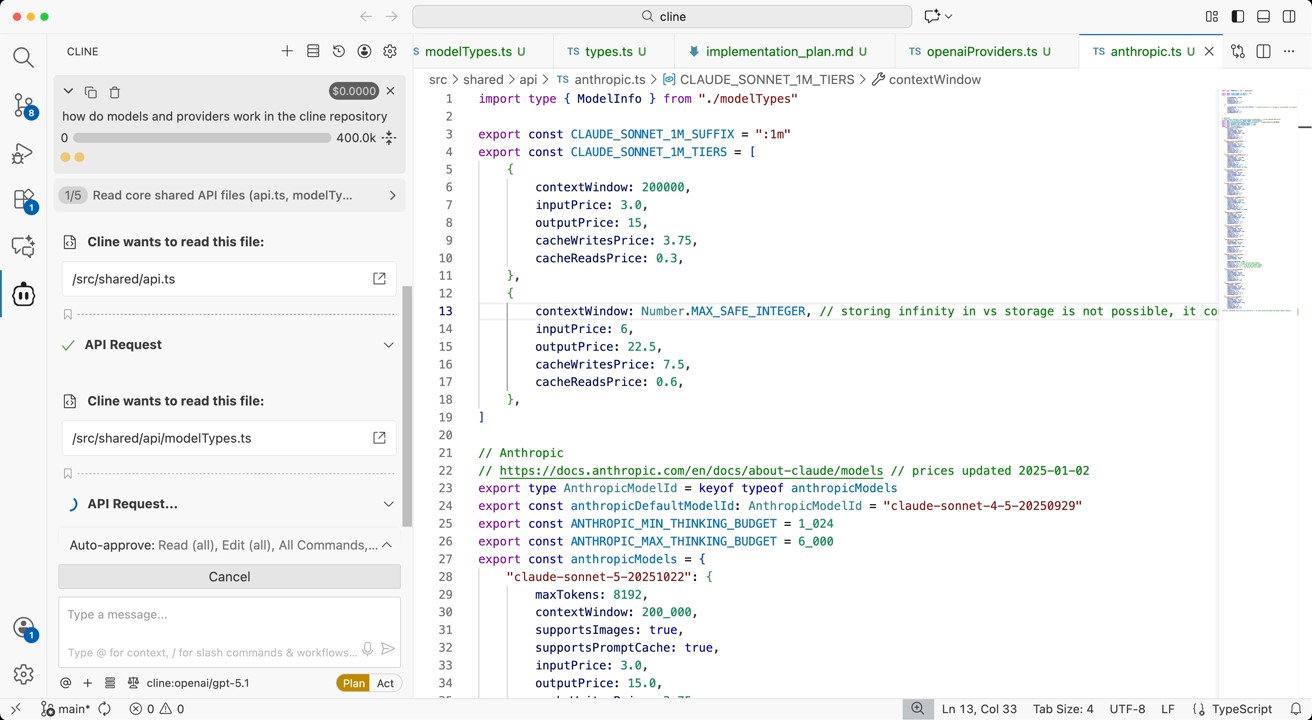
Best For: Developers who want a hands-on AI agent embedded in their coding workflow.
Key capabilities:
-
Deep VS Code integration for file edits and terminal commands
-
Human-in-the-loop control with approval before execution
-
Local-first support via Ollama for better privacy
Limitations: It is heavily tied to the VS Code ecosystem, which may limit flexibility for teams using other development environments.
Observe AI
Observe AI is a lightweight framework for building custom, event-driven AI agents that automate tasks based on system triggers like logs, errors, or file changes.
Its event-driven design makes it ideal for creating agents that respond to real-time system conditions, rather than relying on manual prompts.
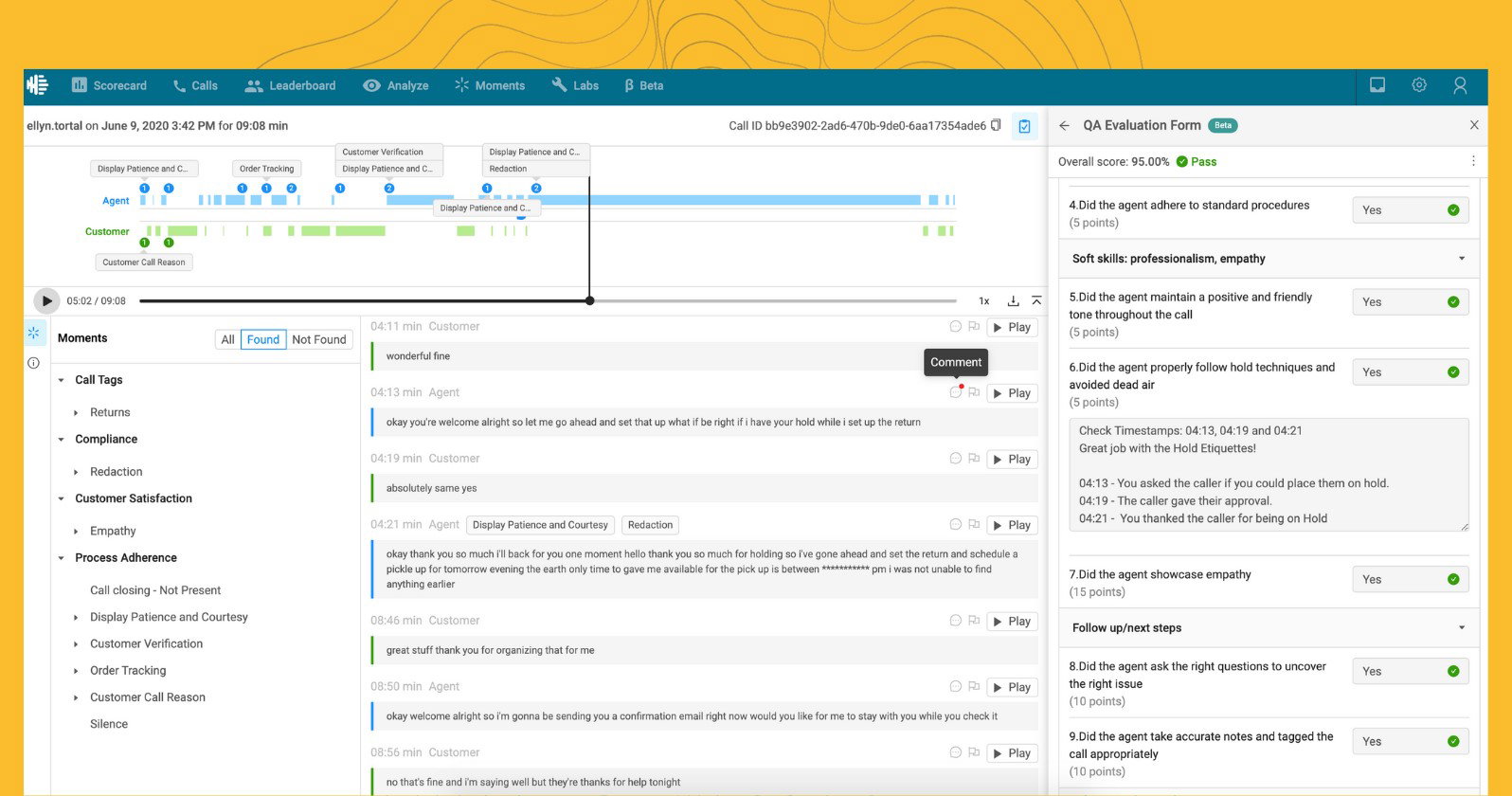
Best for: Developers and teams building custom automation workflows with fine control.
Key capabilities
-
Custom infrastructure for building tailored agents
-
Event-driven logic for automated responses
-
Model flexibility with support for local and cloud LLMs
Limitations: Requires more setup and technical understanding compared to plug-and-play tools.
AutoGPT
AutoGPT is one of the earliest autonomous AI agents, designed to break down high-level goals into smaller tasks and execute them independently.
It offers a broad set of capabilities, including web browsing, code execution, and data storage, making it a versatile tool for complex tasks.
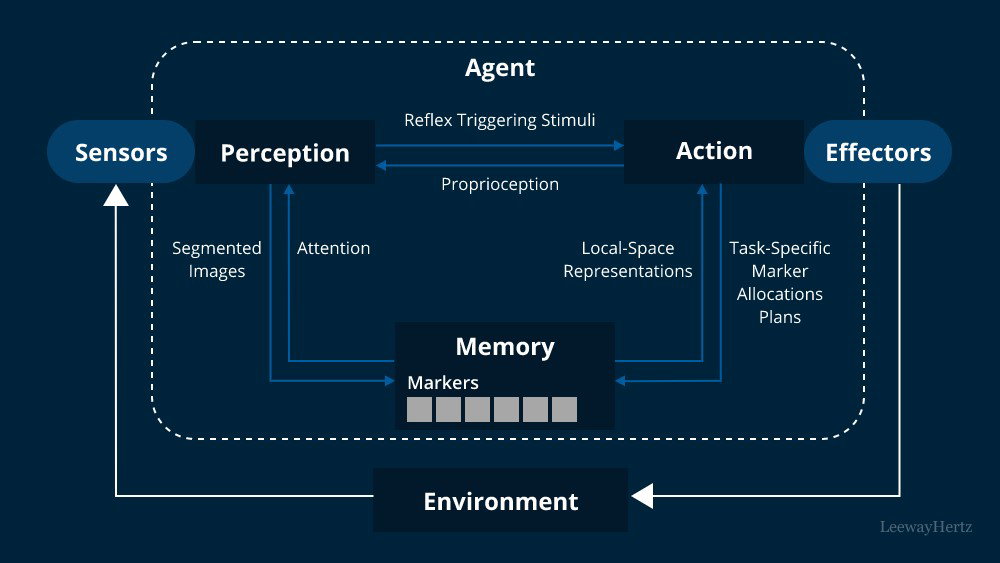
Best for: Users exploring fully autonomous workflows and experimental agent behavior.
Key capabilities
-
Autonomous goal breakdown and task execution
-
Access to web, files, and vector databases
-
Strong community and mature ecosystem
Limitations: Can fall into repetitive loops during complex tasks and may require monitoring.
BabyAGI
BabyAGI is a minimalist AI agent framework that demonstrates how autonomous task management works using a simple Python-based loop.
Its simplicity makes it easy to understand, modify, and use as a foundation for experimentation.
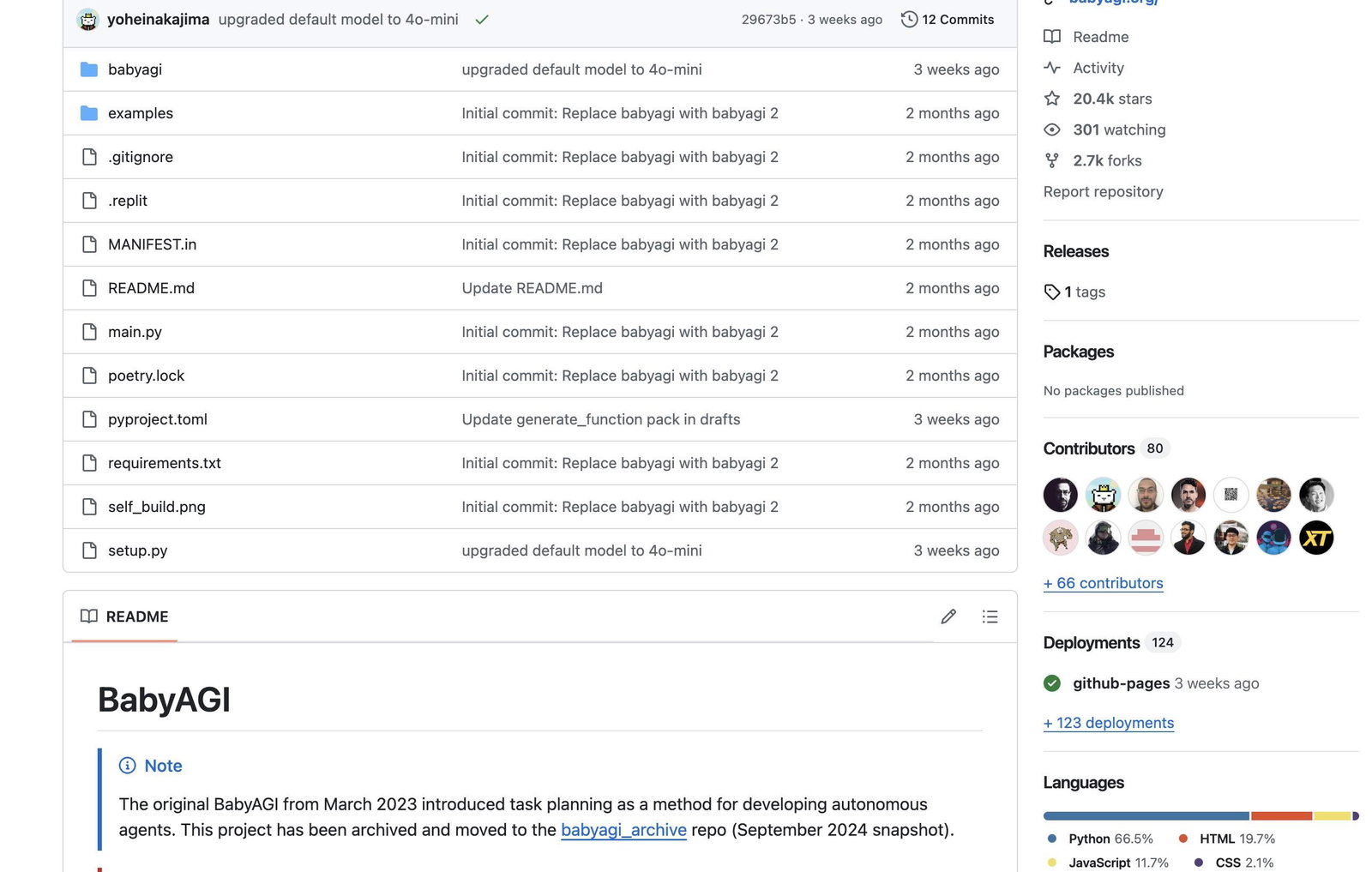
Best for: Developers learning how AI agents work or building lightweight custom agents.
Key capabilities
-
Minimal Python codebase for easy customization
-
Continuous task creation and prioritization loop
-
Ideal starting point for experimentation
Limitations: Lacks advanced memory and scalability features needed for production use.
GPT Researcher
GPT Researcher is a specialized AI agent designed to automate deep web research by gathering, analyzing, and synthesizing information from multiple sources.
It performs parallel searches and uses retrieval-augmented generation (RAG) to produce structured, high-quality reports much faster than manual research.
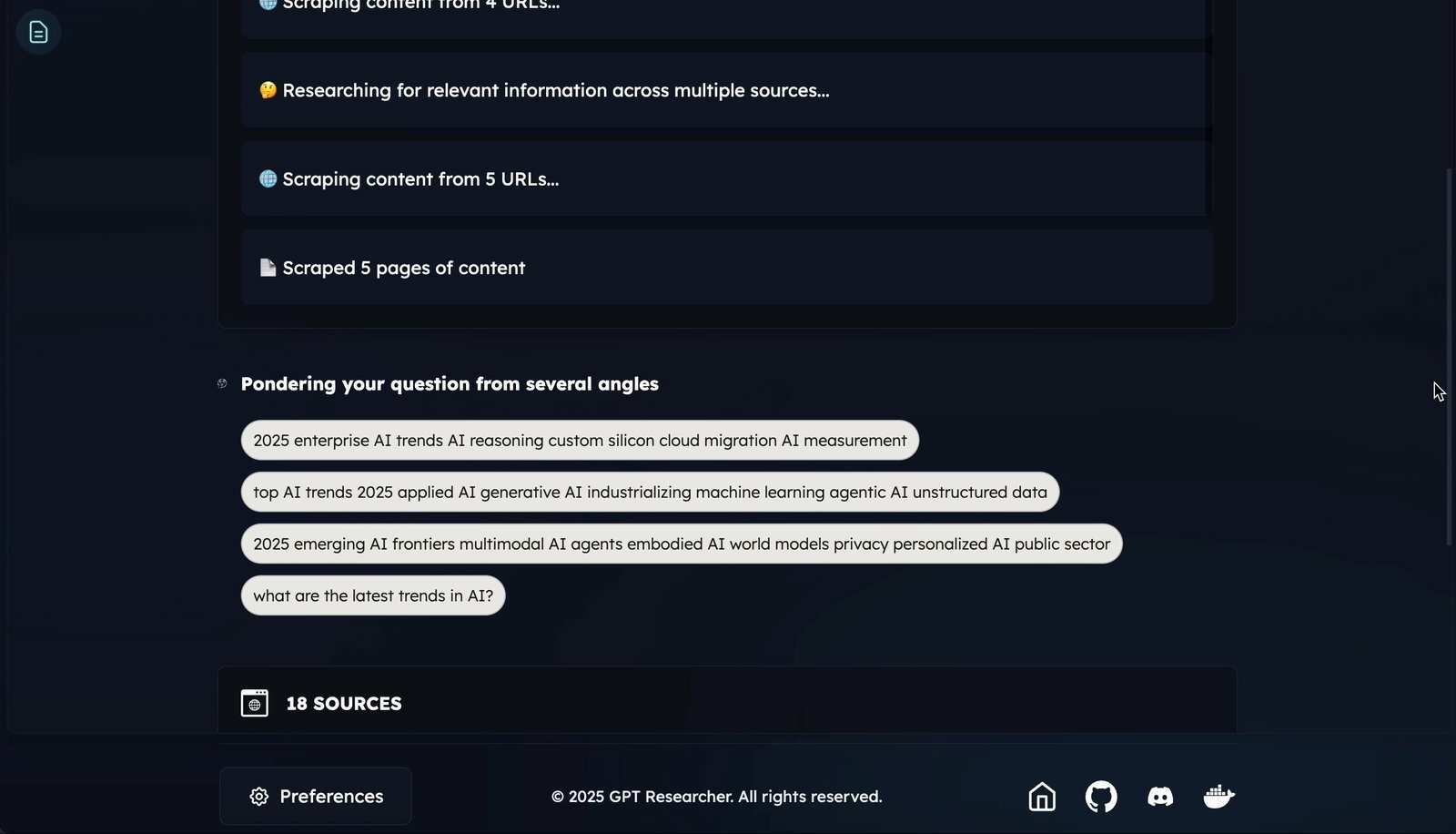
Best for: Analysts, researchers, and content teams handling large-scale information gathering.
Key capabilities
-
Automated multi-source web research
-
Structured output in Markdown or PDF formats
-
Faster insights through parallel processing
Limitations: Focused on research workflows, so it is not suitable for general-purpose automation or coding tasks.
Open Interpreter
Open Interpreter provides a natural language interface to your computer, allowing you to run code, analyze data, and automate tasks through simple commands.
It bridges the gap between human instructions and system execution, turning plain English into real actions on your machine.
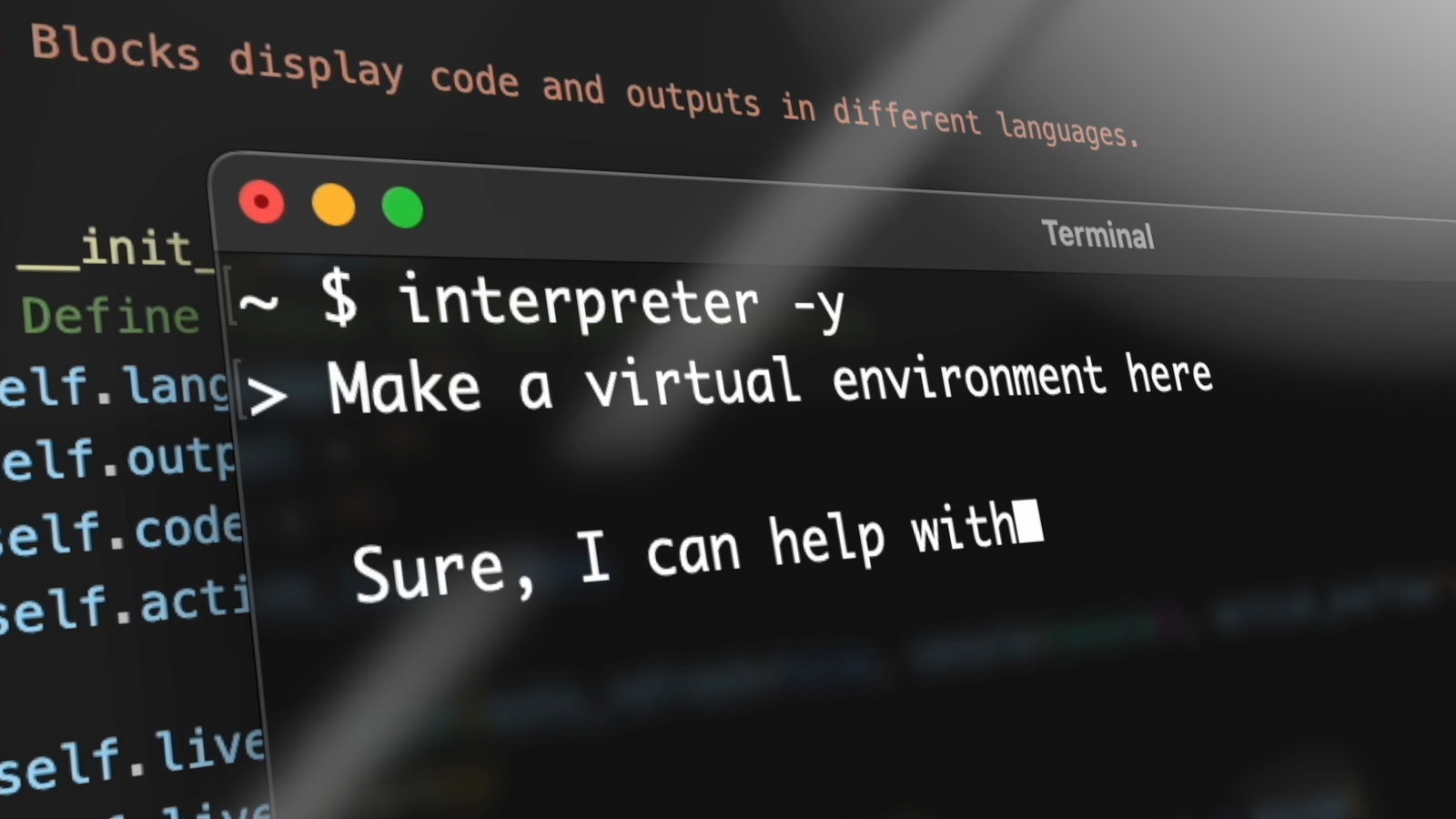
Best for: Users who want to control their system and workflows using natural language.
Key capabilities
-
Natural language control of system operations
-
Cross-platform support (macOS, Linux, Windows)
-
Interactive approval for secure execution
Limitations: Requires careful oversight, as executing system-level commands can introduce risks if not reviewed properly.
AGiXT
AGiXT is a plugin-based platform designed for building and deploying scalable AI agent systems with memory, workflows, and integrations.
It offers a structured framework with built-in memory, workflow chaining, and API integrations, making it suitable for long-term, scalable deployments.
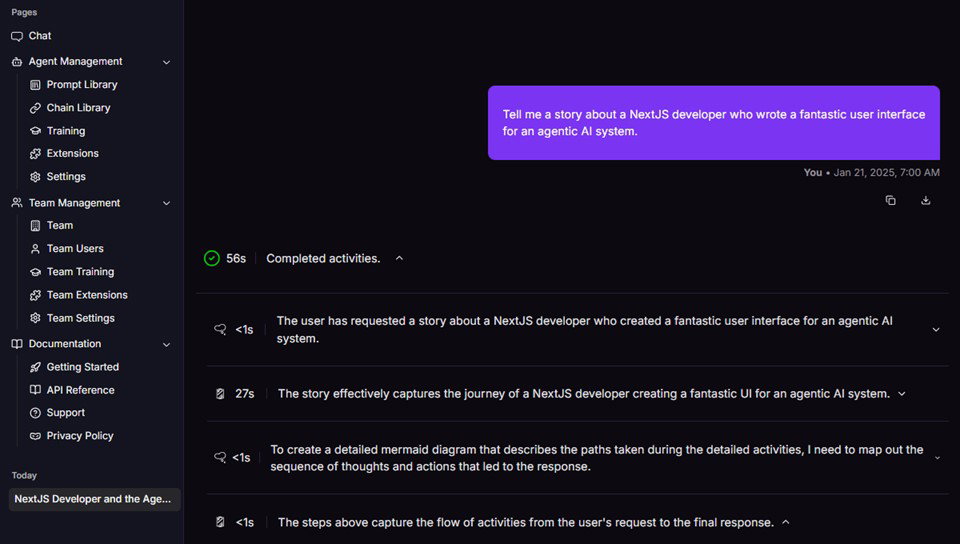
Best for: Teams building enterprise-grade or multi-agent systems.
Key capabilities:
-
Plugin-based architecture for extensibility
-
Workflow chaining and memory management
-
API integration with local and cloud models
Limitations: Heavier setup and complexity compared to lightweight or experimental tools.
Flowise
Flowise is a low-code platform that allows users to build AI agent workflows using a visual drag-and-drop interface.
Its visual interface simplifies the creation of complex pipelines, making AI agents more accessible across teams.
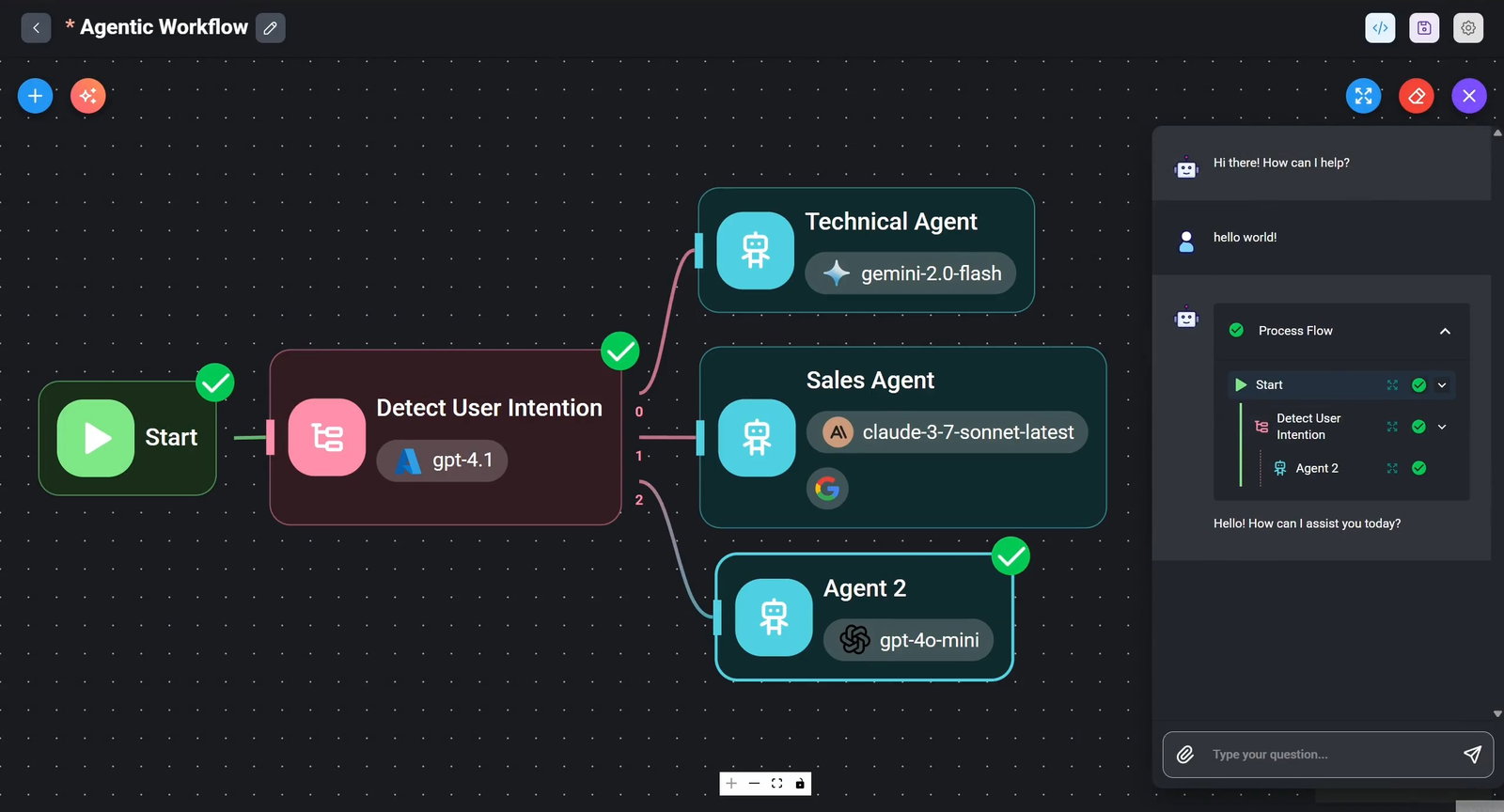
Best for: Non-technical users or teams building workflow automation without heavy coding.
Key capabilities:
-
Drag-and-drop workflow builder
-
Pre-built components powered by LangChain
-
Easy prototyping and deployment with Docker
Limitations: Less flexible for highly customized or deeply technical implementations.
LocalAI And LocalAGI
LocalAI and LocalAGI form a self-hosted stack that allows users to run AI agents entirely on local infrastructure without relying on external services.
It enables fully offline or restricted-environment AI workflows, which is critical for regulated industries.
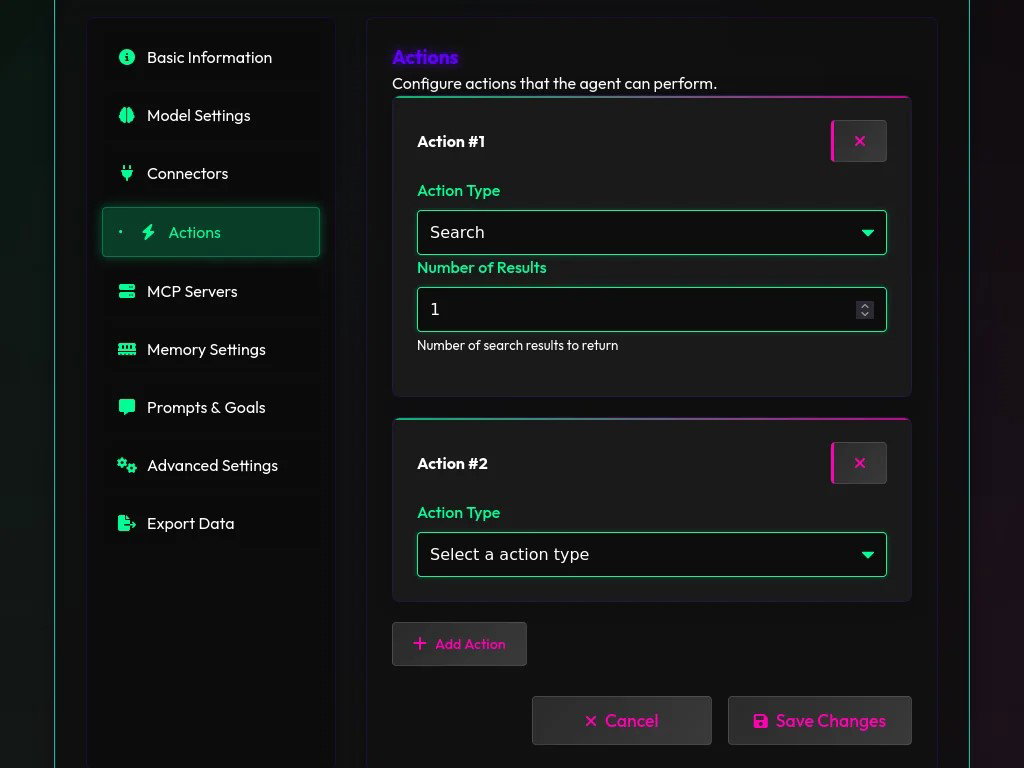
Best for: Organizations and individuals prioritizing data privacy and full control.
Key capabilities:
-
Fully self-hosted AI agent stack
-
OpenAI-compatible APIs for easy integration
-
Strong privacy and data control
Limitations: Requires technical setup and sufficient hardware to run effectively.
Semantic Kernel
Semantic Kernel is an open-source SDK from Microsoft that helps developers integrate AI capabilities into applications using structured planning, memory, and tool orchestration.
It provides a production-ready framework for embedding AI into applications without redesigning the entire system architecture.
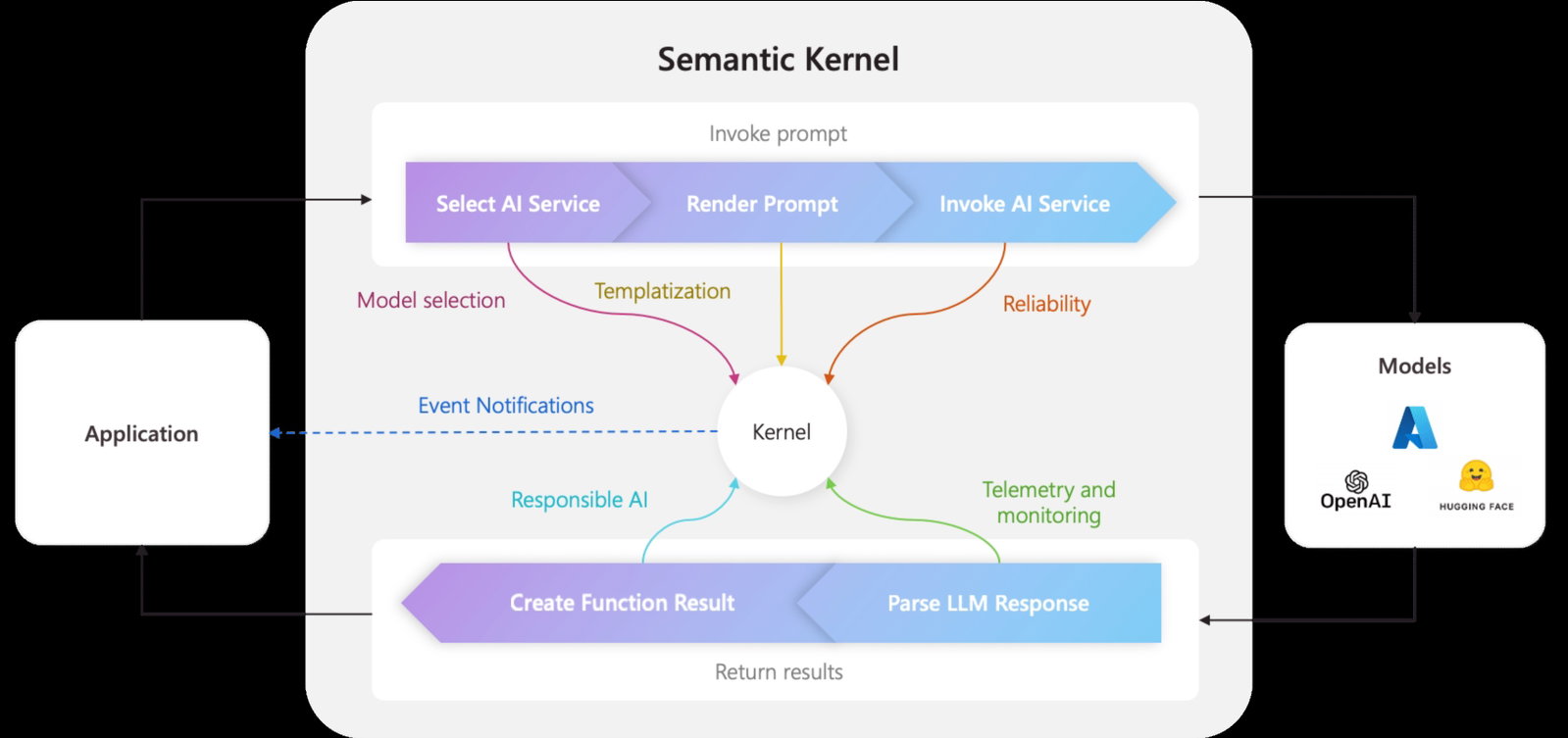
Best for: Developers and enterprises working within the .NET and Microsoft ecosystem.
Key capabilities
-
Enterprise-grade SDK for AI integration
-
Built-in abstractions for memory and planning
-
Seamless integration with Azure and API-based models
Limitations: Best suited for Microsoft-based environments, which may limit adoption in other tech stacks.
Each of these tools brings something different to the table, which can make direct comparisons difficult when reading them one by one.
To simplify that, here’s a quick side-by-side view of how they stack up based on use case, complexity, and deployment style.
Topic For More Insights
Top Open-Source AI Agents: Quick Comparison
Choosing the right AI agent can get overwhelming when every tool claims to do everything. A side-by-side comparison makes it easier to spot which ones actually fit your workflow.
Here’s a quick breakdown of how these tools compare based on use case, complexity, and deployment style:
| Tool | Best For | Type | Local Support | Skill Level |
| Cline | In-editor coding automation | Coding Agent | Yes | Intermediate |
| Observe AI | Custom automation workflows | Event-Driven Framework | Yes | Advanced |
| AutoGPT | Autonomous task execution | Autonomous Agent | Yes | Intermediate |
| BabyAGI | Learning & experimentation | Lightweight Agent | Yes | Beginner |
| GPT Researcher | Automated research | Specialized Agent | Yes | Beginner–Intermediate |
| Open Interpreter | System-level automation | Execution Agent | Yes | Intermediate |
| AGiXT | Scalable agent systems | Orchestration Platform | Yes | Advanced |
| Flowise | Visual workflow building | Low-Code Framework | Yes | Beginner–Intermediate |
| LocalAI + LocalAGI | Privacy-first deployments | Self-Hosted Stack | Yes | Advanced |
| Semantic Kernel | Enterprise AI integration | SDK / Framework | Partial | Advanced |
A comparison table helps narrow things down, but choosing the right AI agent ultimately depends on your specific goals and workflow.
Whether you're focused on coding, automation, research, or privacy, here’s a simple way to pick the tool that fits your needs.
How To Choose the Right AI Agent
The best AI agent is not the most powerful one. It is the one that fits your workflow.
Here’s a practical way to decide:
-
If you are a developer working in code editors, go with Cline. It integrates directly into your workflow and focuses on execution, not just suggestions.
-
If you want to automate research and content workflows, GPT Researcher is the most efficient choice for gathering and summarizing large amounts of information.
-
If you need autonomous task execution, AutoGPT is a strong starting point for experimenting with goal-driven agents.
-
If you want full control over your system using natural language, Open Interpreter allows you to execute commands and automate tasks directly on your machine.
-
If you are building scalable or enterprise-grade systems, AGiXT or Semantic Kernel provides the structure needed for long-term deployments.
-
If you prefer low-code or visual workflow building, Flowise makes it easy to design and test agent pipelines without heavy coding.
-
If privacy and data control are critical, LocalAI and LocalAGI let you run everything locally without relying on external services.
-
If you want to learn how AI agents work from scratch, BabyAGI is a simple and effective starting point.
Once you align the tool with your use case, the decision becomes much clearer.
The key is not to chase the most popular AI agent, but to choose one that integrates well with how you already work.
Wrapping Up
Open-source AI agents have moved far beyond experimentation. What started as early prototypes is now a growing ecosystem of tools that can actively support real work, from writing code and automating workflows to handling research and powering enterprise systems.
The key takeaway is simple: there is no single “best” AI agent.
Each tool on this list is designed for a different purpose. The right choice depends on what you are trying to achieve, how much control you need, and the level of complexity you are comfortable managing.
As the space continues to evolve, one thing is clear. AI agents are becoming a core part of how modern teams build, automate, and scale.
The best way to get started is not by overanalysing the options, but by picking one tool that fits your use case and experimenting from there.
Frequently Asked Questions
Which Platforms Offer The Most Popular Open-Source AI Agents?
The most popular open-source AI agents are spread across GitHub-backed frameworks and official developer platforms. In 2026, widely discussed options include LangGraph, CrewAI, OpenHands, LlamaIndex, smolagents, MetaGPT, OpenAI Agents SDK, Microsoft Agent Framework, Google ADK, and OpenManus. These platforms stand out for active communities, strong documentation, and real-world workflow support.
How Can I Get Started With Popular Open-Source Autonomous AI Tools?
Start by choosing a tool based on your use case, not hype. If you want orchestration, try LangGraph or CrewAI. If you want coding help, start with OpenHands. If your workflow depends on data and retrieval, begin with LlamaIndex. Most platforms offer quickstarts, install commands, examples, and starter documentation to help new users move fast.
How Do Open-Source AI Agents Compare In Terms Of Features And Usability?
Open-source AI agents differ mainly in control, complexity, and purpose. LangGraph offers deeper orchestration and memory, CrewAI focuses on simpler multi-agent collaboration, OpenHands is built for coding tasks, and smolagents favors lightweight simplicity. Some tools are easier for fast prototyping, while others are better suited for production workflows with observability and human oversight.
Tue, Apr 21, 2026

Enjoyed what you read? Great news – there’s a lot more to explore!
Dive into our content repository of the latest tech news, a diverse range of articles spanning introductory guides, product reviews, trends and more, along with engaging interviews, up-to-date AI blogs and hilarious tech memes!
Also explore our collection of branded insights via informative white papers, enlightening case studies, in-depth reports, educational videos and exciting events and webinars from leading global brands.
Head to the TechDogs homepage to Know Your World of technology today!
Disclaimer - Reference to any specific product, software or entity does not constitute an endorsement or recommendation by TechDogs nor should any data or content published be relied upon. The views expressed by TechDogs' members and guests are their own and their appearance on our site does not imply an endorsement of them or any entity they represent. Views and opinions expressed by TechDogs' Authors are those of the Authors and do not necessarily reflect the view of TechDogs or any of its officials. While we aim to provide valuable and helpful information, some content on TechDogs' site may not have been thoroughly reviewed for every detail or aspect. We encourage users to verify any information independently where necessary.
Loading comments...