
Human Resources Solutions
AI Agents For Human Resources: Onboarding And Recruitment
Share
Overview
Yes, it's that wonderfully outrageous sequel where Ryan Reynolds’ superhero breaks the fourth wall while cracking skulls (and jokes) in equal measure. It’s a wild ride with equal parts action, sarcasm, and absolute mayhem!
One of the film’s funniest moments is the “hiring scene.”
Deadpool and his buddy Weasel put out an ad and start interviewing superhero hopefuls for their squad, the X-Force. The lineup: Shatterstar (whose confidence far outweighed his usefulness), Zeitgeist (whose power—acid vomit—is as impractical as it is disgusting), and Peter (just a normal guy who showed up because he saw the ad). The outcome is a hilariously inefficient hiring process that spirals into chaos faster than Deadpool can drop a punchline.
Imagine if Deadpool had an AI agent on his team—one that could scan talent across the multiverse, screen candidates instantly, rank their superpowers, and even predict how well they’d work together. Suddenly, the recruitment process isn’t a disaster—it’s streamlined, strategic, and actually effective.
Well, that’s the potential of AI agents in Human Resource (HR) workflows. Smarter than chatbots and more adaptive than rule-based automation, these digital coworkers are transforming how companies recruit and onboard talent.
This article explores how AI agents are stepping into HR workflows, and they are doing much more than just saving the day. Keep reading!
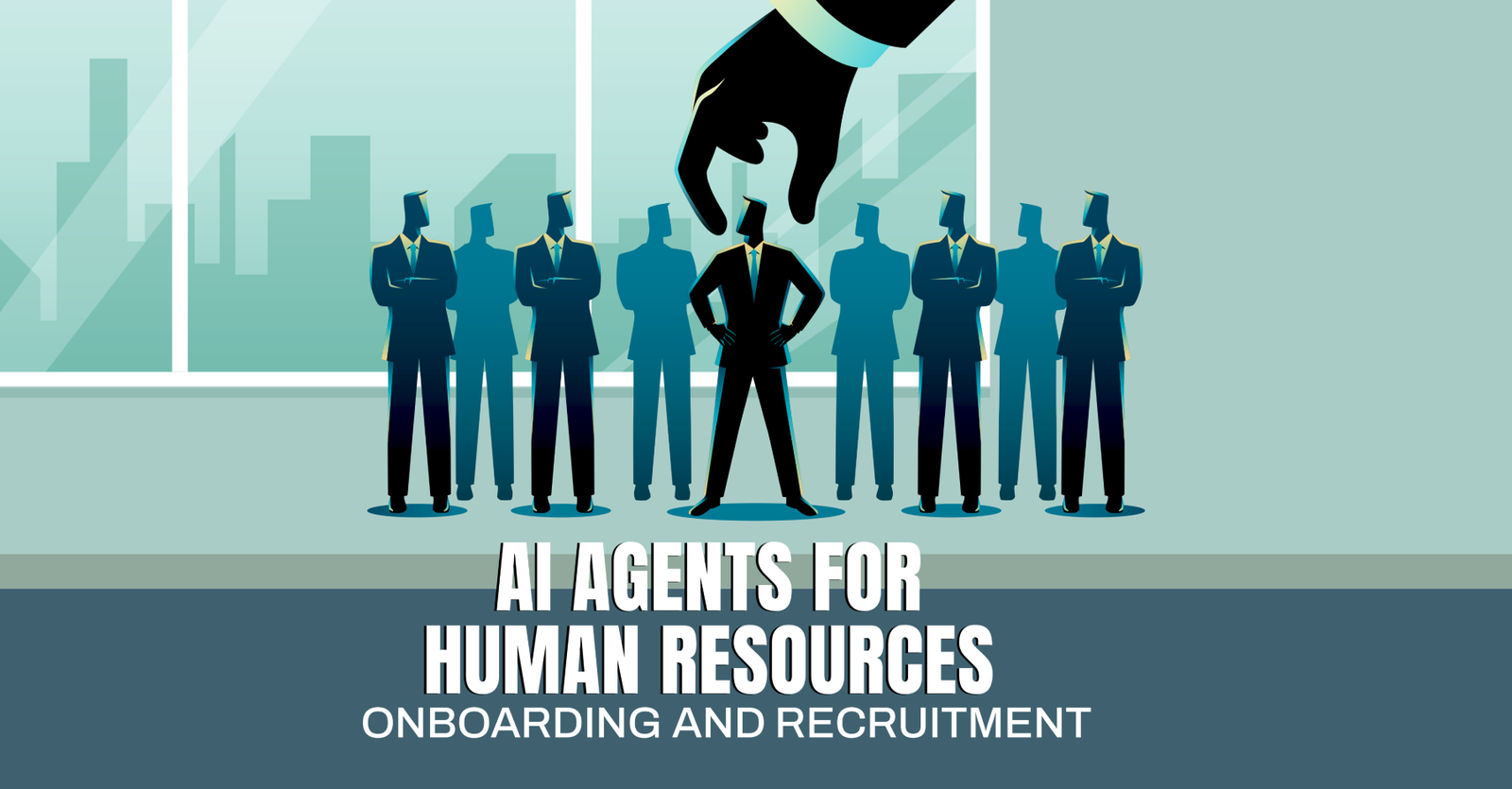
While recruitment and onboarding may not be as chaotic as Deadpool’s X-Force auditions, for HR teams, it often feels close. Endless resume screening, interview scheduling, ghosting candidates, and piles of paperwork—it’s enough to make any HR pro wish for superpowers.
Meanwhile, candidates expect a smooth, personalized journey from application to onboarding, and HR staff find themselves stuck in repetitive tasks that leave little time for human connection.
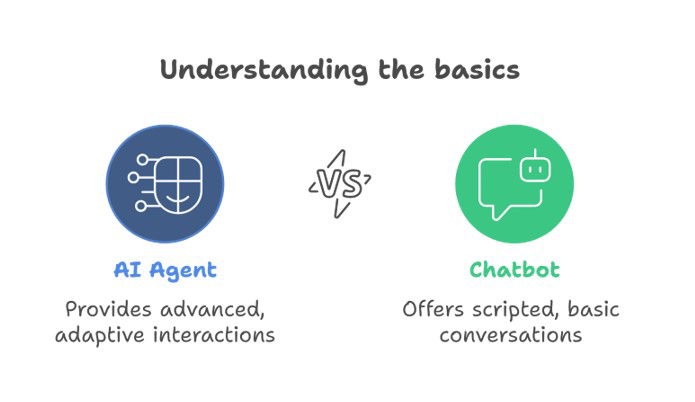
That’s where AI agents step in! Unlike chatbots or rigid rule-based systems, they can think, plan, and act, working as digital coworkers that adapt to context, automate the grunt work, and even improve the candidate experience.
In short, they’re transforming recruitment and onboarding from a bureaucratic obstacle course into a guided, engaging process.
So, what exactly are AI agents in HR, and how do they differ from the chatbots and automation tools we’ve seen before?
Let’s break it down!
What Are AI Agents In HR?
AI agents are autonomous digital coworkers that can perceive context, make decisions, and take actions without needing constant human prompts. In HR processes, they go beyond chatbots or automation scripts, stepping into roles like screening resumes, nudging candidates, or orchestrating onboarding tasks.
Their core traits of AI agents in HR are as follows:
-
Autonomy: Proactively send reminders or follow-ups.
-
Reasoning: Decide whether to reschedule or escalate.
-
Context Awareness: Remember past interactions and adapt.
-
Workflow Orchestration: Break big goals (hire, onboard) into smaller tasks and coordinate them.
Although, there are differences between regular AI Chatbots, Robotic Process Automation (RPA) and AI Agents. This is how they differ:
-
Chatbots (RPA): Reactive, scripted, limited memory, and struggle with complex workflows.
-
AI Agents: Proactive, adaptive, context-aware, and capable of chaining multiple steps.
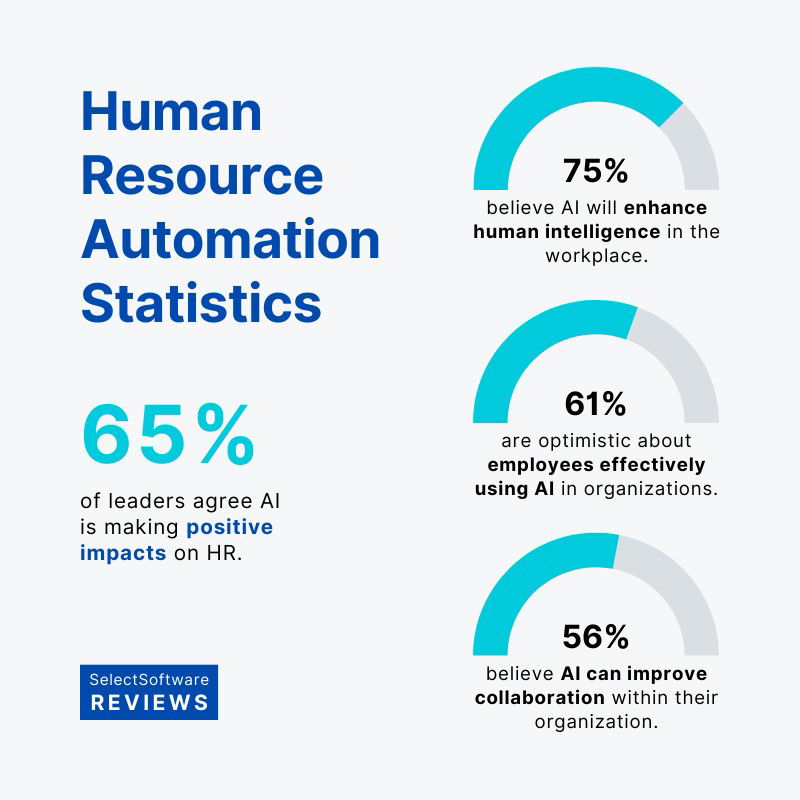
You see, this adoption isn’t a “what if” scenario—it’s happening right now. SHRM reports that over two-thirds of HR professionals see faster time-to-fill positions with AI tools. By 2025, 43% of organizations expect to leverage AI in HR, nearly doubling from the year before.
So now that we know what AI agents are in HR, let’s take a step back. How exactly did we get from punch cards and paper resumes to autonomous, reasoning HR agents?
Let’s trace its evolution.
The Evolution Of AI Solutions In HR
The journey of AI in HR is like a comic-book hero’s origin story—full of experiments, setbacks, leaps forward, and interesting story arcs. Here’s how it went.
-
The Early Days 1990s: Automation And Keyword Screening
-
In the early and late 1990s, HR technology first began with Applicant Tracking Systems (ATS), automated systems that parsed resumes and filtered candidates on keywords.
-
These early systems were rule-based: “If resume contains X, pass; else, reject.” Simple, helpful, but brittle in handling nuance.
-
-
Early 2000s: The Age Of Automation And Keyword Filters
-
This period is when advanced Applicant Tracking Systems (ATS) became the go-to for digital hiring. These early systems could scan resumes and filter candidates automatically which was a major time-saver back then, even though they often missed great talent due to rigid logic.
-
-
2010–2015: The Machine Learning Awakening
-
With the rise of natural language processing (NLP) and machine learning, HR tools became smarter. Systems began understanding resume context, ranking candidates, and predicting job-candidate matches more accurately. This marked the shift from “automation” to “augmentation.”
-
-
2016–2020: The Era Of Chatbots And Predictive HR
-
Enter the conversational wave as HR chatbots and virtual assistants joined the scene. They answered FAQs, guided candidates, and even helped with onboarding. Meanwhile, predictive analytics started forecasting attrition and performance trends. HR tech officially went from reactive to predictive.
-
-
2021 – Present: The Age Of Agentic Intelligence
-
The newest phase belongs to AI agents—autonomous systems that can reason, plan, and act across workflows. Unlike chatbots, these agents collaborate, learn from context, and handle end-to-end HR tasks like screening, scheduling, and onboarding. They’re not just tools anymore but digital teammates!
-
This journey, from keyword filters of the 2000s to today’s multiverse-level digital coworkers, the evolution of AI in HR has been quite the ride.
However, knowing the journey is only half the story—the real question is: how do these agents actually think, plan, and act inside HR workflows?
Let’s break down the mechanics!
How Do AI Agents Help HR Professionals?
If traditional automation is like following a recipe, AI agents in HR are like chefs—they taste, adjust, and experiment as they go. Instead of rigidly executing a set of instructions, these agents observe, reason, and act to achieve a goal.
Let’s break it down.
-
Step 1: Sense—Understanding The Context
Every agent starts by gathering information from multiple sources: job descriptions, resumes, HRIS systems, emails, and even past interactions. This context helps it understand what’s happening, like a recruiter scanning through profiles before making a shortlist of candidates.
-
Step 2: Think—Reasoning & Decision-Making
Once it understands the hiring situation, the AI agent moves into reasoning mode. Using machine learning models and prompt-based planning, it evaluates options and decides what to do next—whether that’s ranking candidates, flagging missing information, or drafting a message.
-
Step 3: Act—Executing And Coordinating Tasks
Next, the agent executes the plan: sending reminders, scheduling interviews, updating dashboards, or nudging HR staff. Multiple agents may collaborate, for instance, one extracting skills, another evaluating culture fit, and a third summarizing results for HR teams. These multi-agent systems, where each mini agent has a specialty, work as an efficient digital HR squad.
-
Step 4: Learn—Continuous Improvement
Unlike static automation, AI agents learn from outcomes. If a candidate rejects an offer, the agent records what went wrong and adjusts future strategies. Over time, it personalizes workflows, making every hiring cycle smarter.
This process makes AI agents not just follow commands, but collaborate, adapt, and evolve throughout the process.
Now that we know how AI agents sense, think, act, and learn, it’s time to see them in action!
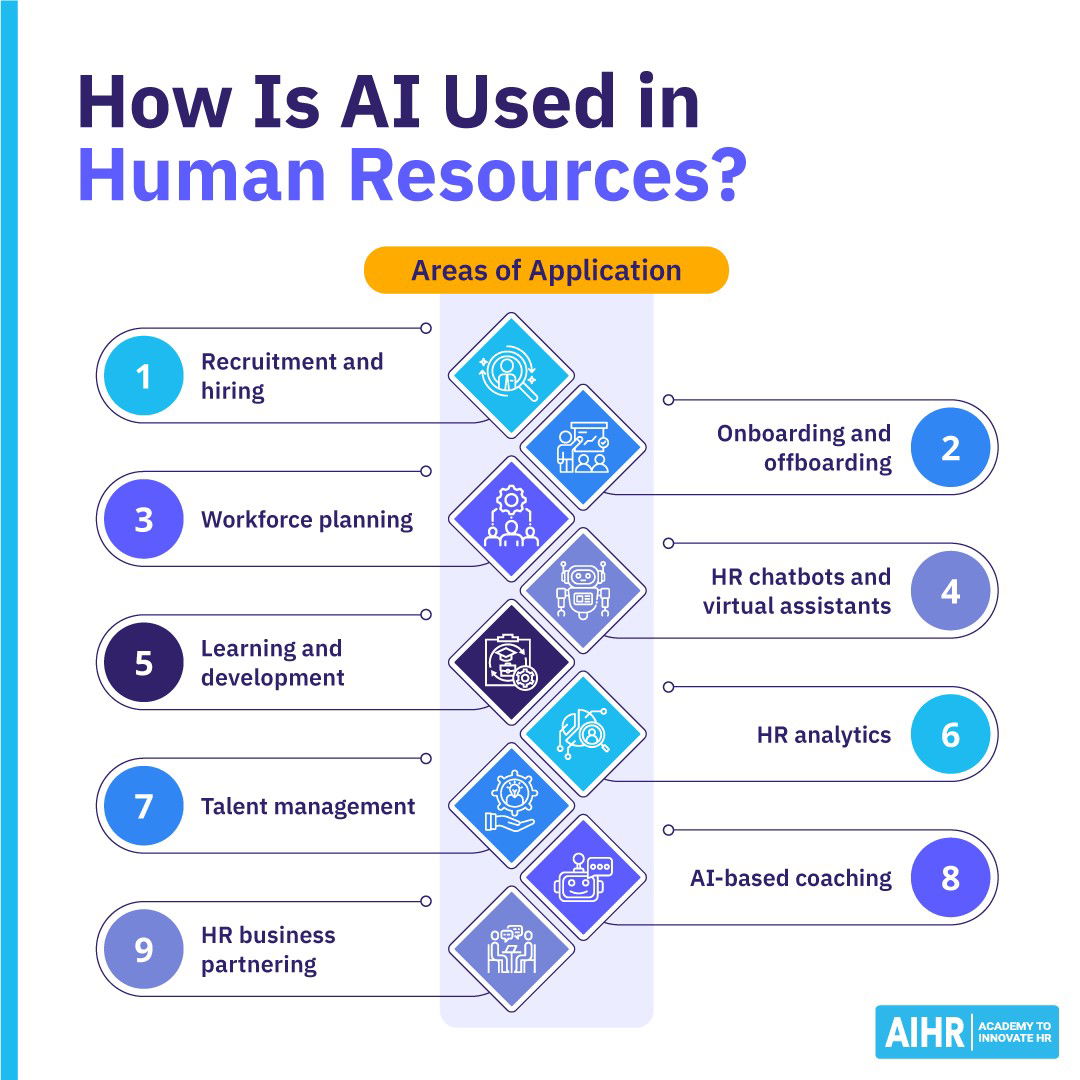
Applications Of AI Agents In Recruitment And Onboarding
AI agents are already embedded in modern HR ecosystems, quietly turning clunky, manual processes into smooth, intelligent experiences.
Let’s see how they’re making waves across two key areas of the employee journey: recruitment and onboarding.
-
Recruitment And Talent Acquisition
In this process, AI agents can handle much of the chaos:
-
Resume Screening And Ranking
AI agents parse resumes, score them for fit, and shortlist candidates in seconds—often cutting screening time by 60%, according to LinkedIn’s Future of Recruiting 2024.Candidate Matching: Using NLP and data modeling, agents go beyond keywords to find the best culture and skill matches.
-
Scheduling And Outreach
They coordinate interviews, send reminders, and keep candidates engaged to simplify scheduling.
-
Conversational Pre-Screening
AI interviewers can chat or video-assess candidates for tone, sentiment, and enthusiasm.
-
-
Onboarding And Hiring Experience
AI agents simplify and personalize every step of onboarding that happens post-hire:
-
Automate Paperwork And Access Setup
Streamline documentation, account creation, and provisioning.
-
Deliver Personalized Learning Plans
Offer tailored policy walkthroughs and training modules.
-
24/7 Chat Assistance
Enable instant answers to new hire questions.
-
Milestone Nudges
Send timely reminders for 30, 60, and 90-day goals.
-
Feedback Collection
Gather insights and surface friction points to HR for continuous improvement.
-
All of this means that AI agents don’t just assist HR teams, but they enhance their abilities, ensuring every candidate and new hire feels like part of a well-orchestrated experience.
With AI agents now running HR’s backstage show the next big question is: what’s in it for the business?
Let’s see the real-world benefits behind the buzz!
Benefits And Value Propositions Of AI Agents For HR
AI agents are reshaping how HR delivers value across speed, cost, and experience. Here’s how:
-
Faster And Smarter Hiring
AI agents slash manual screening and coordination time. LinkedIn’s 2024 Recruiting Trends reports companies using AI tools fill roles 60% faster than those relying on manual processes.
-
Reduced Operational Load
By automating scheduling, reminders, and FAQs, HR teams reclaim hours for strategy, not spreadsheets. A Gartner 2024 study found HR professionals using AI automation saved 25% of weekly admin time because of its deep zone productivity.
-
Better Candidate Experience
With instant responses, smoother onboarding, and consistent communication, candidates feel more valued. Deloitte’s 2024 Human Capital Survey links AI-powered HR experiences to a 32% jump in candidate satisfaction.
-
Personalization at Scale
AI agents tailor interactions by role, region, and seniority, something no manual system can match, leading to engagement across touchpoints.
-
Data-Driven Insights
Every interaction feeds analytics on hiring trends, attrition risk, and onboarding friction—turning HR workflows into a strategic powerhouse.
-
Compliance And Consistency
Agents ensure processes follow policy every time, reducing the “oops” moments that come with manual data handling.
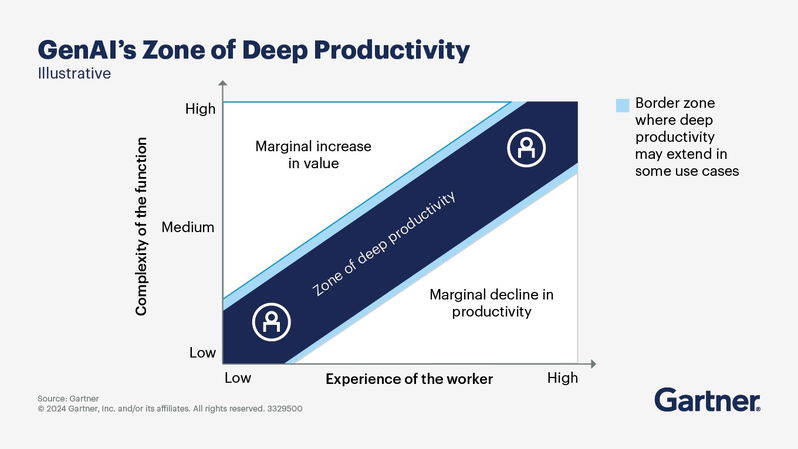
Bottom line, AI agents help HR teams do more of what matters—focusing on people, not paperwork— to deliver faster hires, happier employees, and measurable ROI. All those benefits sound amazing, but no tech is perfect, right?
So, before you add AI agents to your HR team, you need to know the risks they carry.
Let’s shine a light on where things can go wrong, and how to guard against it.
Risks, Challenges And Ethical Considerations Of AI Agents In HR
While AI agents offer transformative potential in HR, they also introduce serious pitfalls. Here's what they entail:
-
Algorithmic Bias And Fairness
AI can unintentionally favor certain profiles or demographics if trained on biased data. The research paper, “AI Self-preferencing in Algorithmic Hiring,” published on arXiv found AI-generated resumes were 23–60% more likely to be shortlisted when evaluated by the same model—a phenomenon known as self-preference bias.
-
Lack Of Explainability
Many AI systems operate like black boxes—producing decisions without clear reasoning. In HR, this makes it tough to explain why a candidate was selected or rejected, which can erode trust and create compliance risks.
-
Overautomation And Loss Of Human Touch
Automating everything sounds great until empathy disappears. Candidates still expect genuine human interaction during hiring and onboarding, especially for feedback, negotiation, or sensitive conversations.
-
Data Privacy And Security
AI agents process personal data like resumes, performance metrics, and even interview recordings. Poor data handling can expose companies to breaches or violations of GDPR and CCPA. HireBee’s study notes 47% of organizations struggle with secure AI integrations.
-
Resistance And Trust Issues
Not everyone’s ready to trust AI in hiring. HR Dive reports 49% of employers avoid using AI in HR due to ethical, legal, or transparency concerns.
-
Governance And Human Oversight
The safest model is hybrid—letting AI agents handle tasks while humans review, audit, and intervene when needed. We recommend audit trails and “human-in-the-loop” safeguards to maintain accountability.
Always keep in mind that AI agents can supercharge HR but only if they’re deployed with fairness, transparency, and a human touch. So, knowing the risks is half the battle won.
Yet, the real challenge is deploying AI agents responsibly. So how can HR teams harness their power without unleashing chaos worthy of a Deadpool sequel?
Let’s map out the right way to adopt them!
Adoption Roadmap And Best Practices For Implementing AI Agents For HR
Rolling out AI agents for HR teams isn’t plug-and-play. It’s a step-by-step evolution.
Here’s how to do it right:
-
Start Small, Scale Smart
Pilot one use case (like screening or onboarding). Test, learn, refine, then expand.
-
Choose The Right Partners
Pick platforms with explainable AI, strong data security, and seamless HRIS integration.
-
Keep Humans In The Loop
Let agents handle data-heavy work while HR adds empathy and judgment. Hybrid is the winning formula!
-
Train On Company Data
Customize agents with your policies, tone, and workflows to boost accuracy and compliance.
-
Measure What Matters
Track time-to-hire, satisfaction, and process accuracy. Optimize based on outcomes.
-
Establish Governance
Set up audit trails, oversight committees, and review protocols for accountability.
-
Manage Change
Educate teams early to reduce resistance and position AI as a collaborator, not a competitor.
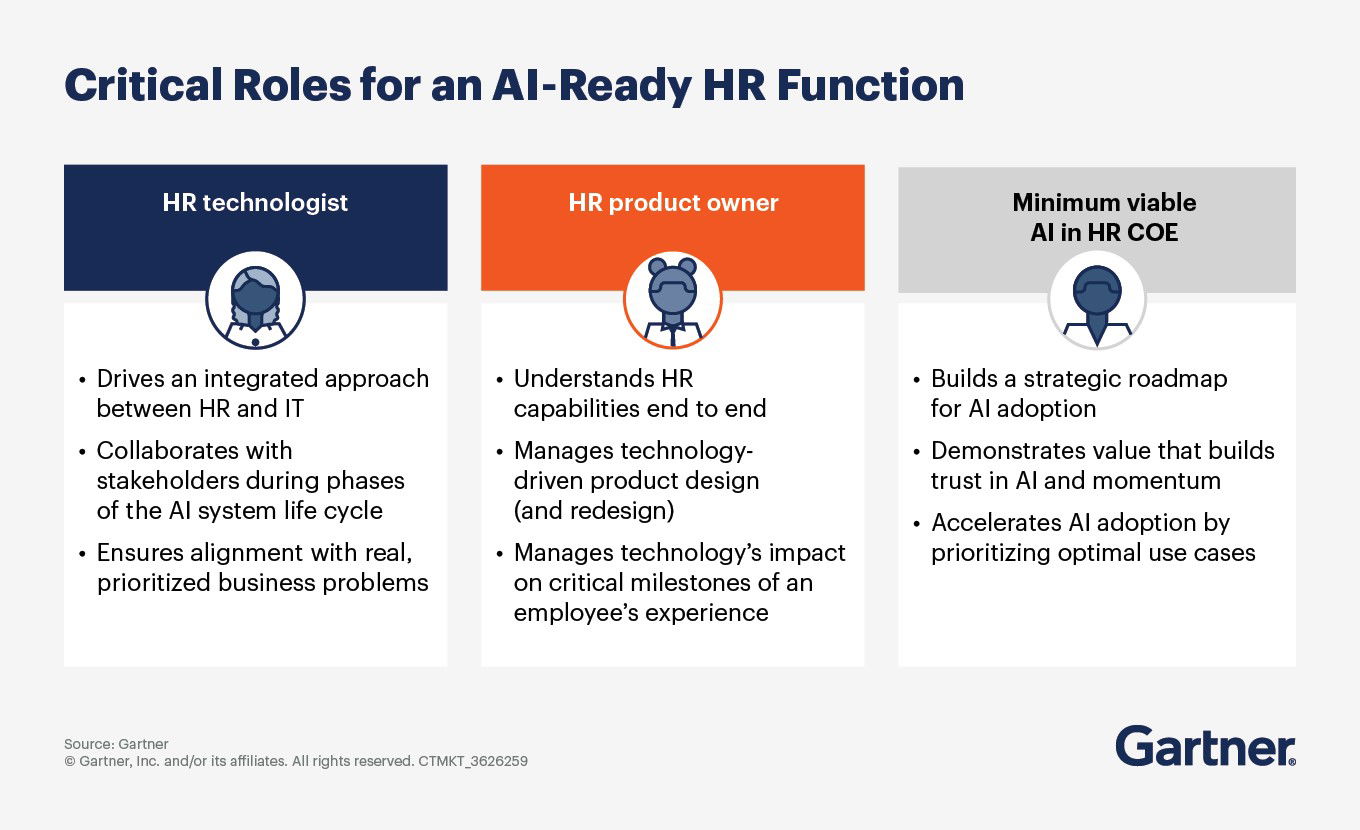
In short, adopt AI agents gradually, keep humans involved, and lead with transparency—that’s how HR evolves from reactive to remarkable!
Conclusion
From Deadpool’s chaotic X-Force auditions to today’s organized AI-powered HR, hiring has evolved. AI agents aren’t sidekicks anymore, but digital teammates that screen, schedule, and onboard while letting HR focus on people over paperwork.
Yes, risks exist in the form of bias, privacy, and overautomation, and with strong governance and human oversight, AI agents can shift HR from administrative to strategic.
So, start small, stay ethical, and scale smart. Train your agents well, monitor their impact, and keep empathy in the loop.
That’s because your agentic AI heroes don’t need capes—just clean data, clear goals, and a human touch!
Frequently Asked Questions
What Are The Main Uses Of AI Agents In HR?
AI agents automate repetitive HR tasks like resume screening, interview scheduling, onboarding workflows, and employee support. They also analyze workforce data to predict attrition, improve engagement, and personalize communication—freeing HR for higher-value work.
Can AI Agents Completely Replace Human Recruiters?
Not quite. While they handle data-heavy and repetitive work efficiently, human recruiters remain essential for empathy, negotiation, and judgment. The ideal setup is human-in-the-loop, where AI boosts productivity and humans make the final, people-centric calls.
How Can HR Teams Ensure AI Agents Are Ethical?
By maintaining transparency, auditing algorithms regularly, and preventing bias through diverse training data. HR leaders should also set clear governance frameworks and ensure all AI decisions are explainable, fair, and compliant with data privacy laws.
Wed, Oct 29, 2025

Liked what you read? That’s only the tip of the tech iceberg!
Explore our vast collection of tech articles including introductory guides, product reviews, trends and more, stay up to date with the latest news, relish thought-provoking interviews and the hottest AI blogs, and tickle your funny bone with hilarious tech memes!
Plus, get access to branded insights from industry-leading global brands through informative white papers, engaging case studies, in-depth reports, enlightening videos and exciting events and webinars.
Dive into TechDogs' treasure trove today and Know Your World of technology like never before!
Disclaimer - Reference to any specific product, software or entity does not constitute an endorsement or recommendation by TechDogs nor should any data or content published be relied upon. The views expressed by TechDogs' members and guests are their own and their appearance on our site does not imply an endorsement of them or any entity they represent. Views and opinions expressed by TechDogs' Authors are those of the Authors and do not necessarily reflect the view of TechDogs or any of its officials. While we aim to provide valuable and helpful information, some content on TechDogs' site may not have been thoroughly reviewed for every detail or aspect. We encourage users to verify any information independently where necessary.
Loading comments...