
Wearable Technology
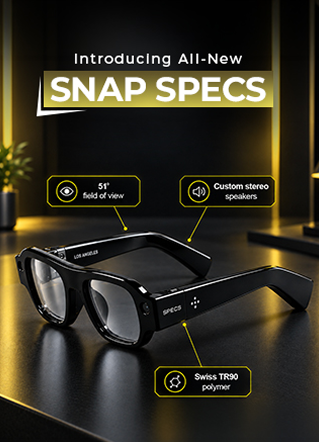
Here's What Snap's New SPECS AR Glasses Can Actually Do
Share
TL;DR
-
Specs are standalone AR glasses that overlay digital information and interactive experiences onto the physical world.
-
Specs OS enables hand tracking, voice control, shared AR, virtual workspaces, and entertainment without a phone or PC.
-
Specs Intelligence adds anticipatory AI that surfaces relevant information across Specs, iPhone, and Mac.
-
The glasses handle navigation, live translation, streaming, productivity, and enterprise workflows in one device.
-
At $2,195, Specs remains a premium early-adopter product limited by price, weight, and battery life.
Introduction
In the film Free Guy, a background character puts on a pair of sunglasses and the world changes around him. Quests, icons, and interactive objects appear over ordinary streets that looked empty a moment before.
Snap's new Specs chase a similar effect, minus the movie logic. The Specs AR glasses are standalone augmented reality computers that layer digital content onto the physical world. Wearers interact through voice and hand gestures, follow navigation cues, translate conversations, stream entertainment, build virtual workspaces, and pull AI assistance directly into their field of view.
Two systems make that possible. Specs OS is the spatial operating layer, and Specs Intelligence is an AI service built to learn a user's goals, routines, and connected apps. Together, they mark Snap's attempt to move computing off screens and into physical spaces where information is useful.
Snap CEO Evan Spiegel has pitched Specs as more than a wearable display. He calls it a new computing platform, and the $2,195 price tag reflects that ambition. The question is how much of that pitch holds up today.
So, what can Snap's latest glasses do, and how close do they come to matching that vision?
What Are Snap SPECS AR Glasses?
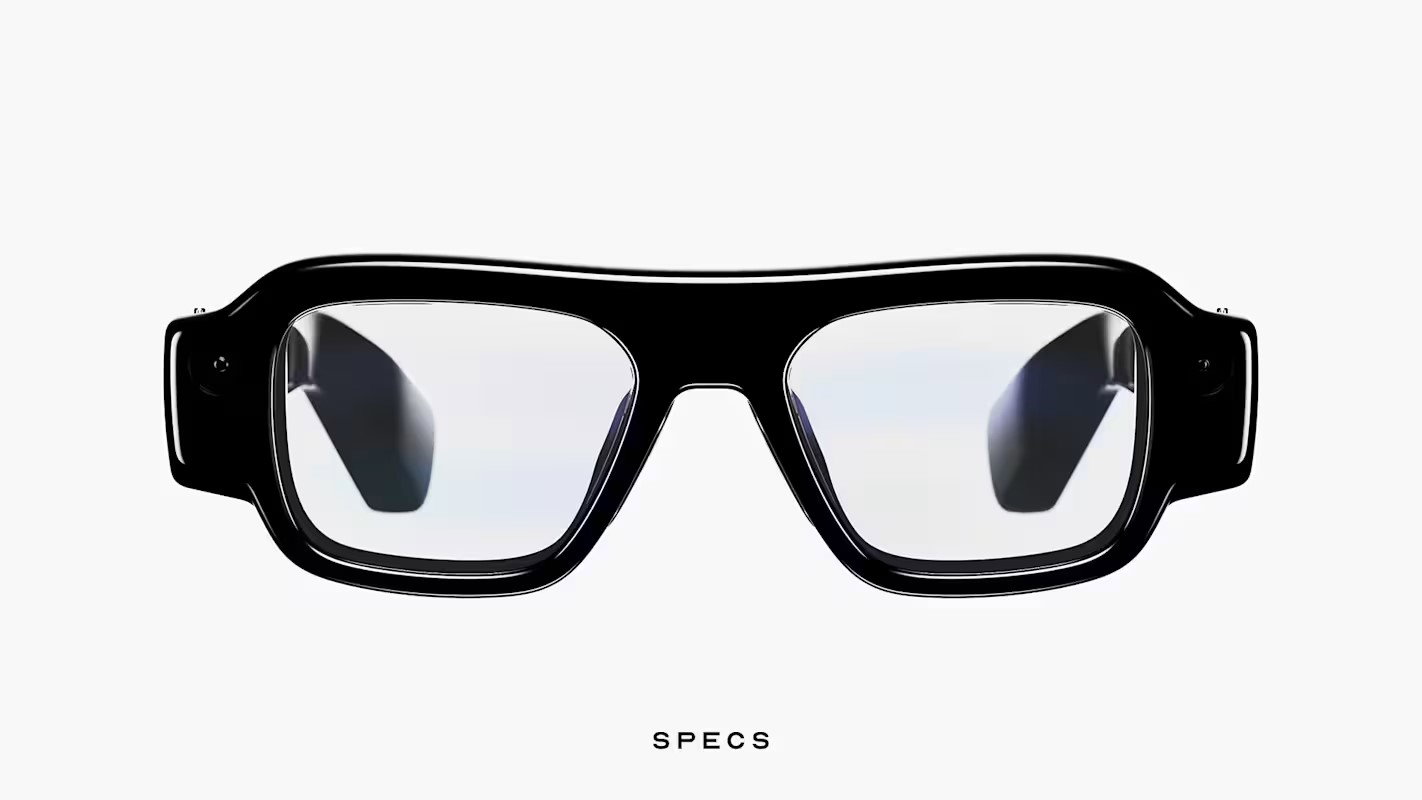
Specs are see-through augmented reality glasses built to work without a separate compute puck or wired connection. Unlike conventional smart glasses that mostly capture photos, play audio, or show basic notifications, Specs can place interactive digital objects directly into the wearer's view.
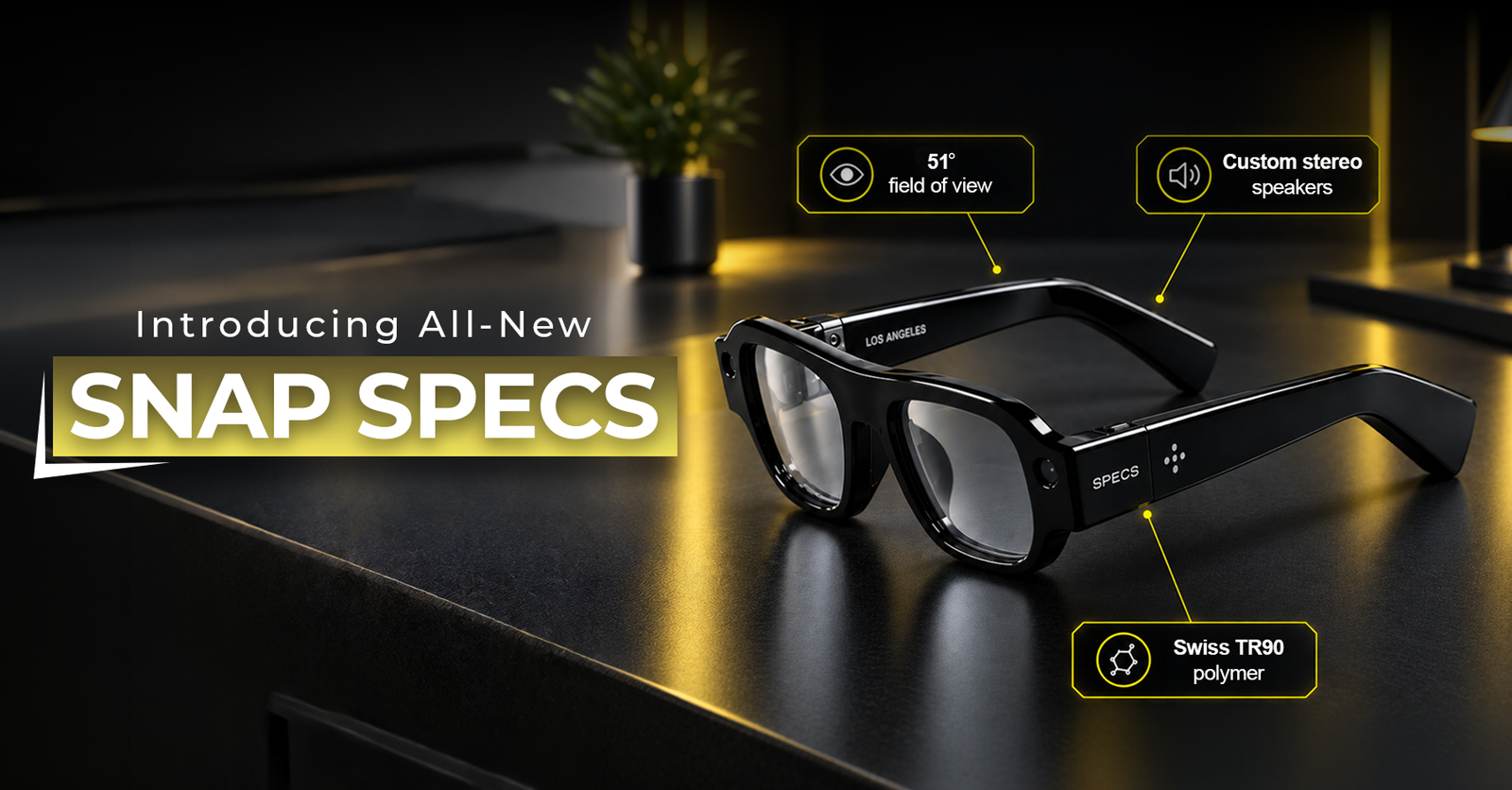
The glasses use transparent waveguide displays with a 51-degree field of view and support for 16 million colors. Snap says the effect can resemble a large desktop monitor for work, or a 115-inch cinema screen positioned about 10 feet away for entertainment.
Two Snapdragon processors sit inside the frame. One handles computer vision and environmental understanding. The other runs AR experiences, which Snap calls Lenses. Together they support hand tracking, spatial understanding, voice input, and low-latency interactions.
The hardware ships in two sizes: 47mm at 132 grams and 52mm at 136 grams. Electrochromic lenses shift from clear to tinted in about 10 seconds, and the frames support prescription inserts.
Snap rates the glasses for up to four hours of mixed-use battery life. The included charging case adds four more charges, giving wearers up to 20 hours of mixed use before the case itself needs power.
The hardware sets the stage. SPECS OS is what turns that hardware into a working spatial computer.
SPECS OS Turns The Glasses Into A Spatial Computer
SPECS OS is the software layer that makes the glasses more than a pair of screens. Instead of a mouse, touchscreen, or handheld controller, wearers control digital content with voice and hand gestures: pinching, dragging, selecting, and grabbing virtual objects in physical space.
That changes how apps behave compared to a phone. A map overlays onto the real world instead of squeezing into a rectangle. A virtual object sits on a real table. A whiteboard appears in an open space. Multiple Specs wearers can see and interact with the same shared AR experience in one room.

Snap has spent years building out Lens Studio, its development environment for AR experiences, and developers have already published hundreds of Lenses for the platform. Snap has also added AI-assisted development tools to help creators build and test new experiences for Specs.
In practical terms, Specs OS is Snap's attempt to turn augmented reality into an application platform rather than a set of isolated camera effects. That platform is what makes the entertainment, work, and enterprise features below possible.
Snap SPECS Can Stream, Play, And Share Entertainment
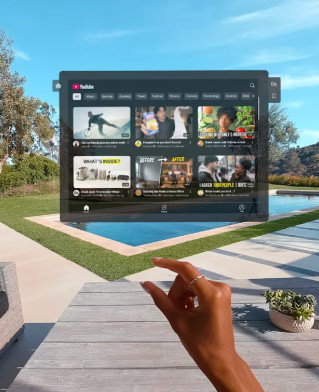
One of the simplest ways to understand SPECS is to picture a large virtual screen that follows you anywhere. The built-in browser streams content from services such as YouTube and HBO Max, and Spotify integration plays music through open-ear stereo speakers.
Snap is also building entertainment experiences designed for augmented reality, rather than a video window floating in space. Connected Lenses let two Specs wearers interact with the same digital content in the same room. Early examples include chess, dominoes, and table tennis.
That social design is central to Snap's strategy. Rather than treating mixed reality as a solitary experience inside a closed headset, Specs is built to keep wearers aware of the people and environment around them. The same principle carries into how Snap positions Specs as a work device.
SPECS Can Become A Portable AR Workspace
SPECS connects wirelessly to a computer and extends a user's workspace beyond a single physical monitor. Documents, browser windows, and other digital content can be positioned around a virtual workspace while the wearer stays aware of the room.
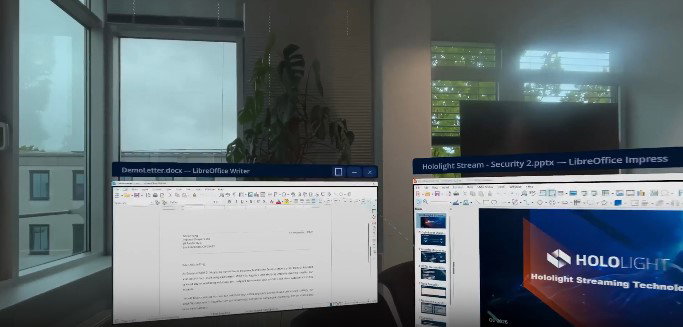
A Whiteboard experience lets users brainstorm, organize ideas, and sketch diagrams. Bluetooth keyboard support makes standard text input possible alongside the spatial interface.
The goal isn't to replace laptops outright. It's to make the screen itself optional, which could matter to people who travel, need temporary display space, or want digital guidance layered onto a physical task. Snap is taking that same logic further into industries where hands-free access to information already has clear value.
Snap Is Building SPECS For Enterprise Work Too
Snap is developing Specs for retail, factories, field operations, IT support, and other hands-free workflows. A technician repairing equipment could see instructions, inventory details, or AI-generated guidance without switching between the physical task and a separate screen. Retail staff could pull up product information mid-conversation with a customer, and remote experts could guide on-site teams in real time.
Snap is also building security controls, device management, and deployment tools aimed at business buyers, according to its investor announcement.
Pricing matters more here than in the consumer market. At $2,195, Specs costs too much for casual purchase, but the economics shift if the glasses save time or reduce errors in a professional workflow. Getting that calculation right depends on the AI layer working as intended, which is where Specs Intelligence comes in.
What Is Snap SPECS Intelligence?
SPECS Intelligence is Snap's new anticipatory AI service, built to work across iPhone, Mac, and the Specs glasses. Unlike a chatbot that waits for a typed question, the Specs AI assistant is designed to recognize when information or an action might help and surface it before the user asks.
So, what is Snap Specs Intelligence in practical terms? The service builds an understanding of a user's goals, priorities, relationships, routines, and projects, drawn from the apps and tools that person chooses to connect. That context follows the user across devices rather than staying locked to one app.
Before a meeting, SPECS Intelligence can gather relevant information, flag decisions that need to be made, and surface reminders. Before a trip, it can pull together flight, hotel, and dinner details, and flag a work deadline that overlaps with the travel dates.
Snap anticipatory AI: an AI system designed to act on a user's context and surface useful information before they explicitly ask for it, rather than only responding to prompts.
On the glasses, that same context moves into the physical world instead of staying inside a phone or desktop app.
SPECS AI Assistant Can Bring Context Into What You See
Specs Intelligence becomes more distinctive on the glasses themselves, where it can combine voice requests with visual and spatial context. The Specs AI assistant can answer questions about what's physically around the wearer and place useful information directly into their field of view.

Instructions could appear next to the object someone is working on. Location details could surface while a user looks at a building or landmark. A training exercise could overlay labels or visual guidance onto a physical space.
Snap is betting that AI becomes more useful when it understands the situation around a question, not just the question itself. That same context awareness is also why privacy is central to how Snap designed the system.
How Does Snap Handle Privacy On SPECS?
Wearable cameras and AI naturally raise questions about what a device can see, hear, remember, and share. Snap says Specs do not use facial recognition to identify people and are not designed to record or save the world around the wearer continuously. When someone intentionally captures photos, video, or audio, an external LED lights up to alert people nearby.
Topics For More Insights
Snap also emphasizes on-device processing and gives users control over what gets stored, synced, shared, or deleted. Specs Intelligence adds another layer to that conversation, since an anticipatory assistant becomes more useful as it gains access to personal context from connected services. Users choose which apps and tools to connect, which keeps permission and trust central to how the system works.
Snap SPECS Price, Availability, And Cellular Connectivity
Specs cost $2,195 and are available for pre-order with a refundable deposit. Snap plans to begin shipping in fall 2026 across the United States, United Kingdom, and France, according to Yahoo Finance's coverage of the launch.
Consumers can try the glasses in person through a Specs First Look experience in Los Angeles starting October 1.
For buyers who want independence from Wi-Fi, Snap offers a Charging Case with Cellular. It provides four additional charges plus cellular connectivity through participating carriers. The connected case bundle costs $2,395 in the United States, with separate mobile data plans sold on top.
Final Thoughts
SPECS OS supplies a spatial computing platform, and Specs Intelligence adds a personal assistant meant to understand context across iPhone, Mac, and the glasses. That combination, more than any single feature, is what separates this generation from earlier camera glasses and simpler smart glasses.
Whether that's enough remains an open question. Snap is asking buyers to accept real weight, limited battery life, and a $2,195 price for a device still finding its use cases outside demos and early-adopter workflows. For now, Snap Inc's Specs offers one of the clearest previews, yet of what happens when smart glasses stop being phone accessories and start trying to become the computer itself.
Frequently Asked Questions
How Is Snap Specs Intelligence Different From A Traditional AI Assistant?
Specs Intelligence is anticipatory rather than purely prompt-based. It draws on context from connected apps, routines, priorities, and ongoing tasks to surface relevant information across iPhone, Mac, and Specs before a user asks for it.
Can Snap Specs AR Glasses Work Without A Smartphone Or Computer?
Yes. Specs are built as standalone spatial computers with their own processors, displays, sensors, speakers, and microphones, running on Specs OS. Some experiences can still connect to phones, Macs, cloud services, or accessories to extend functionality.
What Gives Specs OS An Advantage Over Simpler Smart-Glasses Platforms?
Specs OS is built around spatial computing rather than basic notifications or media capture. It supports hand tracking, environmental understanding, shared AR experiences, virtual workspaces, and interactive digital objects that stay positioned in physical space.
How Much Do Snap's Specs AR Glasses Cost?
Specs cost $2,195 for the standard configuration, with a refundable deposit required for pre-order. A version bundled with a cellular-enabled charging case costs $2,395, plus a separate mobile data plan.
When Are Specs Available And Where Can I Try Them?
Snap plans to ship Specs in fall 2026 in the United States, United Kingdom, and France. Consumers can try the glasses in person at a Specs First Look experience in Los Angeles starting October 1.
Mon, Sep 21, 2026

Enjoyed what you've read so far? Great news - there's more to explore!
Stay up to date with the latest news, a vast collection of tech articles including introductory guides, product reviews, trends and more, thought-provoking interviews, hottest AI blogs and entertaining tech memes.
Plus, get access to branded insights such as informative white papers, intriguing case studies, in-depth reports, enlightening videos and exciting events and webinars from industry-leading global brands.
Dive into TechDogs' treasure trove today and Know Your World of technology!
Disclaimer - Reference to any specific product, software or entity does not constitute an endorsement or recommendation by TechDogs nor should any data or content published be relied upon. The views expressed by TechDogs' members and guests are their own and their appearance on our site does not imply an endorsement of them or any entity they represent. Views and opinions expressed by TechDogs' Authors are those of the Authors and do not necessarily reflect the view of TechDogs or any of its officials. While we aim to provide valuable and helpful information, some content on TechDogs' site may not have been thoroughly reviewed for every detail or aspect. We encourage users to verify any information independently where necessary.
Loading comments...