
Manufacturing Technology
7 Ways Businesses Are Using 3D Printing Today
Share
TL;DR
-
3D printing enables rapid prototyping, helping businesses test designs, reduce development costs, and accelerate product innovation.
-
On-demand manufacturing allows companies to produce small batches, minimize excess inventory, and respond to changing customer demands.
-
Industrial 3D printing supports spare parts production and lightweight component manufacturing, improving maintenance flexibility and design efficiency.
-
Healthcare, consumer goods, and construction industries use additive manufacturing to create customized products, specialized components, and complex structures.
-
While 3D printing offers flexibility and lower tooling costs, its cost-effectiveness depends on production volume, materials, and quality requirements.
Introduction
Remember Iron Man, where Tony Stark designs futuristic armor, experiments with different components, and brings his ideas to life right inside his workshop? What makes those scenes fascinating isn't just the technology, but how quickly an idea transforms into something tangible.
While we're still far from building Iron Man suits in our garages, 3D printing is bringing a similar level of creative freedom to businesses today.
From developing product prototypes and manufacturing replacement parts to creating customized equipment and constructing buildings, 3D printing uses are expanding across industries. Also known as additive manufacturing, the technology builds three-dimensional objects layer by layer using digital designs, allowing businesses to create complex products with greater flexibility and less dependence on traditional tooling.
So, how are businesses using 3D printing to turn ambitious ideas into practical solutions? Let's explore seven real-world applications transforming how companies design, manufacture, and deliver products.
1. Rapid Prototyping And Product Development
Developing a new product usually involves multiple rounds of testing, modifications, and approvals. Traditional prototyping can make this process expensive and time-consuming, especially when businesses need specialized molds or manufacturing equipment.
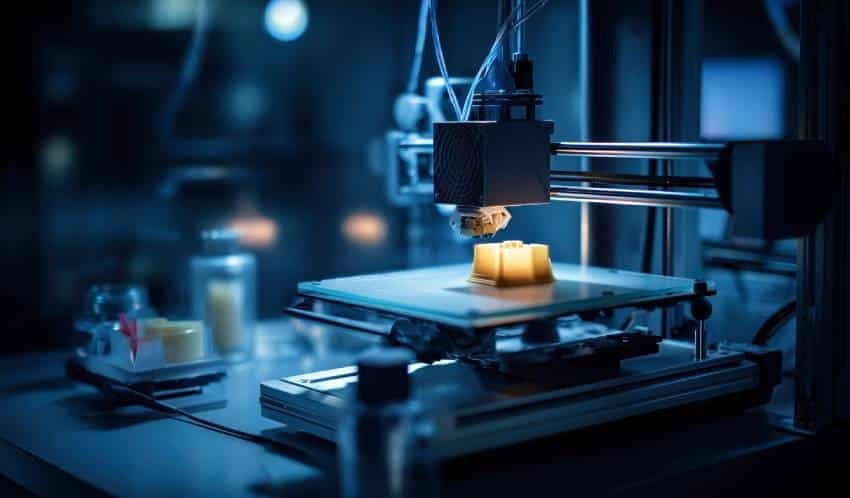
That's where rapid prototyping makes a difference. Businesses can turn digital designs into physical prototypes within hours or days, depending on their complexity. Engineers can test dimensions, evaluate functionality, and identify design problems before committing to full-scale production.
For example, automotive manufacturers use 3D printing to test dashboard components, ventilation systems, and interior fittings. Consumer electronics companies can develop prototype casings and ergonomic designs without investing in expensive production tooling.
This flexibility also benefits smaller businesses. Entrepreneurs can experiment with several product variations, collect customer feedback, and improve their designs before making significant investments. Once a prototype meets the required specifications, businesses can move toward production. Interestingly, 3D printing can play an equally valuable role at that stage.
2. On-Demand Manufacturing And Small-Batch Production
Traditional manufacturing often relies on producing large quantities to justify equipment and tooling costs. However, not every business needs thousands of identical products.
On-demand manufacturing allows companies to produce items when customers order them rather than maintaining large inventories. With industrial 3D printing, manufacturers can create limited production runs, customized components, and specialized products without developing dedicated molds for every design.
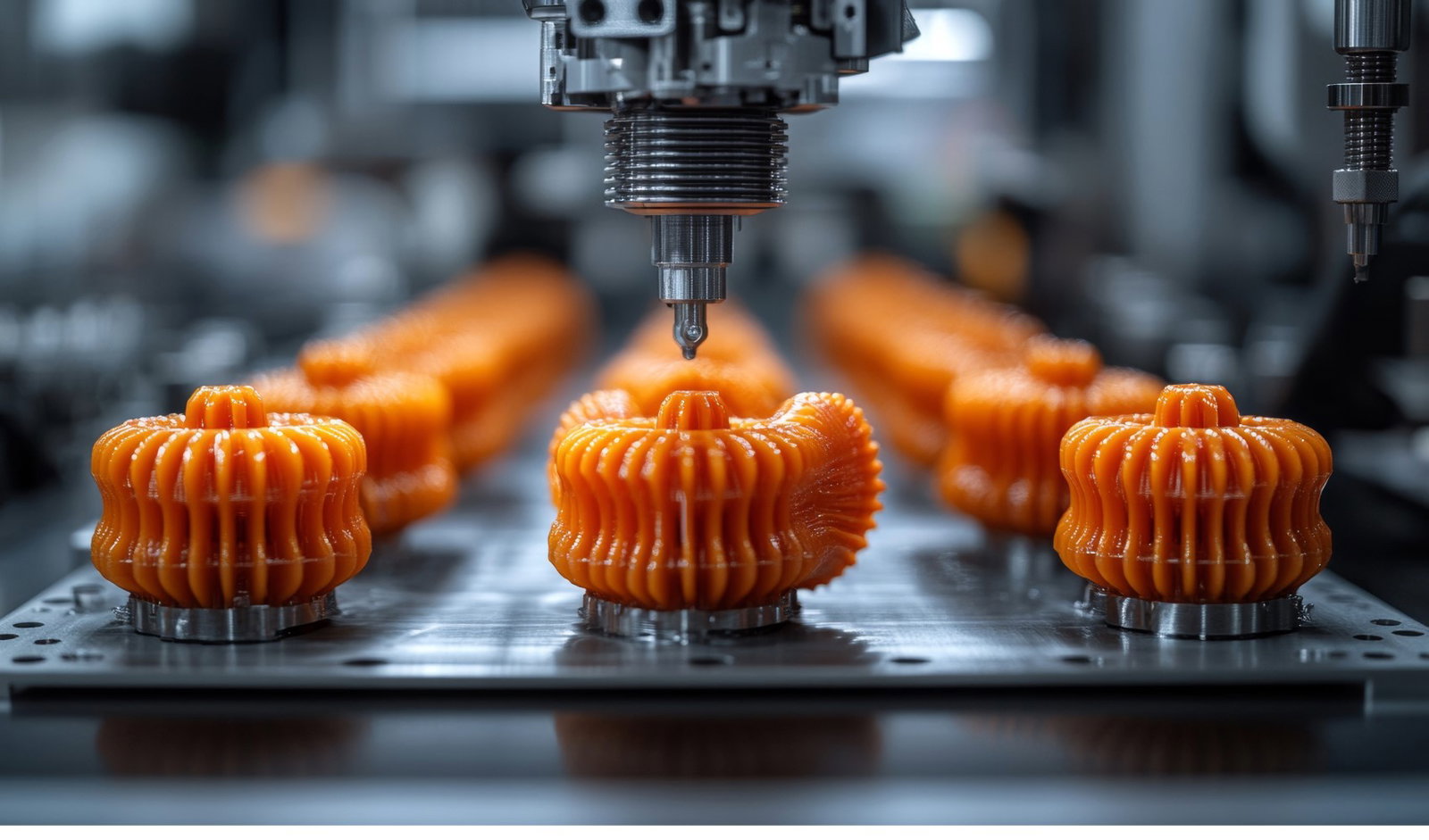
Consider a company manufacturing specialized electronic enclosures. Instead of ordering thousands of identical cases, it can produce smaller batches based on changing customer requirements. This approach can reduce excess inventory and help businesses respond to demand fluctuations.
However, 3D printing vs injection molding remains an important consideration. Injection molding generally becomes more economical for large quantities of identical components, while 3D printing can offer advantages for smaller batches, complex geometries, and frequent design changes. The choice ultimately depends on production volume, material requirements, quality standards, and total manufacturing costs.
3. Manufacturing Spare Parts And Replacement Components
A small broken component can sometimes bring an entire production line to a halt. When replacement parts are unavailable or discontinued, businesses may face expensive downtime.
This is where 3D printed spare parts can provide an alternative. Instead of maintaining extensive physical inventories, manufacturers can store approved component designs digitally and produce suitable replacements when required.
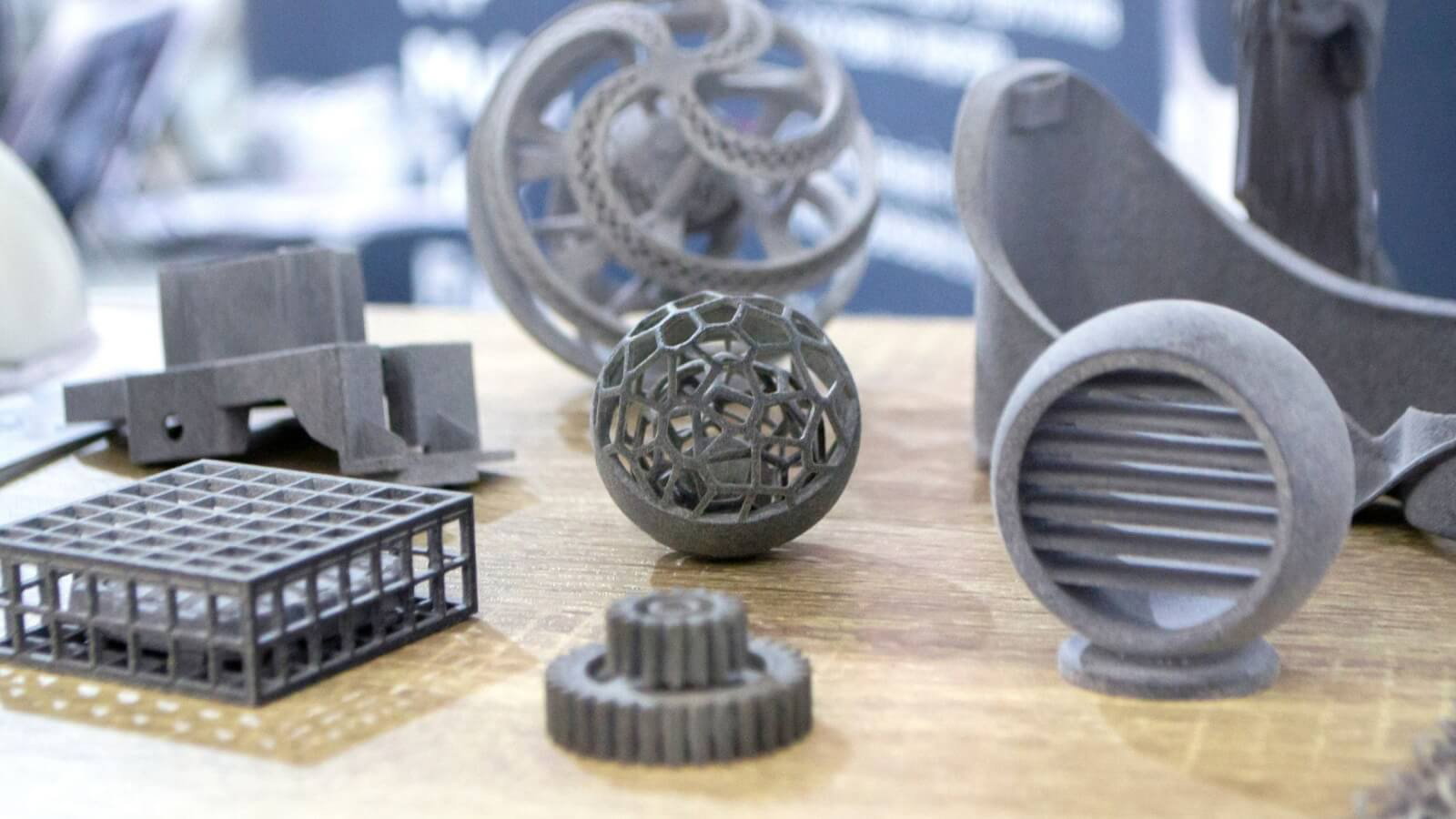
For instance, Siemens Mobility uses additive manufacturing to supply selected replacement components for railway operations. Its approach demonstrates how digital inventories can support maintenance and reduce dependence on traditionally stocked parts.
Similarly, manufacturers can create replacement brackets, protective covers, handles, and other noncritical components when original parts are difficult to obtain. However, not every component can be safely reproduced through 3D printing. Parts exposed to extreme temperatures, mechanical stress, or strict safety requirements must undergo appropriate material selection, testing, and certification.
4. Producing Lightweight Industrial Components
Weight reduction matters in industries where every additional kilogram affects performance, fuel consumption, or operating costs. Aerospace and automotive manufacturers increasingly explore additive manufacturing to produce lightweight components without compromising required functionality.
One notable example comes from GE Aviation, now part of GE Aerospace, which used metal 3D printing to redesign a jet engine fuel nozzle. The technology combined approximately 20 traditionally assembled pieces into a single component, reducing its weight by around 25%.
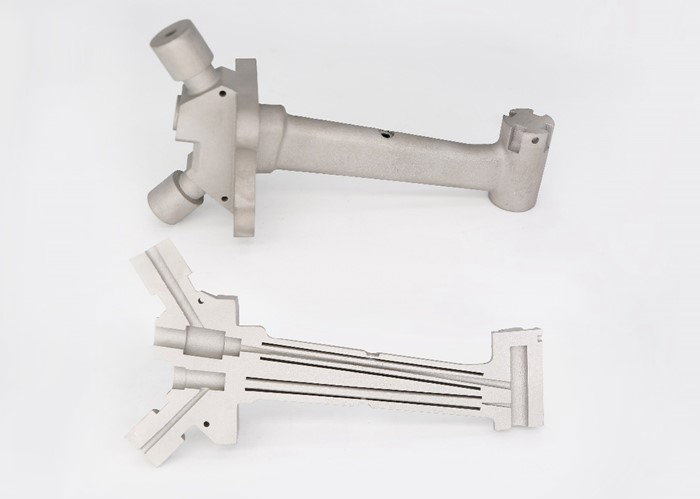
Such applications demonstrate one of the biggest advantages of industrial 3D printing: the ability to create intricate internal structures that would be difficult or expensive to manufacture conventionally.
Engineers can develop lattice structures, optimize material placement, and consolidate multiple components into a single design. These capabilities can reduce assembly requirements and improve product performance when properly engineered and validated.
Of course, manufacturing efficiency isn't always about producing lighter parts. Sometimes, the biggest advantage comes from creating products that fit individual requirements.
5. Creating Customized Medical And Dental Products
Healthcare is among the industries demonstrating how 3D printing can support highly personalized manufacturing. Medical professionals use the technology to create anatomical models, surgical planning tools, patient-specific guides, and selected implants or prosthetic components.
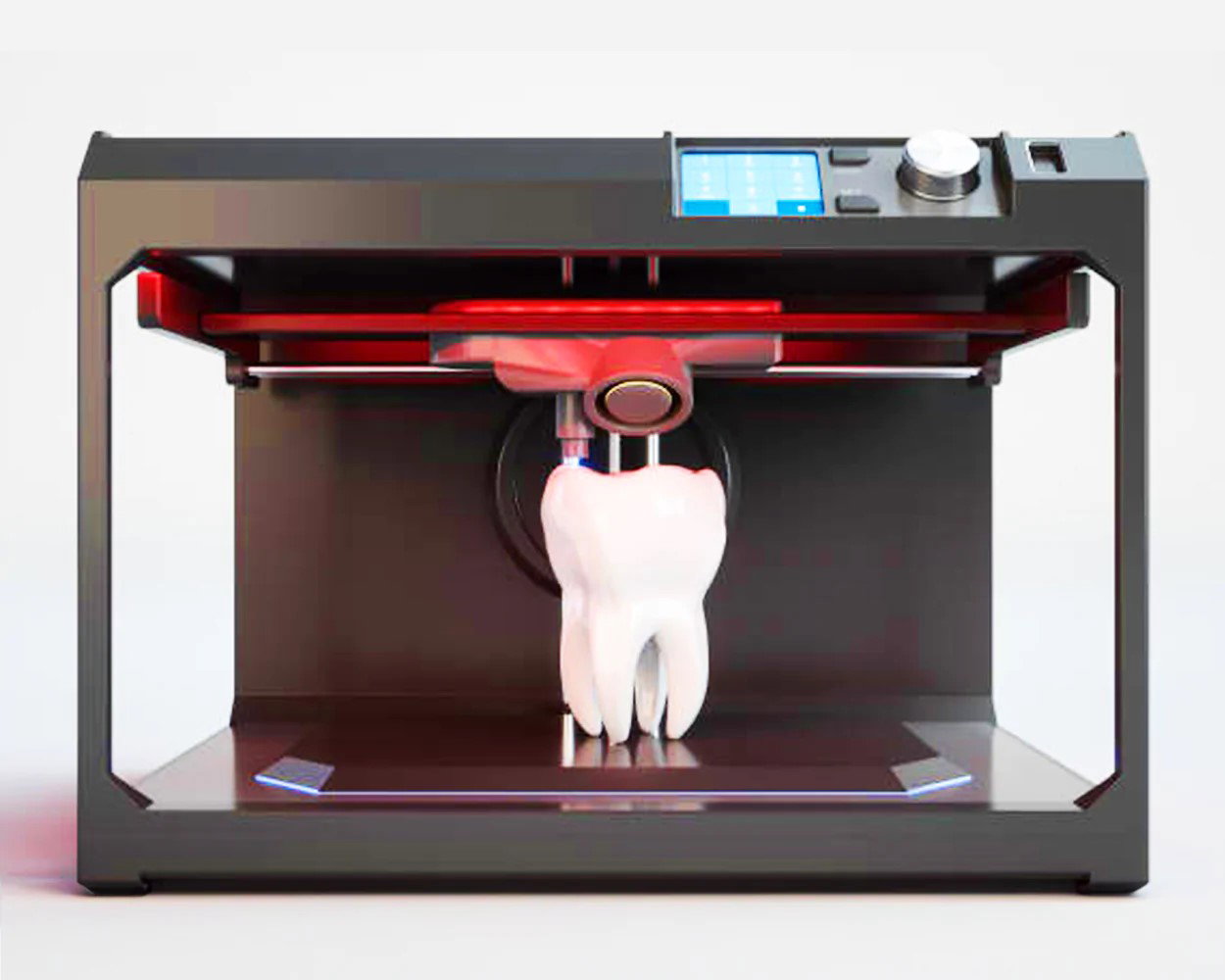
For example, surgeons can examine a physical model of a patient's anatomy before performing a complex procedure. Such models can help medical teams understand anatomical structures and prepare surgical approaches.
Topics For More Insights
Dental laboratories also use 3D printing to manufacture dental models, surgical guides, and certain orthodontic appliances. Unlike conventional mass production, where products generally follow standardized dimensions, additive manufacturing makes it possible to adapt designs to individual anatomical requirements.
Nevertheless, medical applications demand strict attention to biocompatibility, accuracy, sterilization, and regulatory requirements. Not every printing material or process is suitable for clinical use. The same customization capabilities are also creating opportunities beyond healthcare, especially for businesses serving niche consumer markets.
6. Developing Personalized Consumer Products
Customers increasingly appreciate products that reflect their individual preferences, and 3D printing gives businesses additional ways to deliver that personalization. Jewelry designers can manufacture intricate patterns, while eyewear brands can develop frames with customized dimensions.
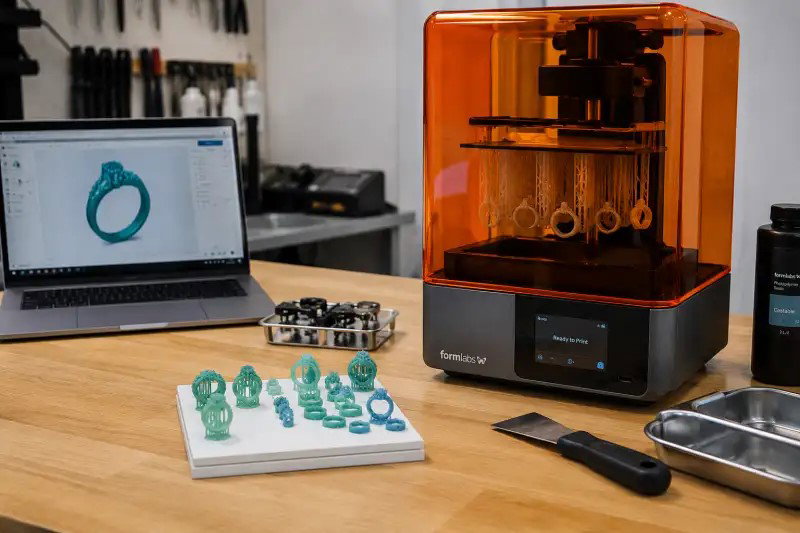
Businesses producing home accessories, collectibles, and decorative products can also experiment with unique designs. For small businesses, the benefits of 3D printing extend beyond customization.
A startup selling personalized desk accessories, for example, can test different designs without purchasing costly molds or committing to large inventory orders. This makes it easier to introduce limited-edition products, evaluate customer demand, and refine offerings based on actual purchases.
However, businesses still need to consider material durability, finishing quality, production time, and printing costs before deciding whether a product is commercially viable.
7. Building Architectural Models And Construction Components
Construction is another industry exploring practical 3D printing uses, particularly for architectural modeling and selected building components. Architects can produce detailed physical models directly from digital designs, helping clients visualize structures before construction begins.
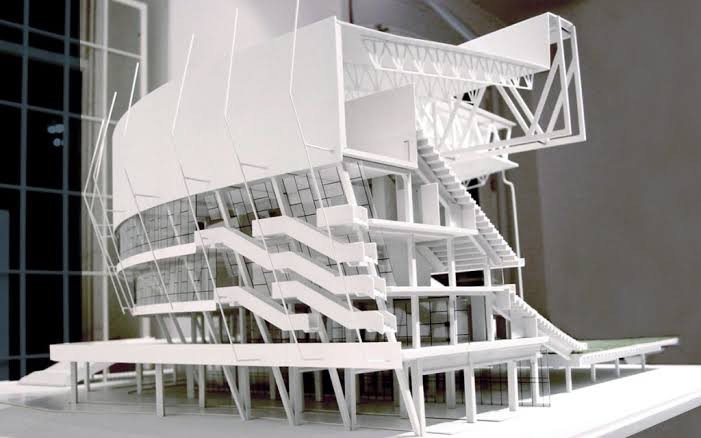
Meanwhile, large-scale construction printers can deposit specially formulated materials in successive layers to create walls and other structural elements. Companies such as ICON have demonstrated this approach through residential construction projects, including communities featuring 3D-printed wall systems.
For construction businesses, potential advantages include reduced formwork requirements, greater design flexibility, and more controlled material placement. However, printing a building's walls does not mean the entire building is 3D printed. Foundations, roofing, electrical systems, plumbing, and finishing work often continue to rely on conventional construction methods.
Building codes, material performance, equipment costs, and skilled labor requirements also influence commercial adoption. Even so, these developments illustrate how additive manufacturing is expanding beyond factory floors into larger and more complex projects.
Is 3D Printing Cost-Effective For Businesses?
The answer depends on what a business needs to manufacture.
3D printing can be cost-effective when production involves low volumes, frequent design changes, intricate geometries, or customized components. It can reduce upfront tooling expenses and support faster product development.
However, material costs, machine maintenance, post-processing, quality inspections, and production time must be considered when evaluating the total cost per part.
For high-volume manufacturing of standardized products, conventional methods such as injection molding may remain more economical. Businesses should therefore evaluate the complete production process rather than assuming that 3D printing automatically reduces costs.
Conclusion
3D printing has evolved from a prototyping tool into a practical manufacturing option for businesses across multiple industries.
Whether companies are developing products, producing replacement components, personalizing consumer goods, or exploring new construction techniques, additive manufacturing offers opportunities to improve flexibility and rethink traditional production processes. Still, successful adoption requires choosing applications where the technology delivers measurable value.
For businesses considering 3D printing, the most effective starting point is identifying a specific production challenge, evaluating the costs, and testing whether additive manufacturing provides a better solution. After all, the real opportunity isn't simply printing more products. It's discovering smarter ways to make them.
Frequently Asked Questions
How Can Businesses Integrate 3D Printing Into Existing Manufacturing Workflows?
Businesses can integrate 3D printing by identifying low-volume components, prototyping requirements, and production bottlenecks. Combining additive manufacturing with traditional processes enables hybrid production workflows, reduces tooling dependencies, and improves operational flexibility.
What Are The Key Challenges Of Scaling 3D Printing For Mass Production?
Scaling industrial 3D printing involves challenges such as material consistency, production speed, quality control, and high equipment costs. Businesses must also address process standardization, post-processing requirements, and regulatory compliance to maintain consistent product quality.
How Does 3D Printing Support Digital Supply Chains And Distributed Manufacturing?
3D printing enables businesses to store component designs digitally and manufacture parts closer to their point of use. This distributed manufacturing approach can reduce inventory requirements, shorten lead times, and improve supply chain resilience, provided quality standards and intellectual property protections are maintained.
Last Updated on Thu, Nov 19, 2026

Liked what you read? That’s only the tip of the tech iceberg!
Explore our vast collection of tech articles including introductory guides, product reviews, trends and more, stay up to date with the latest news, relish thought-provoking interviews and the hottest AI blogs, and tickle your funny bone with hilarious tech memes!
Plus, get access to branded insights from industry-leading global brands through informative white papers, engaging case studies, in-depth reports, enlightening videos and exciting events and webinars.
Dive into TechDogs' treasure trove today and Know Your World of technology like never before!
Disclaimer - Reference to any specific product, software or entity does not constitute an endorsement or recommendation by TechDogs nor should any data or content published be relied upon. The views expressed by TechDogs' members and guests are their own and their appearance on our site does not imply an endorsement of them or any entity they represent. Views and opinions expressed by TechDogs' Authors are those of the Authors and do not necessarily reflect the view of TechDogs or any of its officials. While we aim to provide valuable and helpful information, some content on TechDogs' site may not have been thoroughly reviewed for every detail or aspect. We encourage users to verify any information independently where necessary.
Loading comments...