
Consumer Electronics Technology
10 Coolest Gadgets From COMPUTEX 2026
Share
TL;DR
-
NVIDIA RTX Spark: Best for anyone buying a Windows laptop this fall, because it brings desktop-class RTX GPU performance and 1 petaflop of AI processing into a single ARM chip that rivals Apple's M-series.
-
Microsoft Surface Laptop Ultra: Best for creative professionals, because it's the first Surface powered by NVIDIA silicon, with a 2,000-nit mini-LED display and a haptic touchpad that actually talks back to you.
-
Dell XPS 13: Best for students and budget-conscious buyers, because it undercuts the MacBook Neo on price while including a touchscreen, backlit keyboard, and Wi-Fi 7 that Apple simply doesn't offer at that price point.
-
ASUS ROG Strix SCAR 18: Best for hardcore gamers who want maximum power, because 320W of total system power and a user-upgradeable 128GB RAM and 8TB SSD make it the most capable gaming laptop on the market.
-
Alienware AW3926QW: Best for gamers and creatives who share a desk, because it's the world's first 39-inch 5K OLED with RGB stripe subpixels — finally making ultrawide OLED monitors great for text and productivity too.
-
Gigabyte Aorus C510 Glass Infinity: Best for PC builders who want a secondary display without the clutter, because it's the first case with a built-in 16-inch 165Hz gaming panel that can also go vertical and be carried around.
-
Intel Arc G3 Extreme: Best for handheld gaming upgraders, because it's Intel's first purpose-built handheld chip, and it already beats AMD's best in early benchmarks while bringing XeSS 3 multi-frame generation to portable gaming.
-
MSI Claw 8 EX AI+: Best for handheld gamers who want no compromises, because it pairs the Arc G3 Extreme with Hall-Effect inputs that won't drift, a full haptic system, and the best controller layout in the handheld category.
-
Asus ZenWiFi BN12: Best for large homes and remote workers, because Wi-Fi 8 speeds up to 19Gbps, dual 10G Ethernet, and mobile tethering backup make it the most future-ready home router announced in 2026.
-
Asus Ascent QN10: Best for developers and AI researchers, because it's the world's first mini PC with an 80 TOPS NPU, quad 4K monitor support, and a Qualcomm AI Hub connection — all in a compact desktop footprint.
Introduction
Do you remember the first Captain America movie from the MCU (Marvel Cinematic Universe)?
The first movie was focused on Steve Rogers’ grit, courage, and strong moral character.
What we found interesting about the movie was that even though it was set during World War II (spanning from 1942 to 1945), it wasn’t short of technological marvels to make even today’s scientists envious.
Aside from Dr. Abraham Erskine’s formula that gave Captain America his abilities, the movie began with the first Stark Expo, a technology exposition set during the World Exposition of Tomorrow in New York that showcased upcoming and concept technologies.
Interestingly, Stark Expos weren’t held annually but decennially (every 10 years).
However, in the real world, we have a wide range of technology expos that return every year.
This includes COMPUTEX, one of the world's largest annual technology and computer trade fairs held in Taipei, Taiwan. The event features the next generation of consumer products that are about to hit the market, while also dabbling in concepts that one day might be available for purchase.
In today’s article, we will be exploring the coolest gadgets from COMPUTEX. Let’s go.
10 Coolest Gadgets From COMPUTEX
COMPUTEX is also known as COMPUTEX TAIPEI or the Taipei International Information Technology Show. Founded in 1981, it is not only one of the most anticipated tech events, but also one of the oldest events.
COMPUTEX 2026’s focus revolved around next-gen hardware across artificial intelligence (AI), computing, robotics, and smart mobility.
Here’s a quick look at the top 10 futuristic and best gadgets from COMPUTEX 2026 (in random order).
NVIDIA RTX Spark: Coolest Overall
If COMPUTEX 2026 had a main character, it was the NVIDIA RTX Spark.
NVIDIA's first-ever ARM-based superchip is being pitched as nothing short of a reinvention of the Windows PC. The RTX Spark fuses an NVIDIA Blackwell RTX GPU (delivering graphics performance on par with a desktop RTX 5070) with a 20-core NVIDIA Grace CPU, all inside a chip that NVIDIA calls the most power-efficient RTX chip ever made.
What does that translate to in real life?
Up to 1 petaflop of AI processing power, up to 128GB of unified memory, all-day battery life, and a chip slim enough to fit inside the thinnest laptops ever built under the RTX brand. It also runs CUDA natively, which is the software backbone behind most of the world's AI development.
Gaming, creative workflows, and on-device AI agents, all without reaching for the cloud. RTX Spark-powered laptops are coming from Asus, Dell, HP, Lenovo, Microsoft, and MSI, starting this fall.
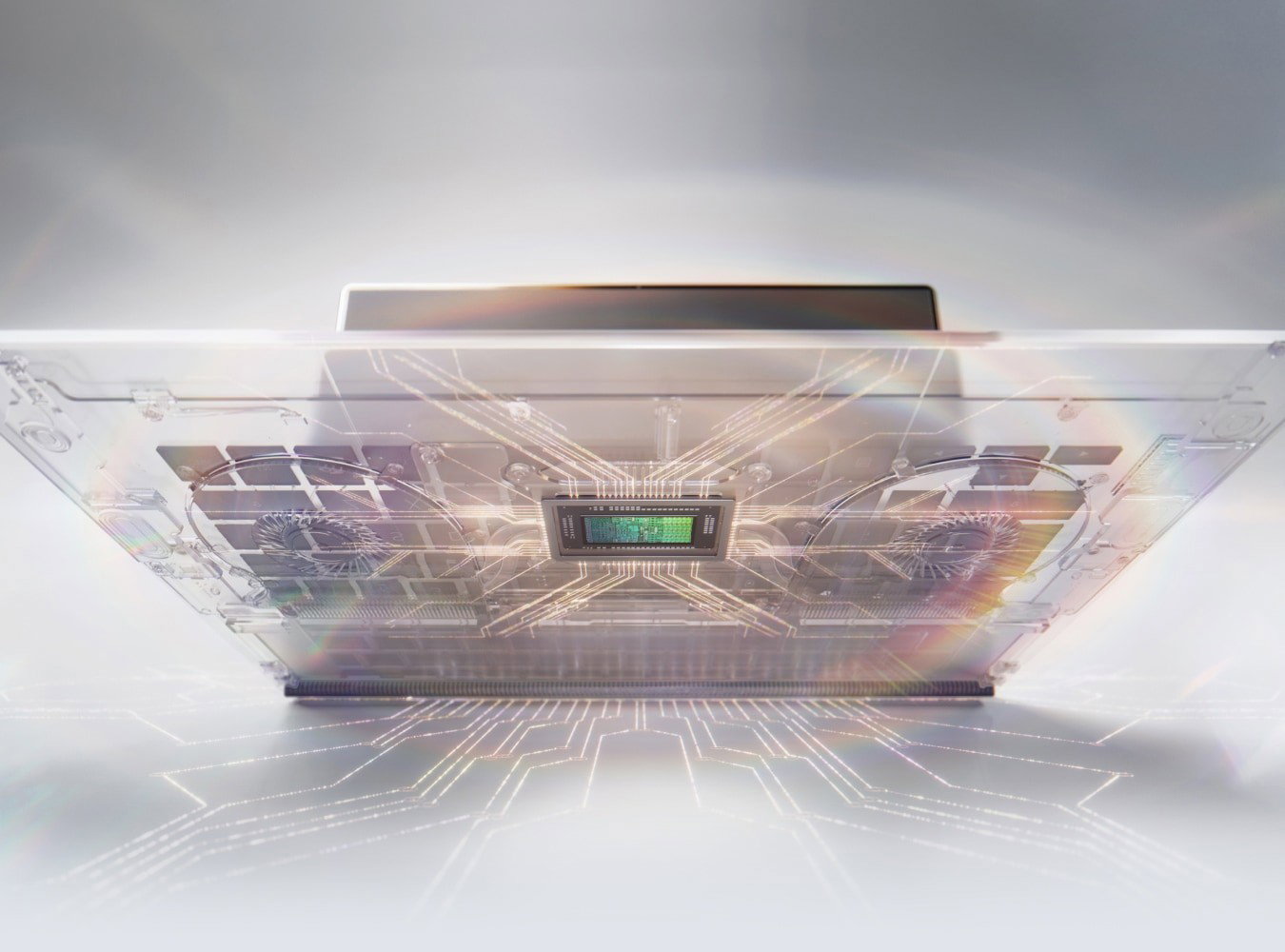
USP: RTX Spark is the first chip to bring desktop-class RTX GPU performance and professional-grade AI processing together in a single ARM-based superchip built for laptops. It comes as a direct answer to Apple's M-series dominance.
Key Feature: Up to 1 petaflop of FP4 AI performance, combined with graphics power equivalent to an NVIDIA RTX 5070 desktop GPU.
Pricing: Varies based on laptop.
Availability: Fall 2026, across laptops from Asus, Dell, HP, Lenovo, Microsoft Surface, and MSI, as well as compact desktops.
Best For: Anyone buying a new Windows laptop this year. This chip will be in nearly every premium Windows device worth considering.
Microsoft Surface Laptop Ultra: Coolest Laptop
MacBook Pro's worst nightmare!
NVIDIA showed off what the RTX Spark can do on paper. Microsoft showed off what it looks like in practice.
Microsoft’s Surface Laptop Ultra is the most ambitious Surface ever built. It runs on the RTX Spark chip, which means gaming, creative work, and AI tasks are all handled locally, without a cloud subscription draining your wallet. The hardware itself is equally impressive, spanning a fully CNC-machined aluminum chassis under 18mm thin and weighing under 4.5 pounds, available in Platinum and a new Nightfall finish.
The 15-inch mini-LED PixelSense Ultra display hits up to 2,000 nits of peak HDR brightness at 262 ppi with a 3:2 aspect ratio that gives you more vertical screen space. The touchpad is over 30% larger than its predecessor and uses haptic feedback that communicates back to you through the OS.
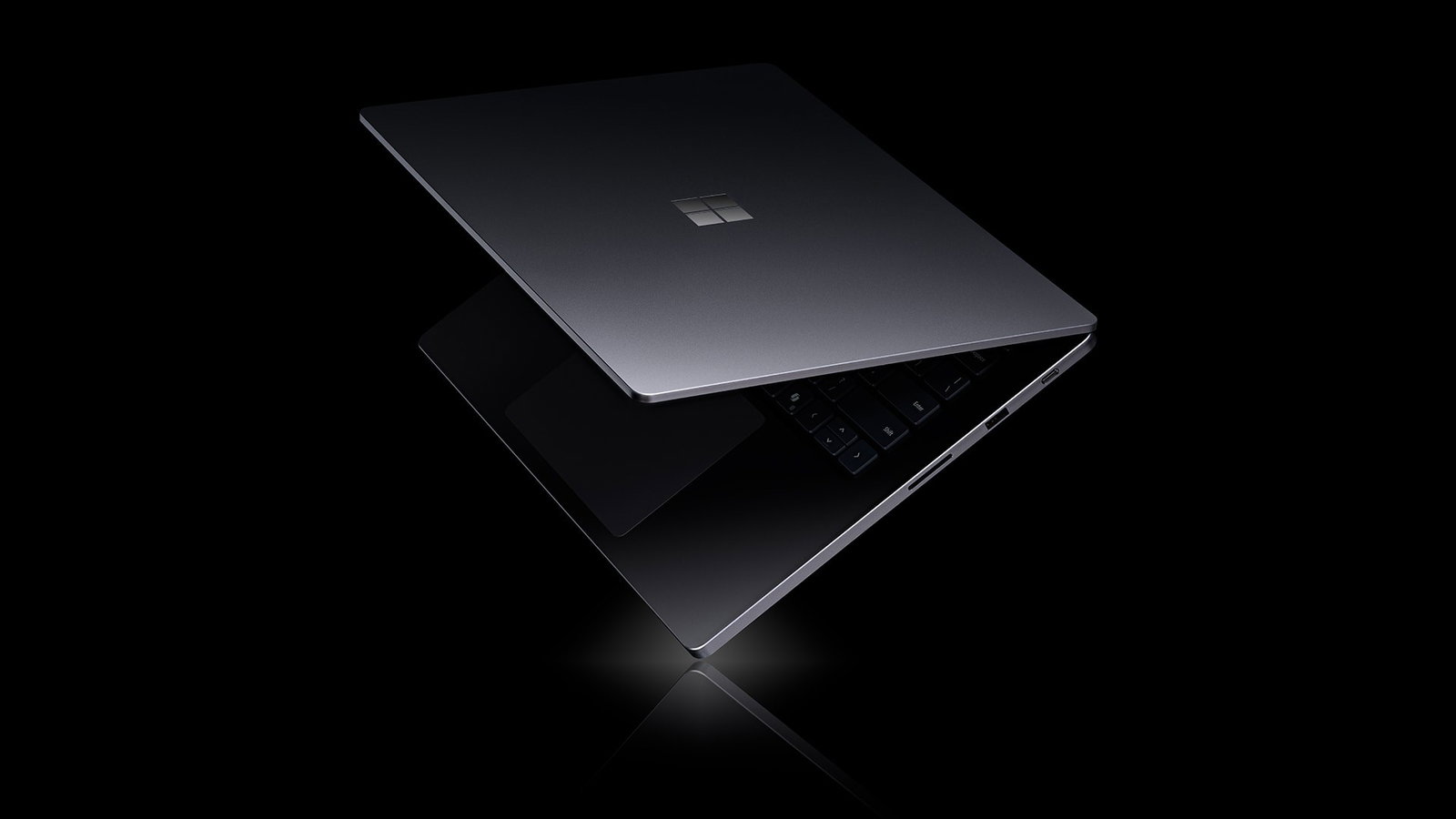
USP: The Surface Laptop Ultra is the first Microsoft laptop to run on NVIDIA silicon, combining the RTX Spark chip with a 2,000-nit mini-LED display, an oversized haptic touchpad, and up to 128GB of unified memory in a chassis thinner than most productivity laptops.
Key Feature: The new haptic touchpad goes beyond simulating clicks — it delivers tactile feedback while navigating the Windows 11 UI.
Pricing: TBA
Availability: Fall 2026
Best For: Creative professionals and power users who want MacBook Pro performance levels in a Windows machine.
Dell XPS 13: Coolest Budget Laptop
At 12.7mm thin and just 1kg (2.2 lbs), the new Dell XPS 13 is built for students and young professionals who are tired of being told that an affordable laptop means a lesser one. It packs a 2.5K touchscreen with 100% DCI-P3 color coverage (the same color standard used in professional film and photography), a backlit keyboard, Intel Wi-Fi 7, quad speakers, and Windows Hello, which aren’t standard on the Apple MacBook Neo.
The display automatically adjusts between 30Hz and 120Hz depending on what's on screen, which contributes to up to 17 hours of streaming battery life. It's powered by Intel Core Series 3 processors (with Core Ultra Series 3 options available after launch) and up to 32GB of RAM.
Dell committed at CES earlier this year to compete at every price point. The XPS 13 delivers on that commitment.
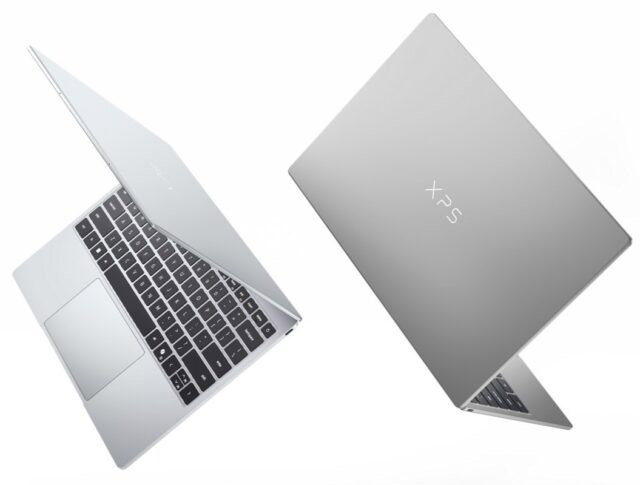
USP: At $599/$699, the XPS 13 undercuts the MacBook Neo while including a touchscreen, backlit keyboard, Intel Wi-Fi 7, and quad speakers; features Apple charges more for or doesn't offer at all.
Key Feature: A 2.5K touch display with 100% DCI-P3 color coverage and variable refresh rate from 30Hz to 120Hz, with up to 17 hours of battery life.
Pricing: Starting at $599 for eligible students (back-to-school season); $699 for everyone else.
Availability: June 16, 2026. XPS 13 with Intel Core Ultra Series 3 comes later this summer.
Best For: Students and young professionals wanting a premium, lightweight Windows laptop without premium pricing.
ASUS ROG Strix SCAR 18: Coolest Gaming Laptop
Some machines are built to be practical. The ASUS ROG Strix SCAR 18 is built to be unstoppable.
This is ASUS's flagship gaming laptop for 2026, and it earns that title with specs that make most gaming desktops look modest. Inside, you get an Intel Core Ultra 9 290HX Plus processor paired with up to an NVIDIA GeForce RTX 5090 Laptop GPU with 175 W Max TGP, which, when you push the system into Manual mode, adds another 50W to the CPU, bringing the total system power to 320W.
Keeping all of that cool is a ROG Intelligent Cooling system that uses an end-to-end vapor chamber and a Tri-Fan setup.
The display is an 18-inch 4K mini-LED panel with over 2,000 dimming zones, 240Hz refresh rate, 100% DCI-P3 color coverage, and a 16:10 aspect ratio. And here's the part that most gaming laptops skip. Both the RAM (up to 128GB DDR5) and SSD storage (up to 8TB via PCIe Gen 5) are user-upgradeable through a tool-free access panel.
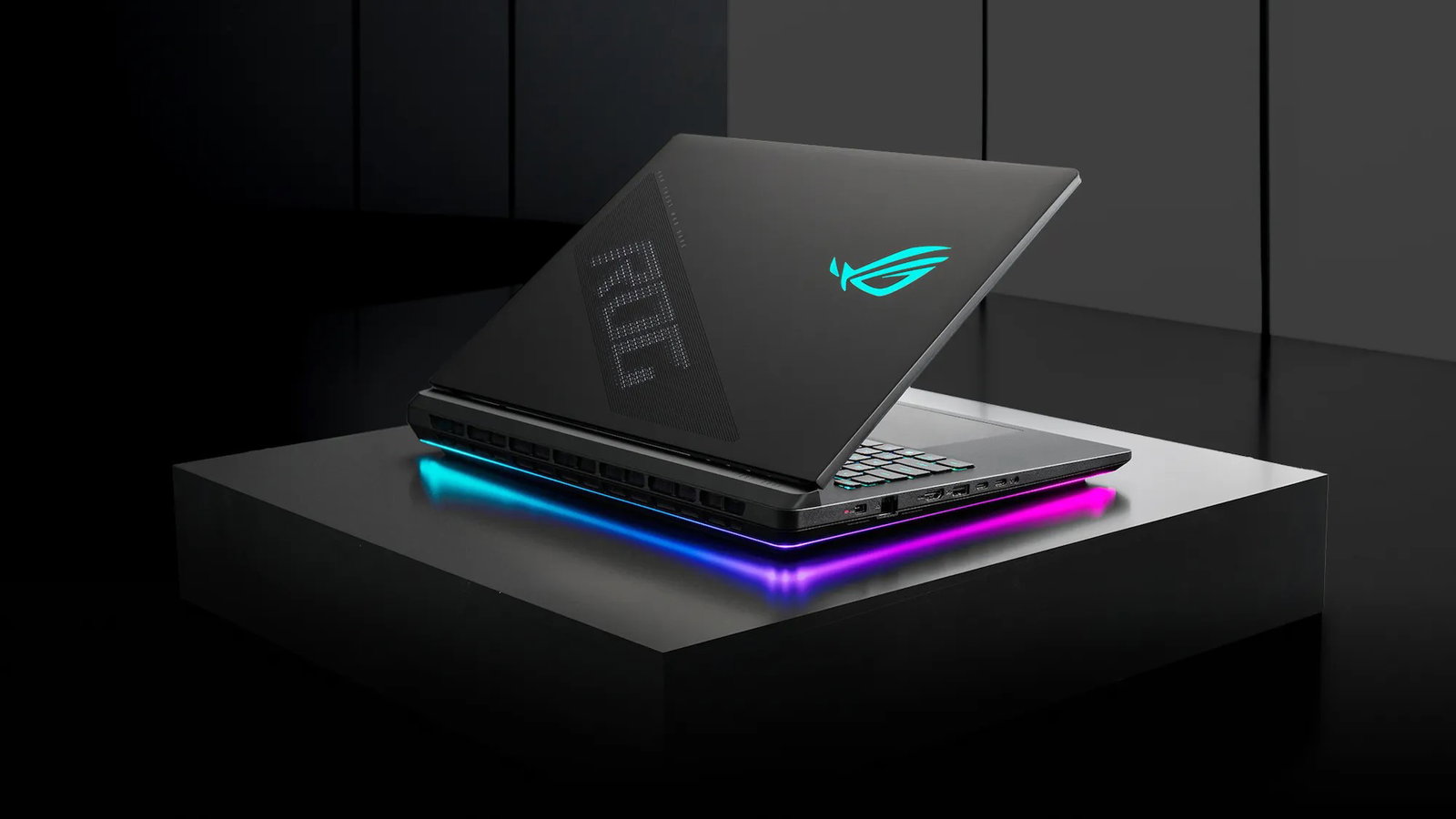
USP: The SCAR 18 is one of the few gaming laptops that lets you upgrade both RAM and storage yourself without tools, pairing that long-term flexibility with a 320W power ceiling that no other 18-inch laptop currently matches.
Key Feature: Up to 320W total system power with an RTX 5090 Laptop GPU running at 175 W, making it the highest GPU power budget available in a gaming laptop today.
Pricing: TBA
Availability: TBA
Best For: Hardcore gamers and content creators who want the most powerful Windows gaming laptop money can buy.
Alienware AW3926QW 39 5K OLED Gaming Monitor: Coolest Monitor
Blurry text on OLED monitors has been one of the worst-kept secrets in the display industry. High-end screens, stunning colors, deep blacks, but then you open a Word document and wince.
The Alienware AW3926QW fixes that.
This 39-inch 5K2K curved ultrawide is the world's first monitor to use RGB stripe tandem OLED technology, which rearranges the subpixel layout to deliver razor-sharp text rendering. No more blurry letters as the price of admission for beautiful visuals. The panel itself is glossy, curved at 1500R, and hits 1,300 nits of brightness with HDR 500 True Black certification, DisplayPort 2.1, HDMI 2.1, and USB-C connectivity.
It also features a dual-mode design: run it at 5K resolution and 165Hz for single-player immersion or drop to 1080p at 330Hz for competitive multiplayer. A built-in KVM switch lets you control multiple computers with a single keyboard and mouse. Dell unveiled this alongside its updated AW3426DW at COMPUTEX, ahead of Alienware's 30th anniversary.
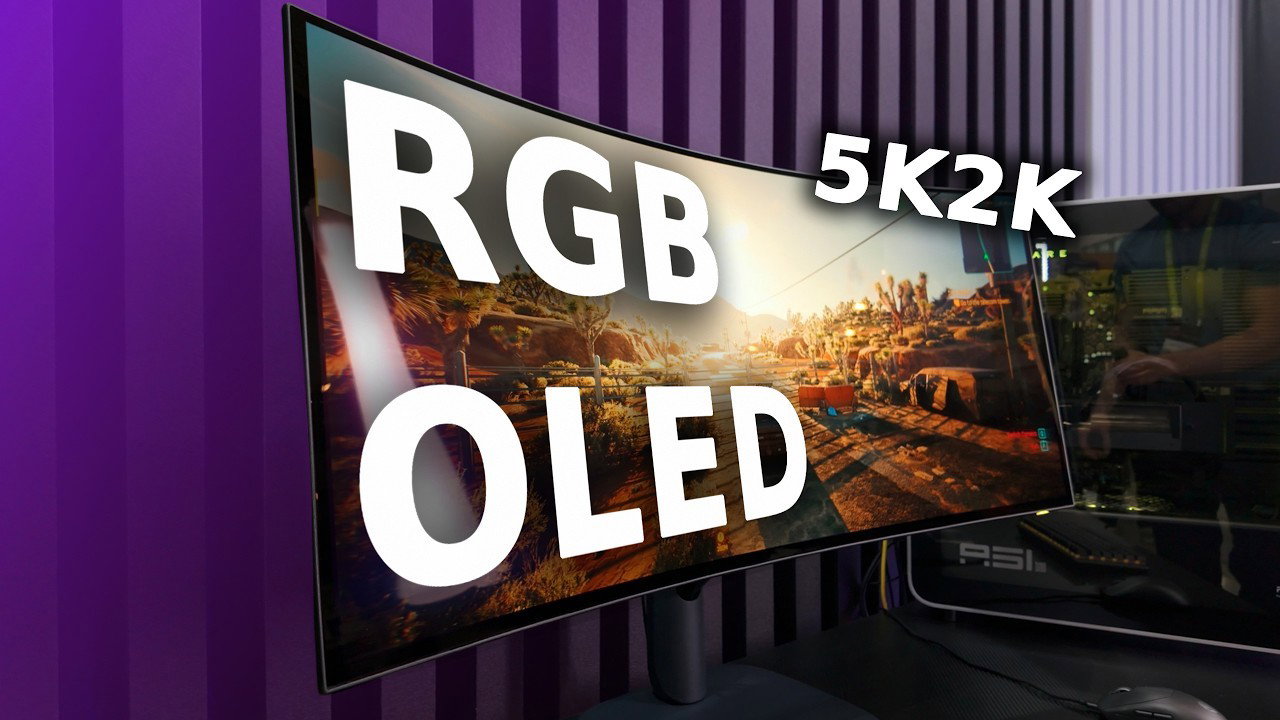
USP: It’s the world's first 39-inch 5K OLED monitor that comes with RGB stripe subpixels, meaning it's the first ultrawide OLED that's equally good for productivity or text-heavy work and gaming.
Key Feature: RGB stripe tandem OLED panel with dual-mode display: 5K at 165Hz for immersive gaming, or 1080p at 330Hz for multiplayer games.
Pricing: TBA
Availability: TBA
Best For: Gamers and creative professionals who want one ultrawide display that excels at both.
Gigabyte Aorus C510 Glass Infinity: Coolest PC Case
What if your PC case were also a monitor? That's not hypothetical anymore!
The Gigabyte Aorus C510 Glass Infinity is a micro ATX case with a 16-inch 1080p, 165Hz LCD panel built directly into its side panel.
You read that right.
It's the kind of product that makes you do a double take at the show floor. The case itself is no slouch either. 25L of internal capacity supports back-connect motherboards, 240mm radiators, standard ATX power supplies, and enough room for a full GeForce RTX 5090.
The screen can sit on either side of the chassis, and thanks to modular feet, the entire case can convert to a vertical orientation, while those feet double as a carry handle. Gigabyte has noted that the current prototype needs a brightness boost to handle bright environments, and they're actively working on it.
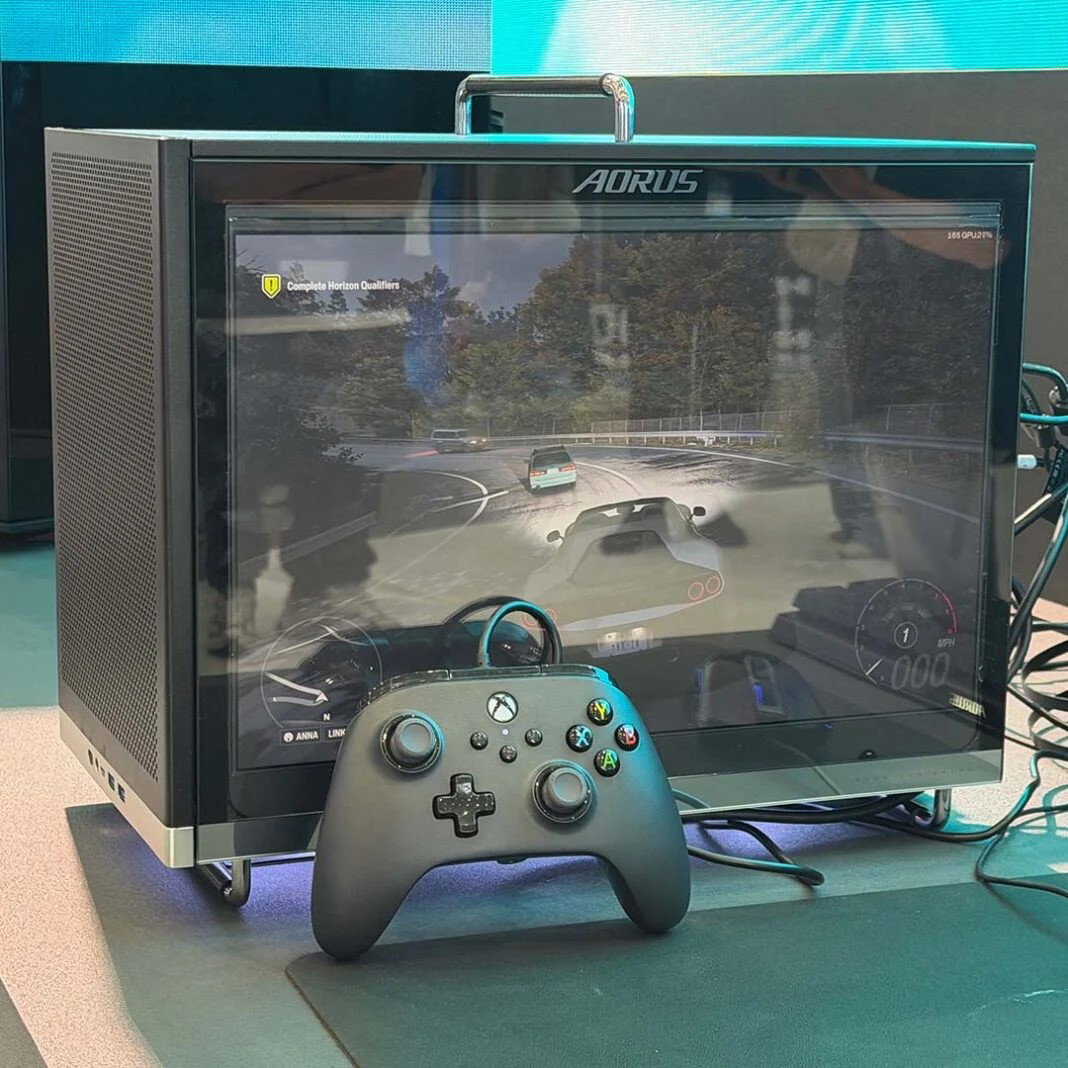
USP: The Aorus C510 Glass Infinity is the first PC case with a built-in 165Hz gaming display, turning what's usually a static window into your PC into an actual usable screen.
Key Feature: A 16-inch 1080p 165Hz side-panel display that can be repositioned, with a convertible chassis that goes vertical and doubles as a carry handle.
Pricing: TBA
Availability: TBA
Best For: PC builders who want a secondary display in their setup without adding another desk item. People who love space-saving.
Intel Arc G3 Extreme: Coolest Processor
For a while, AMD had handheld gaming almost entirely to itself. That changes now.
Intel's Arc G3 Extreme is the company's first processor purpose-built for gaming handhelds, and early benchmarks from the COMPUTEX show floor suggest AMD has a real fight on its hands. Built on Intel's latest Xe3 graphics architecture (the same foundation as the Core Ultra Series 3 Panther Lake laptop chips), the Arc G3 Extreme features 2 P-Cores, 8 E-Cores, and 4 LP E-Cores (a total of 14 cores). Manufactured on Intel's 18A process, it is the most advanced chip manufacturing node currently made in the United States.
The GPU side packs Intel Arc B390 graphics with 12 Xe cores and a 30W TDP range, with support for XeSS 3, which includes AI-based resolution upscaling, multi-frame generation, and Xe Low Latency for more responsive inputs.
It also brings integrated Intel Wi-Fi 7 R2, Bluetooth 6, and Thunderbolt 4 to handheld devices. Handheld partners at launch include Acer's Predator Atlas 8, MSI Claw 8 EX AI+, and OneXPlayer.
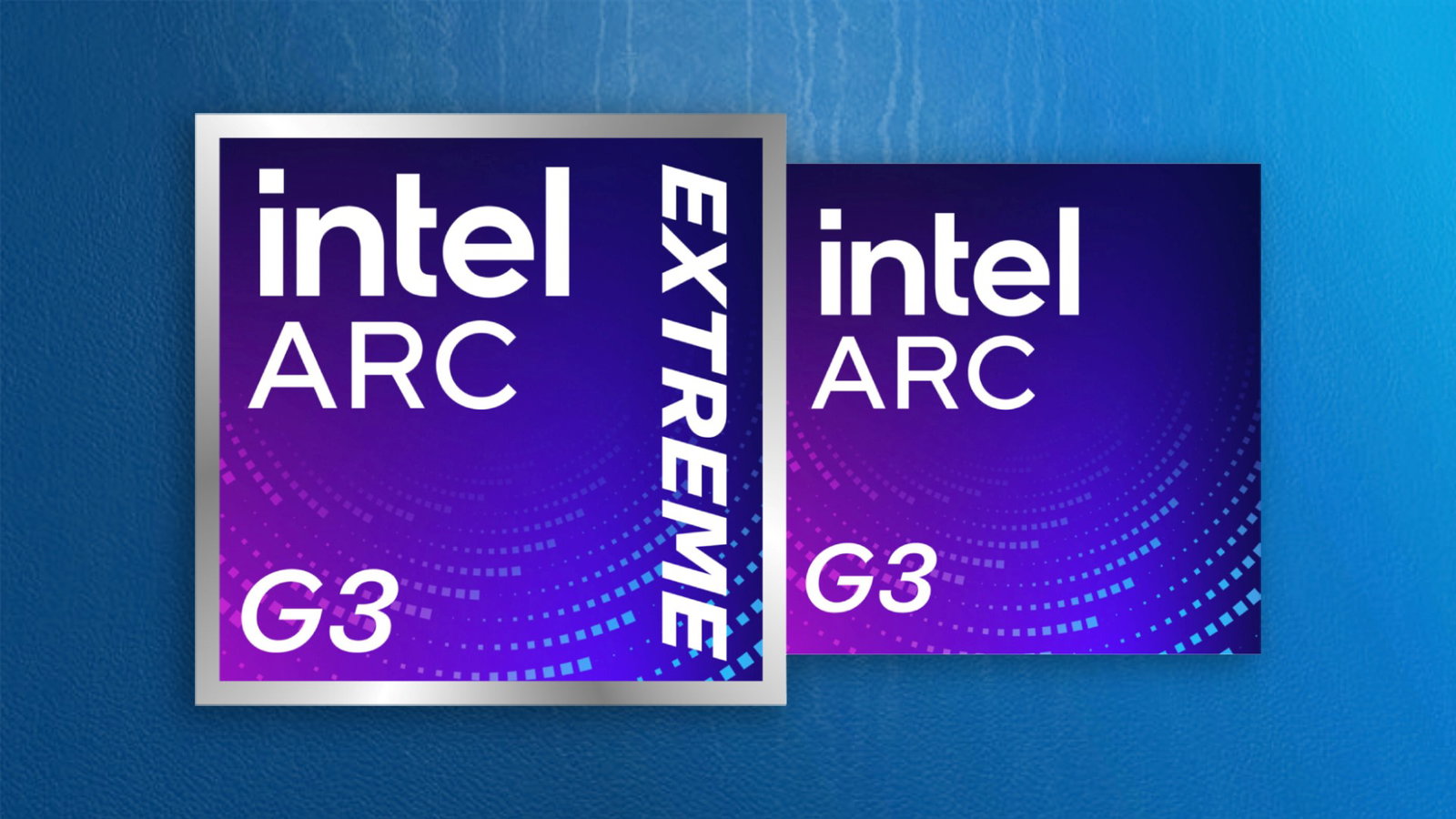
USP: The Arc G3 Extreme is Intel's first dedicated handheld gaming chip, and it already outperforms the AMD Ryzen Z2 Extreme in early benchmarks. It brings XeSS 3 multi-frame generation to handheld gaming for the first time.
Key Feature: XeSS 3 Multi-Frame Generation, which uses AI to generate additional frames and dramatically boost performance on handheld hardware.
Pricing: Varies based on device.
Availability: Arriving soon in handheld devices from Acer, MSI, and OneXPlayer.
Best For: Handheld gaming enthusiasts ready to upgrade from the current AMD-powered generation.
MSI Claw 8 EX AI+: Coolest Gaming Handheld
The MSI Claw 8 EX AI+ arrived at COMPUTEX 2026 and caught the eye of every handheld gaming fan in the room.
This is the world's first gaming handheld powered by Intel's new Arc G3 Extreme processor, and MSI has used the opportunity to rethink practically everything about the device's design.
The controller layout has been rebuilt to feel more like an Xbox gamepad, with Hall-Effect thumbsticks and triggers (which use magnets instead of physical contacts, meaning they won't drift over time), metal dome face buttons, a revised D-pad, and a new high-end linear haptic motor that simulates tactile textures in games. The display is an 8-inch 16:10 panel at 120Hz with variable refresh rate.
Under the hood, the Intel Arc B390 GPU enables XeSS 3 Multi-Frame Generation, which pushed benchmark testers to frame rates previously unthinkable on handheld hardware. The 80Whr battery targets leading battery life for the category. Xbox Mode brings quick resume and on-the-fly setting adjustments with a single button press.
Aesthetically, MSI went with a purple and red colorway with RGB lighting around the thumbsticks, a refreshing departure from the endless parade of black and gray handhelds.
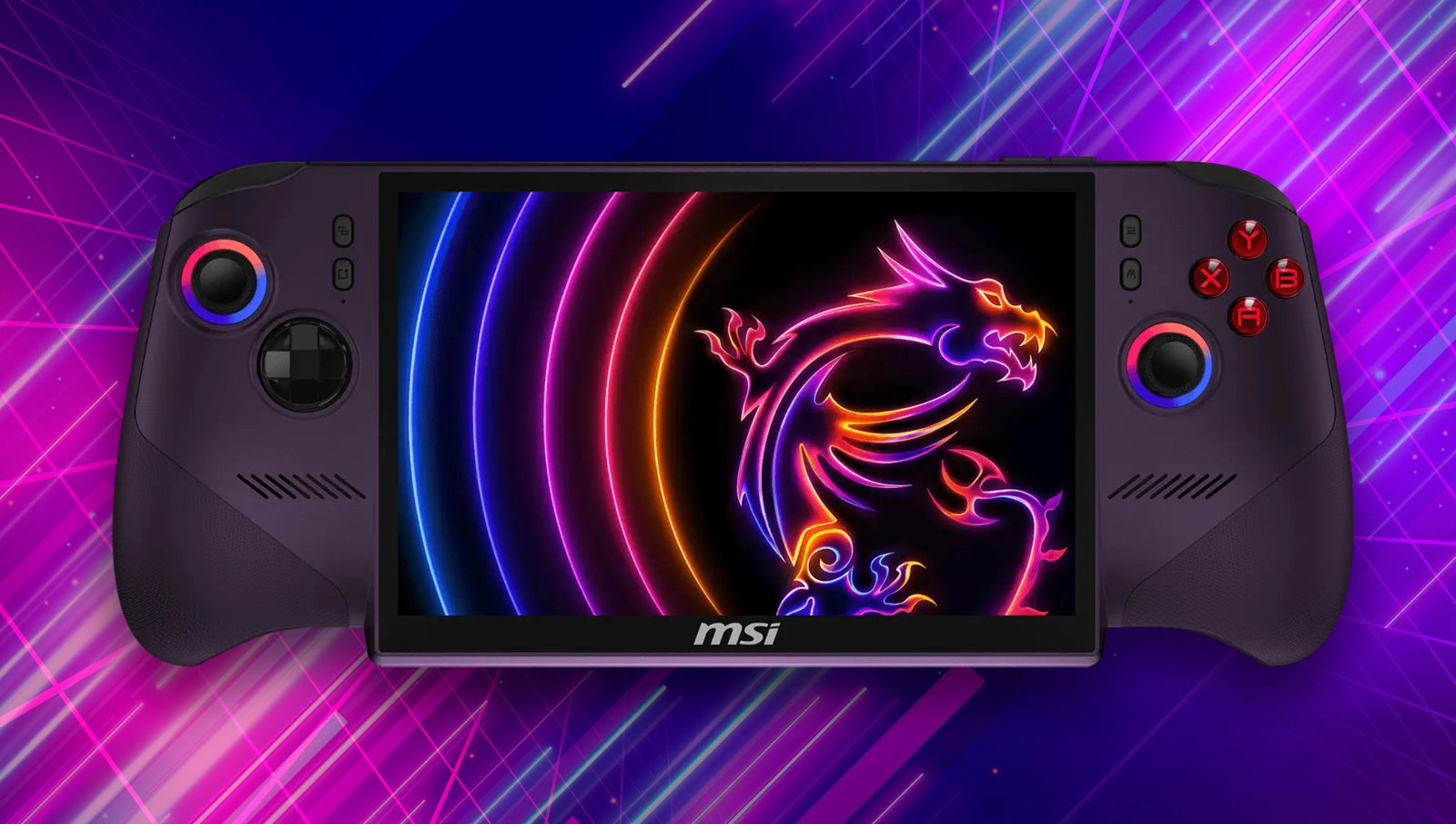
USP: The Claw 8 EX AI+ combines Intel's first purpose-built handheld chip with a fully redesigned Xbox-style controller layout, Hall-Effect inputs, and HD haptics.
Key Feature: Hall-Effect thumbsticks and triggers that eliminate the stick drift problem that has plagued gaming handhelds since their mainstream debut.
Pricing: TBD. Expected to start at $899 (1TB) with the top variant estimated between $1,129 and $1,500.
Availability: June 23, 2026.
Best For: PC gamers who want the most powerful handheld available and don't want to compromise on built quality or controls.
Asus ZenWiFi BN12: Coolest Router
Most routers are the kind of product you buy, tuck behind a shelf, and forget about them until something stops working. The Asus ZenWiFi BN12 is trying to make Wi-Fi 8 feel like an event worth noticing.
Asus teased Wi-Fi 8 at CES earlier this year and arrived at COMPUTEX with not one but two fully realized Wi-Fi 8 routers: the gaming-focused ROG Rapture GT-BN98 Pro and this one, the ZenWiFi BN12. It's the one that makes more sense for most people.
In a clean white and silver design, the BN12 delivers combined tri-band speeds of up to 19Gbps with the new 802.11bn standard for higher reliability and better performance when lots of devices are connected at once. Dual 10 Gigabit Ethernet ports handle wired connections at blistering speeds.
Meanwhile, a USB 3.2 port supports mobile tethering. So, if your internet goes down, you can route through a phone connection without skipping a beat.
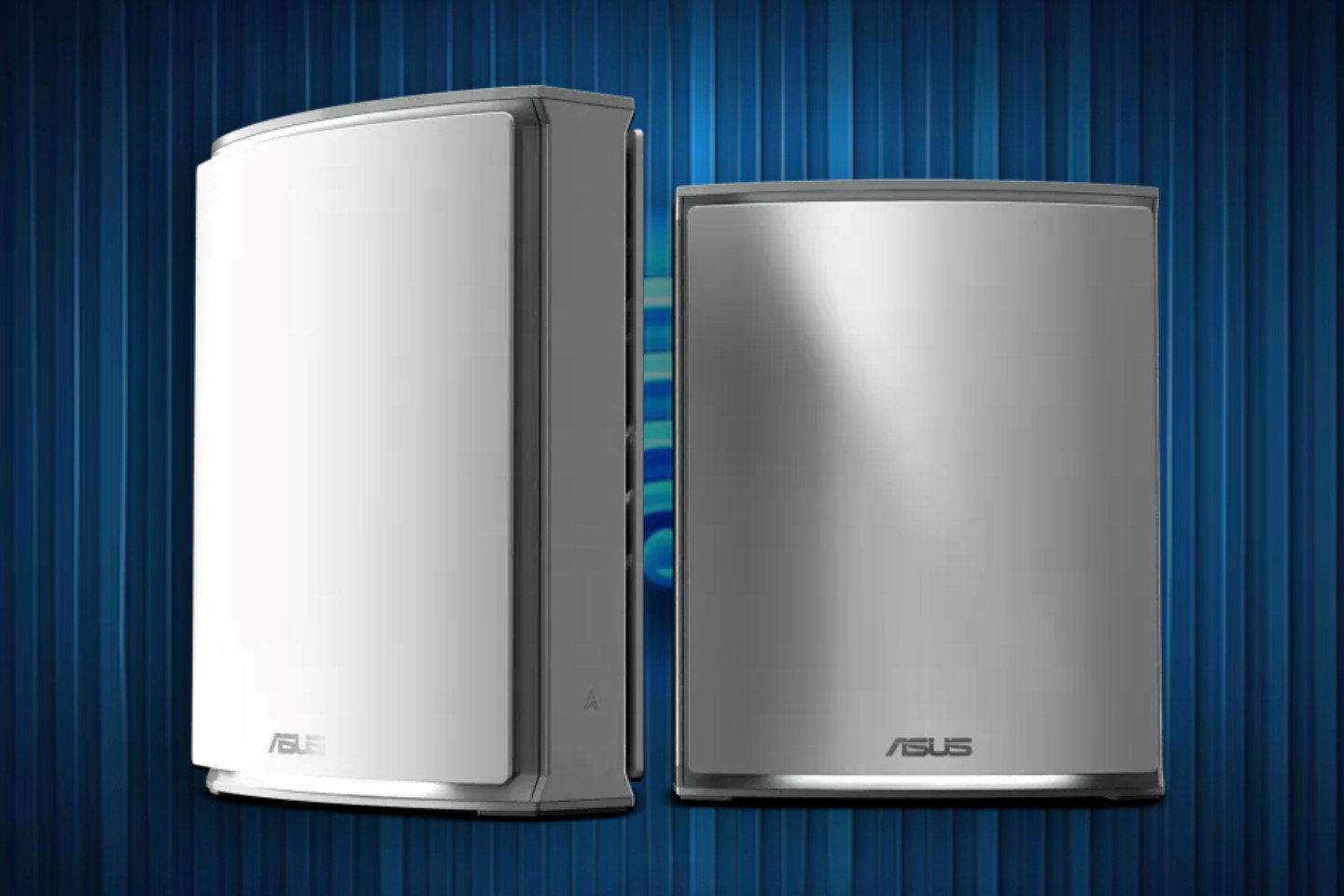
USP: The ZenWiFi BN12 brings Wi-Fi 8 speeds and dual 10G Ethernet to a home-friendly mesh router design, with a USB 3.2 port for mobile tethering that keeps you connected even when your ISP doesn't cooperate.
Key Feature: Tri-band Wi-Fi 8 speeds up to 19Gbps, with dual 10 Gigabit Ethernet ports for wired connections that match the wireless performance.
Pricing: TBA
Availability: TBA
Best For: Home users and remote workers who want future-proof Wi-Fi that covers a large home without dead zones.
Asus Ascent QN10: Coolest Mini PC
Mini PCs have mostly been an Intel and AMD story, but Asus is writing a new chapter with the Ascent QN10, its first Qualcomm-powered mini PC and the world's first mini PC to hit 80 TOPS of AI processing power.
It's built on the Snapdragon X2 Elite chip, which pairs an 18-core Qualcomm Oryon CPU with an integrated Adreno X2 GPU and Qualcomm's Hexagon NPU; the hardware responsible for that 80 TOPS figure, which lets the device run multiple AI workloads simultaneously without breaking a sweat.
Its memory is up to 32GB of LPDDR5x running at 9600MHz, which Qualcomm says delivers up to 20% faster performance with 50% less power than previous generations. You can connect up to four 4K monitors at once, and the port selection covers everything: three USB4 Type-C ports (front and back), three USB 3.2 Type-A ports, a USB 2.0 port, HDMI 2.1, and a 2.5G Ethernet port. Wi-Fi 7 and Bluetooth 5.4 handle wireless.
Security runs chip-to-cloud via Qualcomm's Secure Processing Unit with Microsoft Pluton support. It's also developer-ready out of the box with access to the Qualcomm AI Hub for deploying machine learning models directly on the device.
Asus also showcased the Asus Ascent GX10 mini PC, a compact desktop AI supercomputer built around the NVIDIA GB10 Grace Blackwell Superchip with 128GB of unified memory. It was even awarded a Computex 2026 Best Choice Award in the AI Computing and Tech category.
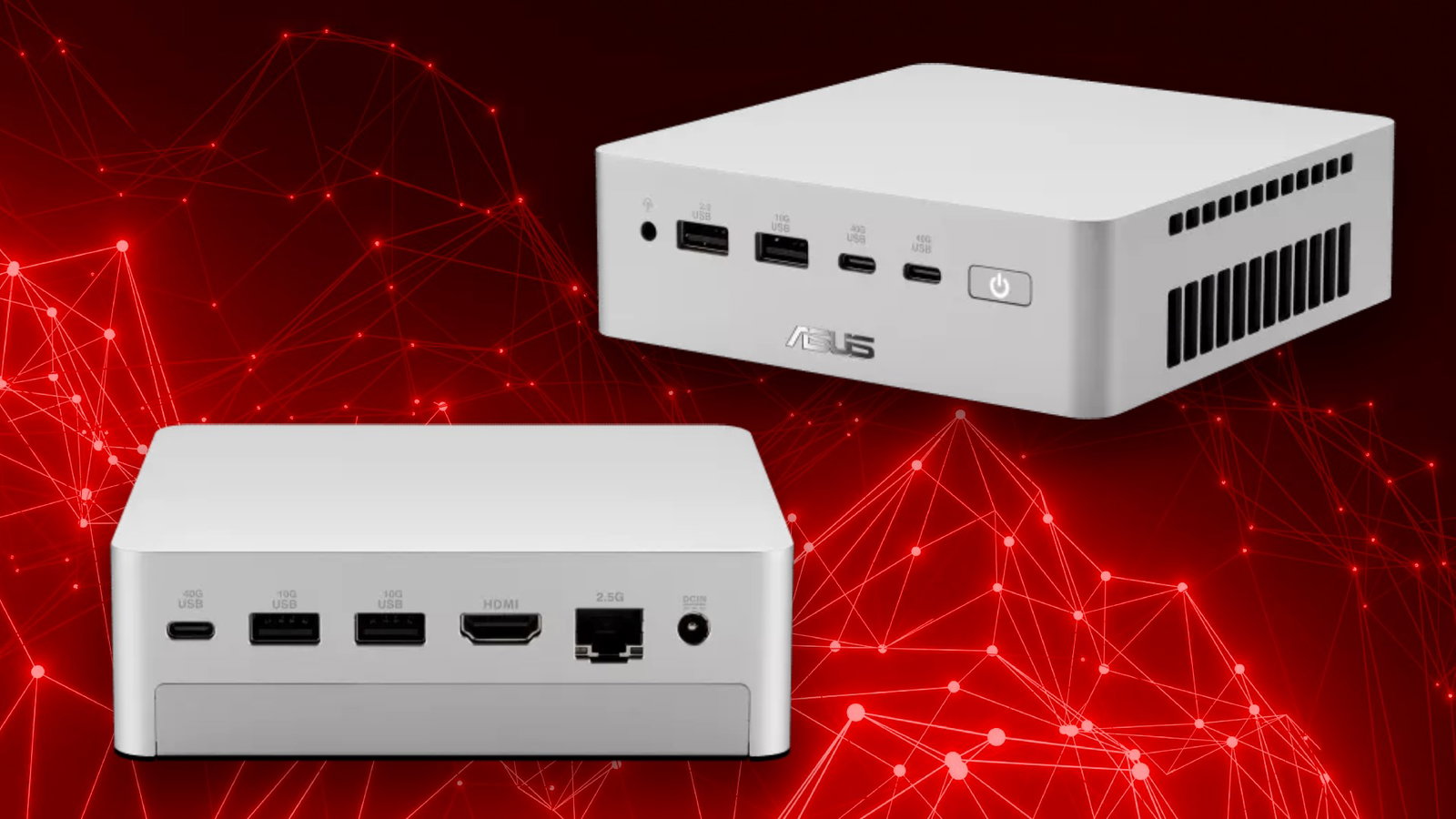
USP: The Ascent QN10 is the world's first mini PC with an 80 TOPS NPU, meaning it can run genuine AI workloads locally, making it the most AI-capable compact desktop currently announced.
Key Feature: Support for four simultaneous 4K monitor outputs from a box small enough to sit on a desk without taking up meaningful space.
Pricing: TBA
Availability: TBA
Best For: Developers, AI researchers, and power users who need serious on-device AI performance in a compact desktop form factor.
Topics For More Insights
- NVIDIA CEO Jensen Huang’s COMPUTEX Keynote
- NVIDIA’s Isaac GR00T Reference Humanoid Robot Combines Robot Hardware, Dexterous Hands, AI Compute, And Software
- Meet The 8 NVIDIA RTX Spark Laptops Coming From Microsoft, Asus, HP, MSI, Lenovo, And Dell
- CES 2026 Updates: Intel, Atlas, Smart Bricks, And More
Conclusion
The Best Of COMPUTEX 2026 made it very clear that the next generation of computing isn't just coming, it's basically already here. From NVIDIA's chip that could shake up the entire Windows laptop market, to a PC case that doubles as a gaming monitor, to the first Wi-Fi 8 mesh router built for regular homes, this year's show had depth across every product category.
Ultimately, picking the greatest gadgets in COMPUTEX 2026 was no easy task, especially considering how many more weird, wacky, and wonderful concepts the event featured.
Which of these 10 cool gadgets would you buy or try first?
Frequently Asked Questions
When Was COMPUTEX 2026 Held, And Where?
COMPUTEX 2026 was held from June 2 to June 5, 2026, at the Taipei Nangang Exhibition Center in Taipei, Taiwan. It is one of the world's largest annual technology trade shows, attracting major hardware manufacturers, chipmakers, and tech brands from across the globe.
How Is COMPUTEX Different From Other Tech Shows Such As CES?
CES, held in Las Vegas every January, covers a broader range of consumer electronics, including home appliances and vehicles. COMPUTEX focuses specifically on computing hardware. Chips, laptops, peripherals, and components make it the go-to event for PC enthusiasts and hardware manufacturers.
Can The Public Attend COMPUTEX?
COMPUTEX is primarily a trade show, meaning it is designed for industry professionals, press, and registered buyers rather than general consumers. However, select public days and satellite events have been introduced in recent editions, allowing enthusiasts limited access to parts of the show floor.
Tue, Jun 16, 2026

Enjoyed what you read? Great news – there’s a lot more to explore!
Dive into our content repository of the latest tech news, a diverse range of articles spanning introductory guides, product reviews, trends and more, along with engaging interviews, up-to-date AI blogs and hilarious tech memes!
Also explore our collection of branded insights via informative white papers, enlightening case studies, in-depth reports, educational videos and exciting events and webinars from leading global brands.
Head to the TechDogs homepage to Know Your World of technology today!
Disclaimer - Reference to any specific product, software or entity does not constitute an endorsement or recommendation by TechDogs nor should any data or content published be relied upon. The views expressed by TechDogs' members and guests are their own and their appearance on our site does not imply an endorsement of them or any entity they represent. Views and opinions expressed by TechDogs' Authors are those of the Authors and do not necessarily reflect the view of TechDogs or any of its officials. While we aim to provide valuable and helpful information, some content on TechDogs' site may not have been thoroughly reviewed for every detail or aspect. We encourage users to verify any information independently where necessary.
Loading comments...