
Cyber Security
Top 5 Zero Trust Security Solutions Of 2026
Share
TL;DR
-
Zscaler Internet Access: Secures internet and SaaS access for remote users by replacing insecure VPN/firewall-based models.
-
ThreatLocker Platform: Prevents ransomware and unauthorized software by blocking all unapproved applications by default.
-
FortiClient: Eliminates over-trusted VPN access by enforcing Zero Trust Network Access (ZTNA) per user and device.
-
Prisma Access: Reduces excessive access and lateral movement risks through least privileged, continuously verified access.
-
Trend Vision One: Fixes fragmented security visibility by unifying threat detection and response across all environments.
Introduction
No one likes getting hacked.
For individuals, a cyberattack might mean losing access to personal accounts, leaked passwords, or drained bank balances.
For businesses, the consequences can be far worse. Operational shutdowns, compromised customer data, financial losses, and a damaged reputation that can take years to rebuild.
That’s exactly why traditional security models are struggling to keep up. Remote work, cloud applications, third-party access, and growing attack surfaces have made perimeter-based security far less reliable than it once was.
Zero-trust security solutions take a stricter approach by assuming no user, device, or application should be trusted automatically. Every access request is continuously verified, helping businesses limit exposure and stop threats before they spread.
We’ve curated the Top 5 Zero Trust Security Solutions of 2026, but before we explore the list, let’s understand what makes this security model so important today.
What Is A Zero-Trust Security Solution?
A Zero-Trust Security Solution is a modern cybersecurity framework that helps businesses control who gets access to their systems and what they can do once they’re inside. Instead of assuming users or devices are safe because they’re connected to a company network, these platforms verify every access request before granting permission.
That means continuously authenticating users, checking device health, limiting access to only necessary resources, and monitoring activity for unusual behavior. Even if login credentials are compromised, attackers face far more barriers when trying to move across systems.
With remote work, cloud applications, and third-party access becoming part of everyday operations, zero trust has become a practical security model for organizations that need stronger protection across increasingly distributed environments.
So, without further ado, let’s get into the section we are all here for. Presenting the best Zero Trust Security Solutions of 2026.
Top 5 Zero Trust Security Solutions of 2026
Security vendors worldwide bring advanced solutions every year. However, the right choice of security platforms depends on your business requirements and utility. We have presented here the some of the best zero trust solutions after extensive research in terms of usage, integrations, features, and more.
 |
 |
 |
 |
 |
Zscaler Internet Access: Best Overall
Zscaler Internet Access (ZIA) is a cloud-native platform that secures internet and SaaS access without relying on traditional VPN infrastructure. It uses identity-based access controls and inline threat inspection to protect users wherever they work.
Its enterprise scale remains one of its biggest strengths. Zscaler serves more than 7,000 customers globally and operates across 150+ data centers that process billions of daily transactions. Its market leadership was further reinforced through Gartner’s 2025 Magic Quadrant recognition for Security Service Edge (SSE), while initiatives like the 2026 Zenny Awards continue to highlight its growing ecosystem.
Why We Chose Zscaler Internet Access In 2026
Zscaler Internet Access earns its place for removing much of the complexity associated with traditional network security. Its fully cloud-native architecture allows businesses to protect remote users without maintaining heavy on-premise infrastructure, which can be a huge relief for lean IT teams managing global workforces.
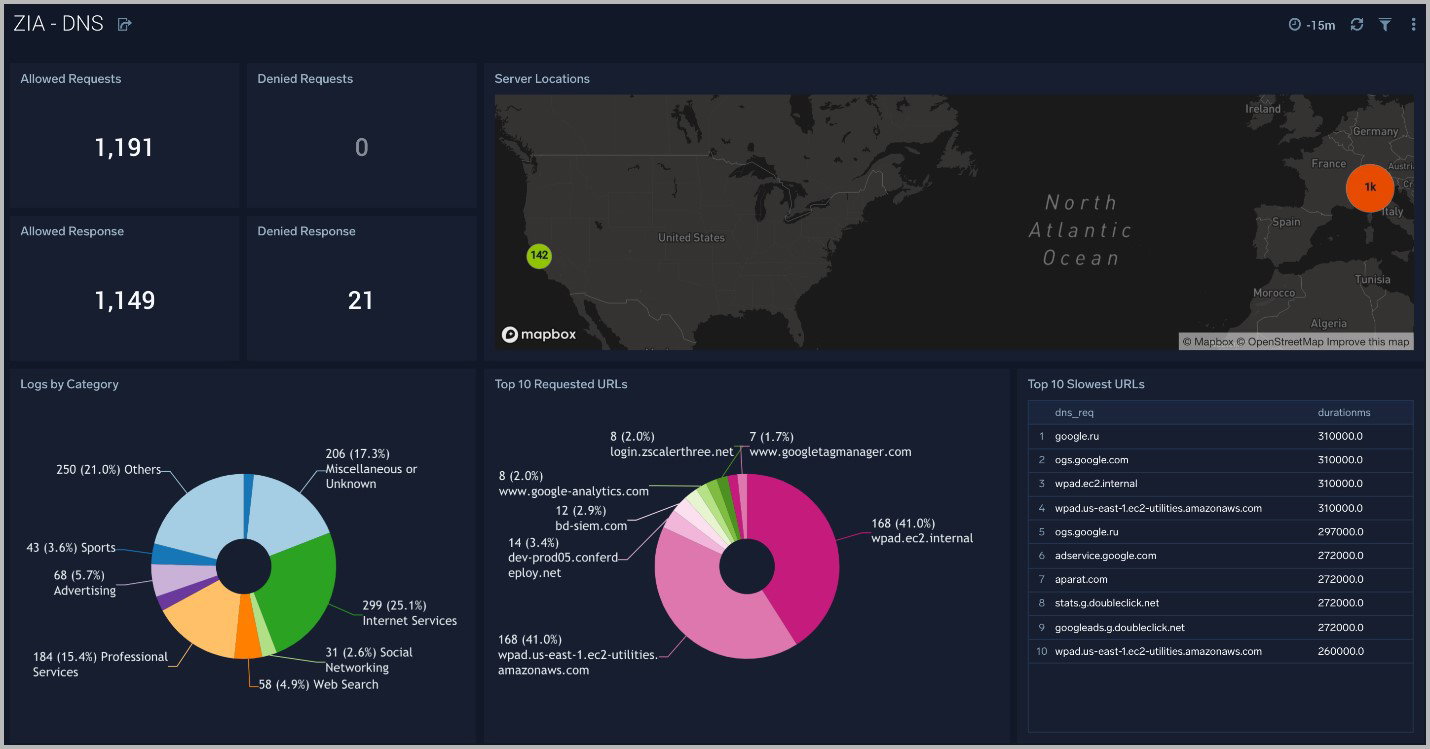
Its security stack includes CASB, secure web gateway capabilities, firewall protection, data loss prevention, sandboxing, browser isolation, and AI-powered threat detection. It also supports AI traffic inspection, which has become increasingly important as businesses manage risks tied to generative AI tools.
Its global infrastructure helps reduce latency while making large deployments easier to scale. Frequent updates and centralized management further improve day-to-day usability.
Pricing
Zscaler Internet Access follows a subscription-based pricing model that varies based on user volume and security features. Pricing typically ranges from approximately $72 to $325 per user annually, while enterprise deployments can cost significantly more depending on scale and customization requirements.
What Works And What Doesn’t
| Pros | Cons |
| Strong internet security | Performance inconsistencies |
| Easy deployment | Occasional false positives |
| Broad security features | Limited troubleshooting visibility |
Our Final Take
Zscaler Internet Access delivers strong value for industries such as finance, healthcare, technology, consulting, and global enterprises managing large remote workforces. Its cloud-native architecture works particularly well for organizations securing employees across multiple locations, while smaller businesses may find the platform more complex than necessary.
ThreatLocker Platform: Best For Security
ThreatLocker Platform takes a strict deny-by-default approach to cybersecurity by controlling what applications, users, and processes can run across business systems. Its platform focuses heavily on endpoint protection, application allowlisting, and ransomware prevention.
Since launching in 2017, ThreatLocker has grown quickly and now protects more than 50,000 organizations worldwide. Its market credibility continues to rise through recognitions such as PeerSpot leadership in Application Control and G2 awards for High Performer and Best Support.
Why We Chose ThreatLocker Platform In 2026
ThreatLocker Platform earns its place for giving organizations extremely granular control over endpoint activity. Its default-deny framework blocks unknown applications and processes automatically, which can offer real peace of mind for teams constantly worried about ransomware attacks and zero-day vulnerabilities.
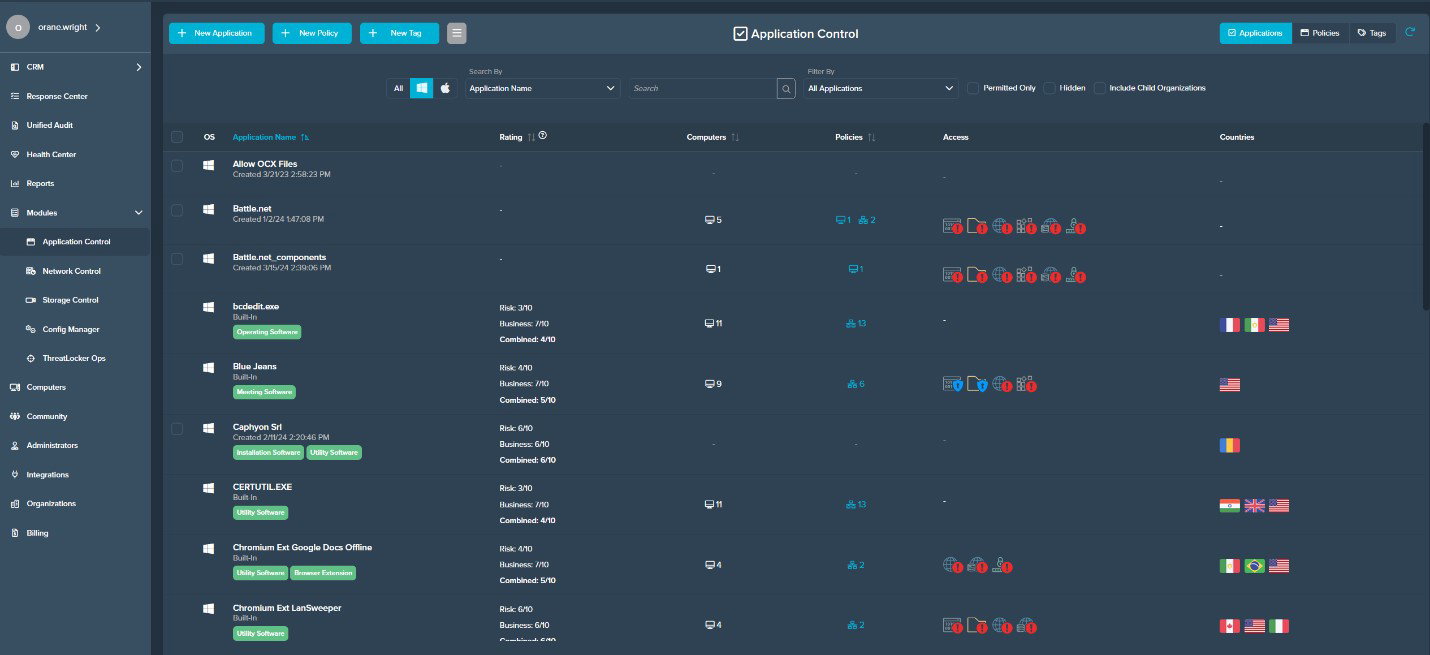
Its feature set includes application allowlisting, privileged access controls, ringfencing, storage controls, managed detection and response, endpoint detection, network controls, and patch management. Instead of reacting after an attack spreads, the platform focuses on preventing unauthorized activity from running in the first place.
Its 24/7 Cyber Hero support model also stands out for businesses that need faster hands-on assistance during incidents or deployment challenges.
Pricing
ThreatLocker Platform follows a subscription-based pricing model that typically charges per endpoint or user. Pricing varies based on feature selection, deployment size, and contract terms, with monthly and annual billing options available.
What Works And What Doesn’t
| Pros | Cons |
| Strong customer support | Steeper learning curve |
| Powerful threat prevention | Complex configuration |
| Strong ransomware protection | Policy management can take time |
Our Final Take
ThreatLocker Platform delivers strong value for healthcare, finance, legal services, government organizations, MSPs, and mid-sized businesses that prioritize strict endpoint control and ransomware prevention. Fast-moving software teams with constantly changing application environments may find ongoing policy tuning more demanding.
FortiClient By Fortinet: Best For Integration
FortiClient combines endpoint protection, VPN access, and zero-trust network access within the broader Fortinet Security Fabric. It helps businesses secure remote users while keeping endpoint visibility centralized.
Fortinet serves more than 330,000 customers globally and continues to maintain strong market recognition through Gartner Peer Insights Customer Choice awards and consistently strong user ratings. Its continued ecosystem expansion in 2026 reinforces its position in enterprise security.
Why We Chose FortiClient In 2026
FortiClient earns its spot for simplifying endpoint security for organizations already working within the Fortinet ecosystem. Instead of managing multiple standalone tools, businesses can handle VPN access, endpoint protection, zero-trust network access, and endpoint detection from a more unified environment. That level of consolidation can save security teams a lot of operational frustration.
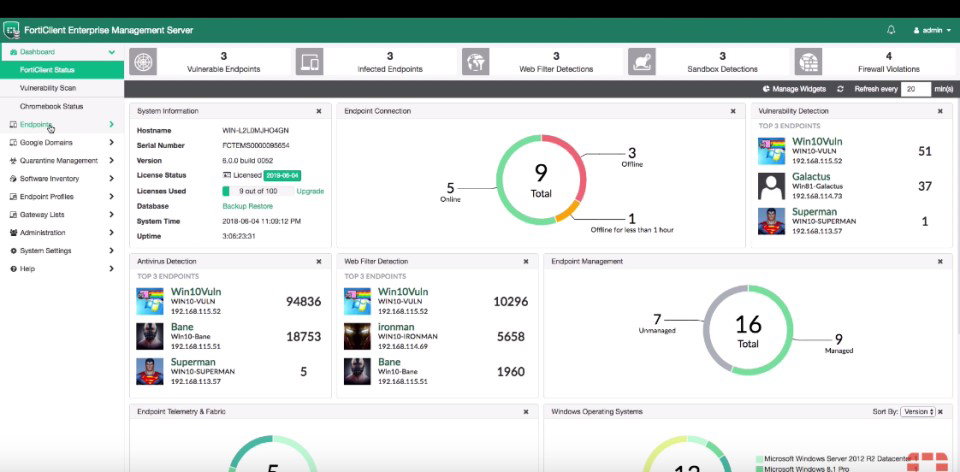
Its capabilities include AI-powered antivirus protection, cloud sandbox integration, ransomware defense, endpoint posture assessment, and risk-based access controls. Tight telemetry sharing across Fortinet products also improves visibility during threat investigations.
Centralized management through FortiClient EMS makes large deployments easier to maintain while keeping operational costs relatively manageable.
Pricing
FortiClient offers both free and paid options. The VPN-only version is available at no cost, while advanced security editions follow subscription pricing based on endpoint volume, deployment type, and selected features.
What Works And What Doesn’t
| Pros | Cons |
| Strong VPN capabilities | Connection instability |
| Broad security features | Performance slowdowns |
| Centralized management | Occasional update issues |
Our Final Take
FortiClient works particularly well for finance, healthcare, retail, manufacturing, and large distributed enterprises already using Fortinet products. Businesses looking for highly specialized, standalone zero-trust tools may prefer more independent alternatives.
Topics For More Insights
Prisma Access: Best For Enterprises
Prisma Access is a cloud-native security platform from Palo Alto Networks that protects remote users, branch offices, applications, and data through centralized policy enforcement. It continues to operate at significant enterprise scale, with more than 70,000 customers globally and over 6,300 SASE customers.
Its market position remains strong in 2026, backed by recognition such as Gartner leadership in Security Service Edge and Peer Insights Customer Choice awards.
Why We Chose Prisma Access In 2026
Prisma Access earns its place for combining enterprise-grade security controls with the scalability large organizations often need. It gives businesses consistent policy enforcement across remote users, branch offices, and cloud applications without forcing security teams to manage fragmented tools.
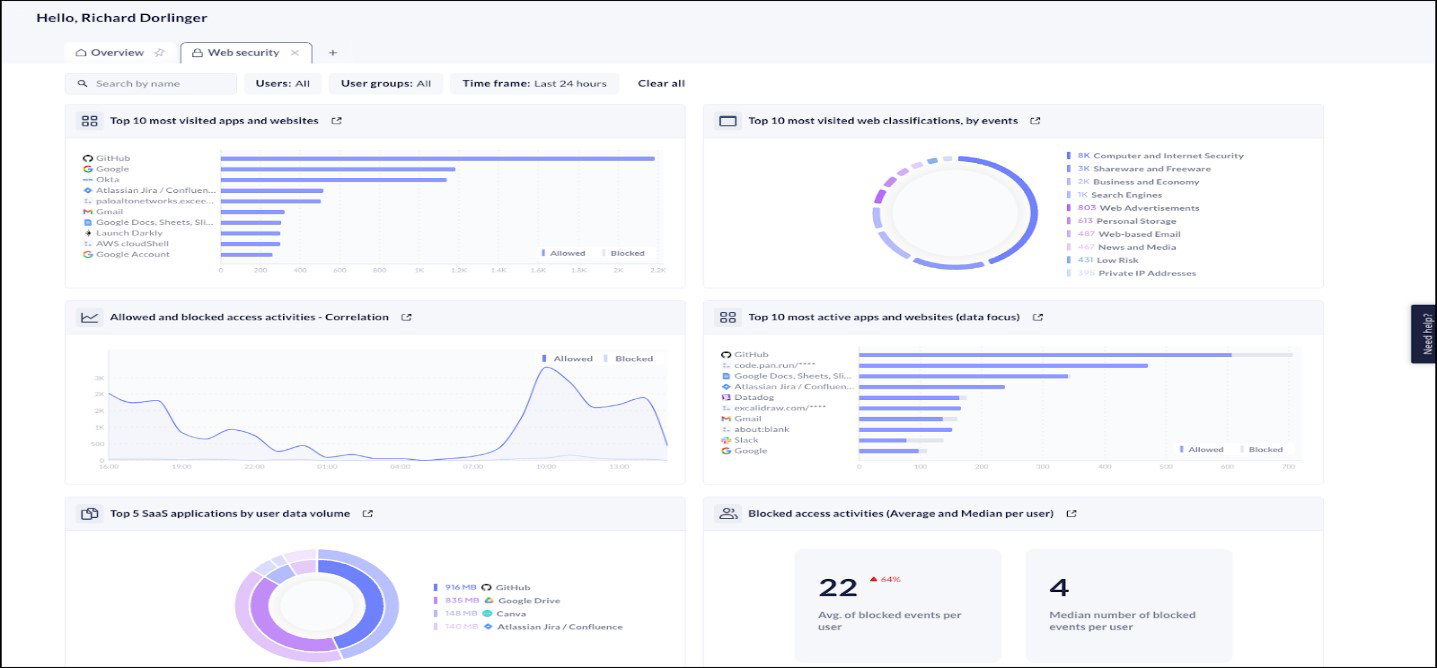
Its feature set includes advanced SSE capabilities, threat prevention, detailed visibility, centralized management, and deeper integrations across the broader Palo Alto Networks ecosystem. Existing Palo Alto customers often benefit from smoother deployment workflows and stronger operational visibility.
Its biggest advantage is control. Security teams managing complex global environments often appreciate having fewer blind spots across users, devices, and locations.
Pricing
Prisma Access follows a custom pricing model based on user volume, features, and deployment scope. Pricing can vary significantly, with enterprise deployments often costing substantially more depending on complexity.
What Works And What Doesn’t
| Pros | Cons |
| Consistent cloud security | Complex setup |
| Strong scalability | Longer implementation timelines |
| Advanced threat protection | Steeper learning curve |
Our Final Take
Prisma Access works best for organizations that need deep visibility, centralized control, and stronger policy consistency across large, distributed environments. Smaller teams looking for faster deployment and lighter day-to-day management may find the platform more complex than they need.
Trend Vision One: Best AI Features
Trend Vision One helps businesses manage threats, identities, endpoints, cloud workloads, and network risks through a centralized security platform. Built by Trend Micro, it serves more than 500,000 businesses and over 250 million users globally.
Its credibility remains strong in 2026 with recognitions such as Gartner’s 2025 Magic Quadrant leadership for Endpoint Protection Platforms and Forrester’s leadership ranking for Network Visibility and Analysis.
Why We Chose Trend Vision One In 2026
Trend Vision One earns its place for reducing security tool sprawl. Many security teams already feel overwhelmed jumping between dashboards, alerts, and disconnected tools, and this platform addresses that problem by bringing exposure management, XDR capabilities, and risk visibility into a single environment.
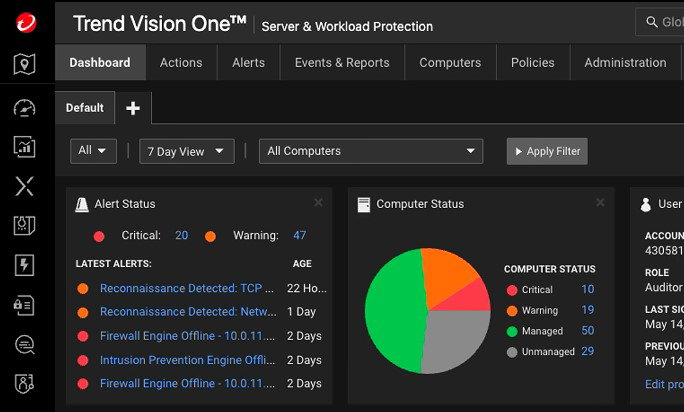
Its AI engine, Trend Cybertron, helps correlate data across endpoints, identities, cloud workloads, and networks to predict attack paths and automate responses before threats escalate. That proactive layer is where the platform feels particularly useful.
It also includes advanced capabilities such as cross-layer telemetry, agentic SIEM functionality, deepfake threat detection, AI protection for large language models, and managed XDR services. Its cloud-native design helps large organizations scale security operations without adding excessive infrastructure complexity.
Pricing
Trend Vision One follows a subscription-based pricing model that typically uses a flexible credit system across endpoint, cloud, and network services. Pricing depends on selected modules, user count, and usage requirements, and the company also offers a 30-day free trial.
What Works And What Doesn’t
| Pros | Cons |
| Strong visibility across environments | Complex interface |
| Unified security operations | Integration challenges |
| Advanced AI capabilities | Learning curve |
Our Final Take
Trend Vision One makes the most sense for organizations trying to replace multiple fragmented security tools with a more unified platform. Teams with mature security operations may appreciate its depth, while smaller businesses looking for lightweight protection may find its feature set more than they need.
Top 5 Zero Trust Security Solutions Comparison
Choosing a zero-trust security platform can get complicated when every solution focuses on different priorities like endpoint control, cloud security, AI-driven detection, or enterprise scalability. To simplify your decision, we’ve compared pricing, features, ratings, and integrations across our top picks.
| Criteria |  |
 |
 |
 |
 |
| Starting Price | $72/year | $49/month | $269.44/year | $60.00/year | $26.99/year |
| Avg. User Rating | 4.4 | 4.8 | 4.4 | 4.3 | 4.7 |
| Free Trial/Demo | Demo | 30 days | Demo | 30 days | 30 days |
| Key Features | Full SSL/TLS inspection, zero-trust firewall, and DNS security | Allowlisting, ringfencing, and network control | Continuous posture assessment, automatic encrypted tunnels, and dynamic access control | Continuous trust verification, single-pass architecture, and ZTNA 2.0 | Risk-based authentication, granular access control, and unified visibility control |
| Integrations | CrowdStrike, Azure Sentinel, Service Now, and more | Okta / Auth0, Microsoft Entra ID, Autotask PSA, and more | FortiGate, Google Workspace, Okta, Microsoft Entra ID, and more | Microsoft Entra ID, Okta, SentinelOne, and more | VirusTotal, Azure Sentinel, Jira, and more |
Conclusion
No one likes getting hacked, but for businesses, the consequences go far beyond a stolen password. Downtime, regulatory penalties, customer distrust, and operational chaos can follow quickly when attackers move freely across systems. That’s exactly why zero-trust security has become a more practical necessity for modern organizations.
The platforms on this list take different approaches to solving that problem. Some focus on stricter endpoint control, others prioritize cloud security, enterprise visibility, or AI-driven threat detection.
The right choice depends on how your teams work, how complex your infrastructure has become, and how much control your security teams need day to day. A platform that reduces blind spots and helps teams respond faster can make a stressful security incident feel far more manageable.
Frequently Asked Questions
How Do Zero Trust Security Platforms Integrate With Existing Security Stacks Without Causing Disruption?
Modern zero trust solutions use APIs, connectors, and open architectures to integrate with SIEM, IAM, and cloud tools. This allows gradual adoption without replacing existing systems, minimizing operational disruption.
What Role Does AI Play In Advanced Zero Trust Security Solutions?
AI enables predictive threat detection, automated response, and risk-based access decisions across environments. It shifts security from reactive alerting to proactive prevention and continuous risk assessment.
How Can Enterprises Measure The Effectiveness Of Zero Trust Implementation?
Key metrics include reduced attack surface, lower dwell time, fewer alerts, and improved incident response speed. Organizations also track user access risks and compliance improvements to evaluate overall security posture.
Wed, Apr 29, 2026

Enjoyed what you read? Great news – there’s a lot more to explore!
Dive into our content repository of the latest tech news, a diverse range of articles spanning introductory guides, product reviews, trends and more, along with engaging interviews, up-to-date AI blogs and hilarious tech memes!
Also explore our collection of branded insights via informative white papers, enlightening case studies, in-depth reports, educational videos and exciting events and webinars from leading global brands.
Head to the TechDogs homepage to Know Your World of technology today!
Disclaimer - Reference to any specific product, software or entity does not constitute an endorsement or recommendation by TechDogs nor should any data or content published be relied upon. The views expressed by TechDogs' members and guests are their own and their appearance on our site does not imply an endorsement of them or any entity they represent. Views and opinions expressed by TechDogs' Authors are those of the Authors and do not necessarily reflect the view of TechDogs or any of its officials. While we aim to provide valuable and helpful information, some content on TechDogs' site may not have been thoroughly reviewed for every detail or aspect. We encourage users to verify any information independently where necessary.
Loading comments...