
Cloud
Top 5 Cloud Monitoring Tools Of 2026
Share
TL;DR
-
IBM Instana: Uses automation and AI to map dependencies and provide real-time full-stack observability.
-
New Relic: Unifies metrics, logs, and traces into a single platform for end-to-end system monitoring.
-
Coralogix: Offers an in-stream analytics approach that simplifies data management without traditional indexing.
-
Datadog: Provides a comprehensive cloud-based analytics platform with support for over 850 technical integrations.
-
Dynatrace: Delivers automated insights through hypermodal AI to manage performance across large-scale environments.
Introduction
Imagine driving through a busy city with no traffic lights, speed limits, or road signs. Cars are coming from every direction, people are cutting lanes, and no one seems to know where they are going. One wrong move and the whole road turns into a mess. Sounds chaotic, right?
That is exactly what modern cloud infrastructure can feel like when data keeps moving, and workloads change constantly. Without the right monitoring system in place, things can get messy very quickly.
That is exactly where cloud monitoring tools step in. They give businesses real-time visibility into system performance, network health, resource usage, and potential security threats before minor issues turn into major disruptions.
In 2026, monitoring has evolved far beyond basic alerts. Choosing the right platform can mean the difference between seamless operations and costly downtime.
That is why we have curated a list of the Top 5 Cloud Monitoring Tools of 2026 to keep your infrastructure running safely and efficiently. Read on!
What Is A Cloud Monitoring Tool?
A Cloud Monitoring Tool helps businesses track, analyze, and optimize their cloud infrastructure. It provides real-time visibility into cloud performance, security, and resource utilization, ensuring smooth operations and cost efficiency.
They offer real-time observability, AI-driven insights, and automated alerts, ensuring seamless operations and cost optimization. Yet, cloud environments are constantly evolving, and so are the challenges. The demand for smarter, proactive cloud monitoring solutions has intensified, and they’re helping businesses set new benchmarks in cloud performance and efficiency.
So, without further ado, let’s get to the section you have been waiting for. Presenting the best Cloud Monitoring Tools of 2026.
Top 5 Cloud Monitoring Tools Of 2026
Selecting the right Cloud Monitoring Tool for your business can feel daunting, but we’re here to simplify the process. Here are the top 5 Cloud Monitoring Tools of 2026 to evaluate and choose one that best aligns with your cloud infrastructure. Let’s begin!
 |
 |
 |
 |
 |
IBM Instana: Best AI Features
IBM Instana is appearing on the list for the first time as a powerful, AI-powered observability platform built for modern DevOps and engineering teams. It automatically discovers applications, services, and infrastructure, mapping dependencies in real time to deliver complete full-stack visibility. With its simple interface and automation-first approach, Instana reduces operational complexity while improving application performance and reliability. Recognized in 2026, including a spot among G2’s Top 50 IT Infrastructure Products of 2025, IBM Instana supports faster innovation with reduced risk at scale today.
Why We Chose IBM Instana In 2026
IBM Instana brings real-time, AI-powered observability to the entire cloud stack. With over 150+ real-time sensors, it delivers deep visibility across bare metal, virtual machines, containers, serverless, and hybrid environments. It also supports major platforms like AWS, Microsoft Azure, Google Cloud, SAP, and IBM Cloud, automatically mapping dependencies and tracking every change as it happens. Built-in health rules and alerts help teams stay ahead of issues without constant manual monitoring.
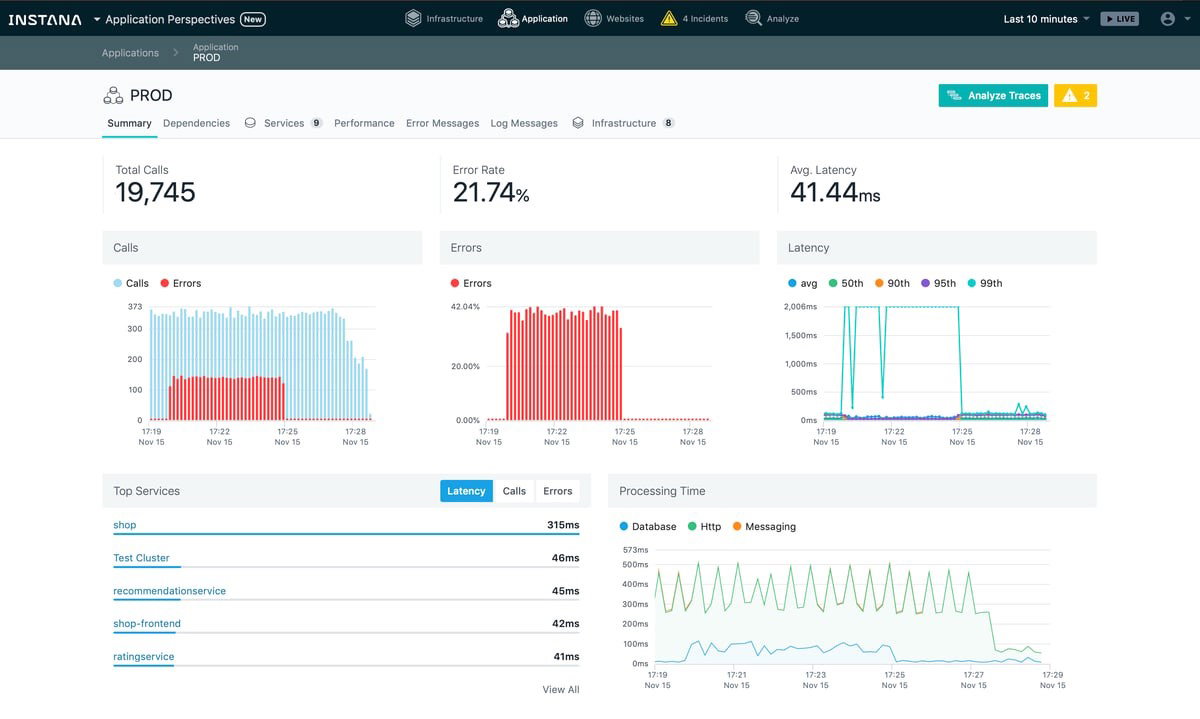
What makes Instana even more practical is how it connects performance with action. Its root cause analysis quickly pinpoints issues across infrastructure, orchestration layers, or application code, helping reduce MTTR significantly. Teams can also link cost and performance using Kubecost integration and manage workloads more efficiently through Turbonomic. With live dependency mapping, automated discovery, and proactive alerts, Instana helps DevOps and cloud teams respond faster, prevent downtime, and keep cloud operations stable even in highly dynamic environments.
Pricing
IBM Instana offers simple, flexible pricing based on what you need. The Essentials plan starts at $18.00 and covers automatic infrastructure discovery, mapping, end-user monitoring, and analytics. The Standard plan starts at $75.00 and goes further with full application performance monitoring for monoliths, containers, and microservices, plus Kubernetes monitoring, tracing, and deeper code visibility to help teams troubleshoot and optimize faster.
What Works And What Doesn’t
| Pros | Cons |
| Real-time visibility | Expensive at scale |
| Automatic service discovery | UI feels cluttered |
| Strong root cause analysis | Limited dashboard flexibility |
Our Final Take
IBM Instana works best for DevOps and enterprise teams handling complex cloud systems who need real-time monitoring and quick issue detection. It may not suit smaller teams because it can feel complex and costly. It’s a great choice if you want automated tracking, clear visibility, and faster troubleshooting across cloud environments.
New Relic: Best User Experience (UX)
Back on the list, New Relic is a full-stack observability platform that gives engineers real-time insights into application performance across the entire software lifecycle. It unifies metrics, logs, events, and traces into a single view, helping teams quickly detect issues, understand system behavior, and improve reliability. Trusted by over 75,000 businesses worldwide and recognized as a Spring 2026 G2 Leader, New Relic supports modern engineering teams in building and maintaining resilient digital experiences at scale.
Why We Chose New Relic In 2026
New Relic makes complex modern systems easier by offering end-to-end monitoring that can be set up in minutes. It brings infrastructure, applications, logs, and user experience into one place, helping teams quickly understand what’s working and what’s not. With real-time dashboards, alerts, and built-in integrations, it reduces the need to switch between multiple tools and helps teams respond faster when issues arise.
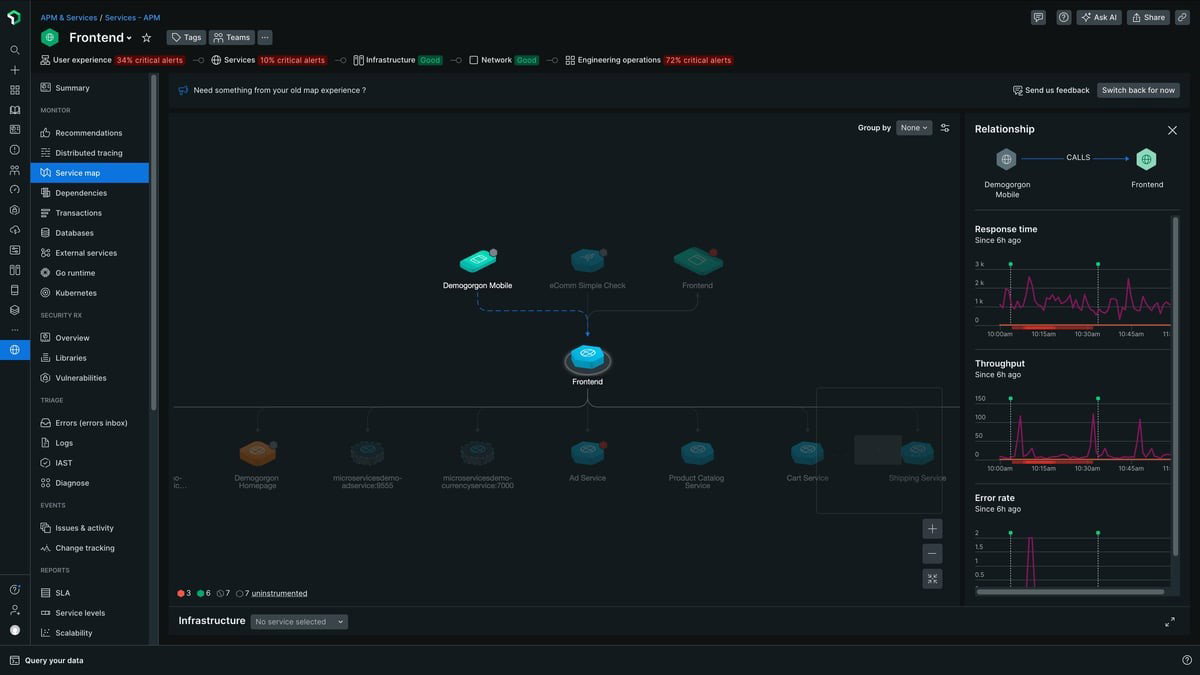
What also stands out is its flexibility and scale. It supports everything from backend APIs to frontend performance, along with infrastructure across cloud and on-prem environments. Features like error tracking, dynamic visual monitoring, and AI-assisted insights help teams stay ahead of problems instead of reacting late. With a secure, scalable platform and access to hundreds of integrations, New Relic makes observability simple, unified, and practical for modern engineering teams.
Pricing
New Relic offers four pricing plans. The Free tier includes 100 GB data ingest, basic features, logs obfuscation, and one full platform user with no credit card needed. Standard starts for small teams, Pro supports growing engineering teams with unlimited users, and Enterprise is built for large organizations needing advanced security, faster support, and compliance options. Businesses can contact the New Relic Team for more details.
What Works And What Doesn’t
| Pros | Cons |
| Easy integrations setup | Pricing grows quickly |
| Real-time monitoring | Requires learning time |
| Fast issue detection | High data costs |
Our Final Take
New Relic works best for engineering and enterprise teams running complex systems who want real-time, unified visibility across their stack. It may not suit smaller teams because of its cost and complexity. It’s a strong option if you need faster troubleshooting, end-to-end monitoring, and better control over application performance.
Coralogix: Best Value
Coralogix is making its debut on this year's list. It's a modern full-stack observability platform designed to help teams process and understand data more efficiently. Its in-stream analytics approach removes the need for traditional indexing or hot storage, allowing real-time analysis of logs, metrics, and traces without added complexity. Trusted by over 4,000 teams worldwide and recognized as a Spring 2026 G2 Leader, Coralogix gives engineers clearer visibility into their systems while simplifying data management across environments.
Why We Chose Coralogix In 2026
Coralogix brings together logs, metrics, and activity monitoring into one place, helping teams track performance, detect unusual behavior, and stay on top of incidents as they happen. From discovering new assets on the network to monitoring APIs, databases, and cloud infrastructure in real time, it gives a clear, continuous view of what’s going on across environments.
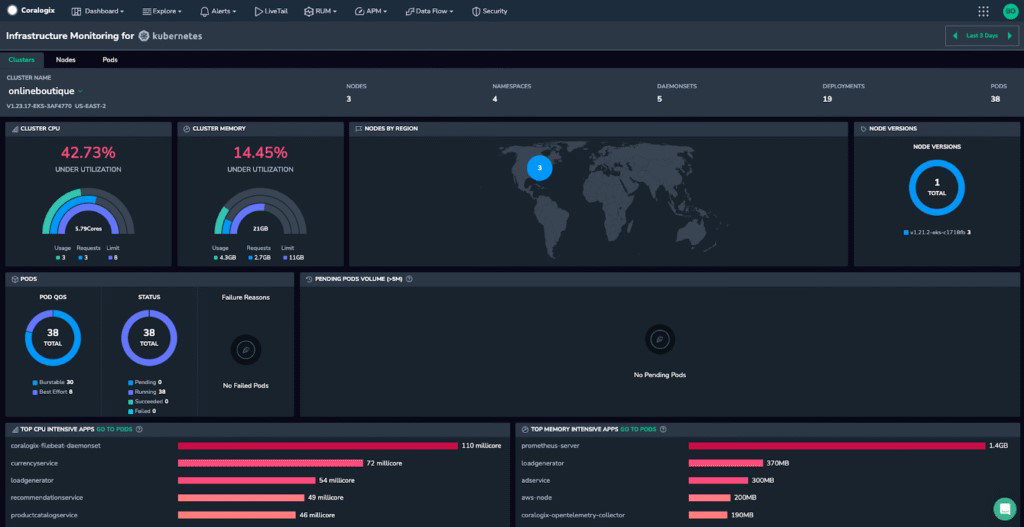
With built-in alerting, automated responses, and detailed incident tracking, it reduces the time spent fixing issues manually. Its analytics and AI-driven insights help uncover patterns, spot vulnerabilities, and improve decision-making without adding complexity. Add to that flexible dashboards, multi-network monitoring, and easy system integrations, and Coralogix becomes a practical choice for teams that need both visibility and control as they scale.
Pricing
Coralogix follows a unit-based pricing model starting at $1.50 per month. Each unit covers different data types like logs, metrics, and tracing, with flexible usage that can be adjusted anytime. Pricing varies by data type, helping teams manage costs based on how much data they actually use.
What Works And What Doesn’t
| Pros | Cons |
| Easy log search | Occasional UI lag |
| Strong integrations support | Limited alert management |
| Real-time insights | Requires learning time |
Our Final Take
Coralogix is well-suited for teams managing large-scale, data-heavy environments who need real-time insights and better control over observability costs. It may not fit those expecting a very simple setup. If you want flexible analytics, scalable monitoring, and deeper visibility across systems, Coralogix is a great fit.
Datadog: Best for Integration
Returning to this year's lineup, Datadog is a cloud-based monitoring, security, and analytics platform that helps teams track everything in one place. It gives a clear, real-time view of systems and makes it easier to spot issues and improve performance. Used by many businesses across industries. Recognized as a Fall 2025 G2 Leader and a 2024 Google Cloud Technology Partner of the Year, Datadog supports faster troubleshooting and smoother cloud operations.
Why We Chose Datadog In 2026
Datadog makes it easier to monitor and secure your entire cloud setup without juggling multiple tools. It gives full visibility across every layer, whether your systems are in the cloud, on premises, or a mix of both. By bringing together data from 850+ technologies into a single view, it helps teams keep track of performance and system health without missing anything.
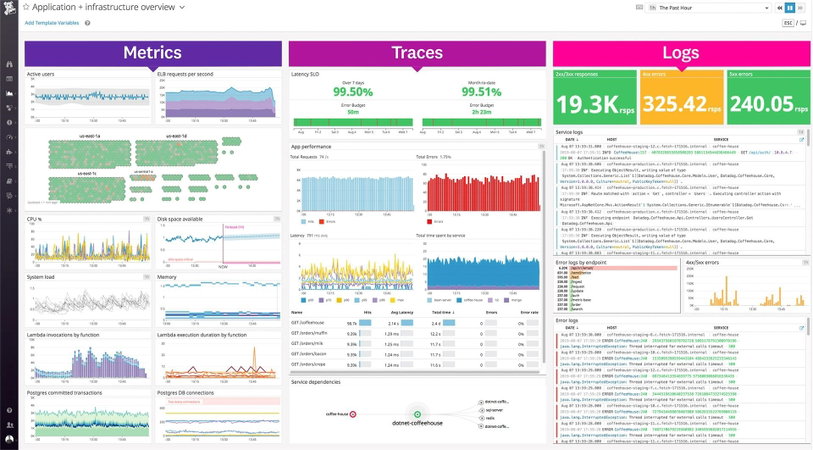
What also stands out is how it brings teams onto the same page. With real-time access to graphs, logs, traces, and security insights, collaboration becomes much smoother. Teams can quickly build custom dashboards and set up alerts to catch unusual activity early. This is how Datadog makes it easier to stay ahead of issues and keep systems running smoothly.
Pricing
Datadog offers three simple pricing plans based on usage. The Free plan starts at $0 per host per month, while the Pro plan is priced at $15 per host per month. The Enterprise plan, at $23 per host per month, is designed for larger teams needing more advanced features and scale.
What Works And What Doesn’t
| Pros | Cons |
| Unified monitoring platform | Costs rise quickly |
| Strong integration support | Complex initial setup |
| Real-time insights | Cluttered interface |
Our Final Take
Datadog works best for teams managing cloud and hybrid environments who want everything in one place. It may not suit those looking for a very simple setup, but you can consider it if you need unified visibility and better team collaboration.
Dynatrace: Best for Enterprise
Dynatrace returns to this year’s list as a leading cloud monitoring provider, trusted by over 4,000 customers worldwide. Its unified platform combines observability, runtime security, and Davis hypermodal AI to deliver automated insights and smarter decision-making at scale. The platform continues to earn strong recognition, being named a Leader in Network Monitoring by G2 for 2025 and a Leader in the 2024 Gartner Magic Quadrant for Observability Platforms.
Why We Chose Dynatrace In 2026
Dynatrace supports all types of cloud environments with smooth, automatic deployment, giving teams full visibility across their infrastructure. Whether it’s public, private, or hybrid cloud, it automatically detects and monitors components while mapping real-time dependencies between applications, services, and processes. It also tracks user transactions across virtual machines, containers, and microservices without needing a complex setup.
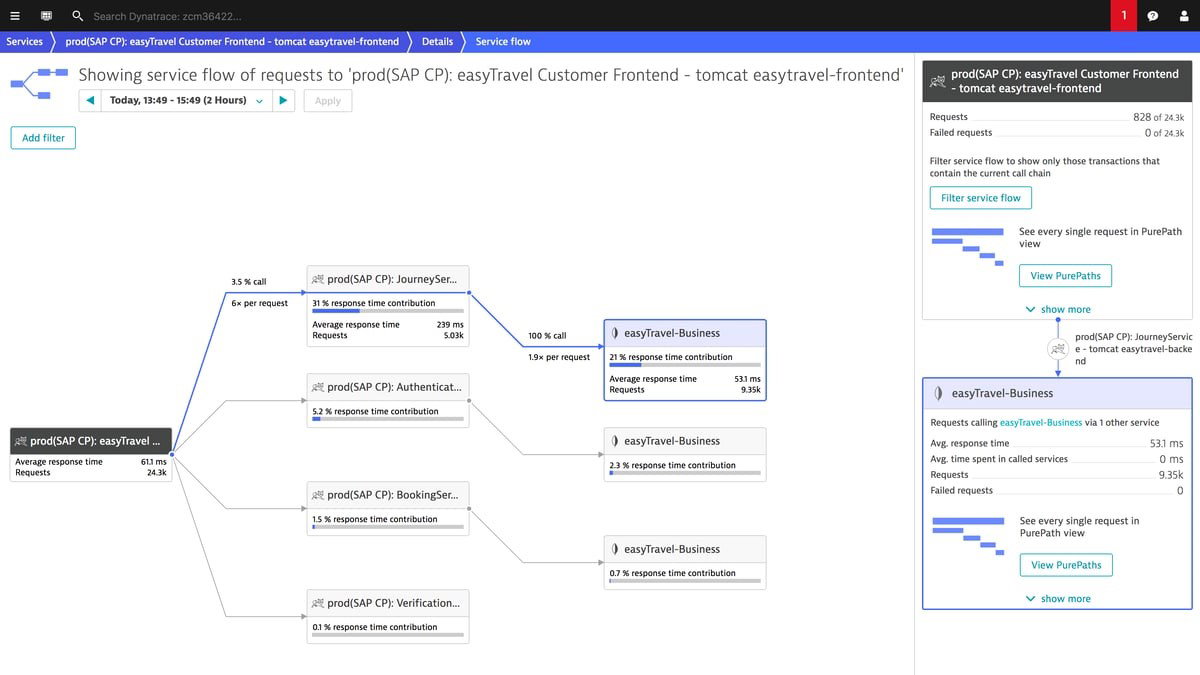
With strong root cause detection and detailed performance insights, Dynatrace helps teams identify issues quickly, even in fast-changing environments. It also supports scaling with smart capacity management based on usage patterns, helping optimize costs. This makes it easier for teams to manage growing workloads while keeping performance stable and efficient.
Pricing
Dynatrace offers tiered pricing based on how deep you want to monitor your systems. Plans start at $7 per host per month for basic infrastructure visibility. Infrastructure Monitoring is priced at $29 per host per month, while Full-Stack Monitoring starts at $58 per month, covering applications, microservices, and complete system observability.
What Works And What Doesn’t
| Pros | Cons |
| Accurate root cause insights | Expensive for scaling |
| Strong AI-driven monitoring | Dashboard customization limits |
| Easy agent deployment | UI inconsistency issues |
Our Final Take
Dynatrace suits organizations running complex cloud environments that need clear visibility and intelligent insights to manage performance. It may not be the right fit for smaller teams due to the time and investment required. A strong pick if you want consistent monitoring and better system oversight at scale.
Top 5 Cloud Monitoring Tools Comparison
Picking the right cloud monitoring tool isn’t always straightforward. This guide breaks down the top 5 tools in 2026, highlighting their key features, strengths, and ideal use cases to help you stay on top of performance, catch issues early, and keep your cloud systems running reliably.
P.S.: Always remember to visit the vendor's site for the latest information!
| Criteria |  |
 |
 |
 |
 |
| Starting Price | $18.00 | NA | $1.50/month | $15/host/month | $7/host/month |
| Avg. User Rating | 4.4 | 4.4 | 4.6 | 4.4 | 4.5 |
| Free Trial/Demo | NA | NA | Demo | 14 Days | 15 Days |
| Key Features | Real-time observability, automatic discovery, and root cause analysis | End-to-end monitoring, unified data view, and real-time dashboards | In-stream analytics, real-time monitoring, and activity tracking | Full-stack visibility, unified dashboards, and anomaly detection | Automatic deployment, dependency mapping, and performance insights |
| Integrations | ServiceNow, PagerDuty, Grafana, and more | Java, Django, Active Directory, Argo CD, and more | GitLab, Opsgenie, Slack, and more | Alibaba Cloud, Jira, Falco, and more | AWS, Microsoft Azure, Google Cloud, and more |
Wrapping Up
Cloud monitoring in 2026 is all about staying one step ahead without breaking a sweat. Whether you’re chasing real-time insights, smoother performance, or fewer “what just broke?” moments, the right tool can make all the difference. From AI-driven observability to full-stack visibility, each platform on this list brings something unique to the table.
The trick is to pick what fits your setup, not what looks the flashiest on paper. That's because at the end of the day, a well-monitored cloud is a happy cloud, and a happy cloud means fewer surprises, faster fixes, and way less stress for your team. So, choose your sidekick and let your cloud run like it actually had its coffee!
Frequently Asked Questions
Which Are The Top Cloud Monitoring Tools Of 2026?
The top Cloud Monitoring Tools of 2026 include IBM Instana, New Relic, Coralogix, Datadog, and Dynatrace. Each offers strong observability features to help manage and optimize modern cloud environments.
Why Is Cloud Monitoring Important For Businesses?
Cloud monitoring helps businesses avoid downtime, improve performance, and manage costs better. With real-time insights, teams can quickly catch and fix issues, keeping applications running smoothly and users happy.
How Do I Choose The Right Cloud Monitoring Tool?
To choose the right cloud monitoring software, start by understanding your needs, like scale, budget, and features. Look for tools that offer real-time visibility, easy setup, and good integration with your existing systems.
Tue, Apr 28, 2026

Liked what you read? That’s only the tip of the tech iceberg!
Explore our vast collection of tech articles including introductory guides, product reviews, trends and more, stay up to date with the latest news, relish thought-provoking interviews and the hottest AI blogs, and tickle your funny bone with hilarious tech memes!
Plus, get access to branded insights from industry-leading global brands through informative white papers, engaging case studies, in-depth reports, enlightening videos and exciting events and webinars.
Dive into TechDogs' treasure trove today and Know Your World of technology like never before!
Disclaimer - Reference to any specific product, software or entity does not constitute an endorsement or recommendation by TechDogs nor should any data or content published be relied upon. The views expressed by TechDogs' members and guests are their own and their appearance on our site does not imply an endorsement of them or any entity they represent. Views and opinions expressed by TechDogs' Authors are those of the Authors and do not necessarily reflect the view of TechDogs or any of its officials. While we aim to provide valuable and helpful information, some content on TechDogs' site may not have been thoroughly reviewed for every detail or aspect. We encourage users to verify any information independently where necessary.
Loading comments...