
Software Development
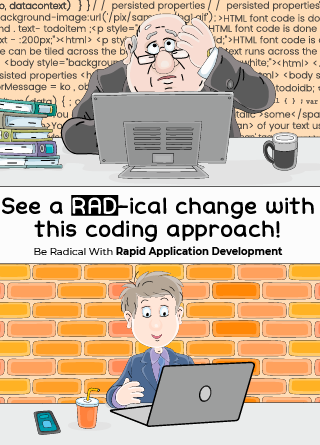
Be Radical With Rapid Application Development
Share
Overview
Mark Watney would have appreciated Rapid Application Development (RAD) as it allows developers to be creative and quick on their feet while developing applications with limited resources.
Mark used the available resources in the movie and adapted them to his situation. Despite everything he faced, he sourced water and grew potatoes on an inhabitable planet like Mars. Similarly, RAD is about making the most of what's available, quickly prototyping and testing ideas. That’s how it creates an environment where the user can be super flexible and adaptable to the changes as suggested.
Undoubtedly, RAD is the quickest and most efficient way to develop applications. Let’s figure together what is so RAD about this term!
-01.png.aspx "TechDogs-\"Be Radical With Rapid Application Development\" See A Rad-ical Change With This Coding Approach!")
Why do you think app downloads are constantly increasing? According to Statista's report, the number of app downloads has increased from 140.7 billion in 2016 to 230 billion in 2021. This is a 63% increase in these 5 years!
Sure, the reason is the higher need for application software. Hence, the market is flooded with a variety of applications. You say what you need and there will be an application for that we bet!
In such a massively competitive market, you surely need something that can make your work a lot easier. Rapid Application Development plays an important part in your development ecosystem. It helps create applications from scratch and that too super quick.
No matter how successful a developer is, RAD is a fine choice to go for! So, read on to find everything you need to know about Rapid Application Software.
What Is Rapid Application Development?
Do you ever go to the beach and create a blueprint for your sandcastle? Sounds stupid, right? Who would need a blueprint for a house that is made using nothing but sand, water and fun!
Rapid Application Development, or RAD, is just like that. It is an approach to software development that focuses on building a prototype quickly without wasting time outlining and creating blueprints.
This way, instead of spending a lot of time planning and designing upfront, RAD allows developers a lot of flexibility and encourages adjusting depending on feedback collected from the stakeholders and the end users of the application.
RAD pays attention to speed and eliminates meticulous planning. For that, it keeps the approach flexible and fast for the software development that prioritizes development and building a prototype, rather than planning. With RAD, the main goal is to create the application as quickly as possible with feedback to implement the flexibility and adjust as required.
Where Did Rapid Application Development Come From?
.gif.aspx "TechDogs-\"Where Did Rapid Application Development Come From?\"-A GIF Saying \"We're Gon' Make History\"")
Software developers listen up, RAD is here to save the day!
Before RAD, we had this boring old process called "waterfall" that didn't work well for software development. So, RAD swooped in. Guess what? It provided a more flexible process that could adapt to changes and take advantage of knowledge gained during the project.
Barry Boehm and James Martin are the people who created Rapid Application Development. Boehm came up with the spiral model that focused on developing prototypes to reduce risk and get better user feedback. On the other hand, Martin took it to the next level by formalizing the RAD approach in his book published in 1991.
RAD quickly became famous, especially for the bigger firms that formed re-engineering programs. It helped users and analysts think innovatively about core business processes and that made RAD a valuable tool for companies such as Lendlease, BHP, Coca-Cola, ANZ Bank and others!
With RAD, you can tailor the process to fit your business needs, making it perfect for knowledge-intensive and UI-intensive business systems.
Now that you know the history of Rapid Application Development, let’s have a look at what features it brings to the table.
How Does Rapid Application Development Work?
Working with Rapid Application Development is not a tough job. All you have to do is follow a series of steps. Read on and know what they are:
-
Business Modeling
It involves gathering information from various sources and creating a description of how the tool will process the data and use it. It’s like bringing all the ingredients together to make your favorite dish!
-
Data Modeling
In this step, whatever information you have collected will be analyzed, segregated into different categories and determine the quality of this data. Think of it like separating dry ingredients from wet ingredients while baking a cake.
-
Process Modeling
In this step, the tool converts data groups into usable information. It then changes the information and optimizes it in data sets.
-
Application Generation
This step involves coding the information gathered in the previous stages and building a system to create the prototype. The data models are turned into prototypes for quick testing.
-
Testing And Turnover Stage
This is the final step in which each model is tested separately and components are adapted quickly for maximum effectiveness. This stage benefits from the reduced time in overall testing due to the previous examination of elements.

This is how you can use RAD to develop an application quickly, efficiently and with fewer wasted resources. Plus, you can make changes and improvements along the way, just like you adjust the taste while making a dish. The question is – how does it do that?
What Are The Features Of Rapid Application Development?
Are you ready to #RADicalize your software development process? Of course, RAD comes with some amazing features that you cannot miss out on. Let's check them out:
-
Pre-Designed Application Templates
RAD has some top-notch templates for popular use cases, so you don't have to do anything from scratch.
-
Visual Development Support
You don't have to be a coding anymore! RAD offers low-code or no-code options that even non-technical users can understand. It works through a virtual flowchart, making it easier for the developer to understand what to do next.
-
Lifecycle Management
Most development tools create multiple versions of the app to refine and improve the solution stack. RAD tools offer customizable processes and models throughout the application's lifecycle, so they can be perfected during prototyping.
-
WYSIWYG Form Designers
With a super easy drag-and-drop option, RAD tools let you design forms with a "What You See Is What You Get" (WYSIWYG) form. It's a visual session where you can create an idea for your application without any coding skills necessary.
These were the features that make Rapid Application Development a smart move for developers. Let’s move ahead and see exactly why we need it.
Why Do We Need Rapid Application Development?
Imagine this, you have a killer idea for a new app. However, you're short on time and money. What do you do? Rapid Application Development (RAD) is a saver for your time and effort! Now, this tool will take care of the quick creation, testing and deployment of the software without much fuss about creating a plan first.
RAD actually helps you understand the prototype and run a test drive through your idea super quickly. As you continually receive feedback from users and testers, you can ensure you're on the right track. Here’s the best part: RAD won't #breakthebank - it's a cost-effective option that can help you develop your ideas faster than other development models. Therefore, if you want to save time, resources and money with a flexible approach to software development, RAD is the way to go.
Now you know how having a Rapid Application Development can bring in the difference you have been craving for. Here’s some more goodness about RAD!
What Are The Benefits Of Rapid Application Development?

Do you know having Rapid Application Development takes your product testing to a whole new level? However, what would it serve you? Here are the benefits of Rapid Application Development you must know:
-
Flexibility
This approach is known for its high adaptability and flexibility. Not just that, with the ability to change requirements at any moment and make quick changes during development this tool is a game changer for developers.
-
Optimized Team Efficiency
It focuses on duties that are further broken down into manageable chunks and software efficiency can be successfully measured across teams.
-
Emphasis On Development
With a shorter planning phase and more time focused on iterative design construction, there is a greater emphasis on development.
-
Avoiding Costly Mistakes
RAD believes in code reuse which results in less manual coding, fewer mistakes and shorter test periods.
-
Customer Satisfaction
RAD focuses on the use of client feedback for creating iterations and high-level cooperation and coordination among investors. This ensures all changes are made with the customer’s needs in mind.
-
Reduced Risks
Development risks are reduced by RAD as stakeholders can discuss and resolve code vulnerabilities while keeping development processes moving forward.
Here are all the benefits but will you get instant benefits? Maybe not - but we that the future of this approach holds a lot of advantages. Read more about it below!
What Is The Future Of Rapid Application Development?
The future of Rapid Application Development (RAD) is taking a sharp uptick. The global RAD market is expected to grow at a whopping CAGR of 42.8% during the forecast period of 2022-2027. The reason why it is growing at a fast rate is because of the advantages of RAD over other development models such as flexibility in changing requirements, prioritizing customer feedback and reducing development time.
Furthermore, the Internet of Things (IoT) and Artificial Intelligence (AI) are expected to revolutionize the RAD market. The number of connected devices is expected to increase up to 26 billion by 2022, making IoT a crucial aspect of RAD development. With AI being the talk of the town and many leading organizations investing heavily in it, the technology is set to change the way humans interact with machines and further boost the growth of RAD. Therefore, buckle up and get ready for an exciting ride into the future of RAD!
It's A Wrap
Now that we have come to an end, you know that if you're in search of a software development approach that values speed, flexibility and collaboration, then look no further than Rapid Application Development. If you want to save costs and streamline your development process, RAD is the perfect choice for your next project!
Imagine what Mark would have done if he had a tool like Rapid Application Development for his survival on Mars.
Frequently Asked Questions
What Is Rapid Application Development?
Rapid Application Development (RAD) is an approach to software development that emphasizes building prototypes quickly without extensive planning and blueprinting. Unlike traditional methods like the waterfall model, which involve meticulous upfront planning, RAD focuses on rapid prototyping, allowing developers to adjust and iterate based on feedback from stakeholders and end-users. By prioritizing speed and flexibility, RAD enables developers to create applications swiftly, adapting to changing requirements as necessary throughout the development process.
Where Did Rapid Application Development Come From?
Rapid Application Development (RAD) emerged as a response to the limitations of traditional software development methodologies like the waterfall model. Developed by Barry Boehm and formalized by James Martin in the early 1990s, RAD introduced a more flexible approach that could adapt to changing project requirements and leverage feedback obtained during development. RAD quickly gained popularity, particularly among larger firms seeking innovative solutions for business process re-engineering. Its customizable nature and focus on rapid prototyping made RAD a valuable tool for companies across various industries, enabling them to develop software more efficiently and effectively.
How Does Rapid Application Development Work?
Rapid Application Development (RAD) follows a series of steps to expedite the development process and create prototypes quickly. These steps typically include business modeling, data modeling, process modeling, application generation, and testing. By gathering information, analyzing data, converting data groups into usable information, and coding prototypes, RAD facilitates rapid iteration and adjustment based on feedback. This approach allows developers to streamline the development process, reduce time to market, and make improvements iteratively, ensuring the final product meets the needs of stakeholders and end-users effectively.
Tue, Apr 18, 2023

Enjoyed what you've read so far? Great news - there's more to explore!
Stay up to date with the latest news, a vast collection of tech articles including introductory guides, product reviews, trends and more, thought-provoking interviews, hottest AI blogs and entertaining tech memes.
Plus, get access to branded insights such as informative white papers, intriguing case studies, in-depth reports, enlightening videos and exciting events and webinars from industry-leading global brands.
Dive into TechDogs' treasure trove today and Know Your World of technology!
Disclaimer - Reference to any specific product, software or entity does not constitute an endorsement or recommendation by TechDogs nor should any data or content published be relied upon. The views expressed by TechDogs' members and guests are their own and their appearance on our site does not imply an endorsement of them or any entity they represent. Views and opinions expressed by TechDogs' Authors are those of the Authors and do not necessarily reflect the view of TechDogs or any of its officials. While we aim to provide valuable and helpful information, some content on TechDogs' site may not have been thoroughly reviewed for every detail or aspect. We encourage users to verify any information independently where necessary.
Loading comments...