
Customer Engagement
All You Need To Know About Customer Experience Platform
Share
Introduction
Now compare that to most online experiences today. You switch between apps, repeat the same issue to different support agents, or see recommendations that don’t match what you actually need.
That disconnect is what customers notice the most. As expectations shift toward faster, more personalized, and seamless interactions, businesses are under pressure to make every experience feel connected, consistent, and effortless across every touchpoint.
In this article, we’ll break down how businesses are working toward that kind of experience and what makes it possible.
What Is A Customer Experience Platform (CXP)?
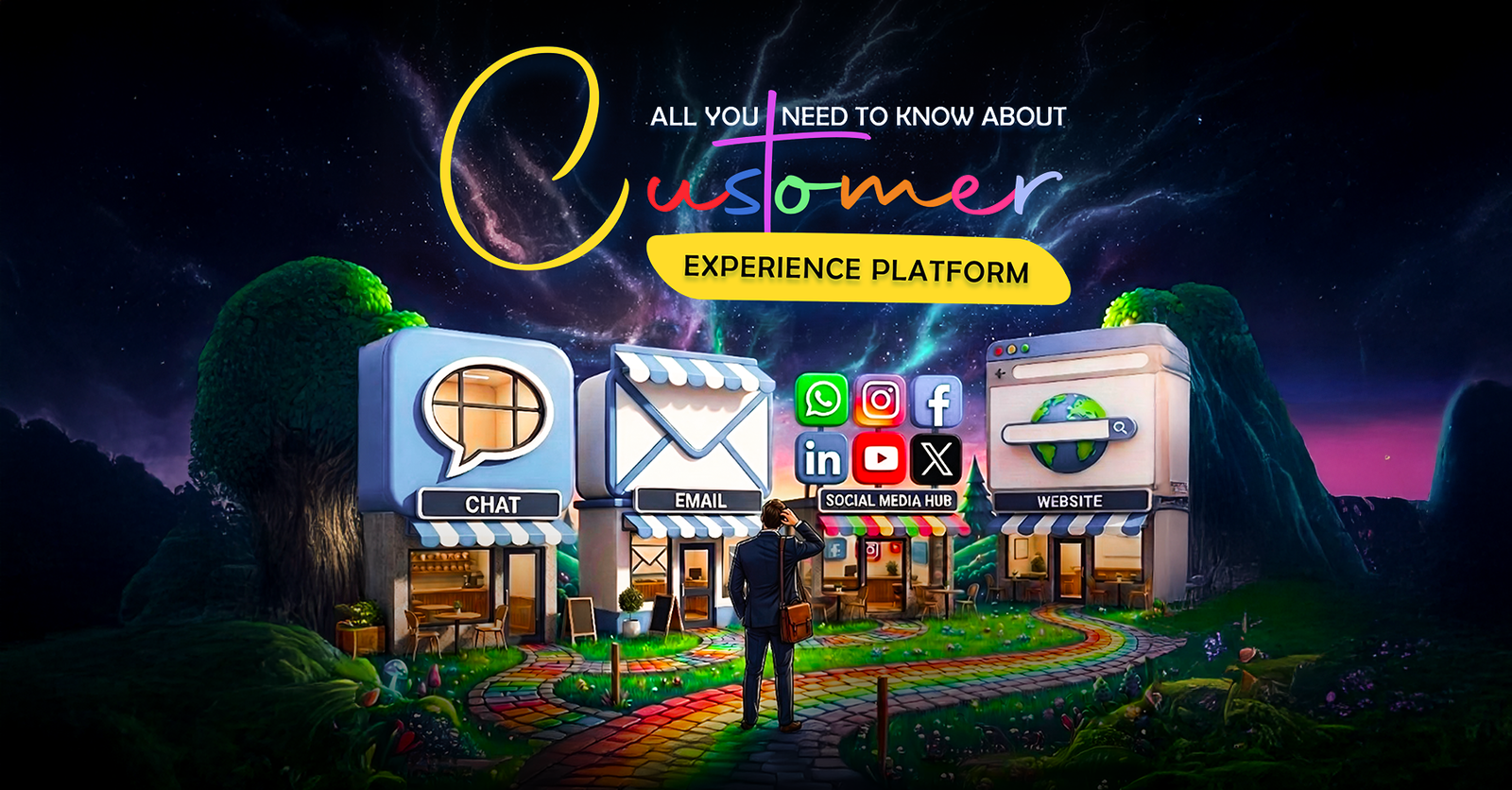
A customer experience platform (CXP) is a group of tools that help you control and improve the customer journey across apps, websites, emails, and text messages. A CXP helps businesses provide uniform, personalized experiences across all channels by storing customer data in one place. It's a useful tool for giving customers unified, personalized experiences that make them happy and faithful.
This makes customers more satisfied and loyal. It lets businesses keep track of contacts, study behaviors, and change their plans so that every interaction feels connected, important, and purposeful.
However, knowing what they are is not enough. Let’s see why they matter.
Why Do Customer Experience Platforms Matter?
Customer experience plays a direct role in business growth. With the rise of quick commerce, convenience has become a key expectation. Even small friction points can push customers away.
Here are some key benefits when customer experience is done right:
Higher Revenue Per Customer: Satisfied customers don't just return; they spend more. Research shows that customers with positive experiences have a 140% higher lifetime value compared to those with poor ones. They're also more open to upsells and premium offerings.
-
Lower Acquisition Costs: Acquiring a new customer can cost five times more than retaining an existing one. Businesses that invest in customer experience consistently see lower churn, which directly reduces marketing spending overtime.
-
Organic Growth Through Referrals: A customer who feels genuinely valued becomes an advocate. Word-of-mouth referrals convert at a significantly higher rate than paid ads and come with built-in trust, something no ad budget can buy.
To understand this better, let’s look at the different types of CX platforms.
What Are The Different Types Of CX Platforms?
CX platforms come in different types based on their role.
-
Contact Center Solutions
Contact center platforms act as the main hub for handling customer calls, both incoming and outgoing. They are often the first point of interaction when customers need support. These platforms help reduce waiting times through automated call distribution, offer self-service through IVR systems, and ensure customers stay connected to the same agent across different channels. Examples: Genesys Cloud CX, Five9.
-
Customer Data and Relationship Systems
CRM systems bring together all customer interaction data into one place, making it easier for businesses to understand and manage relationships. They support marketing automation across channels, connect with contact center platforms to centralize queries, and organize data into detailed customer profiles. This helps teams manage leads and maintain consistent communication throughout the customer journey. Examples: Salesforce CRM, HubSpot CRM, Zoho CRM.
-
Helpdesk And Support Tools
Helpdesk systems serve as the backbone of customer support operations. They manage incoming queries, guide troubleshooting, and direct customers to the right solutions. These platforms help automate ticket assignments, streamline workflows, and organize support processes. They also allow businesses to build knowledge bases, enabling customers to access self-service content and resolve issues on their own. Examples: Zendesk, Freshdesk.
-
Feedback And Survey Systems
Feedback tools help businesses understand customer opinions and experiences in a structured way. They collect responses through surveys, polls, emails, chats, and SMS. These platforms also analyze feedback to identify patterns and insights, making it easier to take action. Managing responses and follow-ups becomes more efficient, helping businesses continuously improve their customer experience. Examples: SurveyMonkey, Typeform, Qualtrics.
-
Digital Experience Management Platforms
Digital experience platforms help businesses manage and optimize how customers interact with them online. They allow teams to create and publish content across websites, emails, and social media. At the same time, they collect and organize customer data from these channels and manage digital assets like text, images, and videos in one centralized system. Examples: Adobe Experience Manager, Sitecore Experience Platform.
Each of these platforms works because of certain key features.
Topics For More Insights
What Are The Key Features Of CX Platform?
When you're looking into CX automation platforms, there are some key features that can really make a difference in how effectively they help your business enhance customer experience.
-
Automated Customer Communication
One of the standout features of CX automation platforms is the ability to automate customer communication.
They can provide real-time support by understanding customer queries and delivering accurate, personalized responses. Plus, by taking care of those routine questions, chatbots free up your team to tackle the more complex issues that need a human touch.
-
Self-Service Portals
Another great feature is self-service portals. This lets customers quickly access information and services whenever they need them, without waiting around for help from a customer service representative.
It’s all about giving customers the control they want during their journey. When they can find answers or resolve issues on their own, it boosts their satisfaction and makes the whole experience smoother. -
Effectiveness Tracking
You’ll also want a platform that offers effectiveness tracking. This feature allows businesses to gather data on every customer interaction, helping them understand what’s working and what isn’t. By analyzing this information, companies can improve their customer service strategies to enhance customer satisfaction over time.
-
Integrations With Existing Systems
Seamless integration with your current systems, such as CRM or customer service platforms, is essential too. When a CX automation platform can unify your customer data, it makes sure your service agents have the same information at their fingertips. This promotes a smoother transition between agents and keeps your customers' experiences consistent and efficient.
-
Automated Workflows
Lastly, look for automated workflows. This feature can really streamline how customer interactions are handled. For instance, automated workflows can direct queries to the appropriate department or agent, ensuring your customers get the help they need anytime, day or night.

By cutting down on the manual effort for your customer service team, these workflows enhance efficiency and help resolve tickets and issues more quickly.
So, these are the top features to consider when exploring CX automation platforms. They can truly transform how you interact with your customers and elevate their overall experience!
Now let’s see how these features are used in real situations.
Where Are Customer Experience Platforms Used In Real Life?
These platforms are used in many real-world situations to improve customer experience.
-
Personalized Customer Journeys
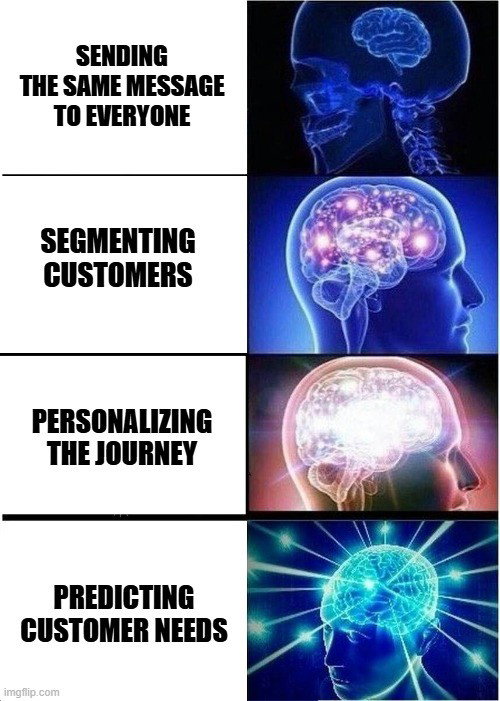
Customer experience platforms (CXPs) help businesses deliver highly personalized customer journeys using real-time and historical data. For example, when browsing an e-commerce website, customers receive product recommendations based on their behavior and preferences.
This level of personalization often leads to measurable results, such as a 20% increase in sales and a 15% improvement in customer satisfaction scores. This is why CXPs are widely adopted in retail and e-commerce, where personalized experiences directly influence conversions and revenue. -
Omnichannel Customer Engagement
Modern customers interact with brands across multiple touchpoints, including websites, mobile apps, social media, and physical stores. CXPs enable seamless omnichannel customer engagement by unifying these channels into one consistent experience.
For instance, a customer can start a conversation on a mobile app and continue it via email without losing context. This connected experience reduces customer churn and improves retention, making it a key strategy in industries like banking, telecom, and financial services. -
AI-Powered Support And Chatbots
Customer experience platforms use AI-powered chatbots and automated workflows to handle routine customer queries efficiently. This not only improves customer support experience but also reduces waiting times by up to 50%.
By automating repetitive tasks, CXPs allow human agents to focus on more complex issues, improving first-contact resolution rates. Industries such as travel, hospitality, and e-commerce heavily rely on AI-driven customer support, especially during peak demand periods. -
Predictive Analytics And Proactive Customer Engagement
CXPs leverage predictive analytics to analyze customer behavior and anticipate future needs. This allows businesses to engage customers proactively rather than reactively.
For example, subscription-based platforms can identify users at risk of churn and offer personalized incentives to retain them. This data-driven approach can improve customer retention rates by 10–15% and is commonly used in SaaS, OTT platforms, and subscription services. -
Real-Time Feedback And Sentiment Analysis
Customer experience platforms also enable real-time feedback analysis by collecting insights from reviews, surveys, and social media interactions. Using sentiment analysis, businesses can understand customer emotions and respond quickly to issues.
This helps improve customer satisfaction, increase Net Promoter Scores (NPS), and reduce negative feedback. Retail and service-based industries actively use these insights to continuously optimize customer experience.
All these examples show how important CX platforms have become.
Conclusion
Customer experience platforms have moved from being a competitive advantage to a baseline expectation. Businesses that unify their customer touchpoints, personalize interactions, and act on real-time insights aren't just improving satisfaction, they're building the kind of trust and loyalty that drives sustainable growth. In a market where customers have more choices than ever, experience is often the deciding factor.
Frequently Asked Questions
What Is A Customer Experience Platform (CXP)?
A Customer Experience Platform (CXP) is a set of tools that help businesses manage, track, and improve customer interactions across multiple channels like websites, apps, email, and support systems.
How Is A CXP Different From A CRM?
While a CRM focuses mainly on managing customer data and sales interactions, a CXP goes beyond that by creating personalized, seamless experiences throughout the entire customer journey.
Why Are CXPs Important For Businesses Today?
CXPs help businesses meet rising customer expectations by delivering faster, more personalized, and consistent experiences, which leads to better customer satisfaction, retention, and growth.
Fri, Mar 27, 2026

Enjoyed what you read? Great news – there’s a lot more to explore!
Dive into our content repository of the latest tech news, a diverse range of articles spanning introductory guides, product reviews, trends and more, along with engaging interviews, up-to-date AI blogs and hilarious tech memes!
Also explore our collection of branded insights via informative white papers, enlightening case studies, in-depth reports, educational videos and exciting events and webinars from leading global brands.
Head to the TechDogs homepage to Know Your World of technology today!
Disclaimer - Reference to any specific product, software or entity does not constitute an endorsement or recommendation by TechDogs nor should any data or content published be relied upon. The views expressed by TechDogs' members and guests are their own and their appearance on our site does not imply an endorsement of them or any entity they represent. Views and opinions expressed by TechDogs' Authors are those of the Authors and do not necessarily reflect the view of TechDogs or any of its officials. While we aim to provide valuable and helpful information, some content on TechDogs' site may not have been thoroughly reviewed for every detail or aspect. We encourage users to verify any information independently where necessary.
Loading comments...