
Emerging Technology
What’s The Latest Legal Trouble For Generative AI Now?
Updated on Tue, Jan 2, 2024
Share
Of course, once GenAI made it to the public, people went gaga over it. ChatGPT gained over a million users in just five days! (That’s just one impressive stat, we’ve got a boatload more here!)
Soon enough though, the technological revolution saw use cases in almost every industry. From artists to business-to-business companies, these tools could generate just about any type of text, image, video or audio and more a user needed.
However, there have been questions asked about its use and the validity of the information being shared, especially considering reports where the tools have literally generated cases that didn’t exist in reality AKA AI hallucinations.
This brought concerns in various sectors, especially those that rely heavily on facts and genuine information, such as the legal sector. A few incidents led to the US Supreme Court to draw attention to the status of artificial intelligence in the field and the concerns surrounding it.
So, what did the US Supreme Court highlight? Let’s explore!
What Did The Supreme Court Highlight?
-
In the 2023 year-end report on the federal judiciary published by the Supreme Court of the United States, Chief Justice John Roberts highlighted areas of concern for artificial intelligence (AI) within the legal field.
-
These include privacy concerns and AI’s inability to maintain discretion.
-
Furthermore, Roberts also mentioned an incident where lawyers cited non-existent cases based on AI hallucinations, which made their way into official court filings.
-
While Roberts didn’t elaborate on the incident, the last few days revealed through unsealed court papers that Michael Cohen, Donald Trump's former lawyer, had provided his attorneys with fake case citations generated by AI. Cohen claimed that he didn’t realize the citations generated by Google’s Bard weren’t real.
-
Additionally, other similar incidents have been documented over the last few months.
-
This led Roberts to state that “any use of AI requires caution and humility.”
-
Last month, a federal appeals court in New Orleans proposed that lawyers would be required to certify that they didn’t use artificial intelligence to draft briefs or the accuracy of texts generated by such tools were reviewed by humans for accuracy.
- On the flip side, Chief Justice John Roberts also outlined its benefits, stating it could help resolve cases faster and more cost-effectively, revolutionize legal research and “increase access to justice, particularly for litigants with limited resources.”
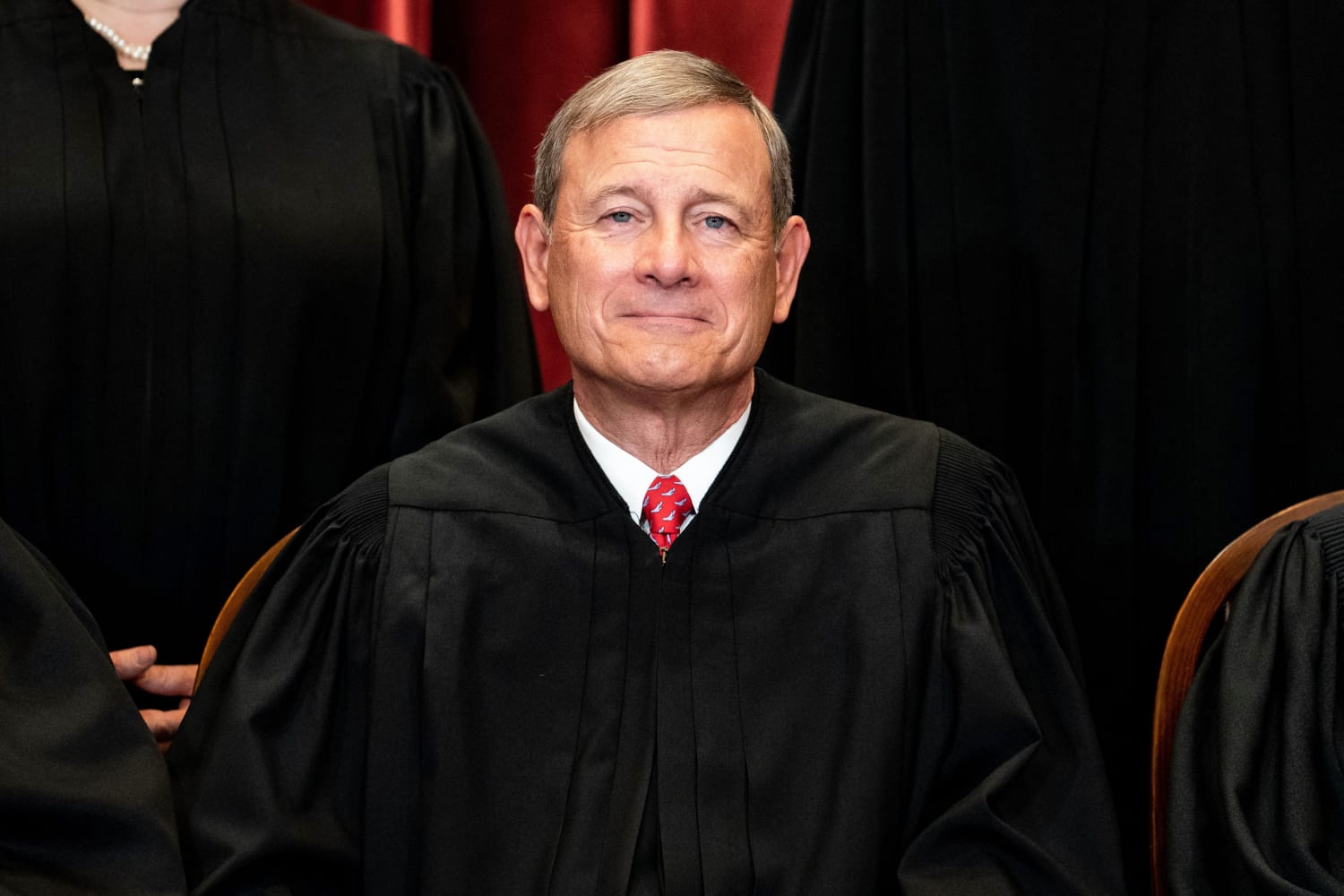
What Did The Supreme Court’s Chief Justice Say?
-
Talking about the legal sector’s adoption of technology, Supreme Court Chief Justice John Roberts said in the Chief Justice's Year-End Reports on the Federal Judiciary, “As 2023 draws to a close with breathless predictions about the future of Artificial Intelligence, some may wonder whether judges are about to become obsolete. I am sure we are not—but equally confident that technological changes will continue to transform our work.”
-
“The COVID-19 pandemic ushered in yet another wave of rapid technological innovation. Courts at all levels of the judiciary immediately shifted from in-person to remote hearings in civil cases … Now we face the latest technological frontier: artificial intelligence (AI).
-
“Law professors report with both awe and angst that AI apparently can earn Bs on law school assignments and even pass the bar exam. Legal research may soon be unimaginable without it.”
-
Roberts added, “Any use of AI requires caution and humility. One of AI’s prominent applications made headlines this year for a shortcoming known as “hallucination,” which caused the lawyers using the application to submit briefs with citations to non-existent cases … Some legal scholars have raised concerns about whether entering confidential information into an AI tool might compromise later attempts to invoke legal privileges.”
Do you think sectors relying heavily on authenticated and genuine information need to be regulated more strictly? Do you think such conditions should be put in place for legal professionals using AI tools?
Let us know in the comments below!
First published on Tue, Jan 2, 2024

Enjoyed what you've read so far? Great news - there's more to explore!
Stay up to date with the latest news, a vast collection of tech articles including introductory guides, product reviews, trends and more, thought-provoking interviews, hottest AI blogs and entertaining tech memes.
Plus, get access to branded insights such as informative white papers, intriguing case studies, in-depth reports, enlightening videos and exciting events and webinars from industry-leading global brands.
Dive into TechDogs' treasure trove today and Know Your World of technology!
Disclaimer - Reference to any specific product, software or entity does not constitute an endorsement or recommendation by TechDogs nor should any data or content published be relied upon. The views expressed by TechDogs' members and guests are their own and their appearance on our site does not imply an endorsement of them or any entity they represent. Views and opinions expressed by TechDogs' Authors are those of the Authors and do not necessarily reflect the view of TechDogs or any of its officials. While we aim to provide valuable and helpful information, some content on TechDogs' site may not have been thoroughly reviewed for every detail or aspect. We encourage users to verify any information independently where necessary.
Loading comments...