
OpenAI is retiring ChatGPT Atlas less than ten months after launching the standalone AI browser. However, the company is not abandoning AI-powered browsing, as Atlas capabilities are being moved into ChatGPT, Codex, the ChatGPT desktop app, and Chrome.
The decision indicates a change in product strategy rather than an exit from the browser race. Instead of asking users to adopt a separate browser, OpenAI now wants to bring agentic web tools into the applications and browsers they already use.
TL;DR
- ChatGPT Atlas will stop working on August 9, 2026.
- Bookmarks, open tabs, and browsing history will not move automatically.
- Atlas features are being incorporated into ChatGPT, Codex, the desktop app, and a Chrome sidebar.
- OpenAI is developing a more capable integrated browser with tabs, downloads, navigation, and account login support.
OpenAI Retires Its Standalone AI Browser
OpenAI confirmed that it is deprecating Atlas as it brings browser-based agentic capabilities into ChatGPT and Codex. The browser is scheduled to stop operating on August 9, 2026.
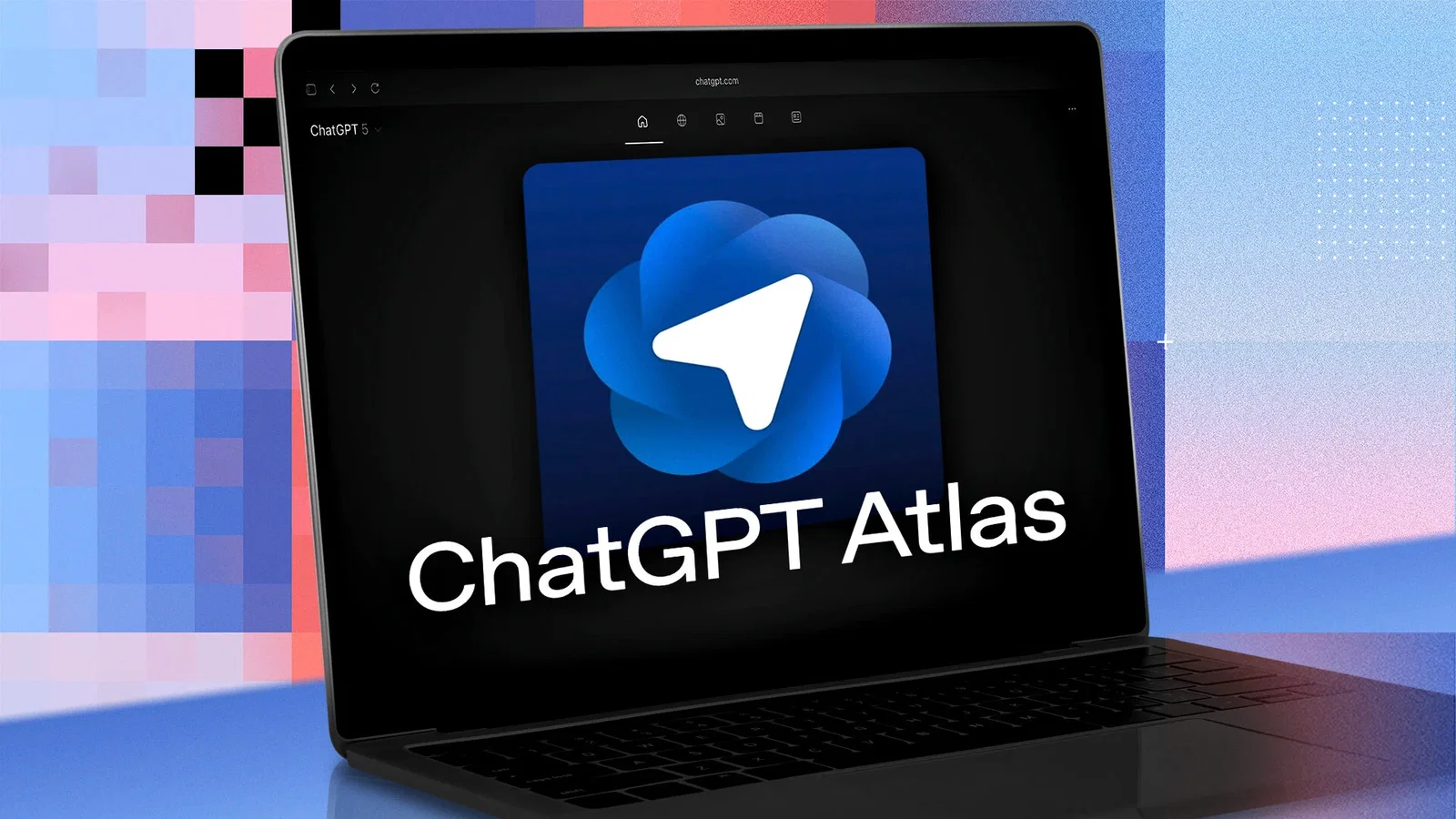
Atlas was launched worldwide for macOS on October 21, 2025, meaning the product will have operated for less than ten months. At launch, OpenAI described it as a browser built with ChatGPT at its core, designed to understand webpage context, remember browsing activity when permitted, and complete tasks through an agent mode.
Users who want to preserve their data must act before the shutdown. OpenAI said Atlas bookmarks, open tabs, browser history, cookies, and passwords will not automatically transfer to the company’s newer products.
Users can export cookies and passwords to the ChatGPT desktop app and move bookmarks to Chrome. ChatGPT conversation history is stored separately and will remain accessible according to each user’s plan, workspace settings, and account status.
Atlas Features Find A New Home
OpenAI is using lessons from Atlas to create a more capable browser experience inside ChatGPT. Planned and newly introduced functions include multiple tabs, downloads, improved navigation, website account login support, and the ability to interact with web content without leaving the desktop app.
The ChatGPT desktop app can now bring websites, online tools, and files into one workspace. It can also use a built-in browser to research topics, compare sources, work with web-based productivity tools, and take guided actions across webpages.
OpenAI is also updating its Chrome extension to place ChatGPT inside Chrome’s sidebar. This allows users to ask questions about the page they are viewing, summarize content, access page context, and initiate longer tasks without switching to another browser.
“All these capabilities were built on what we learned from Atlas users who took a leap of faith on a new browser,” said OpenAI product executive James Sun, according to The Verge.
From Browser Rival To Browser Layer
Atlas entered a market where AI companies were attempting to challenge Chrome’s dominance. Its competitors included Perplexity’s Comet and The Browser Company’s Dia, while Google and Microsoft continued adding AI features to Chrome and Edge.
OpenAI’s latest move suggests it sees greater value in making AI browsing a feature across its ecosystem rather than operating a separate browser. The company’s browser ambitions are therefore expanding across ChatGPT and Codex, even as the Atlas brand and application disappear.
For users, the immediate priority is exporting important Atlas data before August 9. For OpenAI, the larger test will be whether integrated agentic browsing can become more useful and widely adopted than its short-lived standalone browser.
