
Media and Entertainment
Midjourney Turns The AI Copyright Fight Back On Hollywood's Disney, Universal And Warner Bros.
Updated on Mon, Jul 6, 2026
Share
Midjourney is pushing back in its copyright fight with Disney, Universal, and Warner Bros., asking a court to force the Hollywood studios to disclose more about how they use generative AI (GenAI) internally, not just in consumer-facing content.
TL;DR
- Midjourney wants Hollywood studios to reveal broader details about their AI use.
- The startup says those records could support its fair use and unclean hands defenses.
- The studios argue Midjourney is trying to justify unauthorized use of their copyrighted characters.
Midjourney Challenges Hollywood Studios Over AI Discovery Limits
The legal fight between Midjourney and some of Hollywood’s biggest studios is moving deeper into how the entertainment industry uses artificial intelligence behind the scenes.
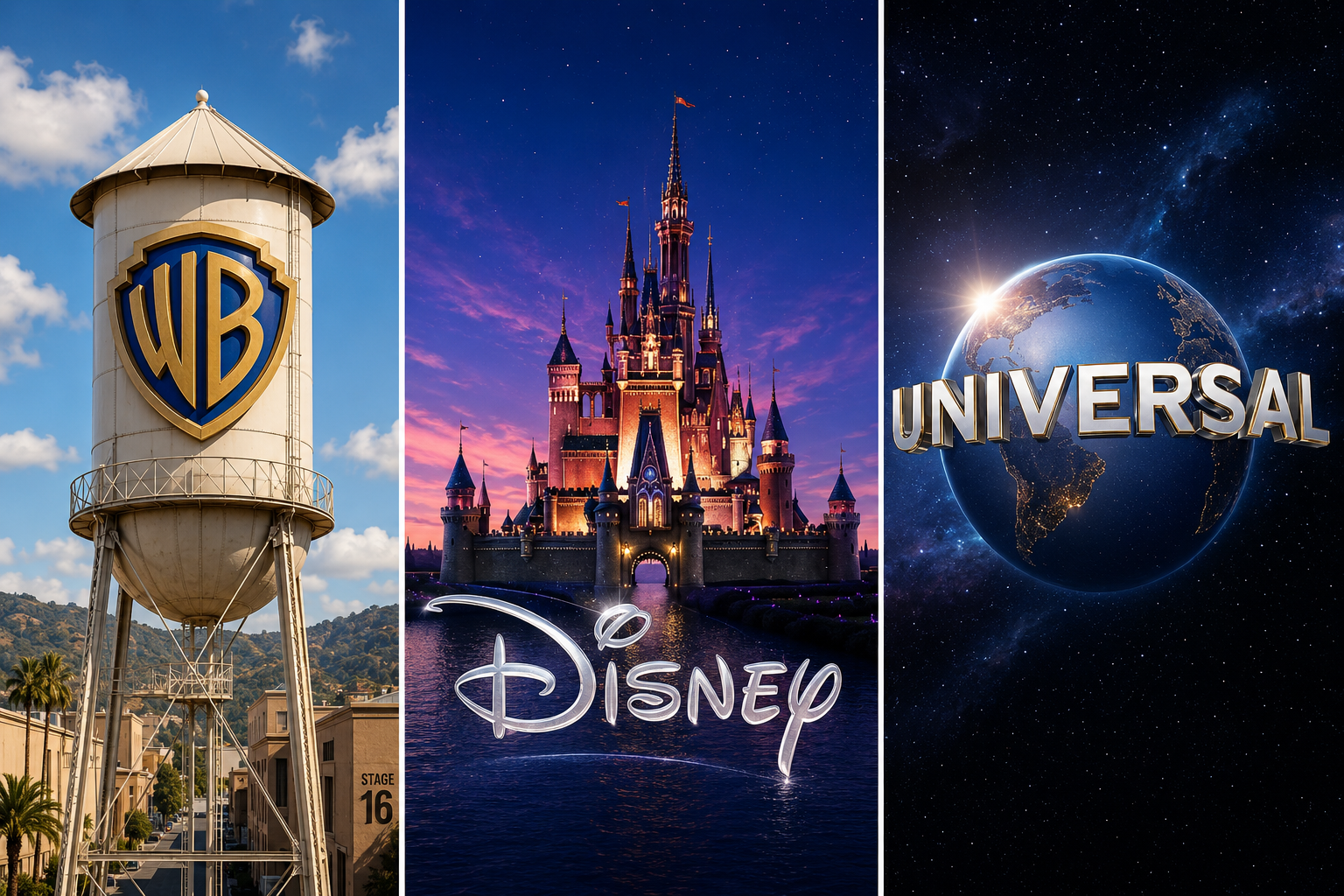
Disney and Universal sued Midjourney last year, accusing the AI (artificial intelligence) startup of copyright infringement. Their complaint said Midjourney’s models could generate images of protected characters, including Bart Simpson and Darth Vader. Warner Bros. later filed a separate lawsuit against the company.
Midjourney has denied that its training practices amount to infringement, arguing that training AI models on images of copyrighted characters is allowed under fair use. Now, the company is trying to widen discovery in the case by asking the court to make the studios disclose more information about their own GenAI practices.
The latest dispute centers on what documents the studios must produce. A judge previously said the studios would have to provide information about their GenAI usage, but only where that usage led to consumer-facing videos and images.
Midjourney Says Hollywood’s Internal AI Use Could Matter In Court
Midjourney wants that limitation removed. In its filing, the company argues that the current order “unfairly” lets the studios “cherry-pick only those documents they believe support their market harm claims while depriving Midjourney of documents that would support its defenses.”
The startup also claims the studios may be withholding documents that could show whether they are using AI in ways similar to the conduct they are challenging in court. According to Midjourney, those records could matter even if the resulting content was never released to the public.
For example, Midjourney says evidence that studios are developing image-generating AI models for internal storyboarding or content ideation could show that training AI systems on unlicensed copyrighted material is an industry custom. That, the company argues, would be relevant to its fair use defense and to whether the studios can claim market harm.
Midjourney also says the records could support its unclean hands defense, which focuses on whether a plaintiff’s own conduct is unfair and related to the claims being made.
AI Prompts And Outputs Are Also Part Of The Fight
Midjourney is also asking the court to compel the studios to reveal all prompts they entered into Midjourney, along with the resulting outputs. The company says the studios should not be allowed to disclose only the prompts that produced allegedly infringing images.
In the filing, Midjourney argues that prompts are factual inputs, not legal strategy. It also says the studios relied on selected prompts in their complaints, meaning a fuller record is needed to understand what was generated, by whom, and how often.
The startup adds that if the studios or their agents created certain outputs themselves, those images cannot be treated the same way as user-generated infringing content.
Hollywood Studios Say The Case Is About Unauthorized Copying
The studios have pushed back on Midjourney’s request. Their lead attorney, David Singer, previously described the company’s demand for broader AI records as a “fishing expedition.”
Singer also said the studios “do not seek to stop AI technology or even shut down Midjourney’s business,” but instead want the company to stop copying their movies and TV shows and stop creating or distributing works that include their famous characters without authorization.
That distinction is central to the case. The studios are not framing their lawsuits as a fight against AI itself. They are targeting how Midjourney allegedly trained and operates its models when protected characters are involved.
Topics For More Insights
- Exploring Midjourney V7: Is It The Next Step In AI Art Generation?
- Universal Music Group And TikTok Renew Deal To Remove Unauthorized AI Music
- After Netflix, Disney Plans To Cut Around 1,000 Jobs From The Marketing Department!
- Netflix Declines To Raise Offer For Warner Bros. Discovery As Paramount Skydance Proposal Gains Board Support
Why The Midjourney AI Copyright Case Matters
The outcome could help shape how courts view AI training, internal AI use, and copyright defenses in the entertainment industry.
If Midjourney wins broader discovery, major studios may have to reveal more about how they use AI behind closed doors, including for early creative work such as ideation, storyboarding, and character development.
For Hollywood, the case is about protecting valuable intellectual property. For Midjourney, it is about proving that the studios’ own AI practices may complicate their claims.
Either way, the dispute shows that the AI copyright battle is no longer just about what GenAI platforms can produce. It is also about what major media companies are doing with the same technology.
First published on Mon, Jul 6, 2026

Enjoyed what you read? Great news – there’s a lot more to explore!
Dive into our content repository of the latest tech news, a diverse range of articles spanning introductory guides, product reviews, trends and more, along with engaging interviews, up-to-date AI blogs and hilarious tech memes!
Also explore our collection of branded insights via informative white papers, enlightening case studies, in-depth reports, educational videos and exciting events and webinars from leading global brands.
Head to the TechDogs homepage to Know Your World of technology today!
Disclaimer - Reference to any specific product, software or entity does not constitute an endorsement or recommendation by TechDogs nor should any data or content published be relied upon. The views expressed by TechDogs' members and guests are their own and their appearance on our site does not imply an endorsement of them or any entity they represent. Views and opinions expressed by TechDogs' Authors are those of the Authors and do not necessarily reflect the view of TechDogs or any of its officials. While we aim to provide valuable and helpful information, some content on TechDogs' site may not have been thoroughly reviewed for every detail or aspect. We encourage users to verify any information independently where necessary.
Loading comments...