
Enterprise Solutions
Invisible Crisis: How A Helium Shortage Is Quietly Disrupting Global Chip Production
Updated on Fri, Mar 27, 2026
Share
The global technology sector is grappling with a growing helium shortage.
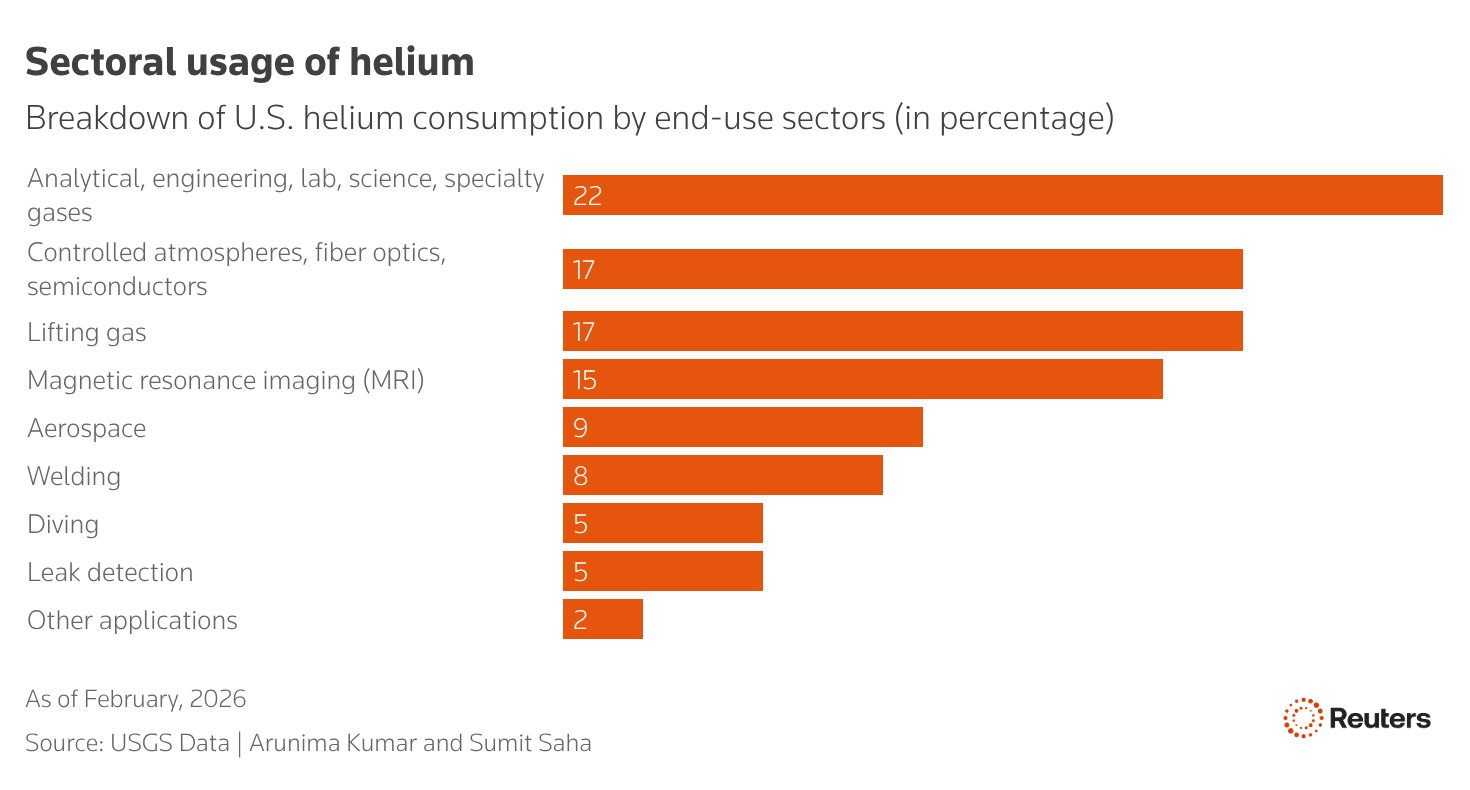
The situation has begun to directly affect semiconductor production, where helium plays a vital role in cooling systems, leak detection, and precision manufacturing.
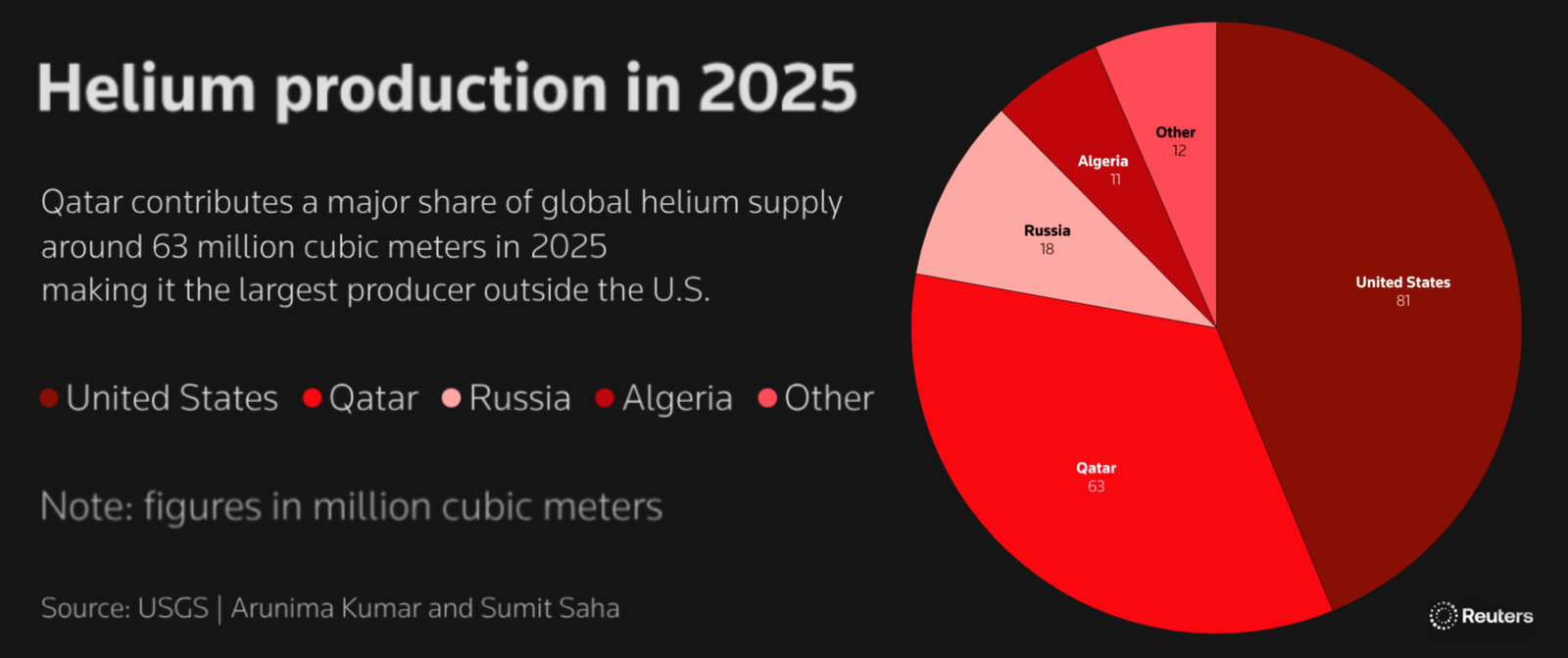
Qatar, which produces nearly one-third of the world’s helium, sits at the center of this disruption.
Attacks on gas facilities and shipping constraints, particularly around the Strait of Hormuz, are expected to reduce exports by around 14%, tightening an already concentrated supply chain.
As a result, helium prices have surged, leaving manufacturers with limited options. Cameron Johnson, senior partner at Tidal Wave Solutions, warned, “A helium shortage is an absolute concern,” adding that companies may have no choice but to slow output or prioritize critical products.
TL;DR
- Middle East conflict is tightening global helium supply, especially from Qatar
- Chipmakers face rising costs and slowing production
- Companies are scrambling for alternative sources, with few short-term solutions
- Disruptions could impact electronics, automobiles, and broader tech supply chains
Semiconductor Manufacturing Faces Slowdowns As Helium Prices Surge
Helium’s role in chipmaking makes it irreplaceable in the short term. Without adequate supply, production lines risk delays or shutdowns, which could ripple across industries dependent on semiconductors.
“If that happens, you will see an impact on things like electronics, automobiles, even smartphones,” Johnson said.
Jerry Zhang, China sales head at VAT, confirmed that the shortage is already affecting production across companies, with transport delays compounding the issue. Firms are now exploring alternative sources, including the United States, though viable options remain limited.
Meanwhile, disruptions are extending beyond helium itself. Zhou Limin of Mycronic’s MRSI unit noted delays in raw materials sourced from Israel, increasing lead times and pushing delivery schedules further out. “There has definitely been a short-term impact, and it has already affected us,” said Zhou.
Global Supply Chain Weakness Exposed By Helium Dependency
The crisis has highlighted a structural weakness in the global tech supply chain, its reliance on geographically concentrated resources.
Helium, a byproduct of natural gas processing, cannot be easily scaled independently, making rapid supply adjustments difficult.
Major industrial gas companies such as Air Liquide and others have acknowledged the short-term shortage, while firms across the ecosystem scramble to secure supply or pass rising costs to customers.
Although some companies are investing in helium recycling and alternative extraction methods, these remain long-term solutions.
In the near term, businesses are left managing constrained supply and rising operational risks.
Tech And Automotive Industries Brace For Broader Impact
The semiconductor industry, already sensitive to supply disruptions, faces renewed pressure. A prolonged helium shortage could echo previous chip crises, delaying production of consumer electronics and vehicles.
Automakers, which increasingly rely on advanced chips, are particularly vulnerable. Even as the semiconductor market shows signs of recovery, helium shortages introduce a fresh layer of uncertainty.
Natural gas price volatility further complicates the situation, adding cost pressures across the supply chain.
Topics For More Insights
Outlook: Short-Term Pain, Long-Term Structural Challenges
While diplomatic efforts may ease immediate tensions, the underlying issue of concentrated helium supply remains unresolved. Analysts expect continued price increases and cautious supply chain management in the coming months.
Companies are likely to accelerate investment in recycling technologies and diversify sourcing strategies, though widespread adoption will take time.
For now, the tech industry faces a familiar challenge, balancing innovation with supply chain fragility, as a critical but often overlooked resource becomes a key constraint on global production.
First published on Fri, Mar 27, 2026

Enjoyed what you've read so far? Great news - there's more to explore!
Stay up to date with the latest news, a vast collection of tech articles including introductory guides, product reviews, trends and more, thought-provoking interviews, hottest AI blogs and entertaining tech memes.
Plus, get access to branded insights such as informative white papers, intriguing case studies, in-depth reports, enlightening videos and exciting events and webinars from industry-leading global brands.
Dive into TechDogs' treasure trove today and Know Your World of technology!
Disclaimer - Reference to any specific product, software or entity does not constitute an endorsement or recommendation by TechDogs nor should any data or content published be relied upon. The views expressed by TechDogs' members and guests are their own and their appearance on our site does not imply an endorsement of them or any entity they represent. Views and opinions expressed by TechDogs' Authors are those of the Authors and do not necessarily reflect the view of TechDogs or any of its officials. While we aim to provide valuable and helpful information, some content on TechDogs' site may not have been thoroughly reviewed for every detail or aspect. We encourage users to verify any information independently where necessary.
Loading comments...