Instagram for TV is now available on Samsung Smart TVs in the US, bringing Reels, Stories and creator-led videos to a bigger screen as Meta tests new formats designed for shared living-room viewing.|
TL;DR
- Instagram for TV has expanded to Samsung Smart TVs in the US, covering 2020 model year TVs and newer.
- The app already supports Amazon Fire TV and Google TV, giving Instagram broader connected-TV reach.
- Instagram is testing Reels casting, interest-based channels, horizontal video, long-form creator content, episodic series and Live on TV.
- The move places Instagram closer to YouTube’s living-room video territory.
Instagram is making a bigger play for the biggest screen in the home.
The company announced that Instagram for TV is now available on Samsung Smart TVs in the US, including models from 2020 and newer. The expansion means users can watch Instagram content such as Reels and Stories on a television instead of relying only on a smartphone.
The launch builds on Instagram’s earlier connected-TV push. Instagram for TV first began rolling out on Amazon Fire TV devices in December 2025 and later came to Google TV, before adding Samsung TVs this week. With the Samsung expansion, Instagram says the service is now available across the majority of connected TV devices in the US.
“Whether you’re catching up on your favorite creators, laughing at reels with friends, or discovering something new with family, Instagram for TV makes it easier to enjoy the videos you love on the biggest screen in the home,” Instagram said in its announcement.
The move reflects how social video is steadily moving beyond the phone. Instagram said it has heard from users that watching Instagram for TV is often a shared experience, with friends and family passing the remote, swapping recommendations and discovering videos together.
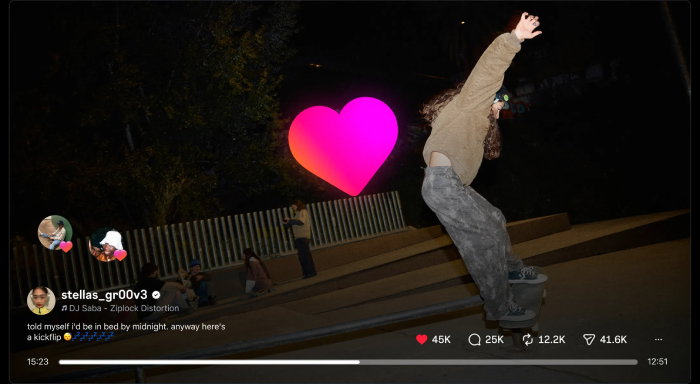
To support that behavior, Instagram is testing channels organized around user interests, such as comedy, sports and creators, making it easier for people in the same room to find something to watch together. It is also testing the ability to cast Reels from a phone to the TV, including videos from the Saved tab. Casting is already available today on Google TV and Fire TV.
Stories are also coming to the big screen, letting users catch up on content from friends and creators without gathering around a phone. Another notable test is a dedicated home for horizontal video, which Instagram said gives creators more ways to reach audiences and makes it easier to watch content designed for TV screens.
This part of the rollout is especially important. Instagram has long been associated with mobile-first vertical content, but horizontal video, long-form creator content and episodic series could make the platform more competitive in the living room.
Topics For More Insights
That puts Instagram closer to YouTube’s territory. In February 2025, YouTube CEO Neal Mohan said TV had surpassed mobile as the primary device for YouTube viewing in the US by watch time. He also said viewers watch more than 1 billion hours of YouTube content on TVs daily.
Nielsen data has also shown YouTube’s strength on TV. In January 2026, YouTube led Nielsen’s Media Distributor Gauge with 12.5% of total TV viewing, ahead of Disney at 11.9% and Netflix at 8.8%.
Instagram is not presenting this as a finished shift yet. The company said it is still in the early stages of understanding what social video looks like on TV. It is also exploring long-form creator videos, episodic series and Live on TV, with plans to begin rolling out more living-room-focused formats soon.
“Creators are helping shape the future of Instagram for TV,” Instagram said. “As we explore longer-form, episodic, and live formats, we’re working closely with creators to understand what works best on TV and how these experiences can complement the ways people already use Instagram.”
For now, the feature gives Samsung TV owners a new way to scroll through Reels and Stories from the couch. However, Instagram’s bigger ambition appears to be clear, it wants creators, social video and shared viewing to feel as natural on television as they already do on mobile.
