
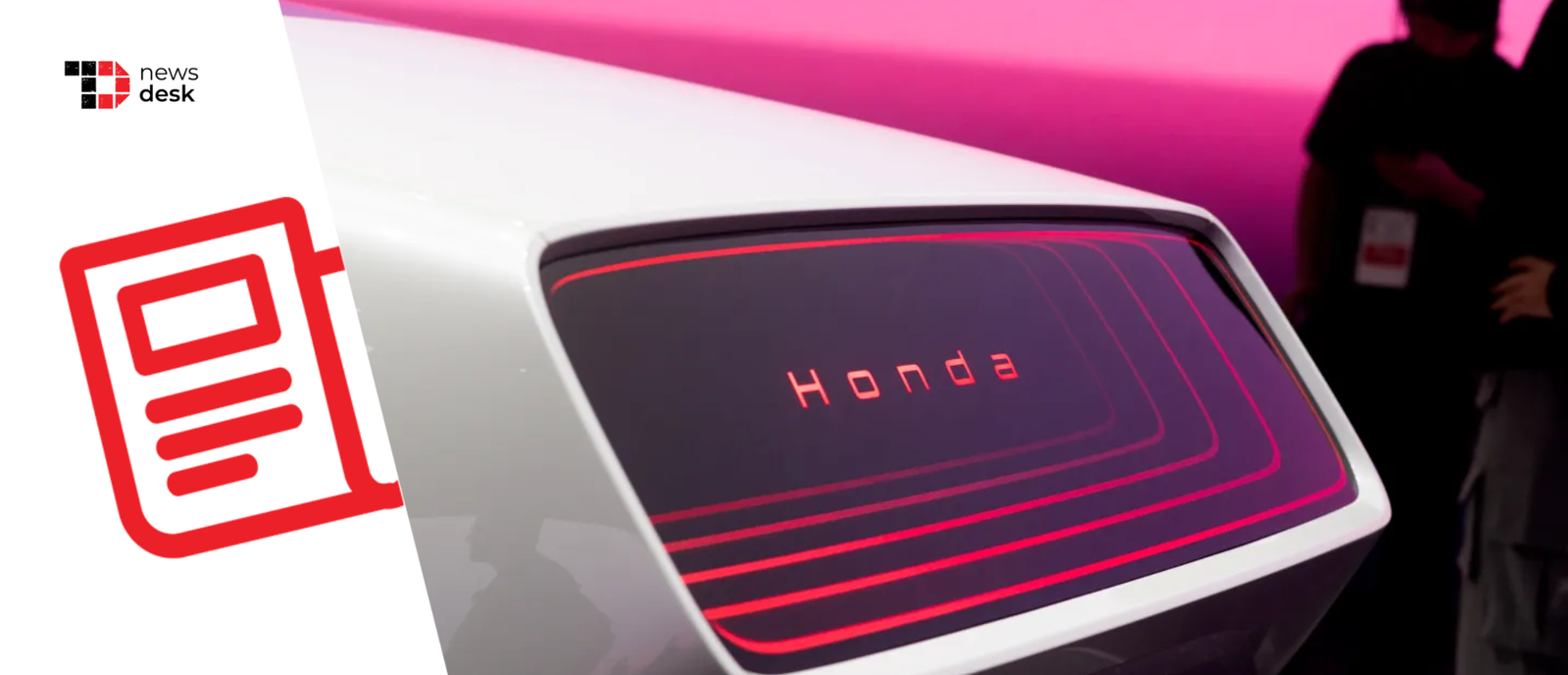
Honda is retreating from a major part of its electric vehicle push after canceling three North America-bound EV models, a decision that underlines how tariffs, slowing EV demand, and the rise of software-defined vehicles are reshaping the industry.
The Japanese automaker said it is reassessing its automobile electrification strategy after changes in the business environment hurt profitability. Honda added that new U.S. tariff policies have weighed on its gasoline and hybrid business, while rising competitive pressure in Asia has exposed weaknesses in its EV approach.
TL;DR
- Honda has canceled the Honda 0 SUV, Honda 0 Saloon, and Acura RSX EV planned for North America.
- The company blamed tariff pressure, slowing U.S. EV demand, and tougher software-led competition in China.
- Honda now plans to strengthen hybrids and adopt a more flexible long-term EV strategy.
Honda Cancels Three EV Models
In an official release, Honda said it has decided to cancel the development and market launch of three EV models planned for production in North America, namely the Honda 0 SUV, Honda 0 Saloon, and Acura RSX. The company said this was part of a broader reassessment of its electrification strategy.

Honda said the U.S. EV market has slowed due to eased fossil fuel regulations and revised EV incentives. It also said the outlook remains uncertain, making it harder to justify near-term production of the three models. According to the company, launching them in the current environment would likely result in further losses over the long term.
The financial hit is substantial. Honda said it expects to record operating expenses of 820 billion yen to 1.12 trillion yen and a share of loss from equity-method investments of 110 billion yen to 150 billion yen for the fiscal year ending March 2026. It also said total losses linked to the reassessment could reach as much as 2.5 trillion yen over time.
Why Software Is Now A Bigger Problem
Honda’s statement also offered a blunt assessment of the China market. The company said customer priorities are shifting from hardware features such as fuel efficiency and cabin space to software-based features that improve over time according to user preferences.
Honda said, “In such a difficult competitive environment, Honda was unable to deliver products that offer value for money better than that of newer EV manufacturers, resulting in a decline in competitiveness.” That is a striking admission for an automaker long known for engineering discipline and efficient manufacturing.
Reuters reported that Honda sold only 17,000 battery-powered vehicles in China last year, representing 2.5% of its roughly 677,000 vehicle sales in the country. The report also noted analyst concern that the decision could reflect a deeper long-term technology gap as the market moves toward software-defined vehicles and advanced driver-assistance systems.
What Comes Next For Honda
Honda said it will now reassess resource allocation, strengthen its hybrid lineup, and improve cost competitiveness in markets including India. The company added that future EV initiatives will be pursued more flexibly from a long-term perspective, while monitoring profitability and market trends.

That may help Honda stabilize earnings in the near term. However, it also means the company risks falling further behind as competitors continue building EV platforms, software systems, and supply chains that could define the next era of the global auto business.
