
Google has introduced selfie video sign-in, an optional account recovery method that lets eligible users verify their identity with a short facial video when passwords, trusted devices or their usual computer and phone are unavailable.
TL;DR
- Eligible Google Account users can register a guided selfie video before they are locked out.
- During recovery, Google compares a new live recording with the encrypted reference video.
- Liveness checks and other security signals are designed to block photos, prerecorded clips and deepfakes.
- Users can delete the stored video and must opt in before it is used for additional purposes.
How Google’s Selfie Video Sign-In Works
Google announced the feature recently, positioning it as an additional sign-in and recovery option rather than a replacement for passkeys, recovery contacts, passwords or two-factor authentication. The company said users can check availability through the dedicated selfie sign-in page or their Google Account security settings.
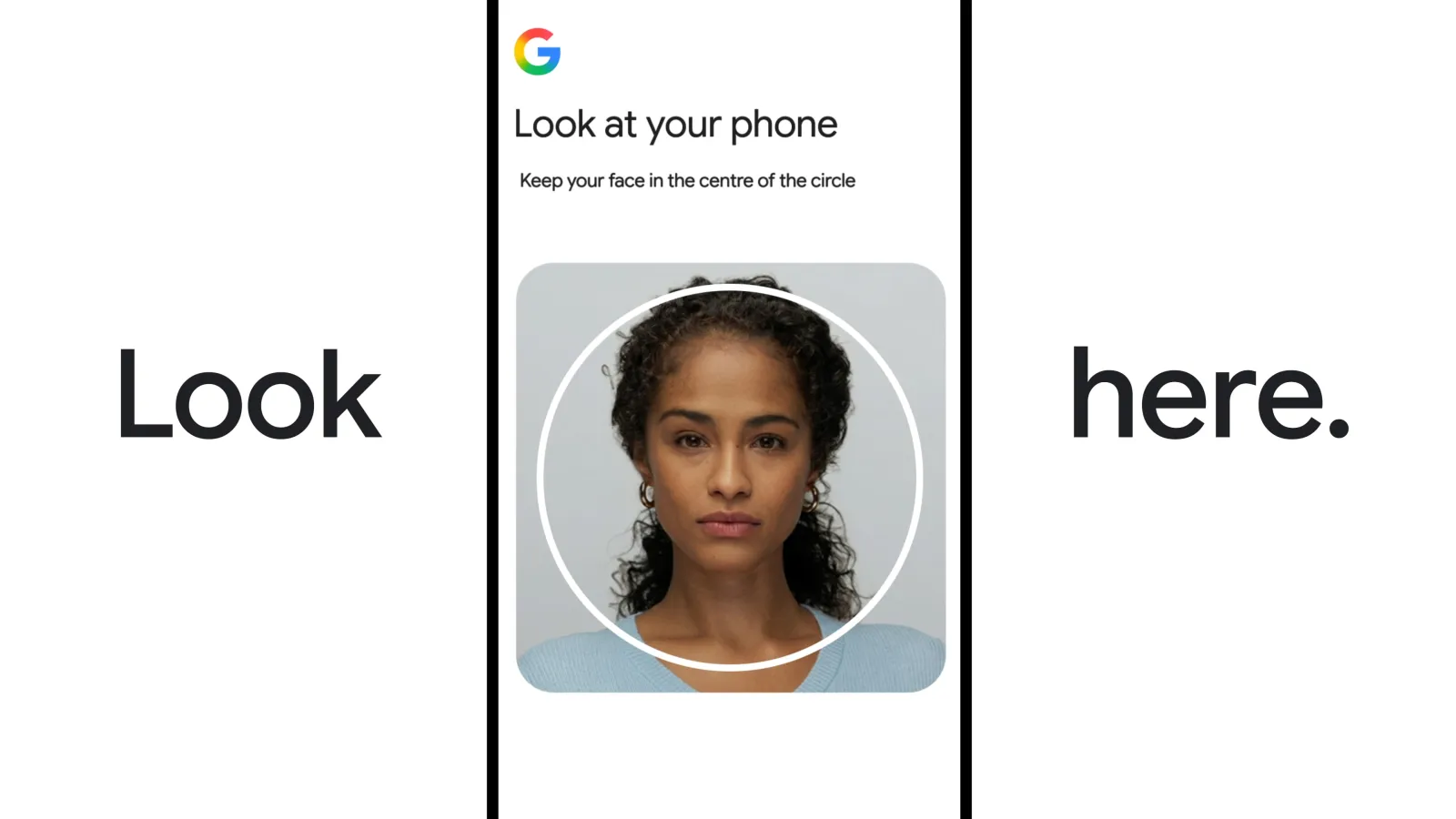
During setup, users look into a phone or computer camera and follow on-screen instructions that ask them to make a few guided head movements. These movements capture multiple angles of the face and create a reference selfie video that Google stores for later verification.
If a user is subsequently locked out, they record a fresh video and complete another set of movements. Google then compares the new recording with the saved reference to determine whether the person requesting access is the account owner.
Techlusive reported that the feature is intended for situations such as forgotten passwords or losing access to a usual device. The Verge added that the reference video is stored in the cloud, which means recovery is not limited to the device used during enrollment. Reuters confirmed that the feature became available to eligible users from July 23.
There is one crucial catch. As WIRED noted in its hands-on report, users must set up the selfie video while they still have access to their account. It cannot be added during the recovery process. WIRED’s reviewer completed enrollment in less than five minutes through the Security & sign-in section, although individual setup times may vary.
Privacy And Deepfake Protections
Google says the reference video is recorded and stored only with the user’s consent and is encrypted at rest. It is used for sign-in by default, can be deleted at any time and will not be used for other purposes unless the user chooses to opt in.
To reduce spoofing, Google combines facial matching with liveness checks that require simple real-time movements. The company also applies its regular risk and suspicious sign-in systems, meaning a successful selfie match may not be sufficient when other signals indicate unusual activity.
“We always recommend that you set up more than one option,” Claire Forszt, Product Manager for Google Identity and Engagement, told WIRED. She described selfie video as the newest option for users who cannot access the device holding their passkey.
Topics for more insights:
The rollout gives Google users another recovery route as deepfake tools make static images and prerecorded clips less dependable for identity verification. However, it also puts sensitive facial data into the account-security equation, so users will need to weigh the convenience of a biometric backup against their comfort with encrypted cloud storage.
For users who opt in, the best time to configure the feature is before it is needed. Google says eligible accounts can check access and enroll through its dedicated selfie sign-in page.
