
Cyber Security
Binance’s $6.3B Heist Began With A Fake Job Interview, Exposing Trust As The New Attack Surface
Updated on Thu, Nov 5, 2026
Share
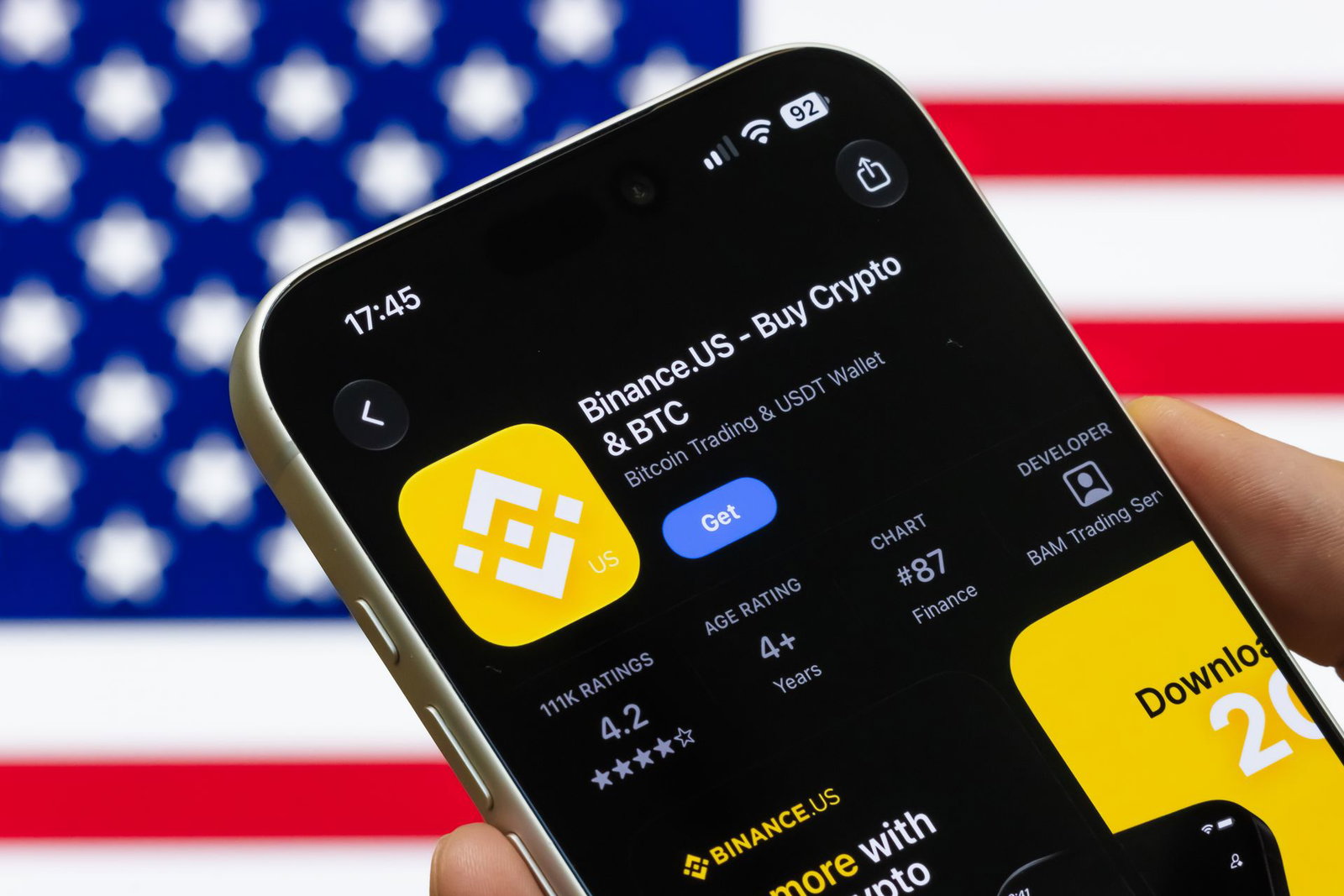
Binance has revealed that the record $6.3 billion theft from its wallets on October 29 began with fake job interviews and tampered software aimed at its own engineers. The disclosure shows how attackers now target employee trust rather than technical flaws.
TL;DR
- Binance disclosed that its $6.3 billion crypto theft began with fake job interviews and malicious software targeting its engineers.
- The FBI linked the attack to North Korea’s TraderTraitor operation, with most stolen funds reportedly moved in just 20 minutes.
- Research highlights growing deepfake threats, while Whatfix warns that employee trust has become a new cybersecurity attack surface.
- Experts urge businesses to strengthen identity verification, secure AI agents and enforce trusted approval processes for high-risk actions.
What Binance Disclosed
In an incident report published on Tuesday, the world’s largest crypto exchange described a multi-stage campaign. It combined social engineering through fake recruitment, malware downloads, compromised internal AI tooling, endpoint takeover and an advanced transaction-authorization method. The FBI has attributed the theft to TraderTraitor, a North Korean hacking operation linked to the Lazarus Group. The same group was behind the $1.5 billion Bybit hack in February 2025.
The key break-in came in September. A Binance software engineer was approached on a legitimate job-hunting platform by someone posing as a project director at a company that did not exist. The first-round interview was a live video call with a fake HR representative. To build credibility, the interviewer shared a social media account full of personal photos and videos. A second round followed with a person claiming to be the fake company’s CEO, and the engineer was asked to download a coding “assignment” that contained a malicious code repository.
Co-CEO Richard Teng described the attack as a campaign built over many months rather than a single mistake. Blockchain analysts said the bulk of the funds left Binance’s wallets in about 20 minutes. Binance says it will cover user losses and has worked with other exchanges and stablecoin issuers to freeze part of the stolen funds. It also said it has detected and blocked 57 suspected North Korea-linked attempts against its staff so far this year.
Why It Matters
The Binance case is the clearest example yet of a wider shift. Attackers no longer need to break systems if they can win over the people who run them.
A Gartner survey of 297 CISOs and equivalent security leaders, published in September, found that 41% had seen at least one deepfake-led social engineering incident on an employee audio call in the past 12 months. 36% reported one on a video call. Research published this week adds to the concern: a meta-analysis of 56 studies put average human accuracy at spotting deepfakes at about 55%, barely better than chance.
Achyuth Krishna, Head of IT, Information Security and Procurement at Whatfix, says this changes what security awareness should mean.

“Security awareness has long meant teaching people to recognize a threat. AI is changing what that threat looks like. Emails, voices and video calls now arrive looking credible, urgent and familiar. Today, trust itself has become a new attack surface,” Krishna said in a statement shared with TechDogs. “The right question is not whether an employee can tell if a message is AI-generated, but whether the organization has designed the workflow to prevent a single deceptive interaction from becoming a security incident.”
He added that the same thinking must apply to AI tools inside the business, noting that “AI agents working inside enterprise systems… need their own identity, limited access and an audit trail.” For high-risk actions such as payment approvals, access changes, and sensitive data sharing, he said, “confirmation should go through a trusted channel, however convincing the request seems.”
That warning is already shaping the market. On November 4, CrowdStrike launched Agent Insider Threat Detection, which flags enterprise AI agents that behave abnormally and lets security teams shut them down immediately.
What Comes Next
For enterprises, the takeaway from Binance is that detection alone will not stop a well-built deception. Krishna argues that verification needs to be designed into everyday work and treated like any other security control.
Topics For More Insights
“Verification triggers and escalation paths must be clearly defined, regularly tested through simulations and measured like any other security control,” he said. “Deliberate verification will be as important as improving detection technology.”
First published on Thu, Nov 5, 2026

Liked what you read? That’s only the tip of the tech iceberg!
Explore our vast collection of tech articles including introductory guides, product reviews, trends and more, stay up to date with the latest news, relish thought-provoking interviews and the hottest AI blogs, and tickle your funny bone with hilarious tech memes!
Plus, get access to branded insights from industry-leading global brands through informative white papers, engaging case studies, in-depth reports, enlightening videos and exciting events and webinars.
Dive into TechDogs' treasure trove today and Know Your World of technology like never before!
Disclaimer - Reference to any specific product, software or entity does not constitute an endorsement or recommendation by TechDogs nor should any data or content published be relied upon. The views expressed by TechDogs' members and guests are their own and their appearance on our site does not imply an endorsement of them or any entity they represent. Views and opinions expressed by TechDogs' Authors are those of the Authors and do not necessarily reflect the view of TechDogs or any of its officials. While we aim to provide valuable and helpful information, some content on TechDogs' site may not have been thoroughly reviewed for every detail or aspect. We encourage users to verify any information independently where necessary.
Loading comments...