
Apple has released the first developer beta of macOS 27 Golden Gate, giving developers an early look at its next major Mac update, led by Siri AI, Visual Intelligence, Liquid Glass refinements, faster system search, and performance upgrades.
TL;DR
- Apple has released macOS 27 Golden Gate beta 1 for registered developers.
- The update brings a dedicated Siri AI app, Spotlight integration, Visual Intelligence on Mac, Liquid Glass design controls, faster indexing, and Apple Silicon-only compatibility.
- A public beta is expected in July, while the full release is planned for later this year.
Apple has rolled out macOS 27 Golden Gate beta 1 to developers, shortly after announcing the operating system at WWDC 2026. The first beta carries build number 26A5353q and was released on June 8, 2026, according to Apple’s Developer portal.
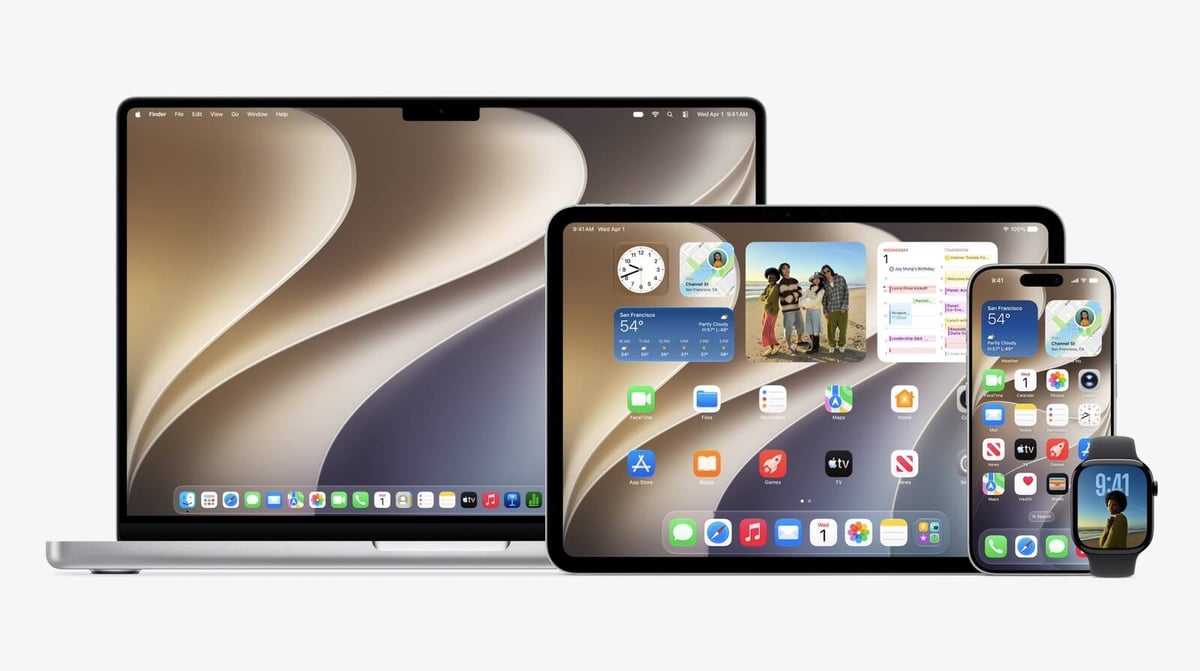
The new Mac operating system is one of Apple’s biggest software updates of the year, though it appears to focus more on intelligence, performance, and interface refinement rather than a complete redesign. MacObserver reported that the beta is now available to registered developers, with a public beta expected in the coming weeks and a broader rollout later this year.
What’s New In macOS 27 Golden Gate?
The biggest change is Siri AI, Apple’s upgraded assistant experience for Mac. Apple says Siri AI can now be used through a dedicated app, take part in more natural conversations, and work across apps such as Messages, Music, and Reminders. It also integrates with Spotlight, where users can choose “Ask Siri” as the top result when searching.
This makes Siri more central to the Mac experience. Instead of simply answering basic requests, Apple says Siri AI can understand personal context, find older photos, locate emails, pull up notes, and support broader research tasks.
Visual Intelligence is another major addition. On macOS 27, users can ask Siri about content visible on their screen by taking a screenshot of an image, PDF, webpage, or document. Apple says the feature can help users get answers, search, or take action based on what is shown onscreen.
MacObserver also noted that Visual Intelligence can help users capture information from schedules, webpages, and documents, then create calendar events or ask contextual questions.
Liquid Glass Gets Refined
Apple is also revisiting Liquid Glass, the visual design language introduced last year. In macOS 27 Golden Gate, Apple says the design has been refined for better readability, improved consistency across apps, and a more polished look.
MacRumors reported that Apple has added a new slider that lets users customize the opacity of Liquid Glass from ultra-clear to fully tinted. The update also brings uniform toolbars, edge-to-edge sidebars, updated window shapes, and refreshed menu bar icons.
That may be a welcome change for users who found the earlier Liquid Glass interface too transparent or visually distracting. It also suggests Apple is listening to feedback while keeping the broader design language intact.
Faster Search And Performance Improvements
Apple says macOS 27 Golden Gate brings an expanded set of improvements across memory usage, search, display rendering, CPU utilization, and overall responsiveness.
MacObserver reported that Apple rebuilt system search with faster indexing, allowing files, emails, photos, and other content to appear almost instantly after being added to the Mac.
MacRumors also noted that Apple compared the update’s performance-first approach to Mac OS X Snow Leopard, citing quicker AirDrop transfers, faster network file browsing, improved Messages syncing, and better Spotlight search suggestions.
Topics for more insights:
Apple Silicon Only
One of the biggest compatibility changes is that macOS 27 Golden Gate drops support for Intel Macs. Apple lists supported devices as MacBook Neo, MacBook Air with Apple silicon from 2020 and later, MacBook Pro with Apple silicon from 2020 and later, iMac with Apple silicon from 2021 and later, Mac mini with Apple silicon from 2020 and later, Mac Studio from 2022 and later, and Mac Pro with Apple silicon from 2023.
This marks another step in Apple’s transition away from Intel-era hardware. For developers, the first beta is already available through Apple Developer, while general users may want to wait for the public beta or the stable release, as beta software can carry bugs and stability issues.
