
Cyber Security
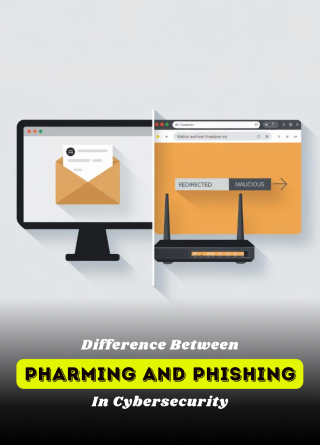
Difference Between Pharming And Phishing In Cybersecurity
Share
Overview
-(1)-134.jpg.aspx "TechDogs-\"Difference Between Pharming And Phishing In Cybersecurity\"")
Imagine you're in a car and right before a sharp turn, you realize you forgot to buckle your seatbelt. Panic sets in just as the car jolts, sending you crashing forward. That small oversight, like not putting on the seatbelt, could have dire consequences. Similarly, in the digital world, even a simple mistake can leave you vulnerable!
In the digital age, staying safe online is as crucial as wearing a seatbelt in a car. Just like you wouldn’t drive without one, you shouldn’t browse the internet without knowing about threats like phishing and pharming.
These two threats are sneaky tactics cybercriminals use to steal sensitive information. While they share the same goal, they operate in very different ways.
Did you know that according to Verizon, in 2024, phishing accounted for 15% of all data breaches, with human error involved in 68% of incidents, highlighting the ongoing risk despite improved awareness? That’s a staggering number!
Thus, understanding the difference between these two threats is essential for anyone who browses the internet. Both are dangerous but one is a bit more obvious.
In this article, we’ll explore phishing and pharming, how they work and how to protect yourself from these digital threats.
So buckle up and let’s get started!
What Is Phishing?
Phishing is a sneaky social engineering attack in which bad guys send out phishing messages, that is emails or hyperlinks, to trick people into giving up sensitive data like passwords or credit card numbers. Think of it like a magician pulling a rabbit out of a hat but instead, they’re pulling your data right out of your pocket!

Here's what they entail:
-
Deceptive Communication: Emails look like they’re from trusted sources.
-
Urgent Requests: Messages often create a sense of panic, making you act fast.
-
Fake Websites: Links lead to sites that look real but are just traps.
Remember the 2014 Sony phishing incident? Hackers sent emails that looked legit but they were phishing bait - pun intended. This led to a massive data breach, proving that even big companies can fall for these tricks. Also, according to Forbes Advisor, there were 300,497 phishing victims in the U.S., with losses totaling over $52 million in 2022.
It’s like losing a small fortune just because someone clicked on the wrong link!
Phishing is like a game of chess, where the attacker is always one move ahead, waiting for you to make a mistake.
Now that you know what Phishing is, let's explore the world of Pharming next!
What Is Pharming?
Pharming is a sneaky cyber-attack that tricks users into visiting fake websites without them even knowing it. Imagine you’re trying to go to your favorite online store but instead, you end up at a look-alike site that’s out to steal your info. It’s like being led to a fake version of a restaurant that serves nothing but disappointment!
Unlike phishing, which needs you to click on a link or download something, pharming works silently. It messes with the Domain Name System (DNS) to redirect you automatically. So, you think you’re going to a safe site but surprise - you’re not!

A notable example of pharming occurred when cybercriminals targeted financial institutions using DNS cache poisoning. They redirected users from legitimate banking sites to fraudulent ones, leading to significant data theft.
Pharming can be executed in a couple of ways, such as:
-
DNS Poisoning: Attackers compromise DNS servers, changing the address that points to a legitimate site.
-
Malware: Sometimes, malware infects a user’s device, altering local DNS settings to redirect them.
It is a stealthy way to steal sensitive information. It’s like a thief who doesn’t need to break in; they change the locks.
Wondering how these two threats differ from each other? Let's discuss that next!
Key Differences Between Phishing And Pharming
User Interaction
Phishing requires the victim to take action, such as clicking on a malicious link or downloading an attachment. In contrast, pharming is more like a stealthy ninja; it redirects users automatically without any action needed.
Attack Medium
Phishing relies on emails, messages and deceptive websites to lure victims. Think of it as a con artist trying to trick you face-to-face. On the other hand, pharming manipulates DNS servers or the user's local DNS settings, making it a more technical and less visible threat.
Complexity
Phishing is relatively simple and can be executed by cybercriminals with basic skills - like a kid with a slingshot. Pharming, however, is more complex, requiring in-depth knowledge of DNS and networking—think of it as a chess master plotting several moves ahead.
Both phishing and pharming aim to steal sensitive information but they do so in very different ways. Understanding these differences is crucial for staying safe online.
While both phishing and pharming are threats to cybersecurity, they operate on different levels of complexity. Knowing how they differ can help individuals and organizations better protect themselves from these cyber threats.
However, there are some similarities between them; let's discuss!
Similarities Between Phishing And Pharming
Both phishing and pharming are sneaky tactics used by cybercriminals to steal sensitive information. They may use different methods but their goals are pretty similar. Let’s break it down:
Both Aim To Steal Sensitive Information
-
Login Credentials: Both methods target usernames and passwords.
-
Financial Data: They seek credit card numbers and bank details.
-
Personal Information: This includes anything from social security numbers to addresses.
Both Can Lead To Serious Consequences
-
Identity Theft: Victims can find themselves impersonated.
-
Unauthorized Transactions: Money can be taken without consent.
-
Severe Financial Loss: The aftermath can be devastating, with some victims losing thousands.
In the world of cybersecurity, it’s like a game of cat and mouse. Just when you think you’re safe, a new trick pops up!
Understanding these similarities helps one recognize threats and take steps to protect oneself. After all, knowledge is power.
So, what’s next? Let’s dive into how to protect against these cyber threats!
Protecting Against Phishing And Pharming
Phishing:
-
Be Cautious With Emails And Messages: Always think twice before opening emails from unknown senders. If it looks fishy, it probably is!
-
Verify Requests For Personal Information: If someone asks for your info, don’t just hand it over. Contact the company directly to check if it’s legit.
-
Report Phishing Attempts: If you spot a phishing scam, report it as this helps keep others safe too.
-
Monitor Your Accounts: Monitor your bank accounts for unusual activity. Many banks offer alerts for suspicious transactions or log-ins.
Pharming:
-
Use Secure DNS Services: Opt for DNS services that offer extra security features.
-
Implement DNSSEC: This adds a layer of protection by verifying DNS responses. It’s like having a bouncer at the door of your favorite club!
-
Keep Systems Updated: Regular updates can help close security gaps that attackers might exploit.
-
Follow HTTPS Links: Use secure links with the “s” for “secure” at the end, instead of just HTTP. This ensures the site has a valid security certificate and indicates that there is no pharming attack in process.
Staying safe online is like wearing a seatbelt. It might feel unnecessary until you really need it!
In the world of cybersecurity, being proactive is key. Just like you wouldn’t leave your front door wide open, don’t leave your digital life unprotected.
With the right tools and knowledge, you can dodge those pesky phishing and pharming attacks. So, are you ready to beef up your defenses?
Wrapping It Up!
Phishing and pharming might sound like fancy terms from a tech dictionary but they’re really just sneaky ways that bad guys try to steal your info. Phishing is like a trickster sending you a fake email, hoping you’ll bite and share your secrets. On the flip side, pharming is a bit more high-tech, redirecting you to a fake website without you even knowing it.
The key takeaway? Stay alert!
Always double-check those links and be cautious about sharing personal info. By being smart and taking a few simple steps, you can keep your online life safe and sound!
Frequently Asked Questions
What Is The Main Difference Between Phishing And Pharming?
The key difference is that phishing tricks you into clicking on wrong links or giving away information through fake emails. Pharming, on the other hand, silently redirects you to fake websites without needing you to click anything.
How Can I Protect Myself From Phishing Attacks?
To stay safe from phishing, be careful with emails you don’t recognize. Don’t click on suspicious links and always check if the email looks real. Using antivirus software can also help.
What Steps Can I Take To Avoid Pharming Attacks?
To avoid pharming, use secure DNS services and keep your software updated. Look for HTTPS in the website address and be cautious of unusual website behavior.
Fri, Oct 4, 2024

Liked what you read? That’s only the tip of the tech iceberg!
Explore our vast collection of tech articles including introductory guides, product reviews, trends and more, stay up to date with the latest news, relish thought-provoking interviews and the hottest AI blogs, and tickle your funny bone with hilarious tech memes!
Plus, get access to branded insights from industry-leading global brands through informative white papers, engaging case studies, in-depth reports, enlightening videos and exciting events and webinars.
Dive into TechDogs' treasure trove today and Know Your World of technology like never before!
Disclaimer - Reference to any specific product, software or entity does not constitute an endorsement or recommendation by TechDogs nor should any data or content published be relied upon. The views expressed by TechDogs' members and guests are their own and their appearance on our site does not imply an endorsement of them or any entity they represent. Views and opinions expressed by TechDogs' Authors are those of the Authors and do not necessarily reflect the view of TechDogs or any of its officials. While we aim to provide valuable and helpful information, some content on TechDogs' site may not have been thoroughly reviewed for every detail or aspect. We encourage users to verify any information independently where necessary.
AI-Crafted, Human-Reviewed and Refined - The content above has been automatically generated by an AI language model and is intended for informational purposes only. While in-house experts research, fact-check, edit and proofread every piece, the accuracy, completeness, and timeliness of the information or inclusion of the latest developments or expert opinions isn't guaranteed. We recommend seeking qualified expertise or conducting further research to validate and supplement the information provided.
Loading comments...