
UI and UX
Top 5 Digital Experience Platforms In 2026
Share
TL;DR
-
Bloomreach: Offers AI-powered search and marketing automation specifically optimized for high-growth e-commerce brands.
-
Kentico: Provides a user-friendly hybrid headless architecture that unifies content management and digital commerce.
-
Adobe Experience Manager: Delivers enterprise-grade content governance with deep integration across the Adobe Creative Cloud ecosystem.
-
Pimcore: Features an open-source, API-first model that excels in complex data customization and product information management.
-
Sitecore: Utilizes advanced AI-driven customer intelligence to plan and optimize highly personalized experiences at scale.
Introduction
No movie captures the concept of a powerful alliance quite like Avengers: Endgame, where individual heroes unite to create a seamless, record-breaking narrative. Just as Iron Man or Black Panther are impressive alone, their true strength is revealed when they work in harmony to engage an audience on an unprecedented level. This cinematic synergy is exactly what modern consumers expect from their digital interactions today. Digital Experience Platforms act as the superheroes of the marketing universe by integrating standalone tools like CRM and e-commerce into a single, cohesive system. By orchestrating these diverse technologies, businesses can drive smoother operations and deliver synchronized experiences across every customer touchpoint.This unified approach ensures that every interaction feels like part of a larger, unforgettable story rather than a fragmented encounter. Transitioning to these integrated systems is now essential for any brand aiming to boost satisfaction in a competitive landscape. Here are the Top 5 Digital Experience Platforms to help you master your customer engagement strategy.
What Are Digital Experience Platforms?
Digital Experience Platforms (DXPs) are integrated software that allow businesses to consistently deliver personalized, real-time, engaging digital experiences to customers across touchpoints such as websites, mobile apps, and social media.
These platforms often double as a digital experience analytics platform, offering actionable insights for businesses to improve their customer engagement strategies. DXP software is used by marketers, developers, customer representatives, and even business leaders to make more informed decisions that lead to improved customer interactions.
DXPs help streamline content management, customer engagement, analytics, and much more, making them vital for enhancing the user experience and boosting customer satisfaction in our competitive digital landscape.
So, explore our list of the top 5 Digital Experience Platforms of 2026!
Top 5 Digital Experience Platforms Of 2026
If you imagine the tools in your marketing suite as Marvel heroes, a Digital Experience Platform is like Captain Marvel, a fast, improved, and more reliable unification of them all.
Here are the top 5 Digital Experience Software of 2026. Choose wisely.
 |
 |
 |
 |
 |
Bloomreach: Best AI Features
Founded in 2009, Bloomreach helps brands deliver tailored customer journeys across multiple channels. While it primarily serves ecommerce businesses seeking to optimize customer interactions and increase revenue, Bloomreach is also used across industries such as financial services, hospitality, and gaming. The platform supports 1,400+ global brands, including Red Bull, T-Mobile, Bosch, Puma, and others. In 2025, G2 named Bloomreach among the Top 50 products in the Marketing and Digital Advertising Products category.
Why We Chose Bloomreach In 2026
Bloomreach stands out for its ability to unify customer data, search, content, and marketing automation into one platform. Its Engagement platform enables advanced marketing automation that personalizes outreach across channels such as email, SMS, and mobile apps. Meanwhile, the Discovery module enhances product search and merchandising experiences on e-commerce websites. The Content module functions as a headless CMS that allows brands to deliver consistent experiences across web, mobile, and other digital touchpoints.
Known as an agentic platform for personalization, Bloomreach powers autonomous search, conversational shopping, and marketing automation through its AI engine, Loomi. The platform also features Clarity, an AI-powered conversational shopping assistant that guides customers through their buying journey and helps improve conversion rates through real-time interactions.
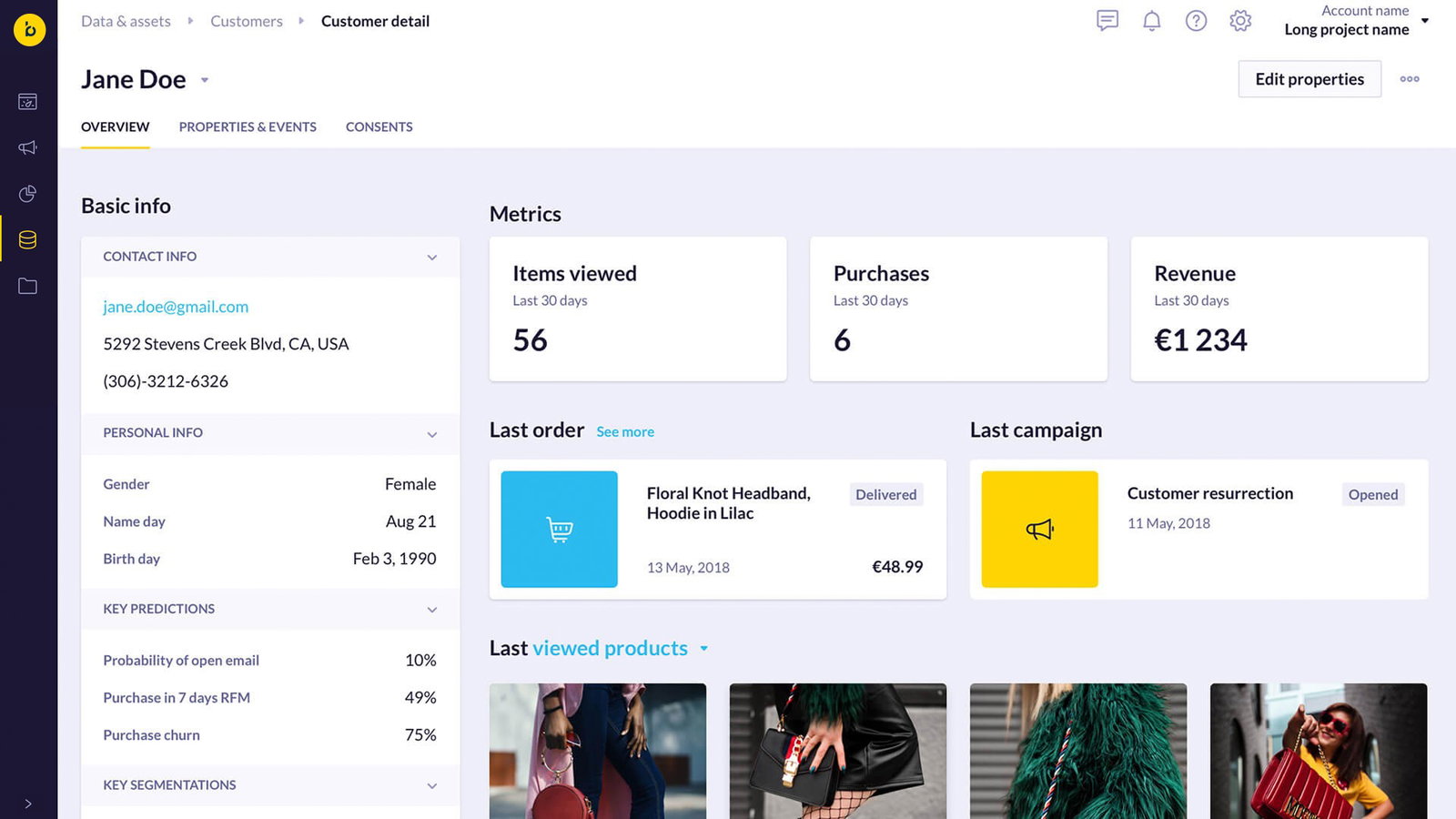
What makes Bloomreach a key choice is Loomi AI, its intelligence engine that powers the platform’s personalization capabilities. Loomi connects first-party customer data, product data, and business metrics to tailor experiences in real time. It is included across all Bloomreach products at no additional cost, regardless of the selected package.
Pricing
Bloomreach offers its customers a customized pricing model based on their unique needs. It’s determined based on factors such as the number of customers a business serves, the size of its product catalog, and the volume of engagement events, which include emails or SMS messages sent through the platform. Interested customers can request a quote by consulting Bloomreach advisors to receive a plan aligned with their scale and requirements.
What Works & What Doesn't
| Pros | Cons |
| Strong personalization capabilities | Steep learning curve |
| Outstanding customer support | Outstanding customer support |
| Centralized zero-party data | Pricing not publicly transparent |
Our Final Take
Bloomreach is best suited for e-commerce brands and digital-first organizations that want to deliver highly personalized customer experiences across multiple channels. While its implementation may require technical expertise, its AI-driven personalization, commerce-focused tools, and omnichannel capabilities make it a strong platform for businesses looking to increase engagement, loyalty, and revenue in 2026.
Kentico: Best User Experience (UX)
Kentico helps businesses deliver personalized digital experiences across websites, emails, and other digital channels. Building on nearly two decades of CMS expertise, Kentico’s Xperience enables organizations to streamline content creation, campaign execution, and customer engagement from a single system. As such, Kentico was named a Leader in G2’s Winter 2026 report.
Why We Chose Kentico In 2026
Kentico Xperience brings content management, digital marketing, and commerce capabilities together within a single platform. It enables businesses to manage websites, microsites, emails, and digital campaigns while maintaining consistent customer experiences across channels through features such as customizable workflows, multichannel content delivery, and advanced analytics. Its hybrid headless architecture also allows businesses to deliver personalized content across modern digital environments with flexibility.
Kentico offers powerful built-in AI capabilities such as AIRA, its AI assistant, which helps marketers automate campaign tasks, analyze customer journeys, and improve engagement performance.
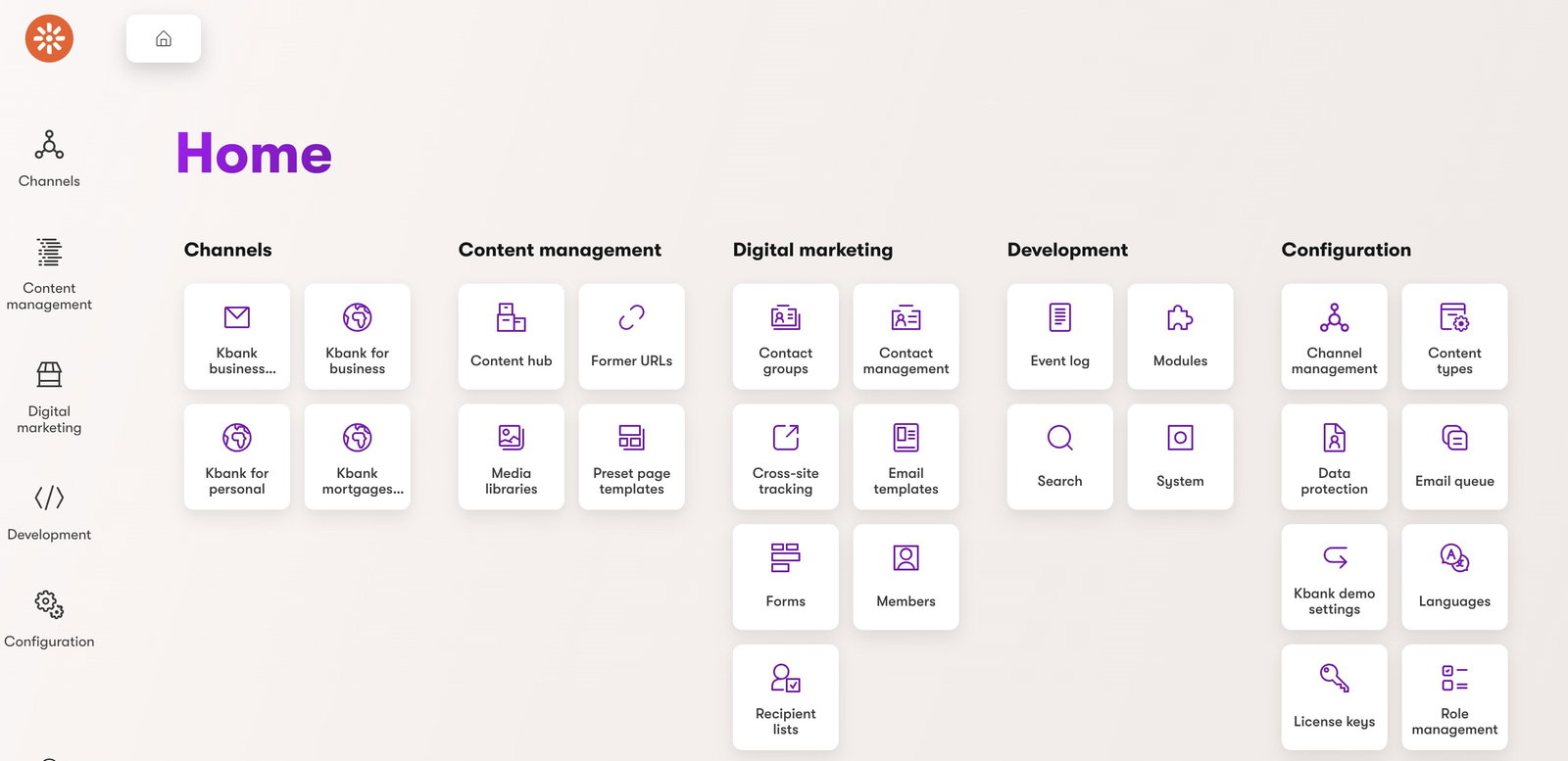
Its standout features include customizable workflows, omnichannel delivery, and advanced analytics for tracking interactions throughout the customer journey. Moreover, the platform integrates seamlessly with Microsoft Azure, Salesforce, and other enterprise-grade tools.
Pricing
Kentico offers flexible pricing options suited for businesses of varied sizes. Kentico Xperience Business starts at $12,500 per year, Enterprise edition is priced at $22,300 per year; self-managed Xperience starts at $990 per month; and Kentico Xperience SaaS costs $1,990 per month.
What Works & What Doesn't
| Pros | Cons |
| Simple and easy to use | Simple and easy to use |
| Intuitive personalization features | Lack of customization |
| Prompt customer support | High pricing |
Our Final Take
Kentico Xperience is best suited for mid-sized and enterprise organizations that want to unify content management, marketing automation, and digital commerce in one platform. With a bit of a learning curve that can be challenging initially, the platform brings a powerful set of features, flexible architecture, and strong personalization capabilities across channels.
Adobe Experience Manager: Best For Enterprise
Founded in 1982, Adobe is one of the biggest names in the SaaS industry, spanning an impressive portfolio of tools and capabilities that offer users tools capable of simple and complex digital creativity, marketing, and document management. The Adobe Experience Manager was named in G2’s Top 50 Content Management Products in 2026.
Why We Chose Adobe Experience Manager In 2026
Adobe Experience Manager, AKA AEM, offers users a comprehensive DXP that allows them to seamlessly create, manage, and deliver personalized content across websites, mobile apps, and other digital channels. Bear in mind that it integrates with a wide range of other Abode products. This includes Creative Cloud, which helps users easily, and Adobe’s powerful AI and GenAI capabilities, upon which the platform is built. These intelligent capabilities allow marketing and development teams to accelerate content delivery and optimize digital experiences, while maintaining consistency.
The platform combines content management, digital asset management, forms, and learning tools into a unified suite of composable content services. Furthermore, core products within the platform include Experience Manager Sites, Assets, Forms, Learning Manager, and Experience Manager Guides.
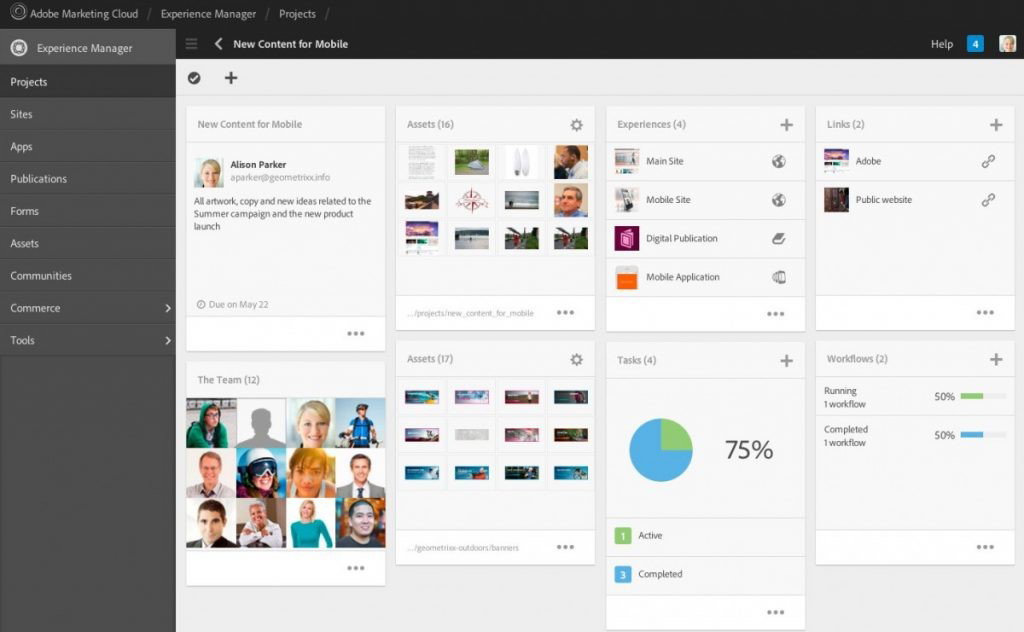
There’s no surprise that Adobe’s standout feature is its AI-powered automation and agent capabilities that simplify and streamline content creation and governance. This also allows users to automate tasks such as site updates, content optimization, and asset discovery, all while ensuring brand and compliance standards are enforced.
Pricing
Adobe Experience Manager follows a customized enterprise pricing model based on deployment size, product modules, and business requirements. Pricing typically varies depending on which solutions are included in the implementation. Organizations usually obtain pricing through consultation with Adobe sales teams, allowing the platform to be tailored to enterprise-scale digital experience needs.
What Works & What Doesn't
| Pros | Cons |
| Good customization options | Steep learning curve |
| Seamless content management | High cost |
| Easy-to-use integration capabilities | Complex usability |
Our Final Take
Adobe Experience Manager is best suited for large enterprises and global brands that require advanced content management, asset governance, and omnichannel experience delivery. While the platform comes across complex and costly to many, its exceptional AI capabilities, scalability, and deep integration with Adobe’s ecosystem make it a leading choice.
Pimcore: Best Customization
Since its inception in 2009, Pimcore has embraced an open business model, meaning no vendor lock-in. The idea is to “let your data flow freely.” This ideology has seen the company amass the trust of over 118,000 companies in 75 countries and the support of a network of 170+ solution partners. It even saw Pimcore being named a High Performer by G2 in its Winter 2026 report.
Why We Chose Pimcore In 2026
Pimcore brings multiple data and experience management capabilities together within a single platform. Features such as workflow automation, centralized analytics, and AI-powered automation through Pimcore Copilot help businesses streamline operations, improve data governance, and accelerate the time-to-market of digital experiences.
Its platform combines product information management, master data management, digital asset management, customer data, and content management tools into a unified environment. The idea is to maintain a consistent and reliable source of product and customer information while delivering personalized experiences across websites, mobile apps, commerce platforms, and other digital channels.
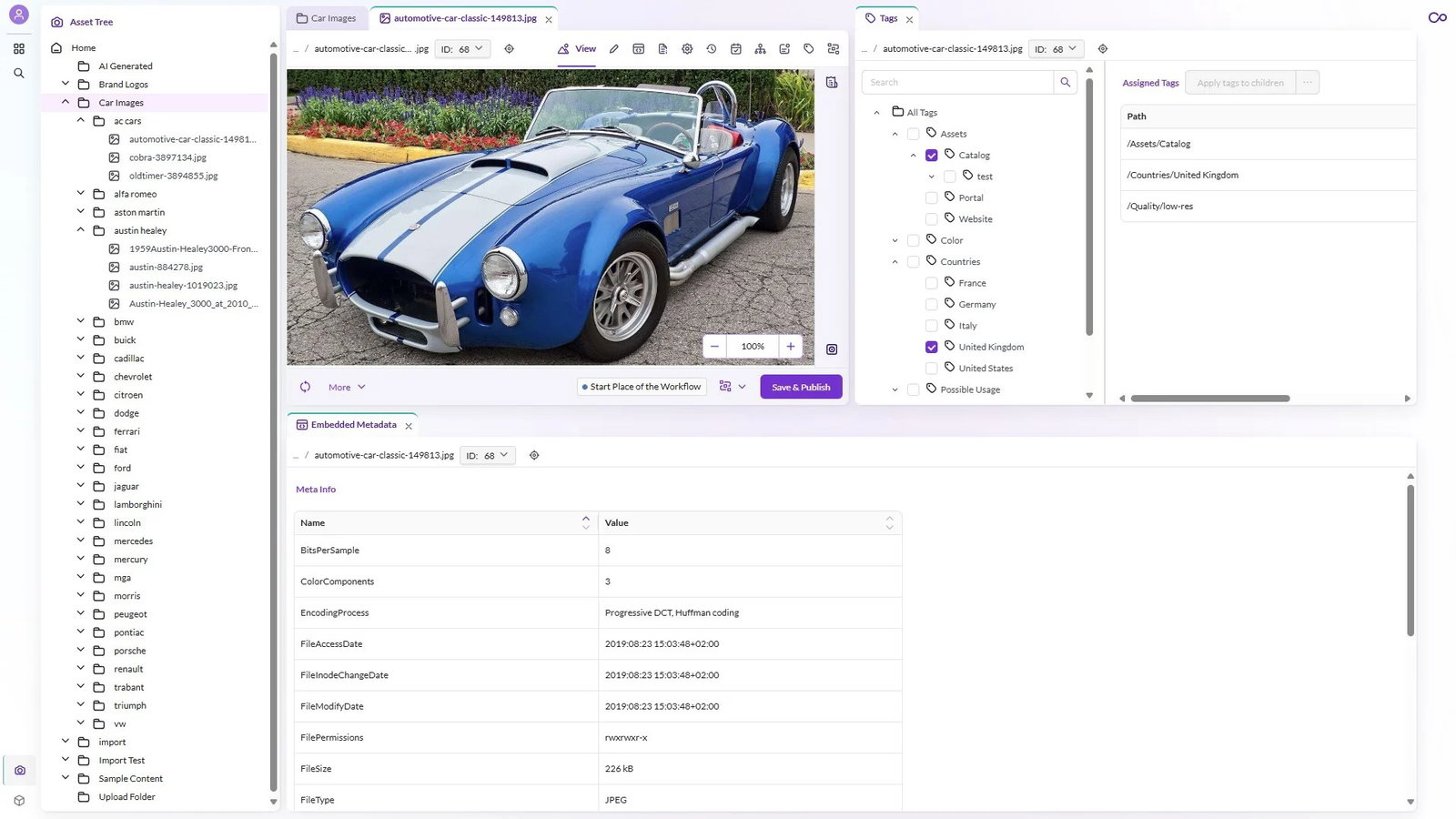
You guessed it! Pimcore’s key feature is its open, API-first architecture and strong customization capabilities. In fact, the platform is built with flexibility in mind, allowing organizations to integrate with existing systems and scale their digital ecosystems as needed.
Pricing
Pimcore offers multiple editions designed to meet different business requirements. Its Community Edition is free and comes with a free trial. Coming to Pimcore's paid tiers: Professional costs $9,900 per year; Enterprise is priced at $29,900 per year; and Enterprise Edition PaaS starts at $39,900 per year.
What Works & What Doesn't
| Pros | Cons |
| All-in-one solutions | Admin/backend complexity |
| App variety | Integration issues |
| Open-source content management | Difficult usability |
Our Final Take
Pimcore brings in a free-to-use Community Edition for customers on a budget. Ahead of this, its paid tiers make it a good fit for mid-size and enterprise organizations looking for a platform that can manage product data, digital assets, and customer experiences across multiple channels. Its flexibility, open architecture, and strong data management capabilities make it a powerful contender.
Sitecore: Best For Integration
Sitecore was founded in 2001 after evolving from a website development framework created by Pentia A/S. Today, it supports thousands of global brands with solutions designed to unify content management, personalization, and marketing capabilities. Its powerful capabilities saw Sitecore named a Leader in G2’s Winter 2026 report.
Why We Chose Sitecore In 2026
Sitecore Experience Platform enables organizations to create, manage, and optimize digital experiences across websites, apps, and other digital channels from a centralized platform. It combines content management, marketing automation, analytics, and personalization tools that allow marketing teams to design and deploy targeted experiences across the customer journey.
Features such as real-time customer insights, automated recommendations, A/B testing, and intelligent decisioning help businesses using the platform customize experiences to specific audiences. Its headless architecture and flexible deployment models support modern development frameworks, boosting performance and scalability.
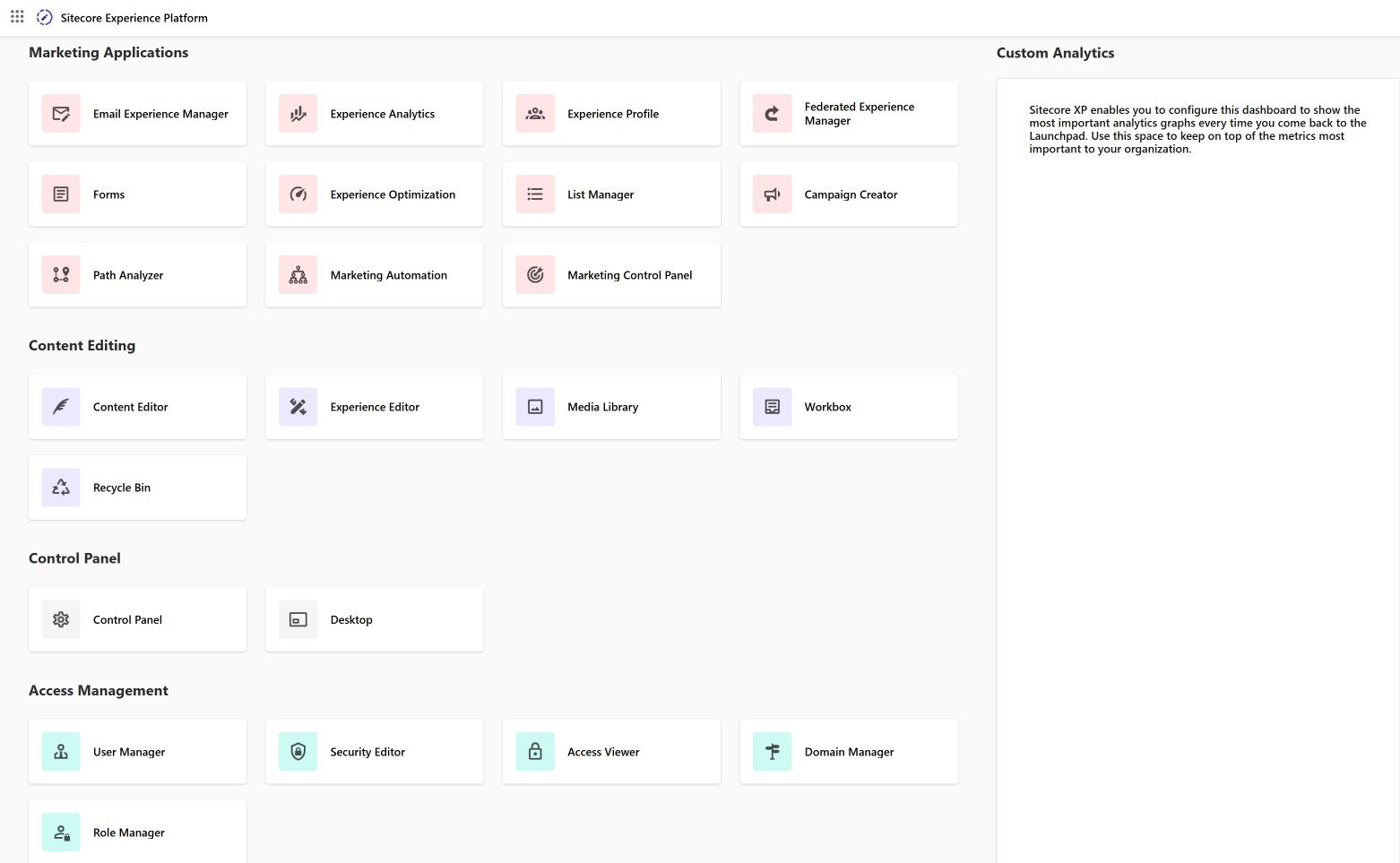
Sitecore’s standout feature is its AI-driven personalization and customer intelligence capabilities. Through its evolving AI ecosystem and tools such as SitecoreAI and Sitecore Stream, the platform allows marketers and developers to collaborate with AI to plan, create, and optimize digital experiences effectively.
Pricing
Sitecore’s pricing isn’t publicly listed, but it does provide a demo “within 24 hours” to interested customers, post which, it provides customized pricing. Costing can depend upon an organization’s deployment model, feature modules, and enterprise requirements.
What Works & What Doesn't
| Pros | Cons |
| Robust features | Steep learning curve |
| User-friendly interface | High licensing costs |
| Strong flexibility | Costly platform |
Our Final Take
Sitecore Experience Platform is best suited for large enterprises and global organizations looking to deliver highly personalized digital experiences at scale. While the platform can be complex to implement, its advanced personalization, AI capabilities, and flexible architecture make it a strong choice for businesses focused on creating data-driven customer experiences.
Top 5 Digital Experience Platforms Comparison
| Criteria |  |
 |
 |
 |
 |
| Starting Price | Custom | $990/month | Custom | Free Edition | NA |
| Avg. User Rating | 4.6 | 4.4 | 4.2 | 4.5 | 4.1 |
| Trial Period/Demo | 30-Min Demo | 30 Days | Demo | Free Trial | Demo |
| Key Features | AI-powered search, marketing automation, and omnichannel personalization | Multichannel content management, marketing automation, and customer journey personalization | Enterprise content management, digital asset management, and AI-powered experience delivery | Seamless multi-channel publishing, hyper-personalized customer experiences, and streamlined content management | Content management, AI-powered personalization, and omnichannel experience delivery |
| Integrations | Shopify, Google Analytics, Meta Audience Network, and more | Microsoft Azure, Salesforce, Google Pay For Business, and more | Adobe Products, Google Analytics, Facebook for Business, and more | Shopify, BigCommerce, Salesforce, and more | Google Analytics, Microsoft 365, Oracle Database, and more |
Conclusion
There we have it, folks!
If you’re looking for a comprehensive platform to streamline, optimize, or simplify how you manage digital customer experiences, these 5 Digital Experience Platforms should be on your shopping list for 2026. DXPs not only improve the customer’s digital experience and reduce friction in customer journeys but also reinforce their faith in your brand.
So, if you want to make a name for yourself as someone who cares about their customers, adopt one of these DXPs in 2026!
Frequently Asked Questions
What Are The Top Digital Experience Platforms Businesses Should Consider In 2026?
Some of the top Digital Experience Platforms (DXPs) businesses to consider in 2026 include Bloomreach, Kentico, Adobe Experience Manager, Pimcore, and Sitecore. These platforms help organizations manage content, personalize customer interactions, and deliver consistent digital experiences across channels such as websites, mobile apps, and social platforms. Each platform offers unique capabilities, ranging from AI-powered personalization and marketing automation to enterprise-grade content management and data integration.
What Is A Digital Experience Platform And Why Do Businesses Use It?
A Digital Experience Platform (DXP) is an integrated software solution that enables organizations to create, manage, and deliver personalized digital experiences across multiple channels. Businesses use DXPs to unify tools such as content management, analytics, marketing automation, and customer data platforms in one system. This allows teams to better understand customer behavior, streamline workflows, and deliver consistent, engaging experiences that improve customer satisfaction and brand loyalty.
How Do I Choose The Right Digital Experience Platform For My Business?
Choosing the right Digital Experience Platform depends on factors such as your organization’s size, digital maturity, and customer engagement goals. Businesses should evaluate key aspects such as personalization capabilities, AI features, integration with existing tools, scalability, and pricing models. It is also important to consider whether the platform supports omnichannel experiences and offers flexibility for future growth, ensuring it aligns with long-term digital experience strategies.
Thu, Mar 12, 2026

Enjoyed what you read? Great news – there’s a lot more to explore!
Dive into our content repository of the latest tech news, a diverse range of articles spanning introductory guides, product reviews, trends and more, along with engaging interviews, up-to-date AI blogs and hilarious tech memes!
Also explore our collection of branded insights via informative white papers, enlightening case studies, in-depth reports, educational videos and exciting events and webinars from leading global brands.
Head to the TechDogs homepage to Know Your World of technology today!
Disclaimer - Reference to any specific product, software or entity does not constitute an endorsement or recommendation by TechDogs nor should any data or content published be relied upon. The views expressed by TechDogs' members and guests are their own and their appearance on our site does not imply an endorsement of them or any entity they represent. Views and opinions expressed by TechDogs' Authors are those of the Authors and do not necessarily reflect the view of TechDogs or any of its officials. While we aim to provide valuable and helpful information, some content on TechDogs' site may not have been thoroughly reviewed for every detail or aspect. We encourage users to verify any information independently where necessary.
Loading comments...