|
|
|
|
Hello readers,
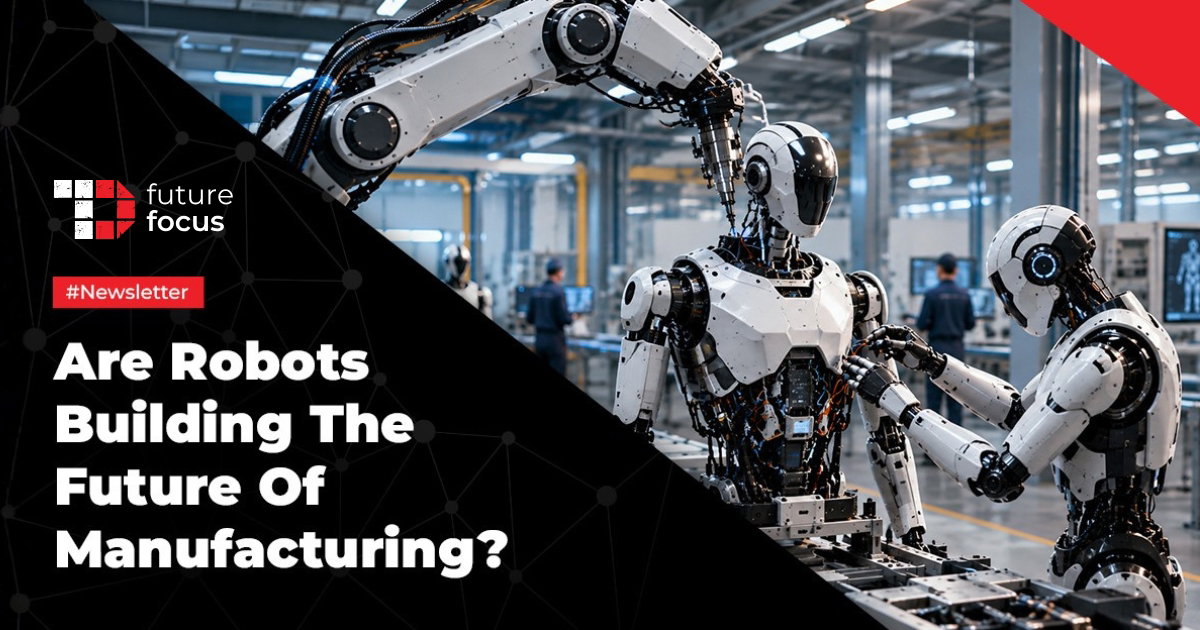
Robots building robots used to sound like science fiction. Now XPeng is bringing that idea onto the factory floor.
The company has opened production lines for its IRON humanoid robot, with more than 80% of core manufacturing processes automated and robots helping build other robots.
And that is only where September gets interesting.
ChatGPT Work can now learn how you write, Meta is stepping deeper into AI coding with Muse Code, and hackers are using AI agents to automate credential theft. Apple’s M6 is pushing on-device AI further, regulators in Australia are tightening crypto oversight, and CDs are making an unexpected comeback.
As machines take on more work, the human side of technology becomes harder to ignore. From smarter software to increasingly automated factories, September is showing us just how quickly the line between tool and worker is shifting.
Let’s get into it.
|
|
ChatGPT Work can learn writing patterns from connected workplace tools, including Gmail, Slack, Google Drive, and SharePoint. It can pick up preferred phrases, capitalization, and sign-offs, reducing how much editing users need to make AI-generated drafts sound like them.
|
|
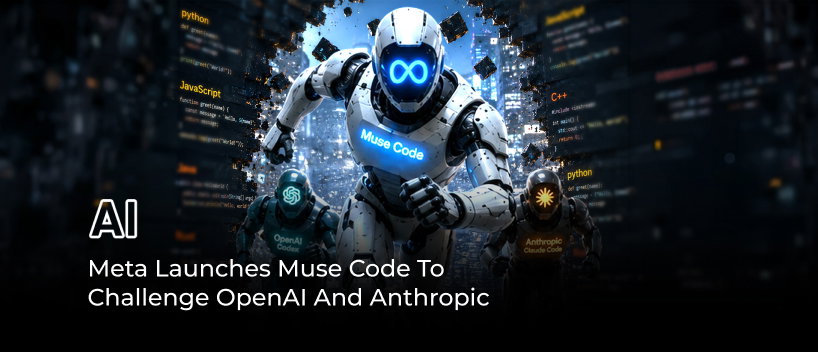
Meta has launched Muse Code, a terminal-based AI coding agent that can inspect repositories, edit code, run commands, and validate results. Its arrival puts Meta alongside OpenAI Codex and Anthropic’s Claude Code, intensifying the coding-agent race.
|
|

Google researchers say attackers are using multi-agent AI frameworks to automate cybercrime tasks, including scanning, troubleshooting, and credential theft. One campaign reportedly compromised thousands of third-party credentials in under six hours, showing how AI can amplify attacks.
|
|
|
 |
|
XPeng has opened production lines for its IRON humanoid robot in Guangzhou. The company says more than 80% of core manufacturing processes are automated, and its first advanced IRON unit walked off the line autonomously.
|
|
|
|
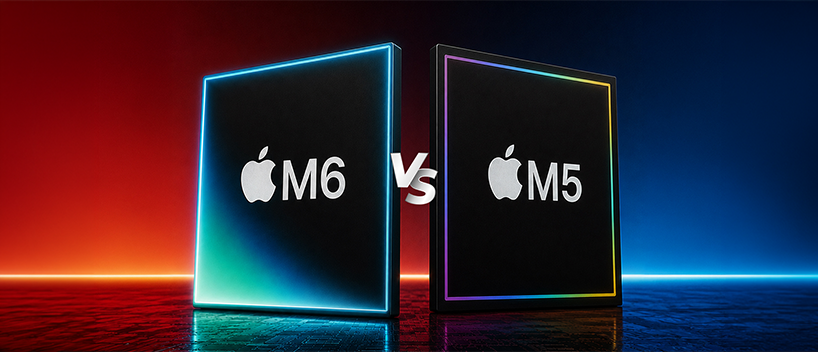
Apple’s M6 chip moves to a 2nm process with higher CPU, GPU, and Neural Engine performance than the M5. The upgrade strengthens Apple’s push toward on-device AI, allowing more tasks to run locally instead of relying entirely on the cloud.
|
|
 |
|
|
Samsung India has reportedly asked around 80 to 100 executives across its television and home appliance businesses to leave amid weaker sales, higher costs, and margin pressure. Reports suggest further workforce rationalization could follow.
|
|

AUSTRAC says it cancelled, suspended, or refused to renew 45 registrations belonging to remittance and virtual asset service providers over the past year. A separate ASIC licensing deadline is also increasing pressure on crypto and high-risk payment operators.
|
|
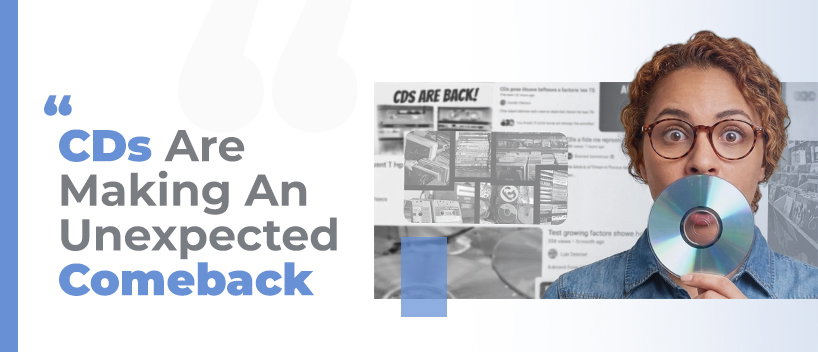
US CD revenue rose sharply in the first half of 2026, with collectors, superfans, younger buyers, K-pop releases, and special editions helping revive physical music ownership. It is not replacing streaming, but it shows convenience is not everything.
|
|
|
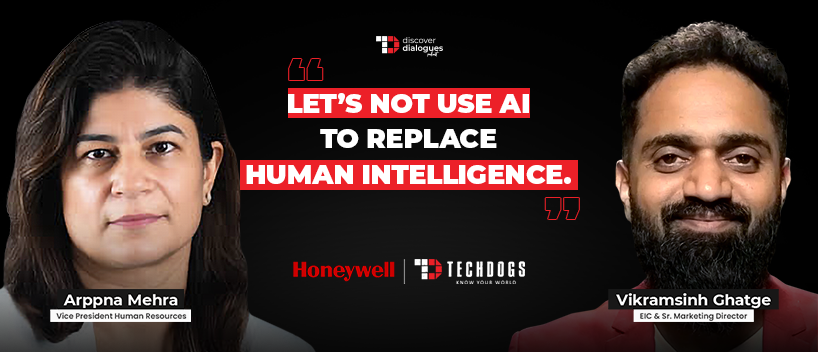 As AI moves deeper into hiring, workforce planning, productivity, and employee experiences, where should technology stop and human judgment begin?
In this Discover Dialogues episode, Arppna Mehra, Vice President Human Resources at Honeywell, explores how HR is evolving from process-driven administration toward a more business-focused and people-centered function.
Smarter HR technology should give people better support, not make the human element optional.
Join The Conversation |
|

This September 23 webinar explores how distributors can modernize ERP environments as pricing complexity, supply chain volatility, customer expectations, and demand for faster decisions put greater pressure on legacy systems.
It also looks at how AI-powered modernization can help businesses scale without unnecessarily disrupting existing operations.
Register Now
|
|
|
September shows how quickly AI is spreading into everyday technology and business.
It can learn how we write, help developers code, give attackers more speed, power smarter devices, and even help robots build robots. At the same time, regulators are drawing firmer lines, companies are restructuring, and an old music format is finding new life.
The future is not arriving through one breakthrough. It is showing up everywhere at once.
|
