
Financial Management Solutions
Visa Tests AI Shopping Payments As Instacart Settles FTC Case And PhonePe Exits Pincode
Updated on Fri, Dec 19, 2025
Share
Visa said its new AI shopping flow has already powered hundreds of real transactions in a pilot, signaling a near-term future where AI agents can go from “find” to “buy.”
At the same time, Instacart agreed to pay $60 million to settle FTC allegations around deceptive “free delivery,” refunds, and subscription enrollment practices.
Back in India, Walmart-backed PhonePe shut down its Pincode consumer app and shifted the effort toward B2B tools for offline merchants, marking another step back from the crowded quick-commerce battle.
So, what exactly happened across these three updates, and what do they signal for the next phase of digital commerce?
Let’s explore!
TL; DR
-
Visa’s AI shopping pilot processed hundreds of real transactions, signaling growing consumer readiness for agent-led commerce and hinting at broader global adoption across markets.
-
Instacart settles FTC claims for $60M over misleading delivery and subscription practices.
-
PhonePe shuts down Pincode app, shifting from quick commerce to B2B tools for offline retailers in India.
-
Together, these moves show how trust, transparency, and execution are shaping the future of AI payments, e-commerce, and retail.
What Did Visa Say About Its New AI Shopping Tool?
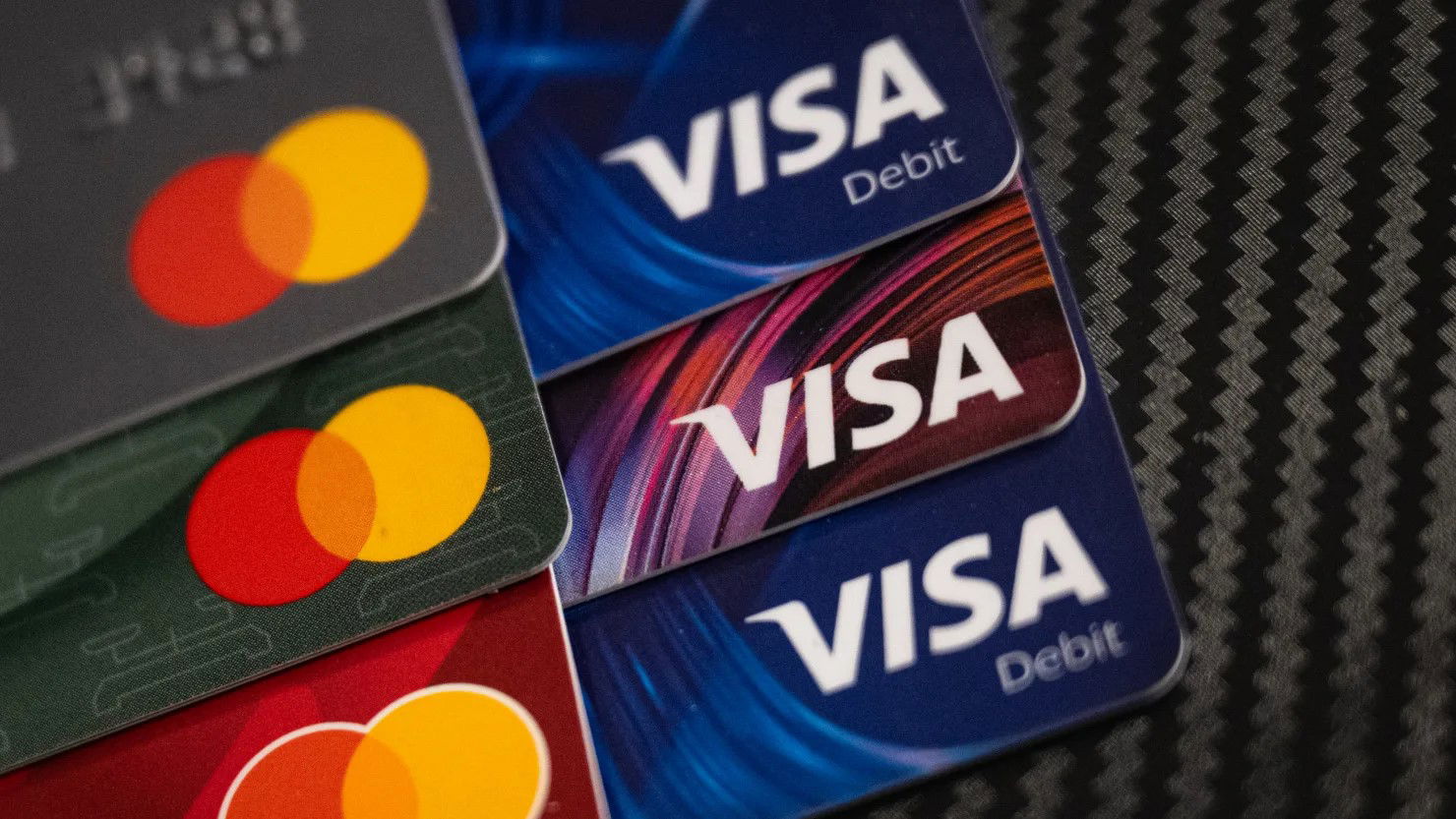
Visa said it completed hundreds of real-world “agentic” AI transactions in a pilot program, positioning the work as a foundation for broader consumer adoption.
The company framed this shift as moving consumers from browsing to purchasing via AI, with payments designed to remain secure even when an “agent” is initiating the transaction.
Visa’s own research cited in its announcement said 47% of U.S. shoppers use AI for at least one shopping task, such as discovery, recommendations, or comparisons.
Visa said it is working with 20+ partners on AI commerce tooling and expects broader experimentation across regions.
The company also pointed to a timeline where mainstream usage could meaningfully scale by 2026, as more consumers become comfortable delegating shopping steps to AI agents.
“This is going to be the year we see an enormous amount of material adoption, and consumers really starting to get comfortable in a bunch of different agentic environments,” said Rubail Birwadker, Visa’s head of growth products and partnerships, in an interview.
While Visa’s update highlights growing confidence in AI-led commerce, not every platform is seeing the same trust tailwinds.
Why Is Instacart Paying $60 Million And What Did The FTC Allege?
Instacart agreed to pay $60 million to settle FTC allegations that it deceived consumers through advertising and subscription enrollment practices.
The FTC alleged Instacart promoted “free delivery” in ways that still left consumers paying additional mandatory fees, which the agency said was misleading.
The FTC also alleged Instacart used unlawful subscription enrollment practices tied to free trials that converted into paid subscriptions without sufficient clarity for consumers.
Another FTC allegation focused on Instacart’s “satisfaction guarantee” messaging, where consumers reportedly did not receive the full refunds, they expected.
Instacart said it acknowledged the settlement but denied wrongdoing, and stated it believes its marketing, fee disclosures, cancellation, and refunds comply with the law.
The FTC said the order requires changes aimed at clearer disclosures and preventing misrepresentations about pricing and refunds going forward.
“Instacart misled consumers by advertising free delivery services—and then charging consumers to have groceries delivered—and failing to disclose to consumers that signed up for a free trial that they would be automatically enrolled into its subscription program,” Christopher Mufarrige, director of the FTC’s Bureau of Consumer Protection, said in a statement.
As regulators tighten oversight on consumer-facing digital platforms, some companies are also re-evaluating whether competing in crowded e-commerce markets aligns with their long-term strategy.
Topics For More Insights
Why Did PhonePe Shut Down Pincode And What Happens Next?
PhonePe leadership said the consumer-facing app had become a distraction from its core focus on enabling small retailers, and the next phase will prioritize tools that improve efficiency, margins, and visibility for stores.
Pincode launched in April 2023 on India’s government-backed ONDC rails and expanded across categories before narrowing its approach and later attempting a quick-commerce model.
PhonePe said that through Pincode it had helped digitize 1,000+ local stores across multiple Indian cities, and the company plans to expand its merchant-facing stack rather than compete head-on with dark-store-led quick commerce.
This move also lands as PhonePe prepares for its next growth chapter in India, where it is looking to expand beyond being primarily known as a UPI payments leader.
Is commerce moving toward a better customer experience, or creating more trust issues as AI agents, hidden fees, and platform shifts collide?
Let us know in the comments below!
First published on Fri, Dec 19, 2025

Enjoyed what you've read so far? Great news - there's more to explore!
Stay up to date with the latest news, a vast collection of tech articles including introductory guides, product reviews, trends and more, thought-provoking interviews, hottest AI blogs and entertaining tech memes.
Plus, get access to branded insights such as informative white papers, intriguing case studies, in-depth reports, enlightening videos and exciting events and webinars from industry-leading global brands.
Dive into TechDogs' treasure trove today and Know Your World of technology!
Disclaimer - Reference to any specific product, software or entity does not constitute an endorsement or recommendation by TechDogs nor should any data or content published be relied upon. The views expressed by TechDogs' members and guests are their own and their appearance on our site does not imply an endorsement of them or any entity they represent. Views and opinions expressed by TechDogs' Authors are those of the Authors and do not necessarily reflect the view of TechDogs or any of its officials. While we aim to provide valuable and helpful information, some content on TechDogs' site may not have been thoroughly reviewed for every detail or aspect. We encourage users to verify any information independently where necessary.
Loading comments...