
Tesla is officially closing the chapter on its oldest flagship vehicles, the Model S and Model X, while simultaneously doubling down on artificial intelligence with a $2 billion investment in Elon Musk’s AI startup, xAI.
Together, the moves underline Tesla’s accelerating shift away from traditional carmaking toward autonomy, robotics, and AI-driven products.
Here's everything you need to know.
TL;DR
- Tesla will end production of the Model S and Model X in 2026, after more than a decade on the market.
- Fremont factory capacity will be repurposed for Optimus robots and autonomous vehicle projects.
- Tesla invested $2 billion in Elon Musk’s xAI, buying Series E preferred shares.
- The company is positioning itself less as an automaker and more as a physical AI company.
The End Of Tesla’s Original Flagships
Tesla confirmed during its Q4 2025 earnings call that it plans to discontinue production of the Model S and Model X in the second quarter of 2026.
The two vehicles, launched in 2012 and 2015, respectively, were instrumental in establishing Tesla as a premium electric vehicle brand and in demonstrating that EVs could compete with luxury combustion cars.
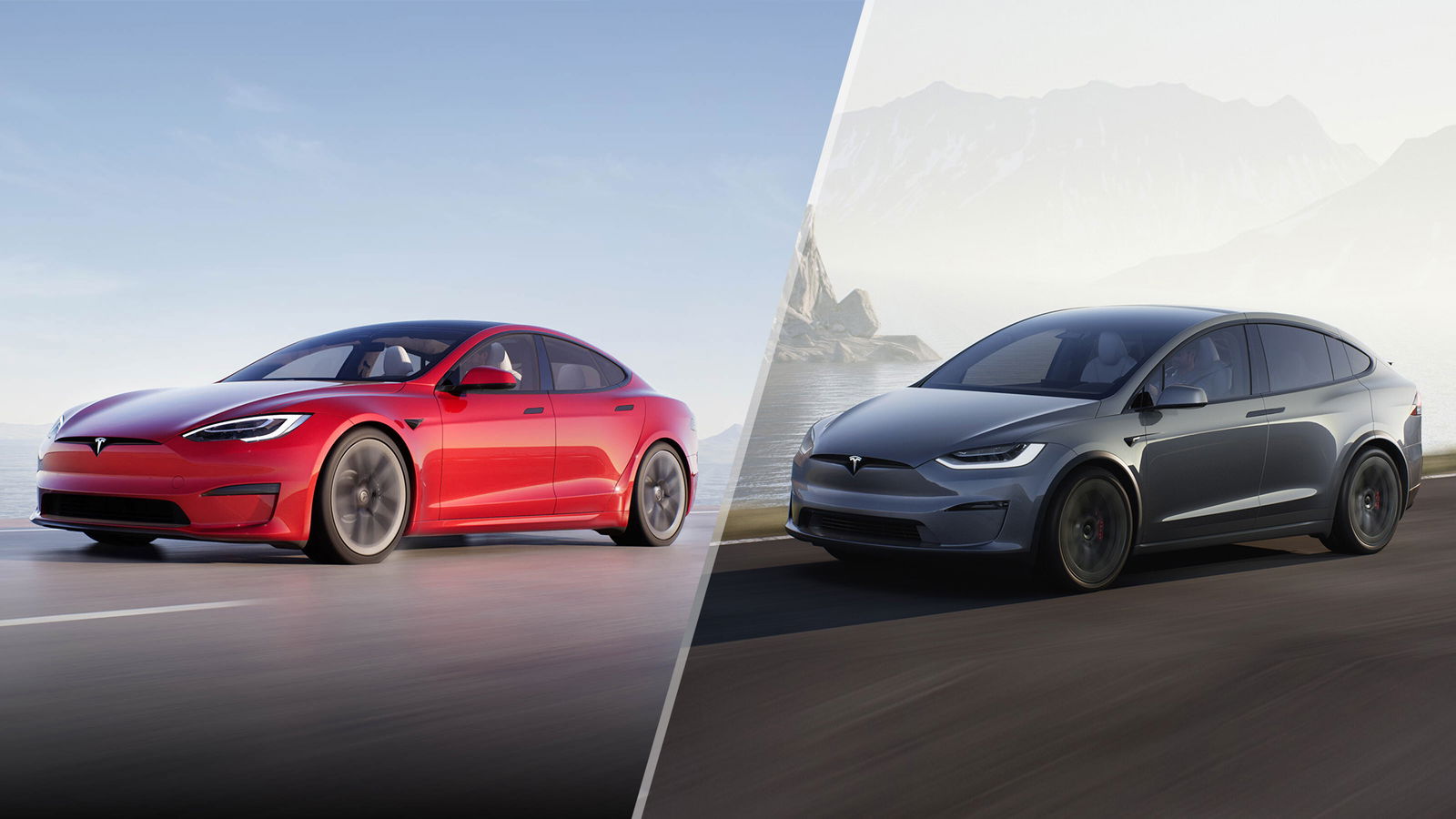
Elon Musk described the decision as an honorable discharge for the vehicles, acknowledging their historical importance while making it clear that they no longer align with Tesla’s long-term priorities.
"They served us incredibly well", Musk said during the call. "Although the future is autonomy and robots. We need to focus our resources where they matter most."
Sales Reality And Competitive Pressure
Behind the nostalgia sits a harder commercial reality. In 2025, Tesla’s combined sales of Model S, Model X, and other low-volume vehicles declined by roughly 40 percent year over year, accounting for less than 2 percent of total deliveries.
At the same time, competition in the premium EV segment has intensified. Legacy automakers have refreshed their electric lineups, while Chinese manufacturers continue to push aggressively into global markets with newer technology and sharper pricing.
From Cars To Robots At Fremont
Tesla plans to retool sections of its Fremont, California, factory currently used for Model S and X production to support manufacturing of Optimus humanoid robots and future autonomous-vehicle initiatives, including its planned Cybercab robotaxi.
CFO Vaibhav Taneja said the company expects capital expenditures to exceed $20 billion in 2026, with a significant portion allocated to AI infrastructure, robotics manufacturing, and compute capacity.
Topics For More Insights
Tesla’s $2 Billion Bet On xAI
Alongside the production shake-up, Tesla disclosed a $2 billion investment in xAI, Elon Musk’s artificial intelligence startup best known for developing the Grok chatbot. The investment was made through the purchase of Series E preferred shares and follows xAI’s broader $20 billion fundraising round.
If xAI succeeds in accelerating our AI capabilities, then that’s a win for Tesla, Musk said, framing the investment as a natural extension of Tesla’s autonomy and robotics roadmap.
Governance Questions And Shareholder Concerns
The investment has drawn scrutiny because of Musk’s overlapping leadership roles at Tesla, xAI, X, and SpaceX. A nonbinding shareholder vote last year failed to approve the deal after abstentions were counted as no votes, yet Tesla proceeded with the investment regardless.
Governance experts argue that the move blurs corporate boundaries and increases execution risk at a time when Tesla’s core automotive business is under pressure.
A Physical AI Company In The Making
Tesla appears undeterred by the criticism. The company has increasingly described itself as a physical AI company, with future revenue expected to come from software, autonomy, robotics, and AI-powered services rather than vehicle sales alone.
With the Model S and Model X heading into the history books and billions flowing into artificial intelligence, Tesla’s message is clear. The company that once disrupted the auto industry is betting that its next reinvention will come not from cars, but from code, compute, and robots.
