
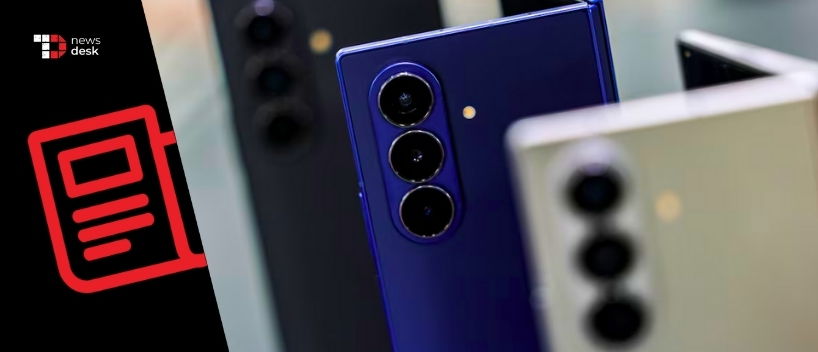
The smartphone industry is stepping into a new chapter, where intelligence matters more than just specifications. Phones are no longer expected to simply perform but are expected to understand you, help in real time, and even stay one step ahead of your needs.
That’s exactly what major tech companies have been working toward, and Samsung, as always, is jumping in headfirst.
TL;DR
- Samsung wants to double its AI-powered devices to about 800 million by 2026.
- Galaxy AI will come to more phones, not just premium models.
- Features like translation and voice help will be part of daily phone use.
- Google’s Gemini AI will be built deeper into Samsung’s Galaxy devices.
- The move puts Samsung in strong competition with Apple, Xiaomi, and Huawei.
Samsung Electronics has announced plans to double the number of its AI-powered mobile devices to around 800 million by the end of this year, pointing to a massive expansion of its partnership with Google.
The announcement is part of Samsung’s broader effort to make AI a core part of its Galaxy ecosystem and extending beyond flagship models into mid-range and budget-friendly phones.
The company’s “Galaxy AI” features, powered by Google’s Gemini model, have already been integrated into the Galaxy S24 lineup. Now, Samsung plans to push those capabilities across tablets, wearables, and other connected devices.
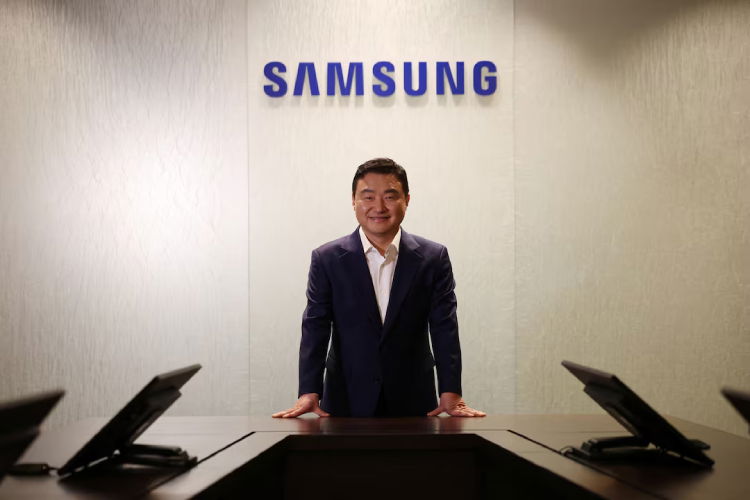
"We will apply AI to all products, all functions, and all services as quickly as possible," said TM Roh, President and Head of Mobile Experience at Samsung.
The company’s strategy reflects a clear focus, not just on flashy new features, but on ensuring AI tools like translation, voice assistance, and real-time summarization become part of everyday mobile life.
Topics For More Insights
The expansion also strengthens Google’s Gemini platform, which continues to rival OpenAI’s technology in the global AI arms race. By integrating Gemini into Samsung’s ecosystem, which is the world’s largest Android device network, Google gains a powerful distribution channel that could help cement its AI dominance in mobile devices.
Analysts see this decision as a strong counter to Apple, which is reportedly working on integrating more advanced intelligence into its upcoming iPhone models. Meanwhile in China, Xiaomi and Huawei are moving fast with AI-enabled phones, adding more pressure to an already crowded smartphone market.
Beyond software, Samsung’s semiconductor unit could benefit from the surge in AI phone production, even as the company hinted at potential price adjustments due to rising memory chip costs.
The message from Samsung is clear: the next era of smartphones won’t just be about bigger screens or better cameras, but about intelligence built right into your pocket.
