
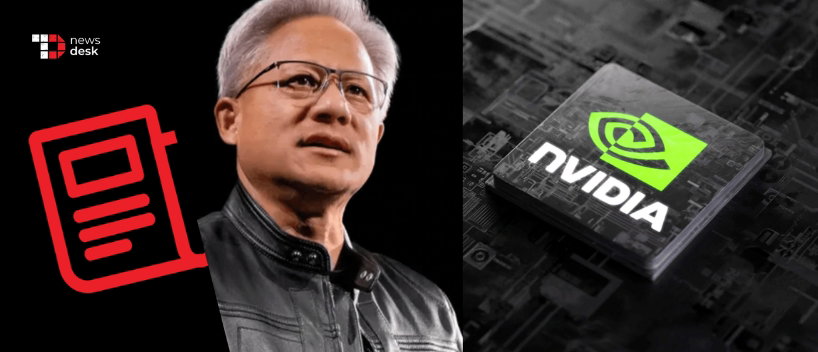
Nvidia CEO Jensen Huang believes investors are misunderstanding how artificial intelligence will impact traditional software companies. In an interview with CNBC, Huang argued that AI will expand the role of software rather than replace it.
His comments come at a time when markets are debating whether generative AI could bypass enterprise software platforms and reduce demand for certain SaaS products.
TL;DR
- Jensen Huang said markets have “got it wrong” about AI harming software firms.
- He argued AI will increase software usage, not eliminate it.
- Investors fear generative AI could replace some SaaS platforms.
- Nvidia reported approximately $68.1 billion in fiscal Q4 revenue, up about 73% year over year.
Why Investors Are Concerned
Some investors believe that large language models and AI agents can directly perform tasks that traditionally required enterprise software. These tasks include generating reports, writing code, analyzing business data, and automating workflows.
The concern is that if AI systems can handle these functions independently, companies may not need as many traditional software tools.
This narrative has led to volatility in software stocks, even as AI-focused infrastructure companies like Nvidia have seen strong gains.
Huang Pushes Back
Huang rejected the idea that AI represents a structural threat to software companies.
“The markets got it wrong,” he told CNBC, referring to the belief that AI will significantly undermine the software industry.
According to Huang, AI systems still need to operate within enterprise environments that include workflow management, governance policies, cybersecurity protections, compliance systems, and structured data frameworks.
In other words, AI does not function in isolation. It must be embedded within existing software systems.
Nvidia’s Record Earnings
Huang’s remarks come as Nvidia continues to benefit from strong AI infrastructure demand.
For the fiscal fourth quarter ended January 28, 2024, Nvidia reported record revenue of approximately $68.1 billion. That marked about 73% growth compared to the same quarter the previous year.
The company’s data center business generated roughly $62.3 billion in revenue during the same period, up approximately 75% year over year. This segment remains Nvidia’s largest and primary growth driver.
Demand for Nvidia’s GPUs and AI systems has been fueled by hyperscale cloud providers and enterprises building and deploying advanced AI models.
Topics For More Insights
Software Companies Are Adapting
While Nvidia’s growth reflects infrastructure demand, many enterprise software providers are incorporating generative AI into their platforms.
Companies across customer relationship management, productivity, and analytics software are launching AI copilots and automation tools as built-in features rather than standalone replacements.
This supports Huang’s broader argument that AI enhances software capabilities instead of making them obsolete.
The Bigger Debate
The broader market debate centers on where AI’s long-term value will accumulate.
Some investors believe the majority of gains will concentrate among chipmakers and foundation model providers. Others argue that application-layer companies will also benefit as AI becomes embedded into everyday workflows.
Huang’s view aligns with the latter.
For Nvidia, AI demand continues to drive record financial performance. For software companies, his message suggests that AI represents an evolution of the industry, not its extinction.
