
NVIDIA used its GTC 2026 conference to unveil a major expansion of its artificial intelligence roadmap with a concept it calls “Physical AI.” The company outlined how AI models, simulation platforms, and robotics technologies will combine to enable machines to perceive, reason, and act in the real world.
The announcements highlight NVIDIA’s push beyond generative AI into robotics, autonomous machines, and industrial automation.
TL;DR
- NVIDIA introduced the concept of Physical AI at GTC 2026.
- It focuses on AI systems that understand and interact with the real world.
- The initiative combines robotics, simulation, and AI models.
- NVIDIA believes it will power next-generation robots, autonomous vehicles, and industrial machines.
The shift signals NVIDIA’s ambition to expand AI beyond digital environments into physical systems operating in real-world environments.
NVIDIA Unveils ‘Physical AI’ Vision For Real-World Machines
At GTC 2026, NVIDIA detailed how Physical AI represents the next phase of artificial intelligence development. While generative AI models create text, images, and code in digital environments, Physical AI focuses on enabling machines to perceive and interact with the physical world.
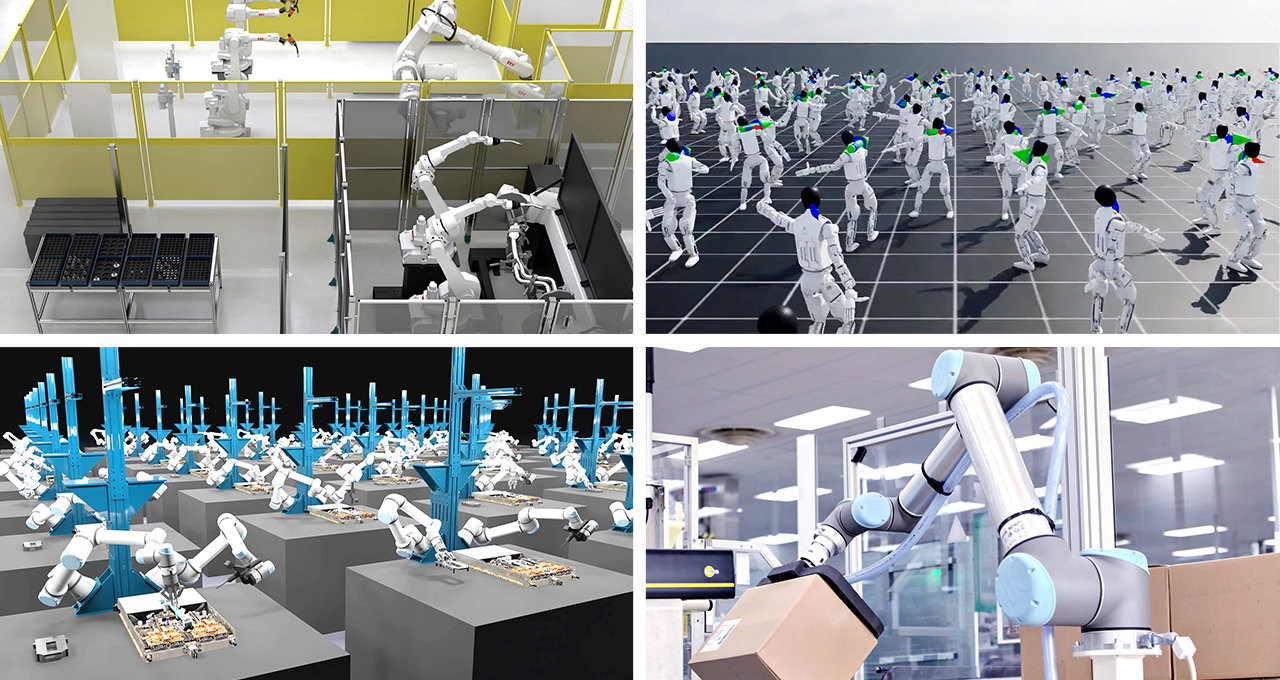
This involves integrating advanced AI models with robotics, simulation platforms, sensors, and high-performance computing systems.
According to NVIDIA CEO Jensen Huang, the goal is to enable machines that can understand the physical environment and take meaningful actions.
“Physical AI will bring intelligence to robots and autonomous machines that operate in the real world,” Huang said during the keynote.
The concept relies heavily on NVIDIA’s computing platforms, simulation technologies, and accelerated AI infrastructure. These tools allow developers to train machines in virtual environments before deploying them in real-world scenarios.
NVIDIA Highlights Simulation As The Training Ground For Robotics
A core part of NVIDIA’s strategy involves simulation environments that replicate real-world physics.
By training robots in simulated environments, developers can rapidly test scenarios, teach machines how to move safely, and optimize behaviors before deployment.
This approach reduces development costs while improving safety and reliability.
Simulation platforms also help train AI systems for industries such as manufacturing, logistics, and autonomous transportation.
The company believes these digital environments will become essential for building intelligent machines capable of operating safely alongside humans.
NVIDIA Signals Robotaxis As A Key Physical AI Use Case
NVIDIA also pointed to autonomous vehicles and robotaxis as one of the most immediate real-world applications of its Physical AI vision.
The company emphasized that enabling machines to perceive, understand, and act in dynamic environments is critical for self-driving systems operating on public roads.
Robotaxis rely on a combination of AI models, sensor data, and simulation training to navigate complex traffic scenarios safely. NVIDIA’s platforms are designed to support this by providing high-performance compute and realistic simulation environments for training and validation.
At the same time, companies such as Uber have already begun integrating autonomous vehicle technologies into their ride-hailing ecosystems through partnerships with robotaxi developers.
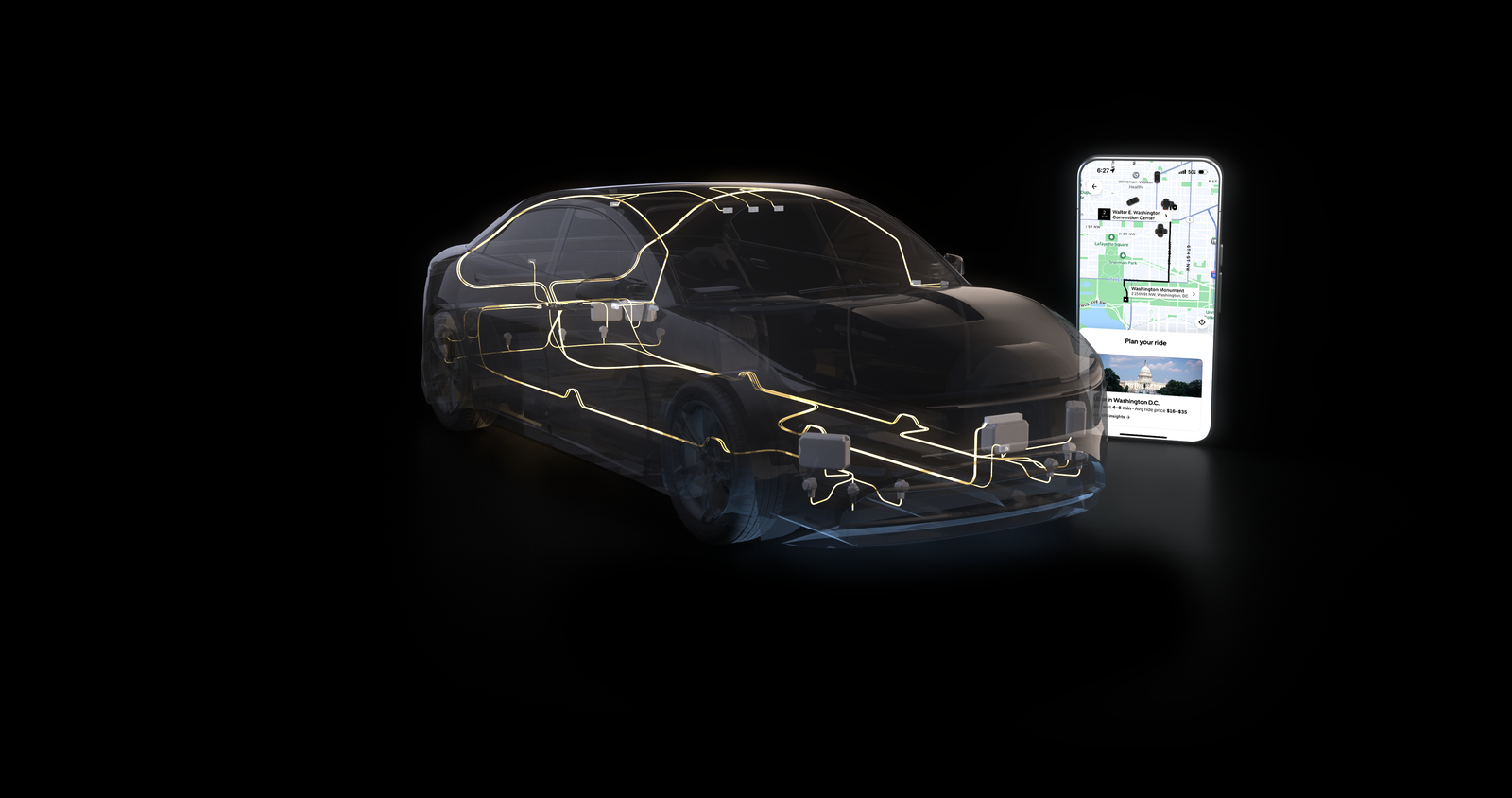
These deployments highlight how AI-powered mobility is transitioning from testing phases to real-world services across select cities.
By connecting AI, simulation, and robotics, NVIDIA is positioning its Physical AI framework as a foundational layer for scaling autonomous transportation systems, including robotaxis.
NVIDIA Positions Physical AI For Industrial Automation And Autonomous Systems
NVIDIA’s Physical AI strategy is closely tied to industries that rely heavily on robotics and automation.
These include manufacturing facilities, warehouses, logistics networks, and autonomous vehicles.
By combining AI models with robotics platforms, NVIDIA aims to accelerate the development of machines capable of performing complex tasks with minimal human intervention.
The initiative also highlights the growing role of AI in industrial automation and smart factories.
NVIDIA has increasingly positioned itself as a key infrastructure provider for the AI economy, supplying the GPUs and computing platforms used to train and deploy advanced models.
With Physical AI, the company is extending that strategy into robotics and real-world automation systems.
The announcements at GTC 2026 signal that NVIDIA sees the future of AI extending far beyond chatbots and digital assistants.
Instead, the next generation of AI systems could be embedded into machines that move, interact with objects, and operate in the physical world.
