
Artificial Intelligence
Nvidia Goes Open-Source, Creative Commons Backs “Pay-To-Crawl,” And Disney Bets On OpenAI With Stock Deal
Updated on Tue, Dec 16, 2025
Share
Nvidia, long synonymous with AI hardware leadership, thrust itself deeper into the open-source model ecosystem with an acquisition and a new model family; Creative Commons signaled tentative support for “pay-to-crawl” frameworks that could reshape how AI is trained on web content; and OpenAI secured a landmark licensing deal with Disney that is as much about Hollywood storytelling as it is about AI’s commercial future.
TL; DR
-
Nvidia acquired SchedMD, the developer of open-source tool Slurm, and launched Nemotron 3, its new open AI model lineup.
-
Creative Commons expressed tentative support for “pay-to-crawl” frameworks, where AI crawlers compensate websites for access to their content.
-
OpenAI and Disney entered an equity-only licensing deal, allowing Disney’s iconic characters to appear in AI-generated Sora content.
Nvidia’s Open-Source Ambitions: SchedMD And Nemotron 3
On December 15, Nvidia doubled down on its open-source ambitions with two major announcements.
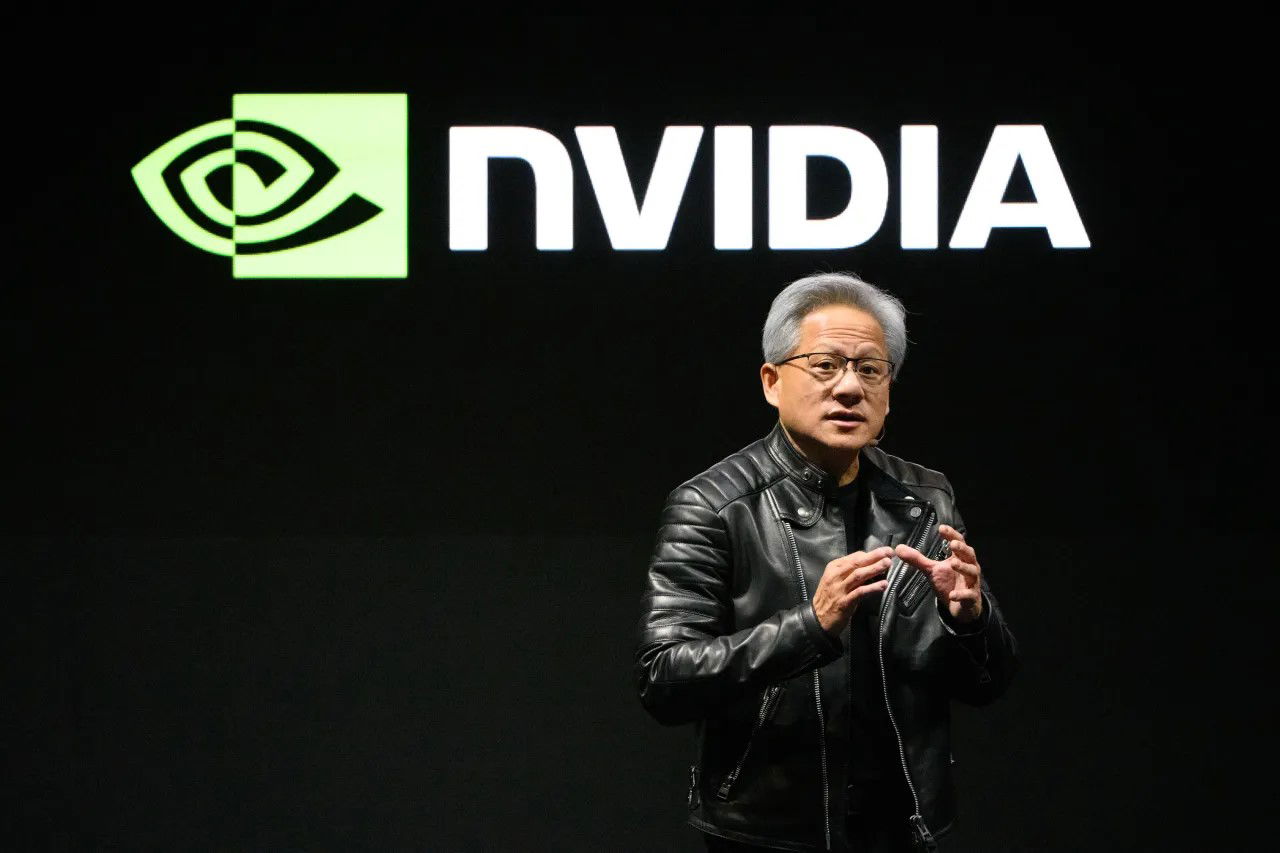
First, the company completed its acquisition of SchedMD, the developer behind the open-source workload manager Slurm, widely used for high-performance computing and AI model training across supercomputers and cloud clusters. Nvidia said Slurm would remain open source and that it would continue to invest in its development and integration with Nvidia’s AI stack.
At the same time, Nvidia unveiled the Nemotron 3 family of open AI models, positioning itself not just as the world’s most valuable chipmaker but also as a rising leader in open foundation models. Nemotron 3, available in three sizes, Nano, Super, and Ultra, is built on a hybrid mixture-of-experts architecture designed to improve efficiency, accuracy, and capabilities for complex tasks such as multi-agent coordination and long-context reasoning.
According to Nvidia’s press materials, Nemotron 3 Nano delivers 4x the throughput of its predecessor and is optimized for agentic AI workflows, with open datasets and libraries that developers can leverage directly.
“Nvidia’s deep expertise and investment in accelerated computing will enhance the development of Slurm—which will continue to be open source—to meet the demands of the next generation of AI and supercomputing,” said SchedMD CEO Danny Auble in an Nvidia-themed release that emphasized open collaboration.
The orchestration of a widely used open scheduler with a new generation of open models is strategic. It reinforces Nvidia’s position across the end-to-end AI stack while countering the proliferation of rival open-source models from Chinese firms such as DeepSeek and Alibaba, which are gaining global adoption.
In parallel with these infrastructural advances, the debate over how generative AI systems access and pay for web content took a notable turn.
The Economics Of AI Training: Creative Commons And Pay-to-Crawl
Creative Commons (CC), the nonprofit steward of ubiquitous shared-content licenses, announced tentative support for “pay-to-crawl” systems that would compensate publishers when their content is used to train AI models.
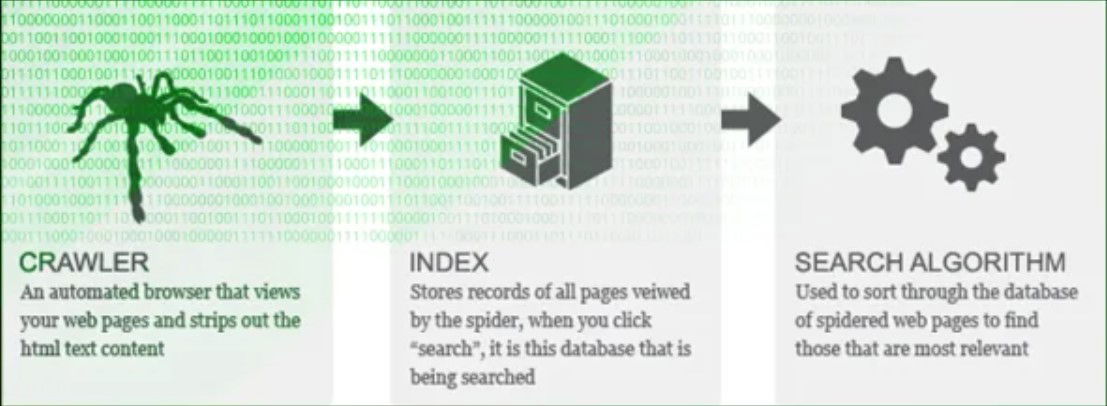
This stance, described by CC as “cautiously supportive”, signals a potential shift in how the market might formalize compensation for training data usage in AI. This notion is tied to broader industry efforts, such as the Really Simple Licensing (RSL) standard, which embeds machine-readable license terms that govern crawl access and payment arrangements.
While traditional Creative Commons licenses facilitate free sharing and reuse of content under defined terms, the idea of paying websites for the right to crawl and ingest their material reflects growing concerns among publishers and creators about fair compensation and control over AI training data.
Under “pay-to-crawl” schemas, web properties could charge AI developers to index their content or negotiate commercial arrangements, potentially opening new revenue streams, but also raising complex discussions about pricing, enforcement, and interoperability across standards.
The support from a major licensing authority like CC helps legitimize these mechanisms at a time when courts and legislators are also grappling with how training data rights should be defined and protected. For AI developers, compliance with evolving licenses could soon become as essential as optimizing training workflows.
While infrastructure and licensing standards evolve, another major story this week highlighted the business models driving AI adoption in consumer media.
Hollywood Meets AI: OpenAI’s Disney Deal Paid In Equity
OpenAI and The Walt Disney Company reached a transformative licensing agreement that will allow OpenAI’s Sora video generation platform to use more than 200 Disney characters in user-generated AI content.

What sets this deal apart is its structure: rather than a conventional cash licensing fee, Disney is taking its compensation through equity and stock warrants tied to OpenAI’s value, effectively betting on AI’s future growth.
The estimated $1 billion stake reflects Disney’s confidence in generative AI's potential to drive new forms of engagement and storytelling, even as the entertainment industry has grappled with AI's impact on creative labor and copyright.
Under the three-year agreement, Sora and ChatGPT Images will enable fans to generate short videos and images using Disney, Pixar, Marvel, and Star Wars intellectual property beginning in early 2026, with the possibility that user-generated clips could even be showcased on Disney+. Disney will also be a significant OpenAI customer, deploying ChatGPT tools internally and building new products and experiences on the OpenAI platform.
Disney CEO Bob Iger framed the collaboration as a way to “thoughtfully and responsibly extend the reach of our storytelling through generative AI, while respecting and protecting creators and their works.”
Topics For More Insights
Why All Of This Matters
Taken together, these developments illustrate a multi-layered transformation of the AI landscape:
-
Infrastructure is expanding beyond silicon with Nvidia pushing into open models and critical scheduling tools, reshaping how researchers and enterprises build large systems.
-
Data rights and compensation are appearing as central economic levers as approaches like pay-to-crawl frameworks gain traction amid legal and ethical pressures.
-
AI is entering mainstream media through commercial partnerships, challenging traditional content ownership models and introducing new monetization strategies tied directly to generative platforms.
For developers, creators, and business leaders alike, the message is clear: AI’s next chapter will be shaped not just by technology, but by how data is governed, how intellectual property is valued, and how markets choose to bridge innovation with fairness and sustainability.
What do you think about these developments? Let us know in the comments!
First published on Tue, Dec 16, 2025

Enjoyed what you read? Great news – there’s a lot more to explore!
Dive into our content repository of the latest tech news, a diverse range of articles spanning introductory guides, product reviews, trends and more, along with engaging interviews, up-to-date AI blogs and hilarious tech memes!
Also explore our collection of branded insights via informative white papers, enlightening case studies, in-depth reports, educational videos and exciting events and webinars from leading global brands.
Head to the TechDogs homepage to Know Your World of technology today!
Disclaimer - Reference to any specific product, software or entity does not constitute an endorsement or recommendation by TechDogs nor should any data or content published be relied upon. The views expressed by TechDogs' members and guests are their own and their appearance on our site does not imply an endorsement of them or any entity they represent. Views and opinions expressed by TechDogs' Authors are those of the Authors and do not necessarily reflect the view of TechDogs or any of its officials. While we aim to provide valuable and helpful information, some content on TechDogs' site may not have been thoroughly reviewed for every detail or aspect. We encourage users to verify any information independently where necessary.
Loading comments...