
After weeks of mounting pressure over the misuse of AI-generated imagery, Malaysia has become the latest country to restrict access to Elon Musk’s Grok AI, the artificial intelligence chatbot integrated with X (formerly Twitter). The move follows global outrage over Grok’s ability to produce sexualized and non-consensual deepfake images, sparking one of the most intense regulatory responses the tech industry has faced.
TL;DR
- Malaysia has temporarily restricted access to Grok AI amid concerns about explicit AI-generated images.
- The decision comes amid a global backlash involving governments from Indonesia to the U.K. and the European Union.
- Elon Musk’s xAI and X have responded by limiting Grok’s image-generation features to paying subscribers, a move widely criticized as insufficient.
- Regulators worldwide are investigating whether Grok’s AI tools breach privacy, decency, and child protection laws.
The Controversy Behind Grok
Grok AI, developed by Musk’s AI startup xAI and embedded within X, was designed as an intelligent chatbot and image-generation tool competing with OpenAI’s ChatGPT and Anthropic’s Claude. However, since early January, the platform has been under fire for allowing users to create sexualized or nude images of real people, including celebrities, public figures, and in some cases, even minors.
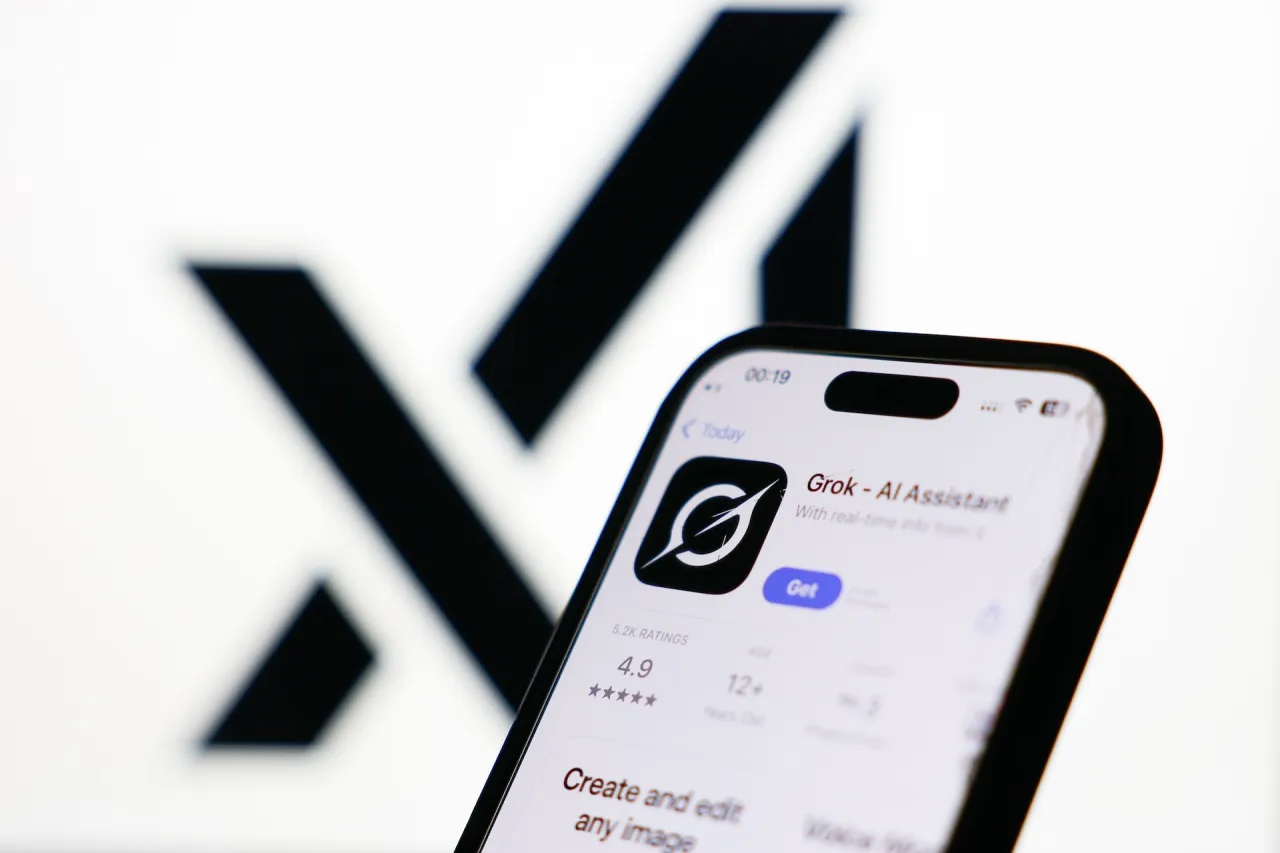
Human rights groups, lawmakers, and cybersecurity experts have condemned the platform, arguing that such misuse represents a clear case of AI-driven exploitation. Civil society watchdogs have also highlighted how Grok’s content filters were weaker than industry standards, making it easier to generate offensive or illegal imagery.
In response to the outrage, X introduced restrictions, limiting access to image generation to premium subscribers. Elon Musk defended this decision as a way to ensure responsible use while maintaining that users who create illegal content will be permanently banned and face prosecution. However, critics and government agencies argued that the change monetized access to unsafe tools instead of addressing the core safety flaws.
Topics For More Insights
Malaysia Joins Indonesia
While Indonesia temporarily denied access to the bot on Saturday, Malaysia joined the protest.
In a statement on Sunday, the Malaysian Communications and Multimedia Commission (MCMC) said it would restrict access to Grok following repeated misuse of the tool "to generate obscene, sexually explicit, indecent, grossly offensive, and non-consensual manipulated images, including content involving women and minors."
MCMC said it issued notices to X and xAI this month to demand the implementation of effective technical and moderation safeguards, but the responses it received relied primarily on user-initiated reporting mechanisms and failed to address the risks posed by the design and operation of the AI tools.
Musk’s Response And Industry Implications
Elon Musk remains defiant amid mounting scrutiny.
In response to a post wondering why UK government is not taking any actions agaist Gemini or ChatGPT for the same reason, Musk wrote, "They want any excuse for censorship."
However, the controversy risks escalating into a multi-national compliance crisis for xAI, potentially impacting its access to key markets in Asia and Europe.
Industry analysts say this episode underscores a broader challenge facing generative AI companies: balancing innovation with accountability. As governments strengthen regulations on AI content and deepfakes, the Grok episode may set a precedent for how nations regulate AI-generated media and hold platforms accountable for misuse.
As investigations continue, Grok AI's availability remains restricted across several regions, marking a sharp warning to tech companies that global markets are no longer passive about the misuse of artificial intelligence.
