

Google has updated its Search experience to make it easier for users to start requests to remove sensitive personal information from results, simplifying access to existing tools rather than changing how removals are reviewed or approved.
TL;DR
- Google now lets users initiate personal data removal requests directly from Search result menus.
- The update streamlines access to the existing “Results about you” tool, rather than introducing instant removals.
- All requests continue to be reviewed under Google’s existing Search and removal policies.
Google has rolled out an update to its Search interface that allows users to more easily begin requests to remove sensitive personal information about themselves from search results. The change focuses on improving how users access Google’s removal tools rather than altering the company’s underlying review process.
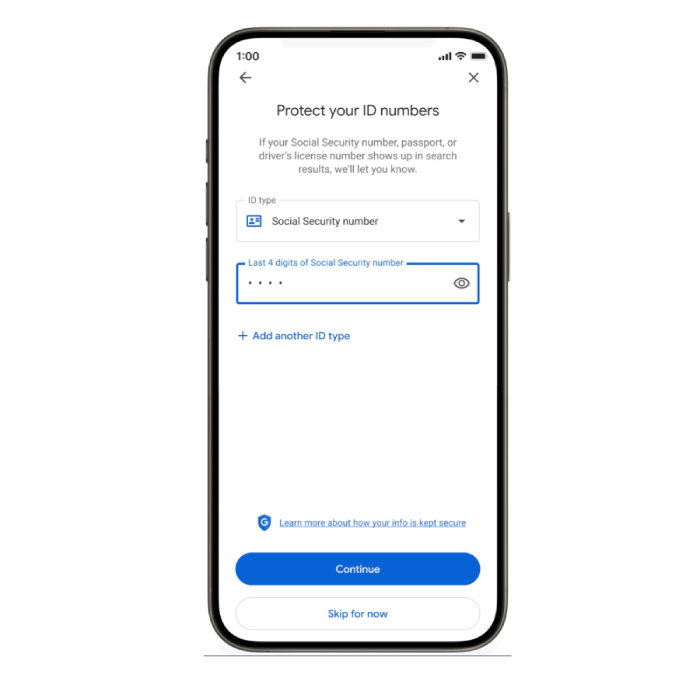
With the update, users can click the three-dot menu next to a search result and select an option to request removal if the page contains personal data such as a phone number, home address, or email address. This action does not immediately remove the result from Search. Instead, it directs users into Google’s existing request flow, where the company evaluates whether the content qualifies for removal under its policies.
Previously, users had to navigate through Google account settings or dedicated privacy dashboards to locate the “Results about you” tool. Google says the new approach reduces friction by placing the entry point directly within Search, making it easier for people to act when they encounter sensitive information.
Topics For More Insights
In addition to the new shortcut, Google has improved how users monitor their personal information. Once opted in, the “Results about you” feature can alert users when Google detects new search results that appear to contain their personal data. These alerts allow users to review and, if appropriate, submit a removal request without manually checking Search on a recurring basis.
Google emphasized that the update does not change how decisions are made. All requests are still reviewed, and approval is not guaranteed. Content removal depends on factors such as the type of information involved and whether it meets Google’s criteria for personal data removal.
The update arrives as concerns about online exposure and personal safety continue to grow. Data brokers, scraped public records, and social media profiles can make private contact details widely accessible through search engines, sometimes without individuals realizing it.
By embedding access directly into Search, Google is addressing usability issues that previously limited awareness and adoption of its privacy tools. However, the company has positioned the change strictly as a workflow improvement, not a shift in policy or enforcement.
