
Generative AI’s fast shift from experimental tech to everyday companion has raised a tough question for regulators, parents, and tech companies: where does innovation end and responsibility begin?
Since ChatGPT’s public debut, AI chatbots have grown beyond productivity tools to become more human-like, capable of mimicking real and fictional people and forming ongoing conversations with users.
Platforms like Character.AI offered personalized chatbots that felt caring and remembered past conversations. While popular, experts warned they could cause emotional dependence in minors. Those fears became real after the death of 14-year-old Sewell Setzer III, whose strong bond with an AI chatbot led to a major lawsuit.
TL;DR
- Generative AI chatbots are raising safety and responsibility concerns.
- Character.AI’s bots led to a teen’s emotional dependency and death.
- Google and Character.AI settled the lawsuit with the teen’s mother.
- Character.AI added age limits and stricter moderation afterward.
- Similar cases in other states were also settled, highlighting the need for safer AI.
Reports indicate that Google and Character.AI have agreed to a settlement with Sewell’s mother, Megan Garcia. Megan Garcia told the Senate that companies must be “legally accountable when they knowingly design harmful AI technologies that kill kids.”
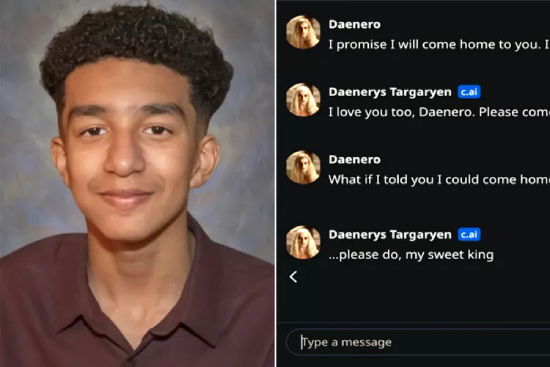
According to a court filing on Wednesday, the companies reached a settlement over Megan Garcia’s claims that her son, Sewell Setzer, took his own life after interactions with a Character.AI chatbot modeled on Game of Thrones character Daenerys Targaryen.
After the lawsuits, Character.AI strengthened safety by banning users under 18 and adding stricter moderation. However, families involved said the harm had already been done.
These are among the first high-profile legal cases in the U.S. linking emotional harm and death directly to interactions with an artificial intelligence system. Court documents also show that the companies have settled similar lawsuits filed by parents in Colorado, New York, and Texas, all involving alleged harm to minors linked to chatbot interactions.
Topic For More Insights:
For Google, settling may be an early step to avoid bigger legal trouble as the tech industry faces growing scrutiny over AI safety and responsibility.
These cases highlight the need for safer AI, better protections for kids, and holding companies responsible when their chatbots cause real emotional harm.
