
The U.S. Federal Trade Commission (FTC) has announced it will appeal the November 2025 court ruling that dismissed its antitrust lawsuit against Meta Platforms, the parent company of Facebook, Instagram, and WhatsApp.
The appeal, filed in the U.S. Court of Appeals for the District of Columbia Circuit, marks the next phase of a years-long legal battle over whether Meta’s past acquisitions unfairly stifled competition in social networking markets.
Here's all about today's big news.
TL;DR
- The FTC is appealing a ruling that cleared Meta of antitrust violations stemming from its Instagram and WhatsApp acquisitions.
- The agency claims Meta used buy-or-bury tactics to eliminate potential rivals.
- Meta argues it faces strong competition from TikTok, YouTube, and other platforms.
- The case could redefine how U.S. regulators assess Big Tech acquisitions going forward.
FTC Says Meta’s Acquisitions Were Anti-Competitive
The FTC first sued Meta in December 2020, arguing that its purchases of Instagram in 2012 and WhatsApp in 2014 were designed to suppress emerging threats to Facebook’s dominance.
The amended complaint, filed in 2021, accused Meta of engaging in a systematic strategy to eliminate competition and alleged illegal monopolization under Section 2 of the Sherman Act.
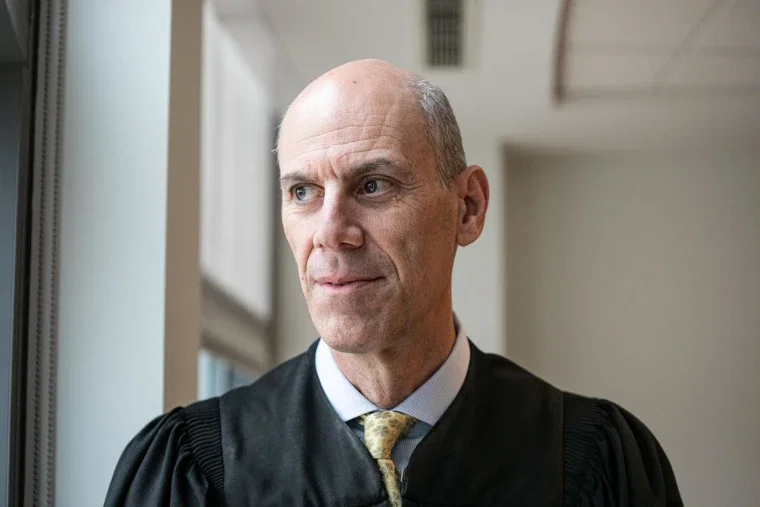
In November 2025, District Court Judge James Boasberg dismissed the case, ruling that the FTC failed to show Meta’s acquisitions resulted in monopoly power.
The court noted that social media competition had evolved significantly, with TikTok, YouTube, and Snapchat offering viable alternatives for users and advertisers.
The FTC disagreed, saying the decision overlooked long-term market harm caused by Meta’s consolidation.
The agency maintains that even if new competitors exist, Meta’s dominance in personal social networking remains the product of acquisitions that weakened potential rivals.
“Meta’s actions created a moat around its empire,” said an FTC spokesperson. “The law does not excuse anti-competitive conduct simply because new rivals appear later.”
The Appeal: FTC Pushes For Reversal
The FTC’s Bureau of Competition confirmed the appeal last week, reaffirming its goal to preserve fair competition in digital markets.
The regulator argues that Meta’s deals were not motivated by innovation but by the intent to neutralize future competition.
If successful, the FTC’s appeal could reopen the possibility of a divestiture order that might require Meta to separate Instagram and WhatsApp into independent entities.
Such a move would represent one of the most aggressive antitrust remedies in recent U.S. history.
Legal experts note that the FTC faces a difficult road ahead since courts have rarely approved breakups of this nature without clear evidence of ongoing consumer harm.
However, the appeal signals a more assertive regulatory approach toward technology giants.
Topics For More Insights
Meta’s Response: Competition Is Thriving
Meta welcomed the original ruling and expressed confidence that it will be upheld on appeal. A company spokesperson said the decision confirmed that competition in social networking remains strong. “We innovate to give people more choices, not fewer,” the spokesperson said.
Meta highlighted its rivalry with TikTok and the growing influence of newer platforms such as BeReal and X, arguing that the social networking landscape continues to evolve and remains dynamic.
Company officials privately view the appeal as part of a broader regulatory effort rather than a specific threat to its operations.
Broader Context: Big Tech Under Scrutiny
The FTC’s case against Meta is one of several high-profile antitrust actions targeting major technology companies. The U.S. Department of Justice has filed suits against Google over online advertising, while Apple and Amazon have also faced investigations related to self-preferencing and market dominance.
If the FTC succeeds, the decision could reshape how U.S. regulators evaluate mergers in digital markets, particularly those involving fast-growing startups.
“The FTC’s persistence shows that policymakers increasingly believe Big Tech’s unchecked expansion needs oversight,” said policy analyst Maria Hernandez of the Brookings Institution. “The outcome of this case could influence merger law and antitrust enforcement for decades to come.”
