
After years of courtroom battles and antitrust debates, Epic Games and Google have reached a settlement that was supposed to mark the end of their high-profile legal feud.
Although newly revealed court documents show an $800 million partnership agreement between the two companies, raising questions about whether the deal could undermine the spirit of the antitrust reforms it was meant to uphold.
Here's what you need to know.
TL;DR
- Epic and Google settled their long-running Android antitrust dispute.
- A previously undisclosed $800 million “Unreal Engine” partnership between the two surfaced in court.
- The judge overseeing the settlement called parts of the deal “alarming.”
- Epic’s Tim Sweeney insists the agreement promotes competition, not collusion.
- Critics argue it may compromise the independence of the reforms the settlement was meant to enforce.
Inside The Deal That Raised Eyebrows
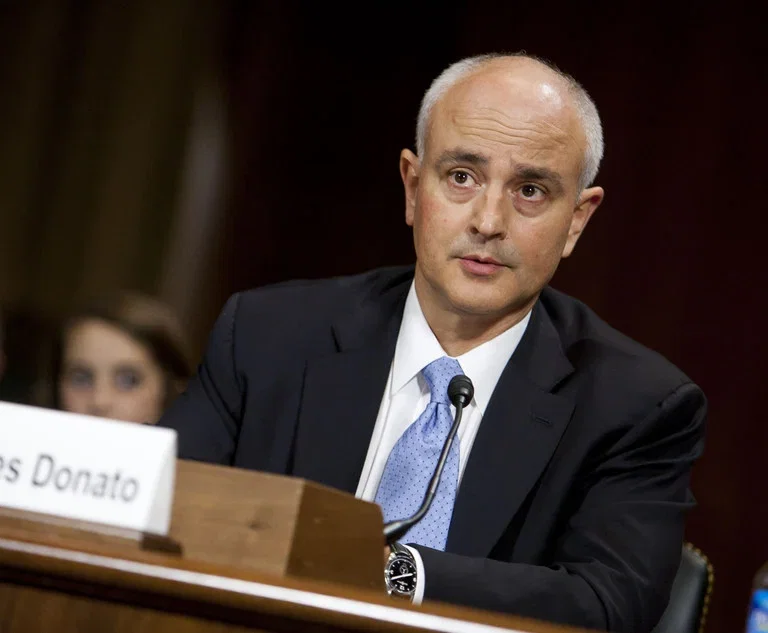
In a federal court hearing that took place on 22nd January 2026, U.S. District Judge James Donato expressed “serious concern” over the revelation that Epic Games and Google had struck an $800 million partnership alongside their proposed antitrust settlement.
The agreement, stretching over six years, covers shared marketing commitments, product development initiatives, and deep Unreal Engine integration across Google’s platforms. Epic would also spend part of that amount on Google Cloud and other related services.
Judge Donato, who previously oversaw Epic’s 2023 jury victory against Google, questioned whether this arrangement might “dilute or distort” the impact of the court’s earlier ruling. “We cannot have a settlement that looks like reform but behaves like reinstatement,” he said during the hearing.
Epic’s Defense: ‘It’s About Technology, Not Favoritism’
Epic Games CEO Tim Sweeney defended the deal, emphasizing that the $800 million is an investment from Epic to Google, not a payout in exchange for special treatment.
“I don’t see anything crooked about Epic paying Google off to encourage much more robust competition,” Sweeney told the court. “This isn’t about compromise—it’s about strengthening our technology ecosystem.”
Sweeney clarified that the deal was meant to expand the reach of the Unreal Engine, particularly for Android developers, and to make Epic’s products more competitive on Google’s ecosystem. He rejected speculation that the agreement softened Epic’s long-standing fight for open app markets.
Topics For More Insights
Google Keeps Its Distance
Google has not issued a detailed statement regarding the deal, only confirming that it “continues to support a competitive Android ecosystem.”
Behind the scenes, sources close to Google told The Verge and 9to5Google that the Unreal Engine partnership was designed to help Google market Android’s creative potential, particularly as Apple strengthens its mobile gaming ecosystem through its App Store and Apple Arcade expansion.
However, Google’s spokesperson declined to comment directly on the financial terms or Judge Donato’s remarks.
The Bigger Picture: An Uneasy Victory
Epic first sued Google in 2020, alleging that it maintained an unlawful monopoly over app distribution and payment processing on Android devices. In December 2023, a jury found in Epic’s favor, leading to sweeping reforms—including lower Play Store fees and permission for third-party app stores.
The new partnership complicates that win. While the deal may boost technological collaboration, critics warn it could symbolically blur the line between competition and cooperation.
Judge Donato has asked both parties to submit further documentation explaining how the partnership aligns with the settlement’s intent to ensure open competition.
“Transparency is non-negotiable when you’re dealing with the future of digital marketplaces,” said one attorney following the case.
For now, the court has not approved the settlement, leaving the industry watching closely. What was meant to be a landmark victory for app store freedom could now test how far that freedom truly extends when two tech giants find common ground—at a steep price.
