
Customer Engagement
Most CX ROI Metrics Are Broken—Here’s Why
Share
Overview
How many of you have watched The Office—the painfully hilarious sitcom where workplace logic seems to not exist? We bet most of you reading this have watched it.
Well, there’s this particular scene where Michael Scott, the well-meaning but clueless (yet lovable) boss, proudly shows off how the number of birthday cards sent to customers is actually a true metric for their satisfaction. According to him, more birthday cards = happier clients.
Everyone in the room nods. No one questions it. Even you, as a viewer, don't seem to fully disagree with corporate absurdity at its finest. But was it funny? Absolutely!

Now here’s the not-so-funny part: in reality, that’s exactly how many companies approach Customer Experience (CX) metrics for ROI analysis.
They obsess over numbers such as the Net Promoter Score (NPS) or CSAT without digging deeper into context. They assume a high score means all is well, meanwhile, customers might be churning, frustrated, or indifferent.
So, just like Michael’s birthday card logic, surface-level CX Return On Investment (ROI) metrics might look good on paper, but they often miss the mark in reality.
The truth is, bad CX metrics aren’t just funny—they’re risky!
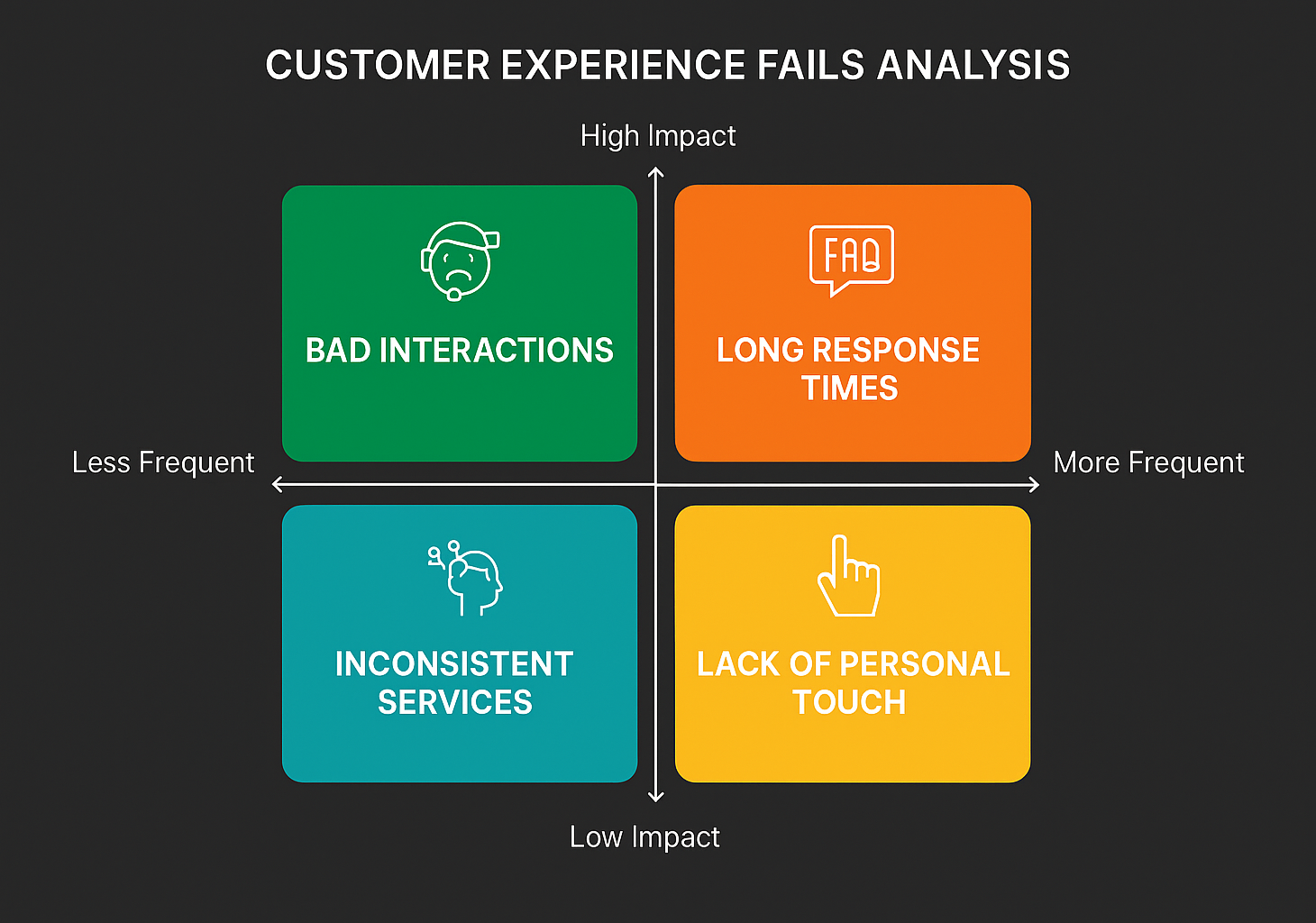
They lead to wrong assumptions, missed opportunities, and a false sense of security. You might be celebrating an 80% CSAT score while quietly losing your most valuable customers. Even worse, you might attribute success to feel-good numbers unrelated to real revenue, retention, or loyalty.
This brings us to the critical point: measuring customer experience ROI isn’t just a nice-to-have but a business imperative.
So, before we understand real CX metrics, let's realize the importance of measuring CX ROI metrics.
The Importance Of Measuring CX ROI
Why bother measuring CX ROI, you ask?
Well, there is always a need for stakeholders to figure out the return on investment (ROI) of customer experience (CX) projects to show their worth and help the business grow. It helps them justify investments, enhance strategies, and align CX efforts with business goals. This is critical as happy customers are what your business needs at the end of the day.
Think of CX as the engine that drives growth. When customers have great experiences, they're more likely to stick around, spend more, and tell their friends. It's the trifecta of business success!
Don't take our word for it: a study from Forrester Research says that brands that give their customers a better experience make 5.7 times as much money as their competitors.
That sounds like a good reason to pay attention to CX ROI, doesn't it?
As this study shows, it's not enough to just keep people you already have; you also need to get new ones. These days, word of mouth spreads quickly thanks to social media. A great review or post can reach thousands of possible buyers, which can increase sales and traffic. Conversely, a negative experience can quickly go viral, damaging your reputation and turning customers away.
So, investing in CX is not just about keeping your current customers happy. It's also about protecting your brand and attracting new business.
Now that you know why measuring CX ROI is so important, let's look at some of the common pitfalls.
Common Pitfalls In Current CX ROI Metrics
When measuring ROI for customer experience, it's easy to get lost in the numbers, but are you really measuring the right numbers? Here are some mistakes that people often make.
1. Overreliance On Vanity Metrics
It's helpful to think of Net Promoter Score (NPS) and Customer Satisfaction (CSAT) as Instagram followers. They look good on your profile, but do they add money?
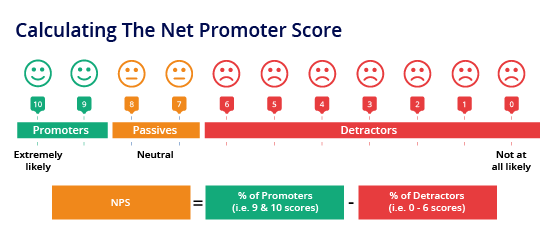
Well, it's possible these CX measures are wrong: a high NPS doesn't always mean increase in revenue just as it's possible to have a million followers but no one buys your products.
Here's a quick overview of what all of that means:
-
NPS and CSAT scores are lagging indicators.
-
They don't always reflect the complete customer journey.
-
They can be easily manipulated.
2. Short-Term Focus
Do you feel that you are too focused on immediate gains?
Well, prioritizing quick wins over long-term customer value is a common trap. Imagine only investing in marketing campaigns that give you a short boost, but ignoring the long-term brand building. What about customer loyalty? What about lifetime value? A customer acquired today can keep generating revenue for years.
3. Lack Of Contextual Analysis
Do you tend to miss the bigger picture? Well, it's a big mistake not to think about how complicated the customer journey is and how emotions affect people's actions. You wouldn't try to understand a movie after only seeing a few scenes. You need the whole story!
Customer journeys are complex, and emotions play a big role with Forrester saying emotions influence customer loyalty more than effectiveness or ease.

If you don't look at the context of your interactions with customers, you might get wrong ROI estimates. Not only should you know the numbers, but you should also know "why" they are there.
Now that we know what some common mistakes are, let's look at the problems with proving CX ROI. There are other things that matter besides content marketing.
Challenges In Proving CX ROI
Now that you have a great CX plan, how can you show that it's working? You see, it's not always a stroll through the park. Let's take a look at some usual problems.
1. Attribution Difficulties
Figuring out exactly what caused a revenue jump (or dip) can feel like untangling Christmas lights. Was it the new AI chatbot, the revamped website, or just a viral social media post?
There are so many things that affect sales, from marketing campaigns and seasonal trends to even what your competitors are doing. According to a study by McKinsey, isolating the impact of a single CX initiative is a top challenge for most companies. It's like figuring out which instrument plays which note in a full orchestra—seems tricky, right?
2. Data Silos
Do you ever feel like your business data is spread out all over the place? Folks in customer service keep track of something totally different than the people working in sales and marketing, and everyone seems to be speaking a different language?
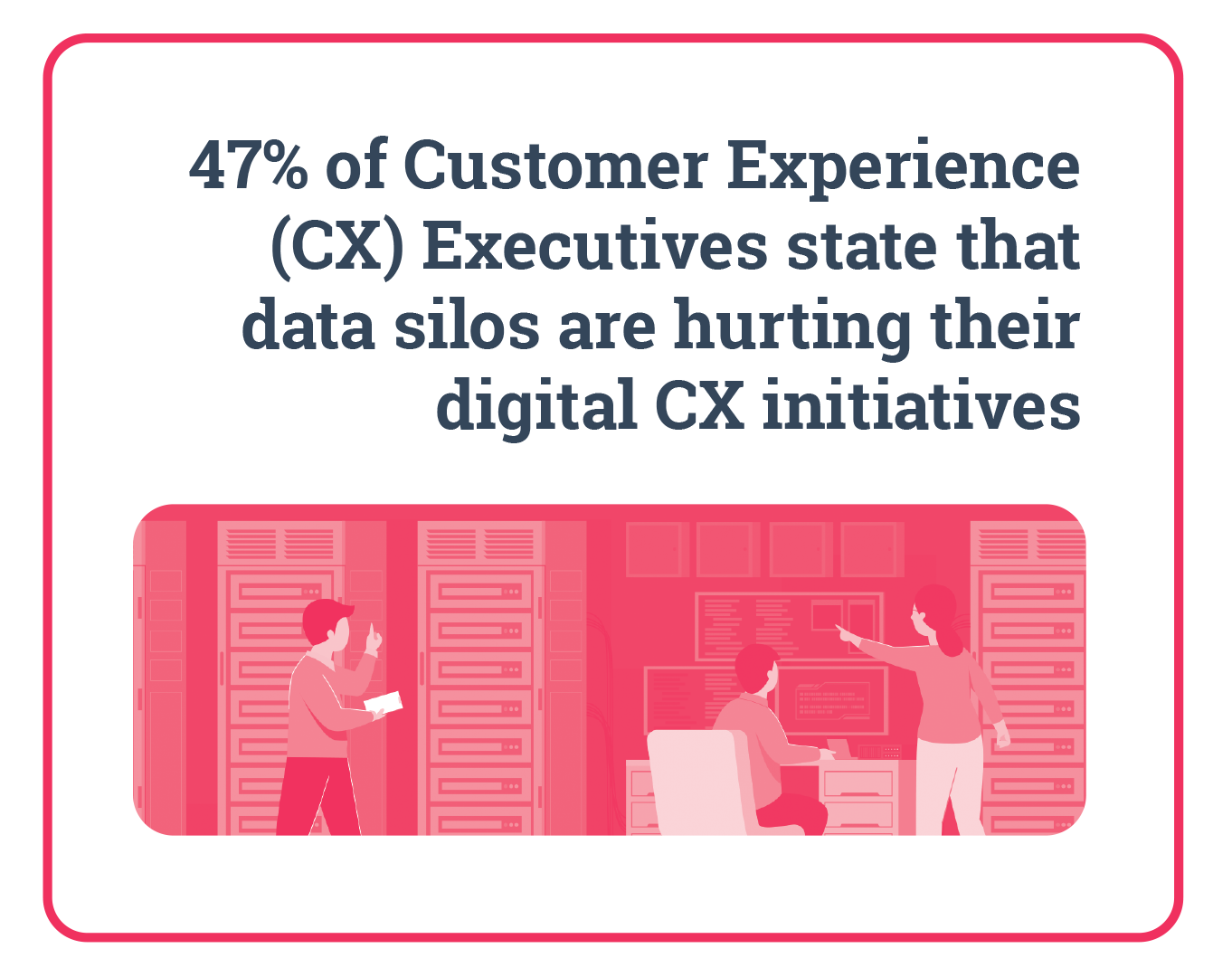
Well, data silos like this makes it harder to get a complete picture of the customer experience. Without that full view, proving ROI is like assembling a puzzle with half the pieces missing.
3. Qualitative Factors
Now, how do you put a price on trust or the good feelings a customer gets from a great interaction? There are real things that matter that don't always show up on a chart. It's like trying to put a number on the worth of genuine praise. You know it makes a difference, but how do you figure out how much? These more subjective parts of CX, like how people feel about a company and how engaged they are with it, are tough to define but have a clear effect on the bottom line.
Sometimes it's not easy to show that CX ROI exists. It involves getting past problems like attribution, data silos, and the fact that it's hard to put numbers on qualitative factors. But being aware of these problems is the first thing that needs to be done to make measurement methods that are more accurate and useful.
Now that we've talked about the problems, let's look at some ways to better understand your CX ROI.
Strategies For Accurate CX ROI Measurement
So, you want to get serious about measuring CX ROI? Good!
We need to go deeper into what really drives worth and not just focus on the obvious things. How do you do that? Let us look at some approaches:
1. Integrated Metrics Approach
Think of it like this: you wouldn't judge a basketball player solely on their points per game, right? You would look at assists, rebounds, defense, and overall impact, and the same goes for CX. You need to combine different types of metrics to get a complete picture. Operational metrics (call resolution times), financial metrics (revenue per customer), and experiential metrics (customer satisfaction) play a part. Here's a quick overview:
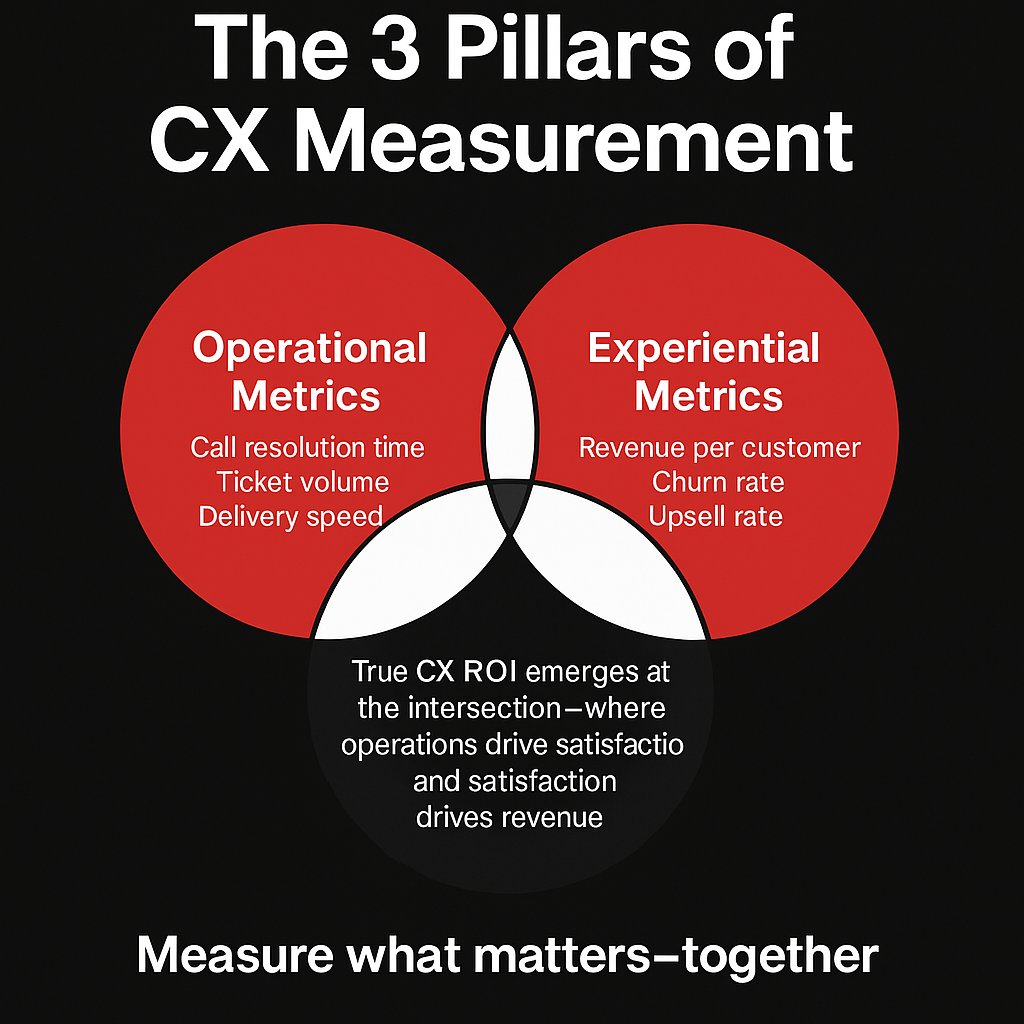
-
Operational Metrics: How well and how efficiently systems work.
-
Financial Metrics: Revenue, profit, and cost savings.
-
Experiential Metrics: How the customer thinks and feels.
You can see how changes in one area affect other areas by putting these together. For instance, does handling calls faster make customers happy and bring in more sales?
2. Customer Journey Mapping
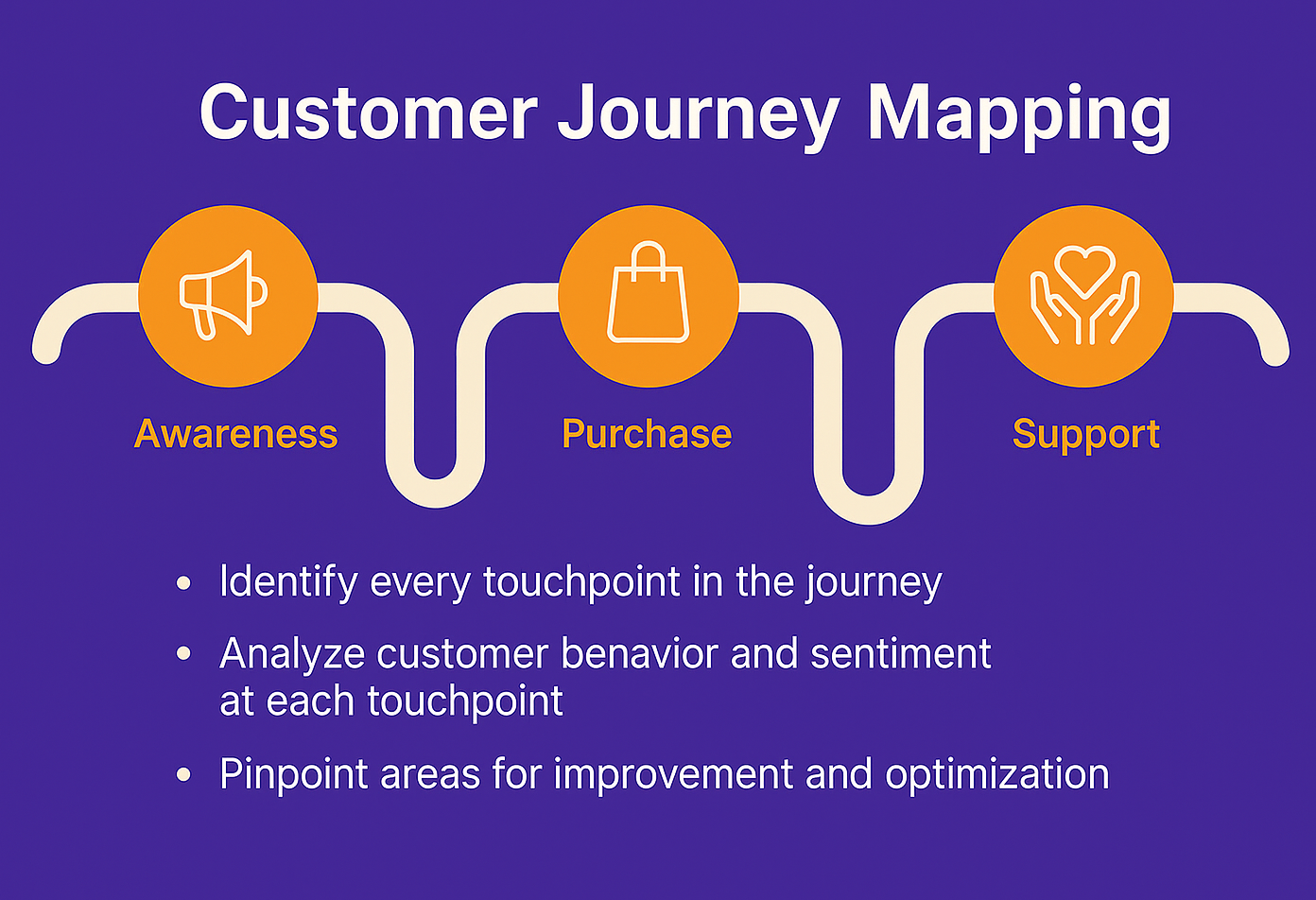
Think about driving across the country without a map. You'd likely get lost, right? Customer journey planning helps you figure out how the customer feels by following their steps. It means visualizing every customer interaction with your brand, from the first time they hear about it to the after-sales support. You can find pain points and ways to make things better by looking at each touchpoint.
-
Find every point of contact in the customer journey.
-
Look at how customers act and feel at every point of contact.
-
Pinpoint areas for improvement and optimization.
This helps you figure out which interactions have the most significant effect on your customers, and eventually, on your revenue. Are customers dropping off during the checkout process? Is your onboarding experience confusing? Journey mapping helps you find out the answers!
3. Predictive Analytics
Ever wish you could accurately predict the future? This is as close as we can get in the world: predictive analytics. You can guess how customers will act by using statistics and machine learning to find out things such as the churn rate, the customer lifetime value, etc.
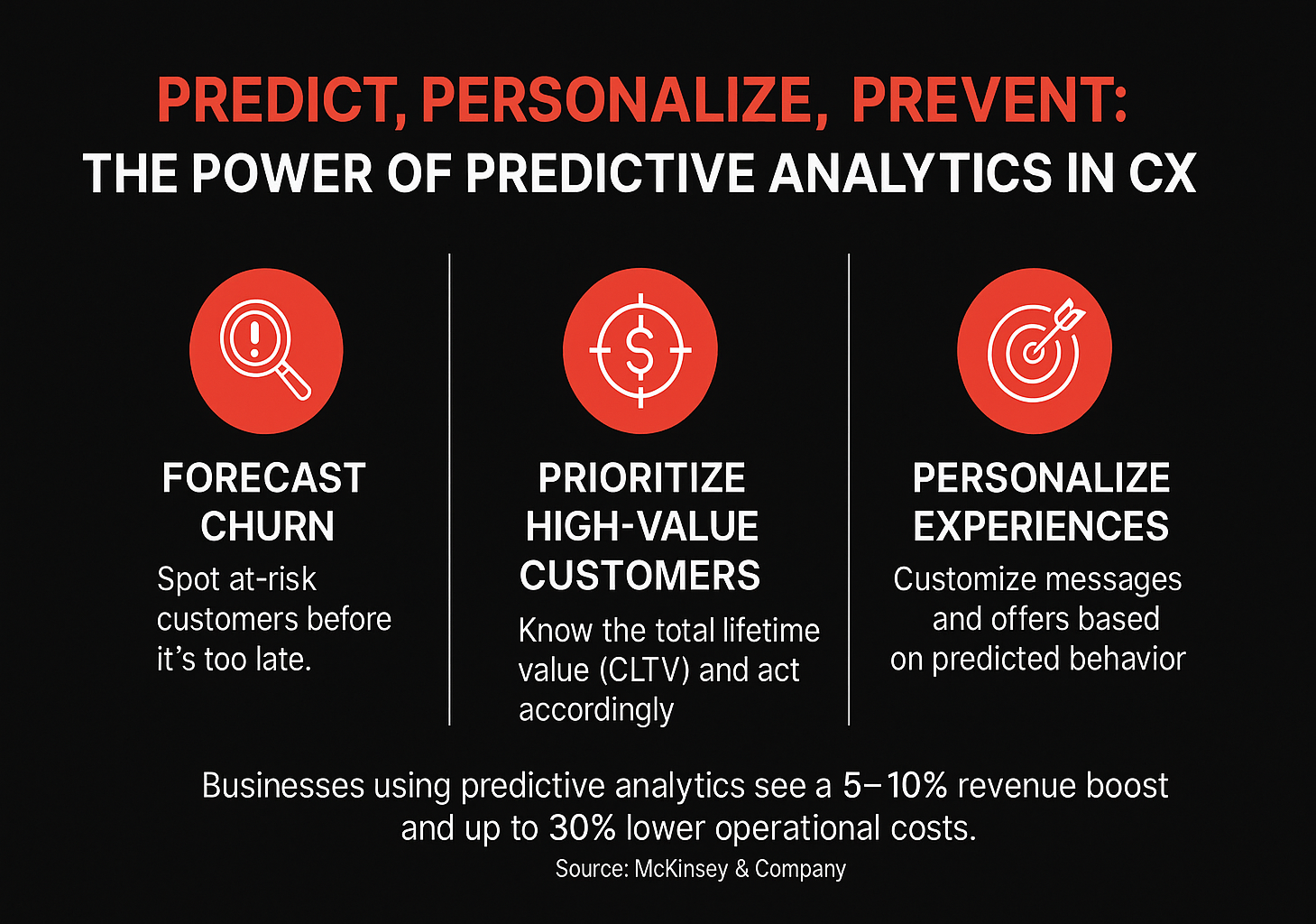
This lets you deal with problems before they happen and make the customer experience unique. To make the most of it, do this:
-
Forecast customer churn and identify at-risk customers.
-
Figure out the total value of each customer and prioritize the most valuable ones.
-
Personalize customer experiences based on predicted needs and preferences.
For example, if your model predicts that a customer will likely churn, you can reach out with a special offer or personalized support to try and retain them. For your CX plan, it's like having a holy book. Businesses that use predictive analytics have seen their sales go up by 5–10% and their costs go down by 20–30%.
4. Voice Of Customer Programs
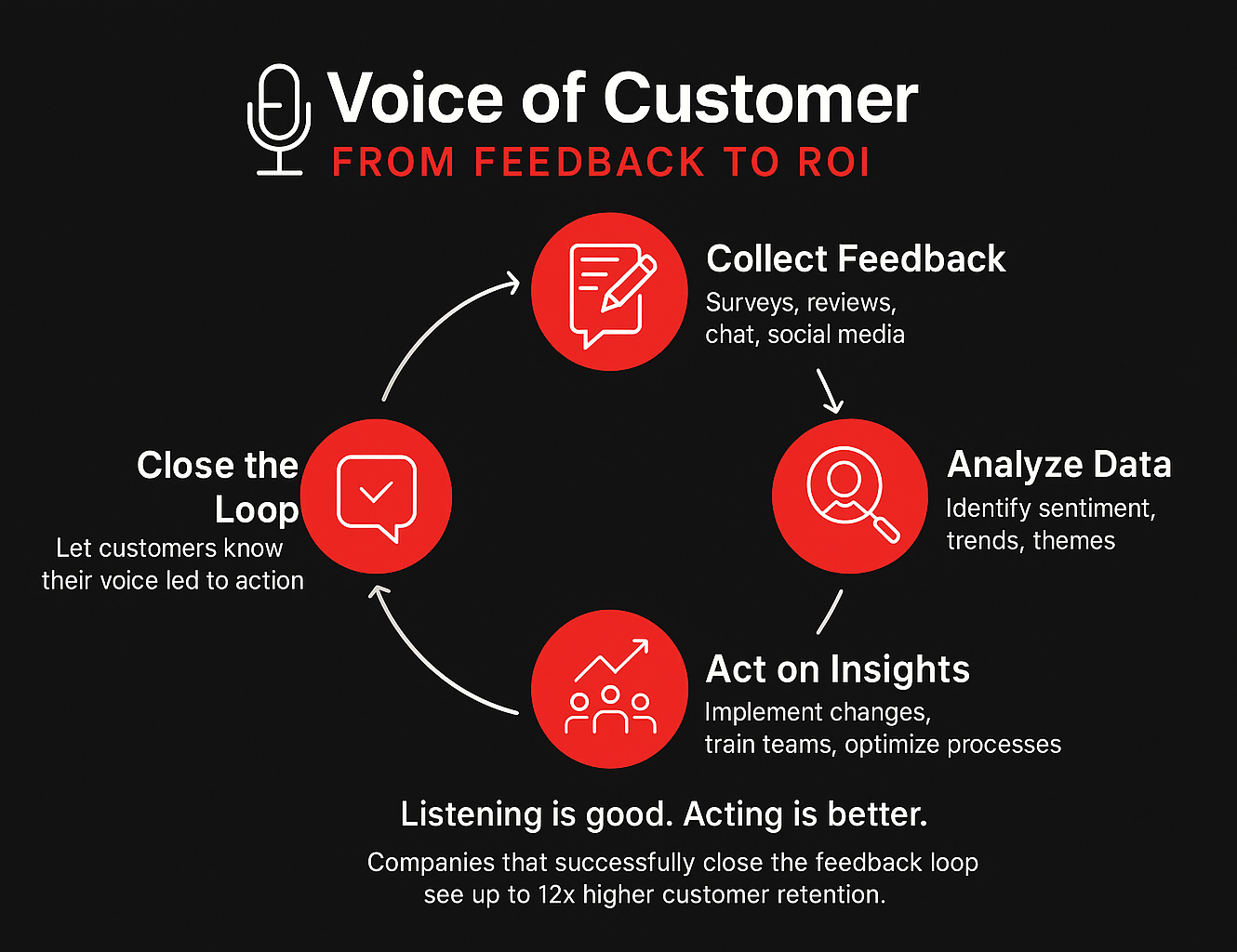
Who knows your customers better than... your customers? Voice of Customer (VoC) programs help in gathering feedback from customers through surveys, reviews, social media, and other channels, providing valuable insights into customer perceptions, expectations, and pain points. Here's a list of things to keep in mind:
-
Collect customer feedback through various channels.
-
Look at the analytics to find the main ideas and trends.
-
Get feedback from customers to make the experience better and increase your return on investment (ROI).
Now, it's no longer enough to get feedback; you need to do something with it. Close the loop by listening to what customers say and making changes based on their suggestions. People will know you care about their experience if you listen to them and act on it.
So, we've talked about a few important ways to measure the correct CX ROI, but how do these methods work in real life?
Let's take a look at some case studies and best practices.
Case Studies And Best Practices To Measure CX ROI
Now let's look at some real-life cases of how companies measured and improved their return on investment (ROI) for customer experience. You know, it's not all just theory. Some folks are really nailing this stuff. So here's , what can you learn from them:
Success Stories
1. Capital One Canada: Elevating Customer Satisfaction
Capital One Canada started a program called "Road to CSAT 80" to improve customer satisfaction. The main goals of this program were to make contact centers more accountable, give frontline workers more power, and deal with major customer complaints. Capital One Canada made a big difference in customer satisfaction and operational efficiency by using these tactics.
2. Federated Co-operatives Limited (FCL): Enhancing Member Onboarding
FCL made the "New Member Experience Program" to make the process of getting new users started better. As part of this project, members could sign up online, welcome packages were streamlined, and information about cash back and equity was improved, with members being more involved and happy.
Lessons Learned
Not every company gets it right on the first try. Some organizations focus heavily on acquiring new customers, while neglecting the importance of retaining existing ones. This oversight often leads to missed opportunities, diminished customer loyalty, and customer churn.
The above success stories show how important it is to:
-
Empower Employees: This means giving field workers the tools they need to meet customer expectations and demands.
-
Streamline Processes: This means holding training sessions and sharing best practices to make customers happier.
By focusing on these areas, companies can create more meaningful connections with their customers, leading to increased loyalty and sustained business growth.
Wrapping It Up!
Measuring customer experience ROI isn’t a walk in the park. It’s more like trying to find your way out of a corn maze with a blindfold on.
Although you get fancy metrics and data at your fingertips, if you’re not careful, you might just end up chasing your tail. So remember, it’s not just about the numbers; it’s about understanding what those numbers mean for your customers.
Stop obsessing over every little feel-good metric and start focusing on what really matters: creating experiences that make customers feel valued and heard. After all, a happy customer is worth their weight in gold, and that’s the only kind of ROI you should all be aiming for!
Frequently Asked Questions
What Do You Mean By ROI Of Customer Experience?
The ROI of customer experience refers to the measurable business impact—like increased revenue, higher retention, and reduced churn—gained from improving customer interactions. Superior CX drives loyalty, referrals, and spend, often delivering returns multiple times greater than the initial investment.
What Is The Customer Experience Metrics?
Customer experience metrics are data points used to evaluate how customers perceive and interact with a brand. Common metrics include Net Promoter Score (NPS), Customer Satisfaction (CSAT), Customer Effort Score (CES), and Customer Lifetime Value (CLV), among others.
What Are The 5 C's Of Customer Experience?
The 5 C’s of customer experience are: Clarity, Consistency, Convenience, Control, and Connection. Together, they represent the essential elements that influence how customers perceive value and form emotional connections throughout their journey with a brand.
Wed, May 7, 2025

Enjoyed what you read? Great news – there’s a lot more to explore!
Dive into our content repository of the latest tech news, a diverse range of articles spanning introductory guides, product reviews, trends and more, along with engaging interviews, up-to-date AI blogs and hilarious tech memes!
Also explore our collection of branded insights via informative white papers, enlightening case studies, in-depth reports, educational videos and exciting events and webinars from leading global brands.
Head to the TechDogs homepage to Know Your World of technology today!
Disclaimer - Reference to any specific product, software or entity does not constitute an endorsement or recommendation by TechDogs nor should any data or content published be relied upon. The views expressed by TechDogs' members and guests are their own and their appearance on our site does not imply an endorsement of them or any entity they represent. Views and opinions expressed by TechDogs' Authors are those of the Authors and do not necessarily reflect the view of TechDogs or any of its officials. While we aim to provide valuable and helpful information, some content on TechDogs' site may not have been thoroughly reviewed for every detail or aspect. We encourage users to verify any information independently where necessary.
AI-Crafted, Human-Reviewed and Refined - The content above has been automatically generated by an AI language model and is intended for informational purposes only. While in-house experts research, fact-check, edit and proofread every piece, the accuracy, completeness, and timeliness of the information or inclusion of the latest developments or expert opinions isn't guaranteed. We recommend seeking qualified expertise or conducting further research to validate and supplement the information provided.
Loading comments...