
Software Development
Top 5 MLOps Tools Of 2026
Share
TL;DR
-
SAS Viya: Provides a cloud-native environment specifically designed for explainable AI and enterprise-level governance.
-
Roboflow: Simplifies the computer vision pipeline by offering end-to-end tools for image annotation and model training.
-
Databricks: Integrates data and machine learning into a unified lakehouse platform for seamless team collaboration.
-
Microsoft Fabric: Offers a centralized hub that connects data engineering, analytics, and science under one roof.
-
Snowflake: Enables rapid model deployment and real-time observability directly where your enterprise data already lives.
Introduction
Building sophisticated AI models without the proper infrastructure is much like being Larry from Night at the Museum, trapped in a chaotic world where everything from dinosaurs to ancient warriors is coming to life at once. Without the right key to unlock the secret and bring order to the exhibits, you are left scrambling to make sense of the madness surrounding you. In the realm of machine learning, this chaos translates to fragmented data and unoptimized models that never reach their full potential.
MLOps Tools serve as that essential key, providing the automation and management needed to turn a disorganized collection of scripts into a high-performing ecosystem. These platforms handle the heavy lifting of tracking data and testing models so that your projects stay sharp and functional over time. By implementing a structured operational framework, teams can ensure their innovations are not just static experiments but living, scalable solutions. Explore these Top 5 MLOps Tools Of 2026 to streamline your machine learning workflows for maximum success.
What Are MLOps Tools?
An MLOps (Machine Learning Operations) Tool is designed to streamline and automate the processes involved in building, deploying, and maintaining machine learning (ML) models at scale. It’s just like building a cool app or game, which needs regular updates and checks to keep it running smoothly.
The best tools for MLOps do that for artificial intelligence (AI) models, keeping track of training data, testing the models, and making sure everything works perfectly. Basically, MLOps Tools help make sure AI models stay sharp and perform well over time.
So, let’s explore the list of MLOps tools making waves in 2026 to help you take control and ensure your AI projects thrive. Ready to step into the museum of MLOps?
Top 5 MLOps Tools Of 2026
It’s time to discover the Top 5 MLOps Platforms of 2026. These are the best MLOps tools to streamline your AI workflows, so choose the right ones for success!
 |
 |
 |
 |
 |
SAS Viya: Best For Enterprise
SAS Viya helps teams turn AI efforts into real business outcomes. Built as a cloud-native solution, it brings together data, model development, deployment, and governance in a way that feels unified rather than fragmented. With a strong focus on explainable AI, it also ensures decisions are not just automated but understood. Recognized among G2’s top analytics products for 2026, SAS Viya supports organizations looking to scale AI while maintaining control and accountability at every step.
Why We Chose SAS Viya In 2026
SAS Viya stands out for making the entire data and AI process feel more connected and less overwhelming. It allows teams to bring in data from different sources, build and train machine learning models, and move them into production without constantly switching tools. Whether someone prefers working with code or using visual interfaces, the platform supports both, making collaboration across teams much smoother. It also handles governance quietly in the background, with built-in tracking and auditability, which is crucial when models are being used at scale.
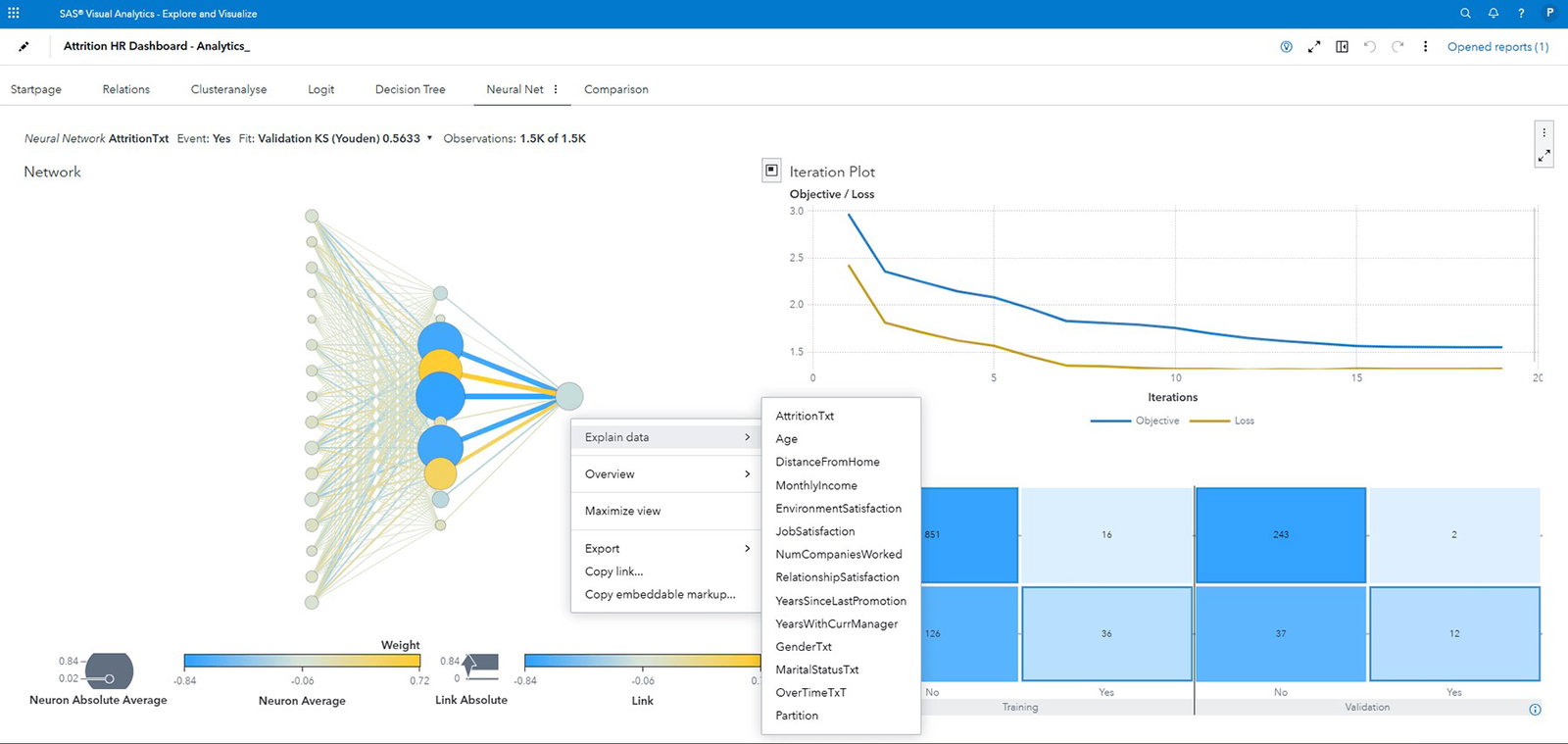
Another reason it made our list is how easily it fits into everyday workflows. Teams can deploy machine learning models into real operations, monitor their performance, and keep improving them over time. Features like model versioning, support for different languages and frameworks, and its built-in AI assistant help simplify what can otherwise be a complex process. It also scales well across the business and supports use cases like forecasting and fraud detection, making it a practical choice for teams looking to get more from their machine learning efforts.
Pricing
SAS Viya does not publicly disclose its pricing. For detailed plans and a customized quote based on the requirements, businesses can contact the SAS Viya team.
What Works And What Doesn’t
| Pros | Cons |
| Cloud-based access | Complex setup |
| Scalable performance | High cost |
| Multi-language support | Limited flexibility |
Our Final Take
SAS Viya works best for enterprises and regulated industries looking to bring their AI and analytics efforts under one roof. It might not suit smaller teams or those just getting started. It can be a great fit for organizations looking to build data-driven workflows into their everyday processes.
Roboflow: Best for Small Business
Roboflow simplifies how teams build and scale computer vision applications. It covers the entire process from image and video collection to annotation, preprocessing, model training, and deployment, so teams don’t have to rely on multiple tools. Used by over 1,000,000 users from startups to public companies, Roboflow helps teams turn visual data into real-world AI applications, which is why it has earned G2’s Users Love Us milestone.
Why We Chose Roboflow In 2026
Roboflow makes the computer vision workflow feel a lot more straightforward than it usually is. From preparing and labeling data to training models and getting them ready for use, everything sits in one place. Features like automatic pre-labeling and smart routing help speed up what is often the most time-consuming part of the process. It also gives teams the flexibility to work with different languages and frameworks, so they are not locked into a single way of doing things.
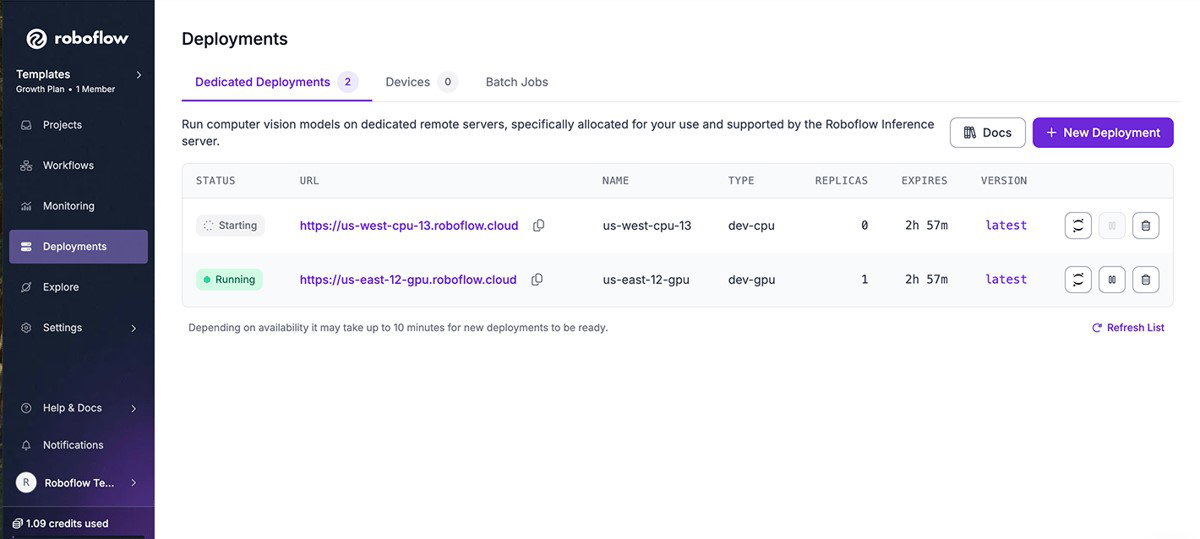
With Roboflow, teams can manage versions, track models through a built-in registry, and keep an eye on performance once they are live. There is also clear control over who can access and update models, which keeps things organized as projects grow. With its ability to scale across teams and handle multiple projects at once, Roboflow becomes a practical choice for building and managing computer vision systems without unnecessary friction.
Pricing
Roboflow offers a free Public plan for open-source projects with basic features and limited users. The Core plan, starting at $99 per month, adds private data, training insights, and more control for small teams. For larger, production-ready needs, the Enterprise plan comes with custom pricing, advanced deployment options, and dedicated support.
What Works And What Doesn’t
| Pros | Cons |
| Flexible exports | Large data delays |
| Fast dataset prep | Feature paywalls |
| End-to-end workflow | Limited dataset variety |
Our Final Take
Roboflow is a great fit for teams working on computer vision projects who want a smooth, end-to-end workflow. While it may feel limiting for very large-scale datasets, it works well for building and deploying AI models using image and video data.
Databricks: Best for Integration
Databricks brings data, analytics, and machine learning together in a way that feels more connected and easier to manage. Used by over 20,000 organizations worldwide, including more than 60% of the Fortune 500, Databricks has become a trusted choice for teams building data-driven applications. Recognized as a G2 Spring 2026 leader, Databricks continues to support organizations looking to scale their AI efforts in a structured and efficient way.
Why We Chose Databricks In 2026
What makes Databricks a strong pick is how it simplifies managing the entire machine learning workflow in one place. Teams can work with data, code, and models without constantly switching systems, which helps reduce delays and keeps everything aligned. It follows a clear structure from development to staging and production to make it easier to move from experimentation to deployment. With built-in version control, access management, and tools like MLflow, teams can track progress, manage models, and stay organized as projects evolve.
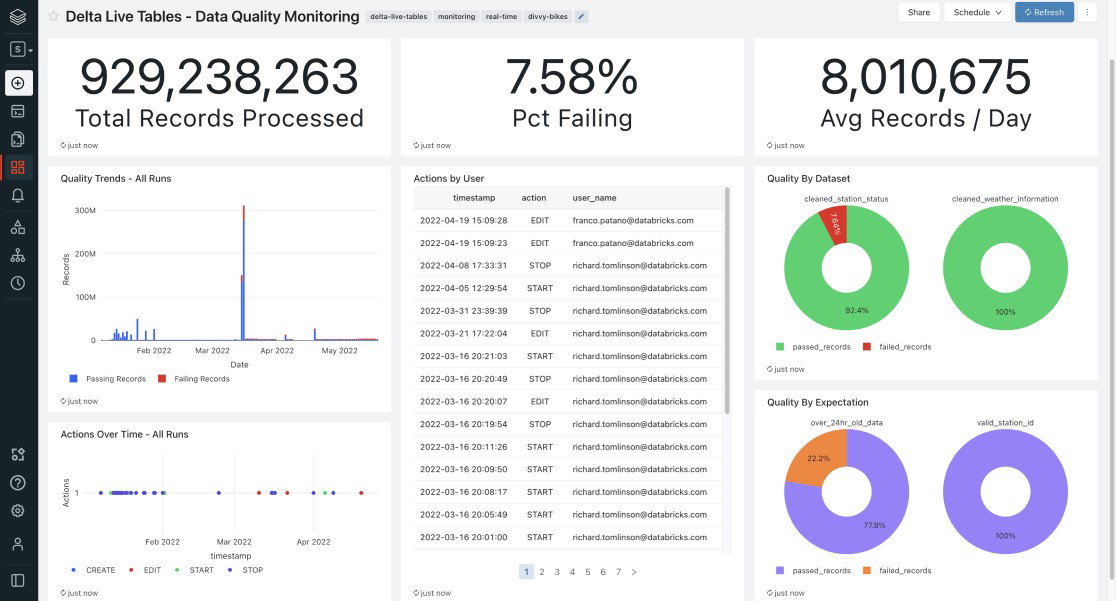
Another reason it stands out is its approach to collaboration and scaling. Separate environments for each stage allow teams to test and refine before going live, while promoting code instead of just models helps maintain consistency. It also supports a lakehouse setup for managing data and integrates well with existing tools, giving teams a more steady and reliable way to build and run machine learning systems.
Pricing
While Databricks has not publicly shared its pricing, businesses can reach out to their team to get details based on their specific needs.
What Works And What Doesn’t
| Pros | Cons |
| Unified platform | Cost management issues |
| AI-assisted workflows | UI performance lag |
| Strong governance tools | Limited workflow options |
Our Final Take
For teams looking to unify data, analytics, and AI, Databricks offers a powerful all-in-one platform. It might not suit smaller teams with limited resources, but it’s a strong pick for organizations seeking streamlined, end-to-end data and AI workflows.
Topics For More Insights
Microsoft Fabric: Best for Scalability
Microsoft Fabric is a powerful, all-in-one analytics platform that makes managing and analyzing data simple. Built from the ground up, Microsoft Fabric supports everything from data engineering to business intelligence, helping teams collaborate, streamline workflows, and turn raw data into actionable insights. Recognized as a Leader in the IDC MarketScape Worldwide MLOps Platforms 2022, its integrated approach makes it especially useful for organizations looking to scale MLOps efficiently while keeping all data and analytics tools in one place.
Why We Chose Microsoft Fabric In 2026
Microsoft Fabric stands out in 2026 for its ability to bring everything data-related into one seamless platform. With OneLake, organizations get a single, curated hub for all their business data to make it easy for teams to access accurate and secure datasets. Its AI-powered tools help teams innovate faster, uncover insights quickly, and make informed decisions that truly impact the business. On top of that, the platform integrates data engineering, warehousing, real-time analytics, data science, and business intelligence, so everything stays connected and consistent, reducing friction and complexity.
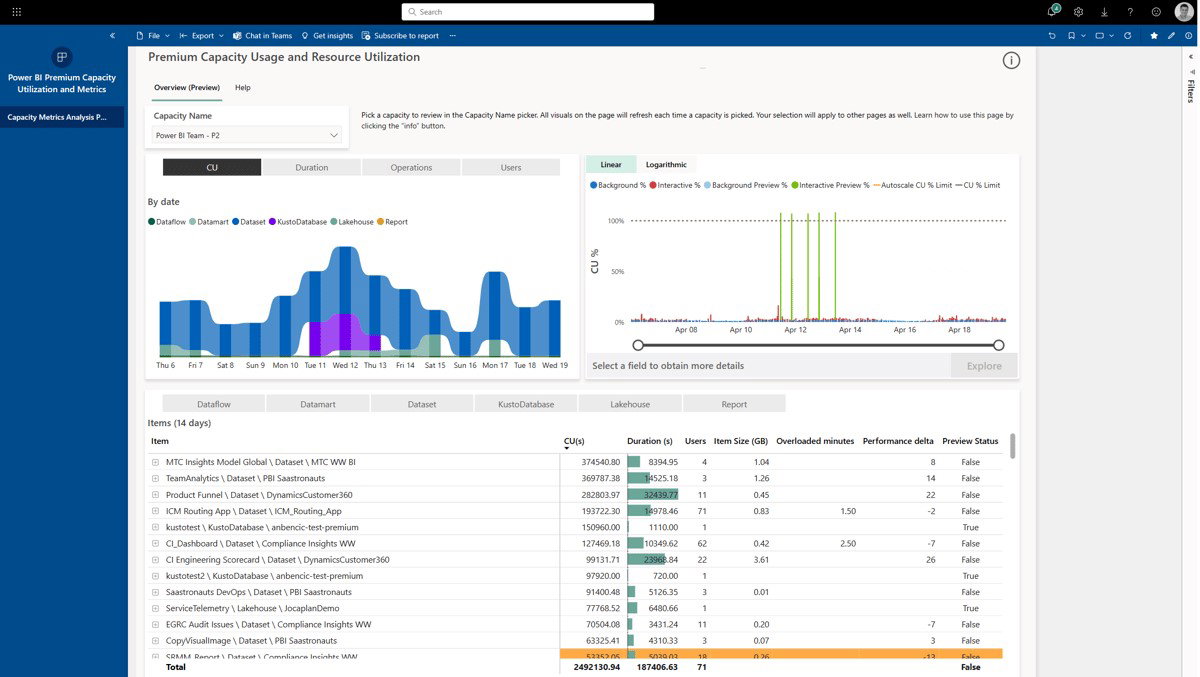
Beyond functionality, Microsoft Fabric also takes security and governance seriously. Built-in compliance features ensure data is managed responsibly, while the unified approach simplifies workflows and boosts productivity. By connecting all key data services under one roof, Fabric not only saves time but also empowers organizations to unlock the full potential of their data, making it a reliable choice for companies looking to drive efficiency and scale smarter in a data-driven world.
Pricing
Microsoft Fabric hasn’t shared its pricing publicly. Businesses interested in using the platform can reach out to Microsoft directly to get the latest pricing details.
What Works And What Doesn’t
| Pros | Cons |
| End-to-end data solution | Requires learning time |
| Centralized data governance | Limited workflow customization |
| Easy implementation | Dependent on Microsoft tools |
Our Final Take
Microsoft Fabric is best for teams managing data and analytics who want everything in one platform. It might be complex or pricey for smaller teams, but it’s a great choice for organizations looking to streamline workflows and make faster, data-driven decisions.
Snowflake: Best Overall
Snowflake helps businesses make enterprise AI simple and enables teams to share data, build apps, and make smarter decisions. Used by thousands of companies worldwide, it supports secure, scalable, and efficient data workflows. It’s designed to help teams get the most out of their data while driving innovation. For its reliability and impact, Snowflake was named one of G2’s Best Software Products for 2026 in data privacy.
Why We Chose Snowflake In 2026
Snowflake makes managing machine learning simple by keeping everything on one platform where your data already lives. Teams can build, train, and deploy models without worrying about infrastructure. Features like Snowflake Notebooks, Cortex Code, and ML Jobs help streamline model development, while the Feature Store makes it easy to organize, manage, and reuse data features across pipelines.
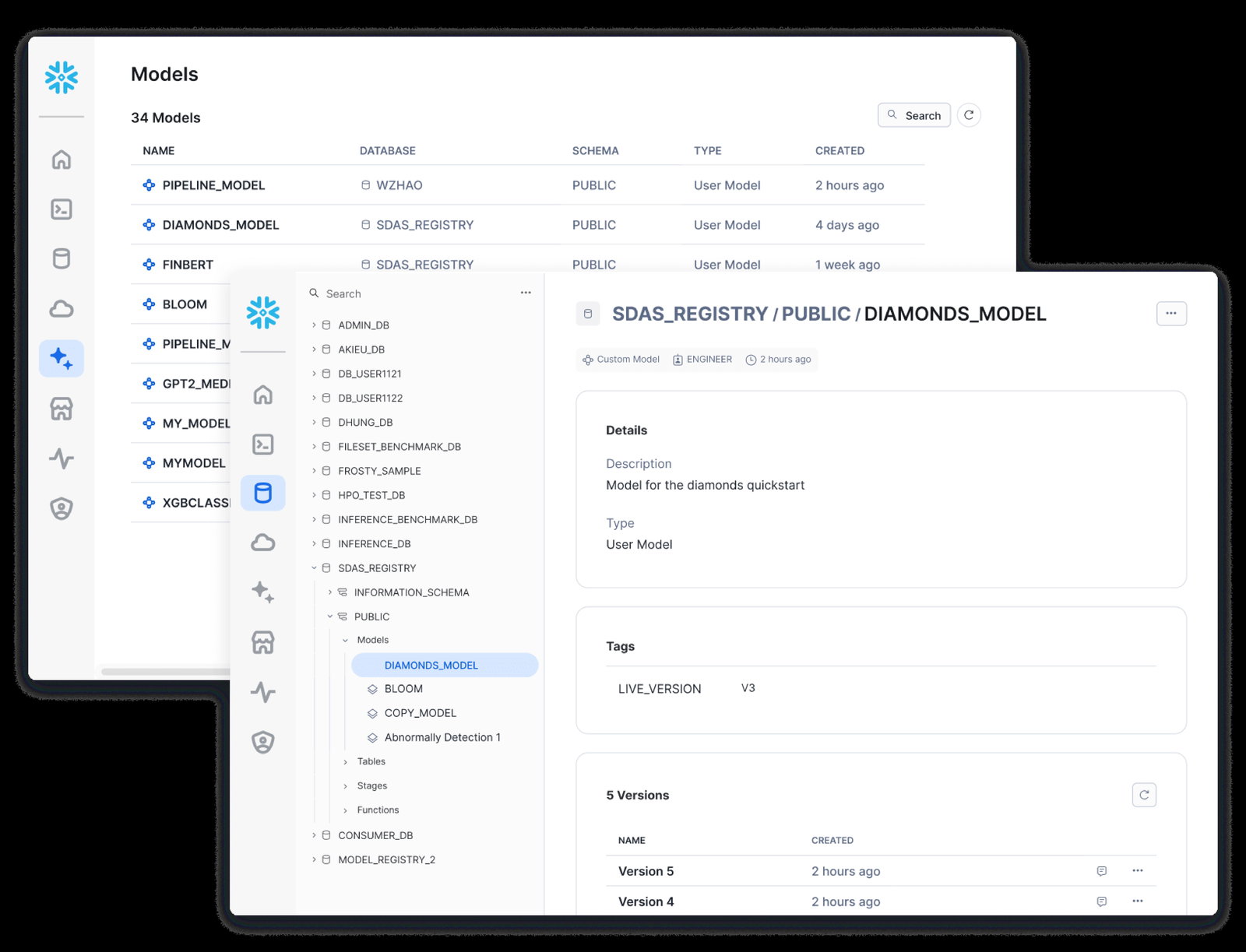
When it comes to putting models into production, Snowflake doesn’t slow you down. Models can be deployed anywhere and served in milliseconds for real-time use cases, like personalized recommendations or fraud detection. The Model Registry and ML Observability keep everything monitored and transparent and give teams confidence in their predictions. With Snowflake, businesses get an all-in-one solution that speeds up development, simplifies management, and scales effortlessly as needs grow.
Pricing
Snowflake offers plans for every business need. Standard gives core features at $2 per credit. Enterprise adds advanced controls for $3, and Business Critical offers extra security for $4. For Virtual Private Snowflake, businesses can contact the Snowflake team.
What Works And What Doesn’t
| Pros | Cons |
| Easy to use | Cost can rise |
| Fast query performance | Requires learning time |
| Scalable on demand | Complex pricing |
| Strong BI integrations | Limited for real-time data |
Our Final Take
Snowflake is ideal for teams that require fast, scalable data analysis in the cloud. It may not suit real-time decisions or tight budgets, but it works well for reliable, easy-to-manage analytics across large datasets.
Top 5 MLOps Platforms Comparison
Navigating the world of MLOps can be tricky with so many platforms available. To simplify your search, we have compared five leading MLOps solutions that streamline model development, deployment, and monitoring, helping teams build, scale, and manage machine learning workflows efficiently.
P.S.: Always remember to visit the vendor's site for the latest information!
| Criteria |  |
 |
 |
 |
 |
| Starting Price | NA | $99/month | NA | NA | $2/per credit |
| Avg. User Rating | 4.3 | 4.8 | 4.6 | 4.7 | 4.6 |
| Free Trial/Demo | 14 Days | Demo | 14 Days | NA | 30 Days |
| Key Features | Unified AI workflow, model versioning, and multi-language support | End-to-end workflow, fast dataset prep, and flexible exports | Unified platform, AI-assisted workflows, and strong governance | End-to-end solution, centralized governance, and easy implementation | Fast query performance, scalable on demand, and strong BI integrations |
| Integrations | Splunk, ServiceNow, UiPath, Git | NVIDIA, Kaleris, TensorFlow | Bitbucket, Jenkins, Prophecy | Statsig, Kafka, Teradata | DataRobot, Hex, Kedro |
Wrapping Up
Building AI without the right MLOps tools is like trying to grow a garden in the dark. You might plant the seeds, but growth will be slow and messy. With the right MLOps platforms, your AI projects finally get sunlight, water, and care: pipelines run smoothly, models scale effortlessly, and teams can focus on insights rather than firefighting infrastructure.
These tools aren’t just software but the gardeners behind your AI garden, keeping everything thriving and in bloom. Whether you’re optimizing workflows, improving collaboration, or scaling analytics, MLOps tools ensure your machine learning efforts turn into real, tangible outcomes.
After all, a little care goes a long way, and your AI can finally flourish!
Frequently Asked Questions
Which Are The Top MLOps Tools Of 2026?
The leading MLOps platforms for 2026 include SAS Viya, Roboflow, Databricks, Microsoft Fabric, and Snowflake. These tools help streamline AI workflows, improve model management, and make scaling machine learning projects more efficient and manageable.
Why Do Teams Need MLOps Platforms?
MLOps platforms reduce chaos in AI projects by keeping data, models, and pipelines organized. They improve collaboration, speed up deployments, and ensure models remain reliable and scalable as your team and data grow.
How Do MLOps Tools Improve AI Project Outcomes?
MLOps tools ensure consistent model performance, simplify deployment, and provide monitoring and version control. By automating repetitive tasks, teams can focus on refining models, uncovering insights, and delivering reliable AI solutions faster.
Mon, Mar 30, 2026

Enjoyed what you read? Great news – there’s a lot more to explore!
Dive into our content repository of the latest tech news, a diverse range of articles spanning introductory guides, product reviews, trends and more, along with engaging interviews, up-to-date AI blogs and hilarious tech memes!
Also explore our collection of branded insights via informative white papers, enlightening case studies, in-depth reports, educational videos and exciting events and webinars from leading global brands.
Head to the TechDogs homepage to Know Your World of technology today!
Disclaimer - Reference to any specific product, software or entity does not constitute an endorsement or recommendation by TechDogs nor should any data or content published be relied upon. The views expressed by TechDogs' members and guests are their own and their appearance on our site does not imply an endorsement of them or any entity they represent. Views and opinions expressed by TechDogs' Authors are those of the Authors and do not necessarily reflect the view of TechDogs or any of its officials. While we aim to provide valuable and helpful information, some content on TechDogs' site may not have been thoroughly reviewed for every detail or aspect. We encourage users to verify any information independently where necessary.
Loading comments...