Enterprise Mobility Management
All About Enterprise Mobility Management
Share
Overview
Organizations around the world are grappling with how to manage and protect the proliferation of personal and corporate-owned devices — and the critical proprietary data they hold. The threat is greater than that from the Night King!
Enterprise Mobility Management is the solution that Westeros needs. You and Jon Snow can finally be true heroes (we still think he should’ve been king!).
Anyway, that’s not up to us. Neither is going back in time and rewriting that horrible finale. What we can do instead is fight the White Walkers and their insatiable hunger for your sensitive business data. All you need is to make Enterprise Mobility Management an ally and every device and its data will be secure!
Interested in knowing more? Read on!
-(1).png.aspx "TechDogs-\"All About Enterprise Mobility Management\"-Emm Is Snow Joke,jon!!")
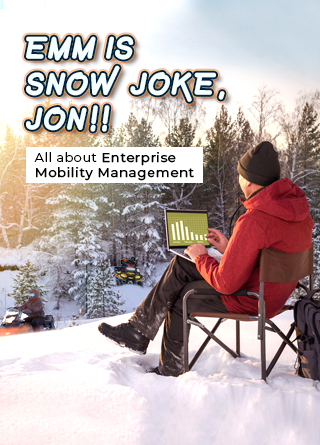
You and Jon Snow are here on a quest to understand what Enterprise Mobility Management (EMM) is and why it’s important for enterprises in Westeros to understand. Here’s the situation - the Night King is stealing business data from unsecured business devices, especially those owned by individuals and are not protected by enterprise-grade security solutions. Only Enterprise Mobility Management (EMM) can save data from theft and imminent destruction. EMM, your one true ally, can provide the right technologies and policies to enterprises, helping them secure both corporate and employee-owned devices. (Yes, Bring Your Own Device has its pros and cons!)
So, if you’re tired of worrying about enterprise security and how you would go about securing every device and endpoint, get on your dragon and join us! This journey will help you understand what EMM is, how it evolved, its working, why it is critical to enterprises and a lot more!
Here’s What You Need To Know About EMM, Jon Snow!
Enterprise Mobility Management is a term used for technologies, strategies and policies used by organizations to secure business data on their workforce’s personal and corporate-owned devices. This approach is all-encompassing when it comes to securing and permitting employees to use mobile devices such as smartphones and tablets.
With Enterprise Mobility Management, you get a combination of mobile device management (MDM) and mobile application management (MAM) tools. Making sure mobile devices are locked down and secured is what MDM software focuses on while monitoring what users can access through different applications is the job of MAM software. Together, they are a better team than Jon and Sam!
Yes, we know Jon and Sam were separated for a long time – we know our Game of Thrones history! Now, it’s time to know about the history of EMM.
The History Of Westeros… uhhh, We Mean EMM!
Back in ancient times, before devices such as tablets and smartphones were invented, the authorization of gadgets that linked to enterprise networks was solely in the hands of IT departments. They set rules and policies in the workplace concerning access and authorization based on an employee’s designation and department. They were like the Kingsguard of the old!
How EMM Serves The Enterprise Realm – The Working

Well, now you know that EMM evolved from MDM and MAM that gave IT teams complete dominion over devices, let’s see how EMM does the same – only better!
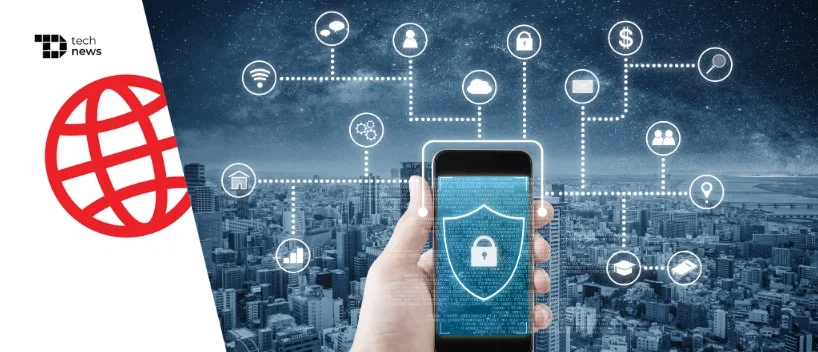
EMM secures information on devices by utilizing device-level approaches set by the enterprise. This enables the IT team to secure and manage users’ access to potentially malicious sites and applications. EMM enables device-wide encryption to keep your sensitive business data from getting into the wrong hands.
Moreover, there is unified endpoint management, which ensures that current device versions and operating systems are supported. This ensures a comprehensive, real-time view into application management and controls how much access third-party applications have to corporate systems. EMM also maintains the enterprise's content, such as customer data, client information, budgets, and other information that requires a specific level of access to ensure integrity. EMM includes access management features for encrypting data, protecting passwords, and remotely upgrading mobile device security. Furthermore, EMM offers simple control and monitoring of access to ensure that only authorized devices have access to the main corporate network.
EMM isn’t only about connecting users and mobile devices to the secured enterprise network so they can work — it’s about allowing users to utilize applications and business resources on the go without compromising enterprise security.
It is all about ease and efficiency!
EMM is in charge of all the enterprise data, devices and user access, just like Lord Varys kept an eye out in all directions to keep the realm safe from evils. Yes, we realize there could be better candidates (and analogies!) than Lord Varys. Yet there are different types of EMM, each with a different set of priorities – let’s take a look!
Too Many Kings (And Types Of EMM) To Remember...
There are 3 types of basic EMM approaches:
-
Mobile Device Management (MDM)
IT teams can design strategies to secure and aid mobile users with security support. With MDM, IT teams have total control over access. By working with device manufacturers, enterprises can be assured that any sensitive information on their fleet of devices is protected and secured.
-
Mobile Application Management (MAM)
IT teams can manipulate security features among applications, add limitations on the sharing of information and remove apps and any data along with them without having to wipe out an entire device. Applications and their data is secured by system administrators with the use of granular control tools at the level of each application. Naturally, this approach provides a higher degree of flexibility.
-
Unified Endpoint Management (UEM)
This approach is all about endpoint management through IT teams. Through a single console, every operating system (Mac OS, iOS, Chrome OS, Windows and Android) can all be managed. All endpoint devices within an organization can be managed with ease remotely. Actions such as security updates and version upgrades are taken care of automatically with the utilization of the UEM approach.
Depending on the number of devices, employees and amount of sensitive data, businesses can choose from either of the three approaches. There is no reward in going overboard and having your employees log in through multi-factor authentication to open a quiz that tells you which GOT character you resemble. However, users need to be secured from malicious sites and applications – and that’s about to get smarter! Read on to know what the future of EMM looks like.
Coming To The Benefits of EMM, Jon Snow!
.png.aspx "TechDogs-\"Coming To The Benefits of EMM, Jon Snow!\"-Sad Jon Snow Meme About EMM")
The security of Westeros always seems to be at risk (wouldn’t be much of a show if it wasn’t, right?). However, businesses cannot risk leaving devices unsecured. Here are some benefits of incorporating EMM approaches into the workplace:
-
Enhanced Security
Organizations can use EMM approaches to keep corporate data secure, even if employees access it on personal devices or outside the workplace. Organizations can set the amount of access for users, preventing unauthorized individuals and devices from accessing the enterprise network.
-
Increased Flexibility
It is customary in many businesses for employees to use their smartphones and personal devices to perform job activities remotely. Organizations can use EMM to safeguard data and give employees the freedom to work from a different location, allowing them to achieve a better work-life balance. Nonetheless, the firm does not jeopardize the security of its infrastructure.
-
Improved Productivity
As a result of the flexibility that EMM affords to businesses and personnel, productivity may increase. An IT team can remotely configure devices, establish access levels and troubleshoot issues without having the employee or device in person.
Yes, Jon Snow, you can protect it all – the Night King has nothing on EMM! Yet, if you are still not convinced, here is a preview of things to come (don’t worry, there are no House of the Dragon spoilers ahead!)
Westeros (And EMM) Will Endure – The Future
Well, we expect to see the transition of EMM to unified endpoint management (UEM) since it allows the much-needed support for various device platforms and operating systems such as Windows, Android and iOS. As personal devices may have different requirements than enterprise devices, UEM will enable better integration and unification of security standards.
Mobility trends and device platforms are also constantly changing. The evolution of EMM will need to align with these changes to make the proper accommodations. Enterprises will demand higher customization options, real-time monitoring features and automated responses for security breaches. We might not know what happens in Westeros next, yet, we expect to see EMM flourish as the trend of working remotely increases. Moreover, global workforces and collaboration will necessitate enterprises to adopt EMM strategies soon.
You Finally Know Something, Jon Snow!

You and Jon Snow have finally learned something. Although Ygritte probably still thinks you know nothing! Well, we will recap for her - Enterprise Mobility Management (EMM) is what your organization (Westeros) needs to protect itself from cyber-threats and other vulnerabilities (evil white walkers) out there. It enables employees to work more securely and productively while help enterprises meet their security goals. Get out your sword out and start defending the enterprise realm!
Frequently Asked Questions
What is Enterprise Mobility Management (EMM), and why is it important for enterprises?
Enterprise Mobility Management (EMM) refers to the technologies, strategies, and policies employed by organizations to secure business data on both personal and corporate-owned mobile devices. It encompasses mobile device management (MDM) and mobile application management (MAM) tools, ensuring the security of devices and controlling user access to applications. EMM is crucial for enterprises as it enables them to safeguard sensitive data, mitigate security risks, and maintain compliance with regulations, especially in environments where employees use personal devices for work purposes. By implementing EMM solutions, enterprises can effectively manage and protect their mobile workforce, enhancing productivity and minimizing security threats.
How did Enterprise Mobility Management evolve over time?
The evolution of Enterprise Mobility Management can be traced back to the rise of mobile devices in the workplace. Initially, IT departments relied on manual processes to manage device access and authorization. With the advent of personal mobile devices, such as smartphones and tablets, alongside corporate-owned devices, the need for more comprehensive security solutions became evident. Mobile device management (MDM) emerged as an early approach to secure devices, followed by the development of Enterprise Mobility Management tools. These tools integrated device-level security measures, encryption protocols, and remote management capabilities, providing organizations with greater control over their mobile infrastructure. Today, EMM solutions are essential for securing enterprise data across diverse device platforms and ensuring compliance with security standards.
How does Enterprise Mobility Management work to secure enterprise devices?
Enterprise Mobility Management utilizes a combination of device-level and application-level security measures to protect enterprise data. It employs device-level encryption, access controls, and remote management capabilities to safeguard sensitive information on mobile devices. Additionally, EMM solutions offer unified endpoint management, enabling IT teams to manage multiple device platforms from a single console. By implementing granular controls and monitoring mechanisms, EMM ensures that only authorized devices and applications have access to corporate resources. This comprehensive approach to security helps organizations mitigate risks associated with mobile device usage and maintain the integrity of their data assets.
Mon, Aug 22, 2022

Liked what you read? That’s only the tip of the tech iceberg!
Explore our vast collection of tech articles including introductory guides, product reviews, trends and more, stay up to date with the latest news, relish thought-provoking interviews and the hottest AI blogs, and tickle your funny bone with hilarious tech memes!
Plus, get access to branded insights from industry-leading global brands through informative white papers, engaging case studies, in-depth reports, enlightening videos and exciting events and webinars.
Dive into TechDogs' treasure trove today and Know Your World of technology like never before!
Disclaimer - Reference to any specific product, software or entity does not constitute an endorsement or recommendation by TechDogs nor should any data or content published be relied upon. The views expressed by TechDogs' members and guests are their own and their appearance on our site does not imply an endorsement of them or any entity they represent. Views and opinions expressed by TechDogs' Authors are those of the Authors and do not necessarily reflect the view of TechDogs or any of its officials. While we aim to provide valuable and helpful information, some content on TechDogs' site may not have been thoroughly reviewed for every detail or aspect. We encourage users to verify any information independently where necessary.
Loading comments...