
Pharmaceutical Technology
All About Engineered Living Therapeutics (ELTs) And Living Medicines
Share
Overview
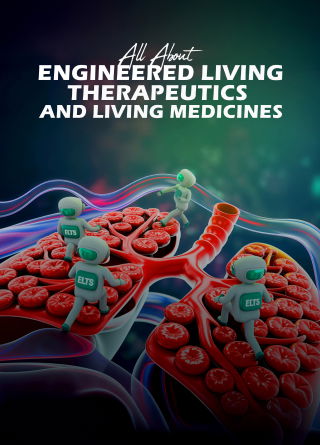
Well, imagine that the spaceship isn’t flying through space; instead, it’s navigating a pair of lungs.
Instead of colorful little crewmates, you and your friends log in as tiny robot medics—microscopic heroes sent inside a damaged lung that’s been through years of smoke, pollution, and stress.
Your job? Fix it from the inside.
You scurry through airways, patching up broken pipes, unclogging tar-filled passages, and calming down cells that are panicking and attacking the wrong things. However, be careful, as some of the damaged cells are impostors.
They look normal, but they make everything worse!
It’s a wild, high-stakes repair game. If you succeed, the lungs start to heal, and breathing gets easier. The system stabilizes. However, if you fail—well, let’s not go there.
In reality, though, the “players” aren’t humans, they’re living microbes. The game isn’t a simulation—it’s happening inside our bodies.
You see, scientists are programming bacteria and cells to detect diseases, release medicinal chemicals at just the right moment, and even shut themselves off when their job is done.
It's real-world science that feels like science fiction—and it's about to change how we treat diseases forever.
Curious how a team of living, thinking cells can do what sounds like sci-fi surgery? Continue reading to learn about these living medicines!
-An/Website-1800-x-940-(-without-logo-)-(1)-222.jpg.aspx "TechDogs-\"All About Engineered Living Therapeutics (ELTs) And Living Medicines\"")
Living Medicines and Engineered Living Therapeutics (ELTs) are revolutionizing how we approach healthcare. Think of this: instead of just popping a pill or getting an injection, we’re able to use living cells—yes, actual living cells—as tiny, programmable drug factories inside human bodies.
-An/1.jpg.aspx "TechDogs-\"Elements Combined With Manufacturing To Create Living Materials\"")
These aren’t your everyday medicines that circulate in the body and hope to hit the right spot. They’re trained, responsive agents that move through the body, detect what’s wrong, and act only when needed. Some can even shut themselves down after completing their mission.
Sounds like science fiction, right? Well, it’s becoming a reality in research labs, clinical trials, and biotech startups around the world. From treating cancer and metabolic disorders to alleviating chronic inflammation and promoting gut health, living medicines are filling the gaps where traditional treatments fall short.
So, how did we go from capsules to cells that can think and treat? What exactly makes these therapies so groundbreaking, and what’s next?
Let’s dive deeper into the world of Living Medicines and Engineered Living Therapeutics (ELTs)!
What Are Living Medicines And Engineered Living Therapeutics (ELTs)?
Living Medicines and Engineered Living Therapeutics (ELTs) are at the cutting edge of modern healthcare, using living organisms to detect, respond to, and treat diseases from within the body.
-
Living Medicines
Living medicines are treatments made from live cells or microbes—such as probiotics, CAR-T cells, or live vaccines—that naturally interact with the body to restore health. These therapies are used to boost the immune system, balance gut health, or target cancer cells by leveraging the body’s natural biology.
-
Engineered Living Therapeutics (ELTs)
Engineered Living Therapeutics (ELTs) take the concept one step further. They are living organisms—usually bacteria or cells—genetically programmed using synthetic biology. They can sense specific signals in the body (like inflammation or presence of toxins), process that information, and deliver a precise therapeutic payload when required.
ELTs represent a significant leap because they can be designed to respond dynamically to disease signals. This means they're not just passive; they actively engage with the body to provide targeted therapy.
-An/2.jpg.aspx?width=1075&height=450 "TechDogs-\"Living Medicines\"-\"Comparison Of Conventional And Living Medicines With Delivery Methods\"")
So, who's making this happen? Biotech companies such as Synlogic are at the forefront of developing programmable microbes that can treat conditions such as phenylketonuria (PKU), gout, and inflammatory bowel disease. At the same time, academic powerhouses like the Living Therapeutics Initiative at University of California, San Francisco, are driving foundational research to turn living cells into responsive, controllable treatments.
So, how did we arrive at this point? Let’s see where living medicines and ELTs began.
What Is The History Of Living Medicines And ELTs?
It's not as if ELTs appeared overnight. The journey encompasses several key milestones. Let's take a look at how we got here.
-
Ancient Times (Pre-1970s)
Long before modern medicine, people consumed fermented foods like yogurt to improve gut health. These live cultures marked the first use of living organisms as therapeutic agents—the original living medicines.
-
1970s–1980s
Breakthroughs in recombinant DNA technology enabled scientists to manipulate genes within microbes, such as E. coli. This era laid the groundwork for genetically engineered therapeutics, paving the way for the development of the first biotech drugs.
-
1990s–2017
Cell therapy gained momentum with the development of Chimeric Antigen Receptor T-cells (CAR-T cells), in which a patient’s immune cells are modified to target and fight cancer. The FDA approved the first CAR-T treatments in 2017, proving that living cells could be trained to heal with precision.
-
2000–2012
With the rise of synthetic biology, scientists gained the ability to program cells. CRISPR technology allowed precise control over what cells could sense, how they would respond, and when they would act. This was the turning point that made ELTs possible.
-
2018
Biotech companies such as Synlogic have launched trials for ELTs, like SYNB1618, to treat rare metabolic disorders using engineered bacteria. These marked the first real-world applications of programmable living therapeutics in humans.
-
2020–2025
Living therapeutics are now getting smarter, more targeted, and AI-assisted. Research labs and startups are developing ELTs that can detect multiple conditions, administer customized treatments, and self-regulate—while clinical adoption begins to gain momentum.
-An/3.jpg.aspx?width=627&height=450 "TechDogs-\"What Is The History Of Living Medicines And ELTs?\"-\"Steps In Recombinant DNA Technology For Plant Engineering\"")
-An/4.jpg.aspx?width=576&height=450 "TechDogs-\"CAR-T Cell Therapy Process From Leukapheresis To Administration\"")
This journey—from natural remedies to next-generation programmable therapies—reveals how far we’ve come in harnessing biology as a tool for healing. With ELTs, we’ve officially entered the era of medicine that’s alive and intelligent.
So, how does this biological scalpel know where to cut and when to act? To understand this, we need to take a peek inside the machinery of these living therapies.
How Do Living Medicines And ELTs Work?
So, how do these living medicines and ELTs actually work? Let's break it down:
-
Step 1: Biosensors Detect What’s Wrong
Engineered cells are equipped with biosensors—like molecular antennas—that scan for disease signals such as pH changes, toxins, glucose levels, or inflammation. These signals act as alerts that activate the next phase.
-
Step 2: Gene Circuits Kick Into Gear
Once a signal is detected, the cell's synthetic gene circuit interprets it like a logic puzzle: “IF signal A AND signal B are present, THEN release treatment.” These internal circuits give ELTs their precise, programmable power.
-
Step 3: Targeted Therapy Is Produced On-Site
Instead of delivering the medicine across the body, ELTs send the therapeutic payload directly to the problem area to ensure maximum impact with minimal side effects.
-
Step 4: Safety Systems Keep It In Check
To prevent overreaction or side effects, ELTs are built with kill switches, self-destruct timers, and containment rules. They only activate under specific conditions and shut down if they stray from the mission, making them quite safe.
ELTs are also designed with multiple layers of safety to prevent unintended consequences. This includes limiting their lifespan, preventing them from spreading too far, and ensuring they only activate in the presence of specific disease markers.
So, to recap, ELTs are like tiny, programmable robots that can sense disease, produce drugs, and self-destruct if things go wrong. Pretty neat, huh?
So, what's the technology behind this biological medicine? Let's learn more about it!
What Is The Technology Behind Living Medicines And ELTs?
So, how do these living medicines actually work their magic? Let's break down the technology that makes it all possible.
-
Biosensing Modules
Think of these as the "eyes and ears" of the microbes. They're designed to detect specific biomarkers, things like pH levels, glucose concentrations, or the presence of particular cytokines, and only go off when the proper signal is detected.
-
Gene Circuits
Once a biosensor detects a signal, it triggers a cascade of events controlled by gene circuits. For example, if a cell detects both inflammation and a specific tumor marker, it might then activate the production of an anti-cancer drug. It's all about precise, conditional responses.
-
Chassis
The chassis is the host organism, the actual cell that's been engineered. Common choices include E. coli Nissle, Lactococcus lactis, or even mammalian cells. The chassis needs to be safe, well-understood, and easy to manipulate genetically. Think of it like choosing a vehicle for a road trip; you want something that’s reliable, efficient and well-suited for the journey.
-
Payload Delivery
This is where the magic happens. Once the gene circuit is activated, the cell produces and releases a therapeutic payload. This could be anything from enzymes to anti-inflammatory agents to insulin analogs. The key is in-situ drug delivery, that is, delivering the right drug at the right place and at the right time.
-An/5.jpg.aspx "TechDogs-\"Biosensing Modules\"-\"Biosensor Components And Genetic Modules Overview\"")
The development of pharmacokinetic (how the body affects the drug) and pharmacodynamic (how the drug affects the body) tools to guide the candidate selection and drug development process, applying the collective knowledge of decades of clinical development.
-An/6-(1).jpg.aspx?width=800&height=450 "TechDogs-\"Payload Delivery\"-\"Pharmacokinetics Vs Pharmacodynamics Illustrated With Drug Flow And Effect\"")
With these components working together, ELTs offer a new way to approach medical treatments, promising more targeted, effective, and personalized health care.
So, what are the actual benefits of living medicines and ELTs?
What Are The Benefits Of Living Medicines And ELTs?
Living medicines and ELTs offer some tremendous advantages over traditional treatments. Here are a few, listed below:
-
On-Demand Treatment
Imagine a treatment that only kicks in when and where it's needed. That's the promise of living medicines. Instead of flooding your whole system with drugs, these therapies can deliver their payload right at the site of the problem, leading to fewer side effects—akin to a scalpel over of a sledgehammer!
-
Better Precision And Real-Time Responsiveness
Living medicines can be engineered to respond to instant changes in the body as these tiny, programmable living robots can sense their surroundings and adjust their actions accordingly. For example, if inflammation spikes, the ELT can release an anti-inflammatory agent. This level of precision is something traditional drugs can't match. According to a study by UCSF’s Living Therapeutics Initiative, this responsiveness can lead to more effective and targeted treatments.
-
Potential For Lower Production And Delivery Costs
While the initial research and development of ELTs can be expensive, the long-term production costs of living medicines could be lower than traditional pharmaceuticals. Once cells have been engineered, they can replicate themselves, reducing the need for expensive manufacturing processes. Additionally, since they're targeted, you may need smaller doses, further reducing costs.
So, where can we use these souped-up cells? The possibilities are exciting:
-
Oncology: Tumor-targeting microbes that deliver chemotherapy directly to cancer cells.
-
Metabolic Disorders: Bacteria engineered to treat conditions like PKU by breaking down specific metabolites.
-
Gut Inflammation: Microbes that release anti-inflammatory compounds to treat IBD or Crohn’s disease.
-
Living Diagnostics: Cells that continuously monitor your health and provide real-time feedback.
As synthetic biology continues to advance, we can expect even more innovative uses for biosensing circuits and engineered living therapies. It's like the Wild West of medicine, but instead of cowboys and horses, we have scientists and "smart living cells".
Living medicines and ELTs aren't just a flash in the pan. They're a whole new way of thinking about treating diseases while offering precision, responsiveness, and potentially lower costs.
As the field continues to evolve, we expect even more exciting developments soon, which brings us to the future of this technology. Let's explore!
What Is The Future Of Living Medicines And ELTs?
Living medicines and ELTs are the biotech world's version of smart, adaptive systems that are constantly evolving and getting smarter. So, what's next for these programmable therapies? Here's what.
-
Personalized ELTs Designed Using AI
Imagine ELTs being tailored to your unique genetic makeup in the near future. AI algorithms can analyze patient data to design precision medicine that maximizes efficacy and minimizes side effects. It's like a custom-built therapy, just for you!
A recent McKinsey report says that AI in drug discovery could reduce development times by up to 40% and significantly lower medical costs. So, will we see AI-driven ELTs become the norm? -
Integration With Digital Health Tools And Wearables
Consider wearables that monitor your health in real-time, providing data directly to the ELTs. This allows for on-demand treatment adjustments. For example, a wearable could detect early signs of inflammation and trigger the release of anti-inflammatory agents.
-
Evolving Regulatory Frameworks To Support Market-Ready Living Therapeutics
As ELTs become more sophisticated, regulatory bodies like the US FDA are adapting to ensure safety and efficacy. This includes establishing clear guidelines for manufacturing, testing, and clinical trials. The FDA acknowledges the potential of ELTs and is actively working to create a pathway for their approval to keep pace with the rapid advancements in the field of synthetic biology.
-
Development Of Smart Living Pills For Continuous Monitoring And Treatment
Envision a future where you swallow a pill containing engineered cells that constantly monitor your health and release drugs as needed. These smart living pills could revolutionize the treatment of chronic diseases, providing continuous and personalized care. According to research published in Nature Biotechnology, such systems could improve patient outcomes and reduce healthcare costs.
-An/7.jpg.aspx "TechDogs-\"Development Of Smart Living Pills For Continuous Monitoring And Treatment\"-\"Digital Ingestible Smart Pills With Embedded Electronics\"")
With such advancements on the horizon, the future of living medicines and ELTs looks incredibly promising. The transition to programmable, interactive cells is paving the way for a new era of personalized and responsive healthcare.
To explore more groundbreaking advancements on health care, visit TechDogs. You won't want to miss out on understanding these game-changing developments!
Wrapping Things Up!
Engineered Living Therapeutics, or ELTs, are still new, but they're already changing how we think about medicine. Instead of taking a pill, tiny helpers inside your own body can detect problems and act on it, even producing their own medicine right where it's needed.
There are still some kinks to work out, such as ensuring these living treatments last long enough and don't cause any unintended trouble. However, the idea of using biology to heal us is quite cool.
We're just scratching the surface of what's possible, so who knows what amazing things these tiny biological medics will do next!
Frequently Asked Questions
What Is The Key Difference Between ELTs And Other Living Medicines?
ELTs utilize genetically modified living cells for treatment, acting as "smart therapeutics" that can sense disease signals and respond by producing and delivering specific therapeutic molecules, such as drugs, enzymes, or hormones. Other living medicines might use naturally occurring cells without genetic modification.
What Are The Main Benefits Of Using ELTs Compared To Traditional Medicines?
ELTs offer several advantages, including localized and targeted treatment with reduced off-target effects, sustained drug delivery, potential for personalized treatments, and potentially lower manufacturing costs. This can be especially beneficial for chronic conditions.
What Are Some Of The Main Challenges Associated With Developing And Implementing ELTs?
Key challenges include ensuring biocontainment to prevent the unintended spread of modified organisms, establishing appropriate regulatory frameworks, effectively monitoring ELT performance within the body, and building public trust through education and transparency.
Fri, Jul 18, 2025

Enjoyed what you've read so far? Great news - there's more to explore!
Stay up to date with the latest news, a vast collection of tech articles including introductory guides, product reviews, trends and more, thought-provoking interviews, hottest AI blogs and entertaining tech memes.
Plus, get access to branded insights such as informative white papers, intriguing case studies, in-depth reports, enlightening videos and exciting events and webinars from industry-leading global brands.
Dive into TechDogs' treasure trove today and Know Your World of technology!
Disclaimer - Reference to any specific product, software or entity does not constitute an endorsement or recommendation by TechDogs nor should any data or content published be relied upon. The views expressed by TechDogs' members and guests are their own and their appearance on our site does not imply an endorsement of them or any entity they represent. Views and opinions expressed by TechDogs' Authors are those of the Authors and do not necessarily reflect the view of TechDogs or any of its officials. While we aim to provide valuable and helpful information, some content on TechDogs' site may not have been thoroughly reviewed for every detail or aspect. We encourage users to verify any information independently where necessary.
Loading comments...